Olamot Series in Humanities and Social Sciences - Böcker
Visar alla böcker i serien Olamot Series in Humanities and Social Sciences. Handla med fri frakt och snabb leverans.
12 produkter
12 produkter
1 005 kr
Skickas inom 7-10 vardagar
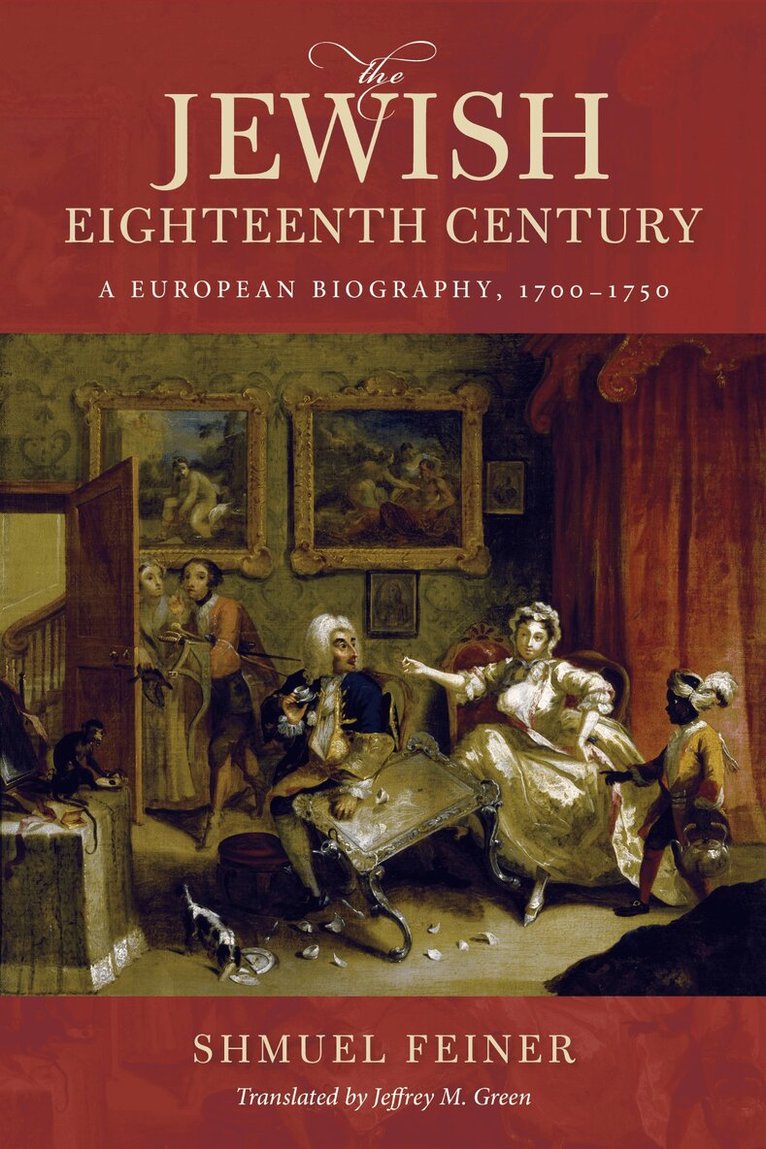
The eighteenth century was the Jews' first modern century. The deep changes that took place during its course shaped the following generations, and its most prominent voices still reverberate today. In this first volume of his magisterial work, Shmuel Feiner charts the twisting and fascinating world of the first half of the 18th century from the viewpoint of the Jews of Europe. Paying careful attention to life stories, to bright and dark experiences, to voices of protest, to aspirations of reform, and to strivings for personal and general happiness, Feiner identifies the tectonic changes that were taking place in Europe and their unprecedented effects on and among Jews. From the religious and cultural revolution of the Haskalah (Jewish Enlightenment) to the question of whether Jews could be citizens of any nation, Feiner presents a broad view of how this century of upheaval altered the map of Europe and the Jews who called it home.
414 kr
Skickas inom 7-10 vardagar
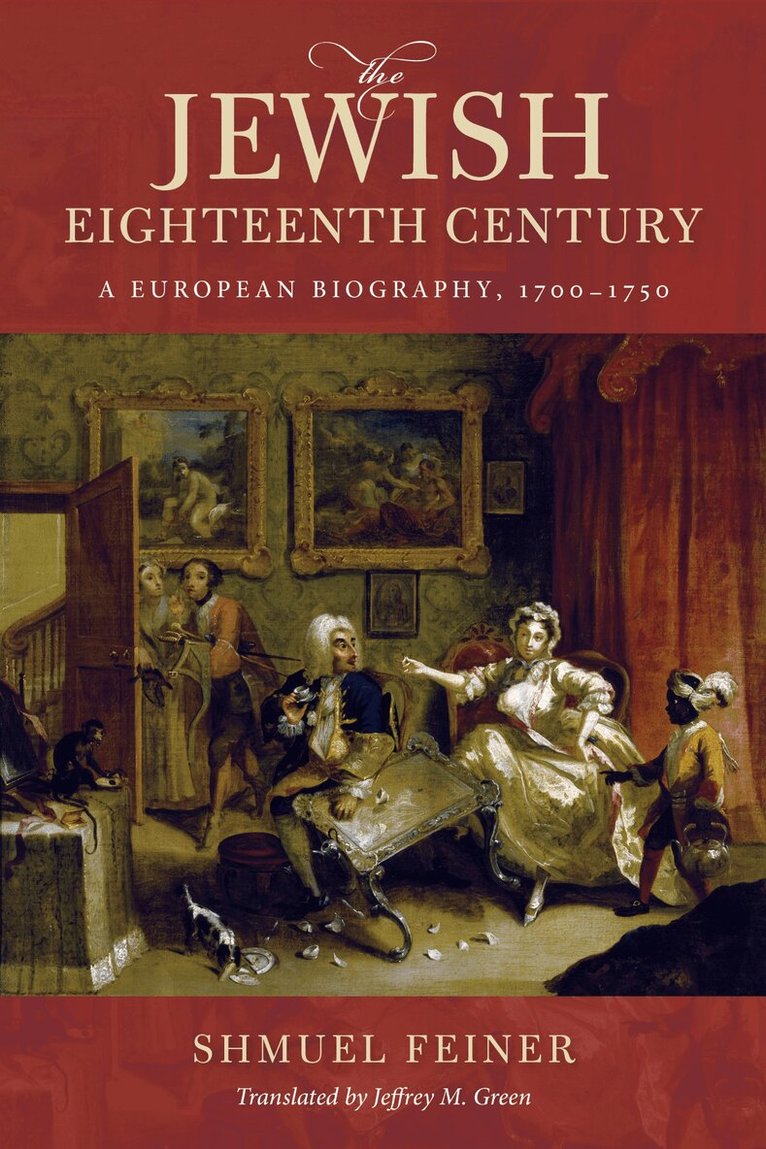
The eighteenth century was the Jews' first modern century. The deep changes that took place during its course shaped the following generations, and its most prominent voices still reverberate today. In this first volume of his magisterial work, Shmuel Feiner charts the twisting and fascinating world of the first half of the 18th century from the viewpoint of the Jews of Europe. Paying careful attention to life stories, to bright and dark experiences, to voices of protest, to aspirations of reform, and to strivings for personal and general happiness, Feiner identifies the tectonic changes that were taking place in Europe and their unprecedented effects on and among Jews. From the religious and cultural revolution of the Haskalah (Jewish Enlightenment) to the question of whether Jews could be citizens of any nation, Feiner presents a broad view of how this century of upheaval altered the map of Europe and the Jews who called it home.
656 kr
Skickas inom 7-10 vardagar
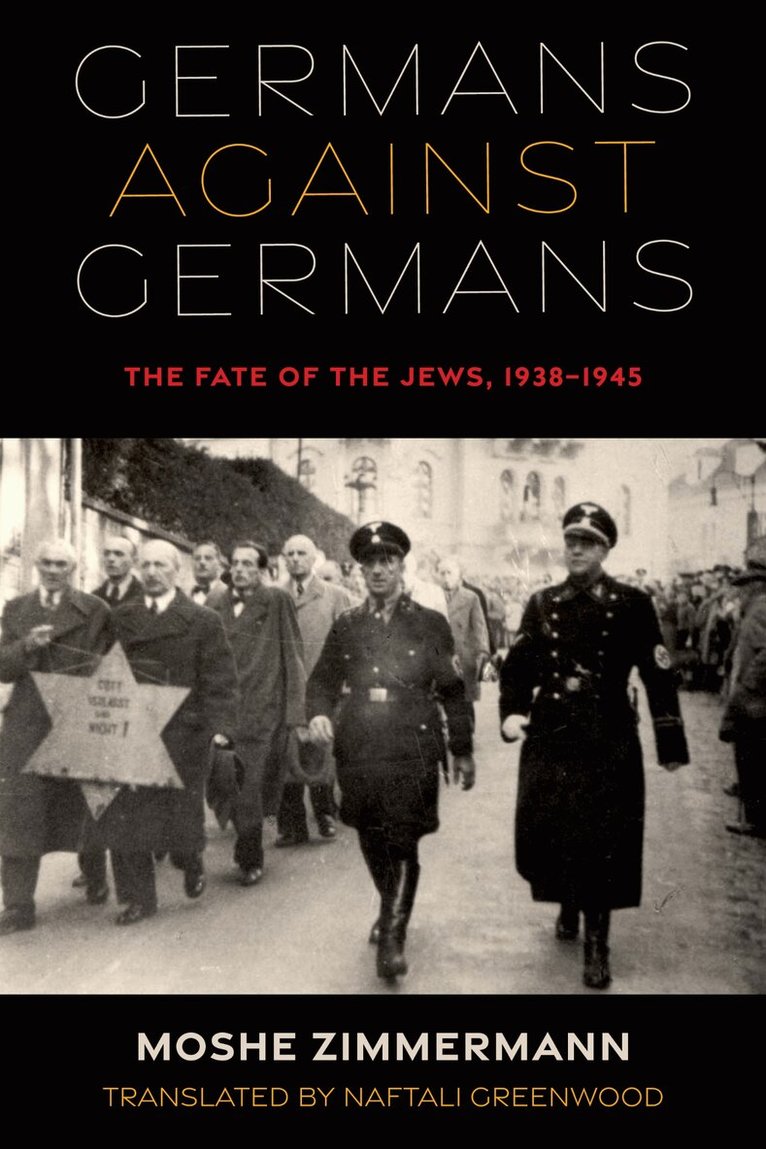
Among the many narratives about the atrocities committed against Jews in the Holocaust, the story about the Jews who lived in the eye of the storm—the German Jews—has received little attention. Germans against Germans: The Fate of the Jews, 1938–1945, tells this story—how Germans declared war against other Germans, that is, against German Jews. Author Moshe Zimmermann explores questions of what made such a war possible? How could such a radical process of exclusion take place in a highly civilized, modern society? What were the societal mechanisms that paved the way for legal discrimination, isolation, deportation, and eventual extermination of the individuals who were previously part and parcel of German society? Germans against Germans demonstrates how the combination of antisemitism, racism, bureaucracy, cynicism, and imposed collaboration culminated in "the final solution."
264 kr
Skickas inom 7-10 vardagar
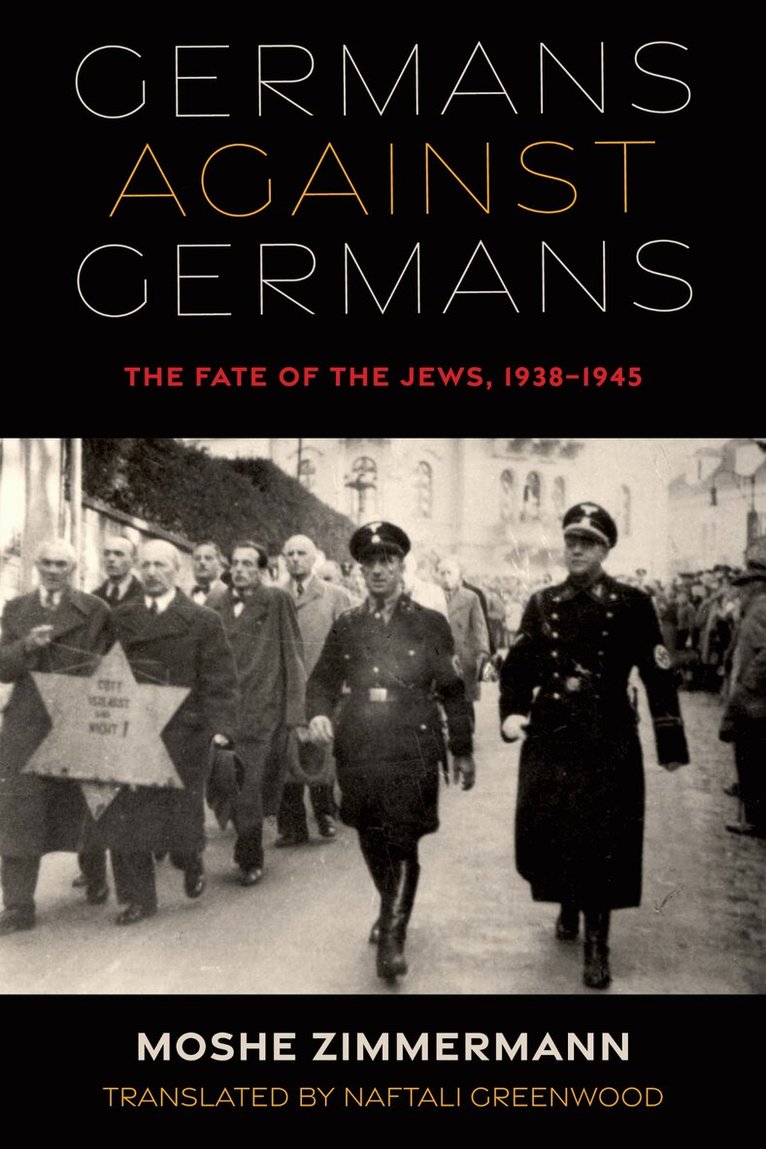
Among the many narratives about the atrocities committed against Jews in the Holocaust, the story about the Jews who lived in the eye of the storm—the German Jews—has received little attention. Germans against Germans: The Fate of the Jews, 1938–1945, tells this story—how Germans declared war against other Germans, that is, against German Jews. Author Moshe Zimmermann explores questions of what made such a war possible? How could such a radical process of exclusion take place in a highly civilized, modern society? What were the societal mechanisms that paved the way for legal discrimination, isolation, deportation, and eventual extermination of the individuals who were previously part and parcel of German society? Germans against Germans demonstrates how the combination of antisemitism, racism, bureaucracy, cynicism, and imposed collaboration culminated in "the final solution."
966 kr
Skickas inom 10-15 vardagar
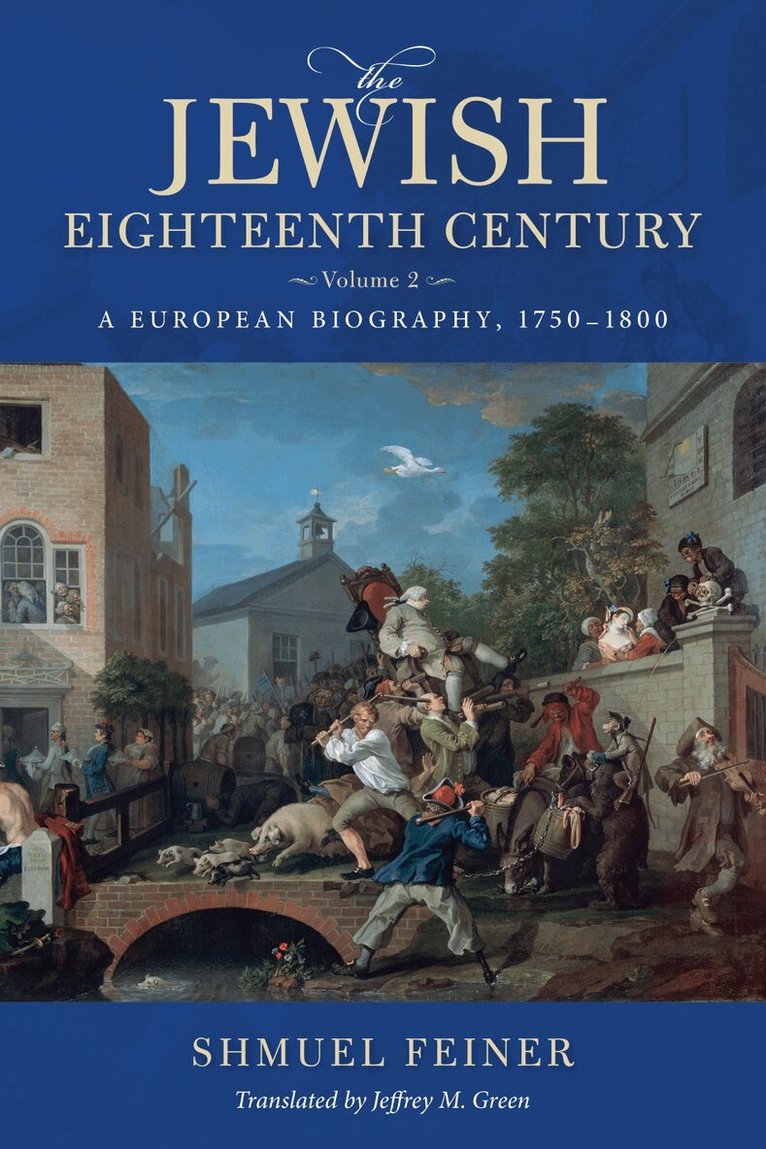
The second volume of Shmuel Feiner's The Jewish Eighteenth Century covers the period from 1750 to 1800, a time of even greater upheavals, tensions, and challenges. The changes that began to emerge at the beginning of the eighteenth century matured in the second half.Feiner explores how political considerations of the Jewish minority throughout Europe began to expand. From the "Jew Bill" of 1753 in Britain, to the surprising series of decrees issued by Joseph II of Austria that expanded tolerance in Austria, to the debate over emancipation in revolutionary France, the lives of the Jews of Europe became ever more intertwined with the political, social, economic, and cultural fabric of the continent.The Jewish Eighteenth Century, Volume 2: A European Biography, 1750–1800 concludes Feiner's landmark study of the history of Jewish populations in the period. By combining an examination of the broad and profound processes that changed the familiar world from the ground up with personal experiences of those who lived through them, it allows for a unique explanation of these momentous events.
420 kr
Skickas inom 10-15 vardagar
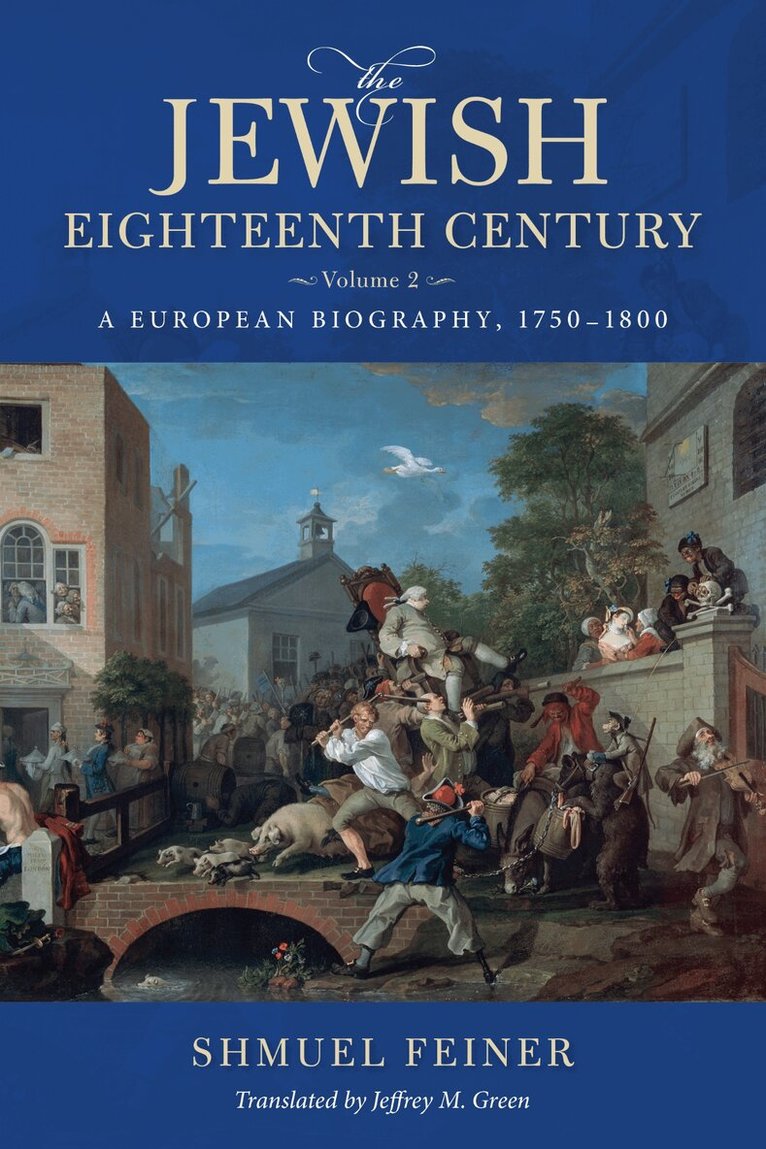
The second volume of Shmuel Feiner's The Jewish Eighteenth Century covers the period from 1750 to 1800, a time of even greater upheavals, tensions, and challenges. The changes that began to emerge at the beginning of the eighteenth century matured in the second half.Feiner explores how political considerations of the Jewish minority throughout Europe began to expand. From the "Jew Bill" of 1753 in Britain, to the surprising series of decrees issued by Joseph II of Austria that expanded tolerance in Austria, to the debate over emancipation in revolutionary France, the lives of the Jews of Europe became ever more intertwined with the political, social, economic, and cultural fabric of the continent.The Jewish Eighteenth Century, Volume 2: A European Biography, 1750–1800 concludes Feiner's landmark study of the history of Jewish populations in the period. By combining an examination of the broad and profound processes that changed the familiar world from the ground up with personal experiences of those who lived through them, it allows for a unique explanation of these momentous events.
795 kr
Skickas inom 7-10 vardagar
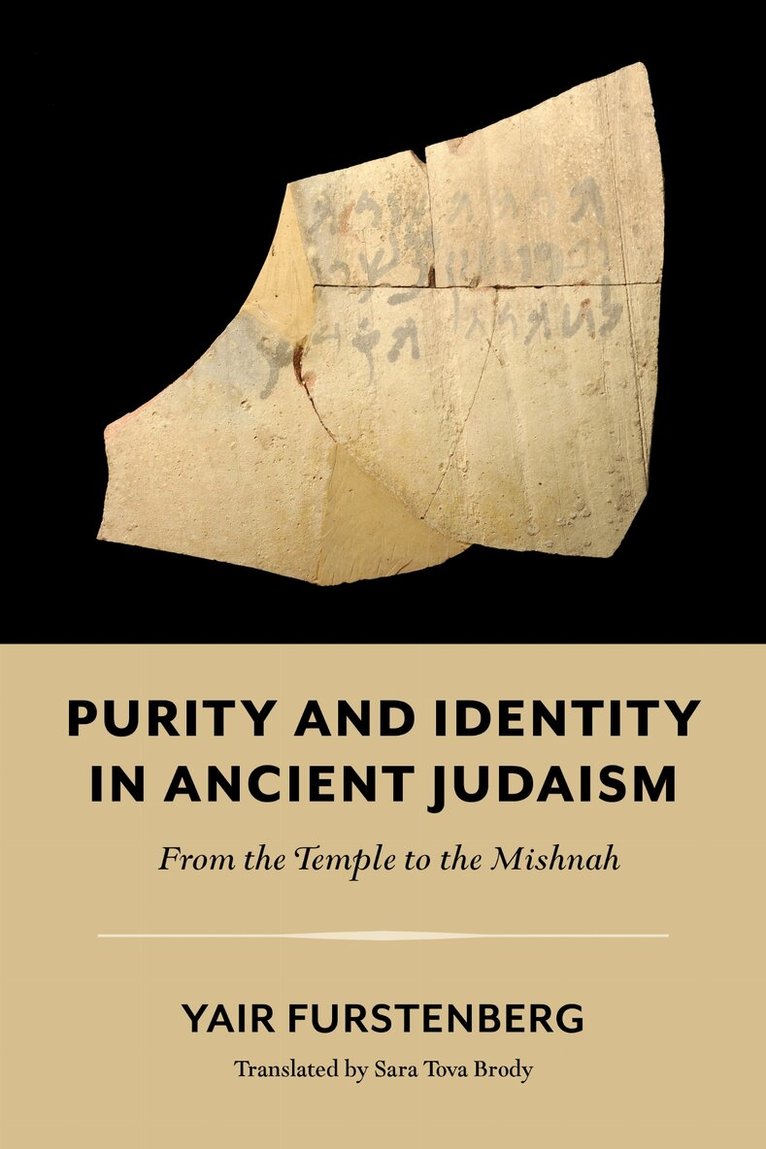
The concern for purity was the cornerstone of the religious culture of ancient Judaism. Purity and Identity in Ancient Judaism explores how this concern shaped the worldview of Jews during the Second Temple period as well as their daily practices and social relations. It examines how different groups offered competing visions and methods for living a life of purity, which embodied a promise for personal and cosmic salvation and at the same time determined the degree of sectarian separation.Purity and Identity in Ancient Judaism offers a comprehensive description of the world of purity among the Jews of the Second Temple period in general and within the tradition of the Pharisees in particular. Yair Furstenberg explores the language of purity that provided Jews in antiquity a powerful tool for organizing legal, social, and ideological boundaries, and its study is therefore pertinent for understanding the powers that shaped the varieties of Second Temple Judaism and their later offshoots: Early Christianity and Rabbinic Judaism. Purity and Identity in Ancient Judaism offers new methods for carefully integrating the New Testament, Qumran literature, and early rabbinic sources into a comprehensive history of purity laws from the world of the Second Temple and the Pharisees to the later rabbinic movement, allowing the reader to trace the emergence of new religious sensibilities within changing social and cultic circumstances.
361 kr
Skickas inom 7-10 vardagar
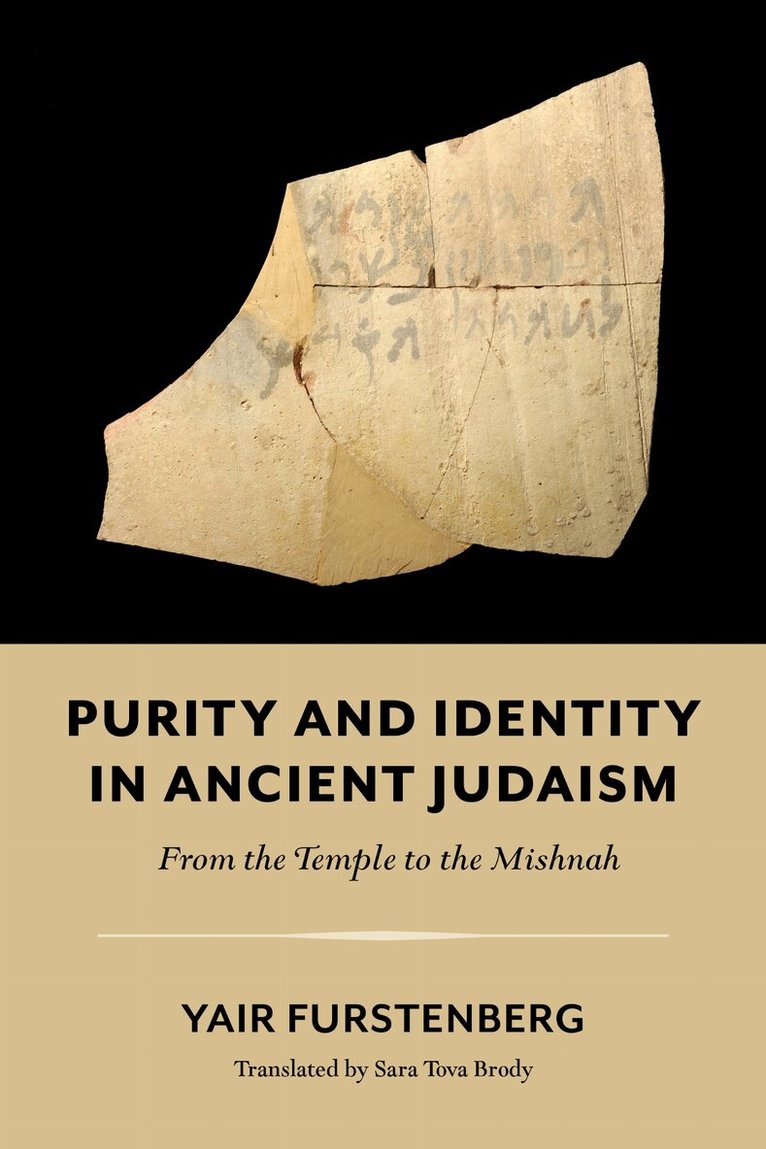
The concern for purity was the cornerstone of the religious culture of ancient Judaism. Purity and Identity in Ancient Judaism explores how this concern shaped the worldview of Jews during the Second Temple period as well as their daily practices and social relations. It examines how different groups offered competing visions and methods for living a life of purity, which embodied a promise for personal and cosmic salvation and at the same time determined the degree of sectarian separation.Purity and Identity in Ancient Judaism offers a comprehensive description of the world of purity among the Jews of the Second Temple period in general and within the tradition of the Pharisees in particular. Yair Furstenberg explores the language of purity that provided Jews in antiquity a powerful tool for organizing legal, social, and ideological boundaries, and its study is therefore pertinent for understanding the powers that shaped the varieties of Second Temple Judaism and their later offshoots: Early Christianity and Rabbinic Judaism. Purity and Identity in Ancient Judaism offers new methods for carefully integrating the New Testament, Qumran literature, and early rabbinic sources into a comprehensive history of purity laws from the world of the Second Temple and the Pharisees to the later rabbinic movement, allowing the reader to trace the emergence of new religious sensibilities within changing social and cultic circumstances.
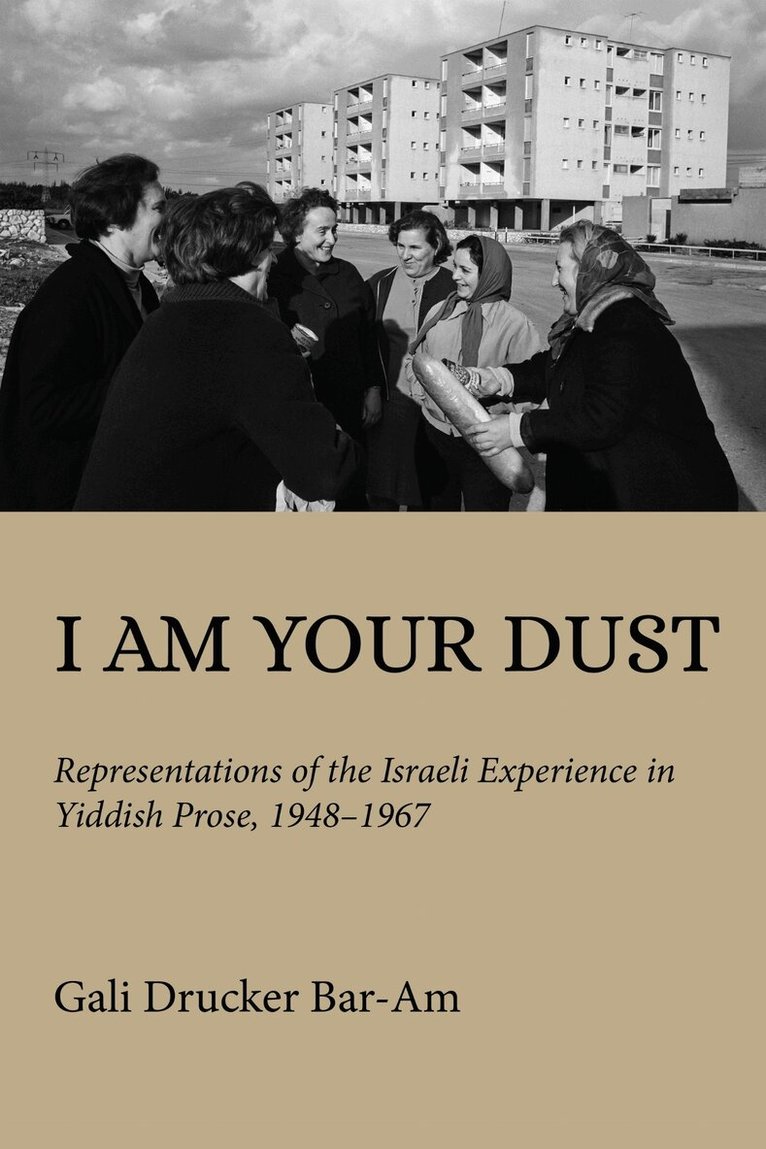
I Am Your Dust
Representations of the Israeli Experience in Yiddish Prose, 1948–1967
Inbunden, Engelska, 2024
974 kr
Skickas inom 7-10 vardagar
Israel's cultural space is frequently studied as if it were synonymous with the Hebrew-Israeli one. But within the borders of Israel, a fascinating culture was (and continues to be) created in many languages other than Hebrew, reflecting its reality from angles that the makers of Hebrew-Israeli culture did not know and all too often lacked the tools to express. I Am Your Dust: Representations of the Israeli Experience in Yiddish Prose, 1948–1967 expands the boundaries of current studies of Israel's cultural history by presenting and analyzing Yiddish-Israeli prose written during the country's first two decades as an independent state. It offers a comprehensive study of that unique, and hitherto little understood, literature, a detailed historical documentation of the contexts of its production, and an eye-opening comparison of its themes to the more familiar outputs of Hebrew-Israeli prose. I Am Your Dust is the first socioliterary investigation of Yiddish-Israeli culture, and it explores how Yiddish-Israeli writers played a vital role in shaping the country's cultural identity in its early years.
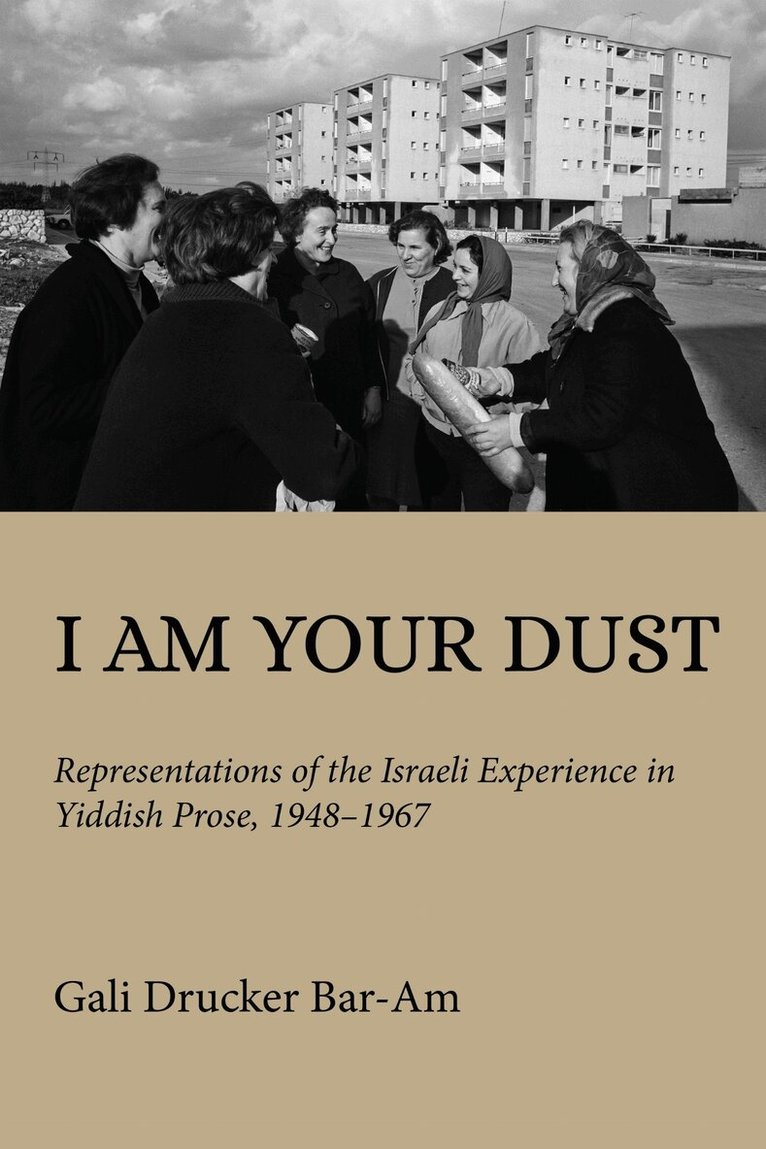
I Am Your Dust
Representations of the Israeli Experience in Yiddish Prose, 1948–1967
Häftad, Engelska, 2024
461 kr
Skickas inom 7-10 vardagar
Israel's cultural space is frequently studied as if it were synonymous with the Hebrew-Israeli one. But within the borders of Israel, a fascinating culture was (and continues to be) created in many languages other than Hebrew, reflecting its reality from angles that the makers of Hebrew-Israeli culture did not know and all too often lacked the tools to express. I Am Your Dust: Representations of the Israeli Experience in Yiddish Prose, 1948–1967 expands the boundaries of current studies of Israel's cultural history by presenting and analyzing Yiddish-Israeli prose written during the country's first two decades as an independent state. It offers a comprehensive study of that unique, and hitherto little understood, literature, a detailed historical documentation of the contexts of its production, and an eye-opening comparison of its themes to the more familiar outputs of Hebrew-Israeli prose. I Am Your Dust is the first socioliterary investigation of Yiddish-Israeli culture, and it explores how Yiddish-Israeli writers played a vital role in shaping the country's cultural identity in its early years.
656 kr
Skickas inom 7-10 vardagar
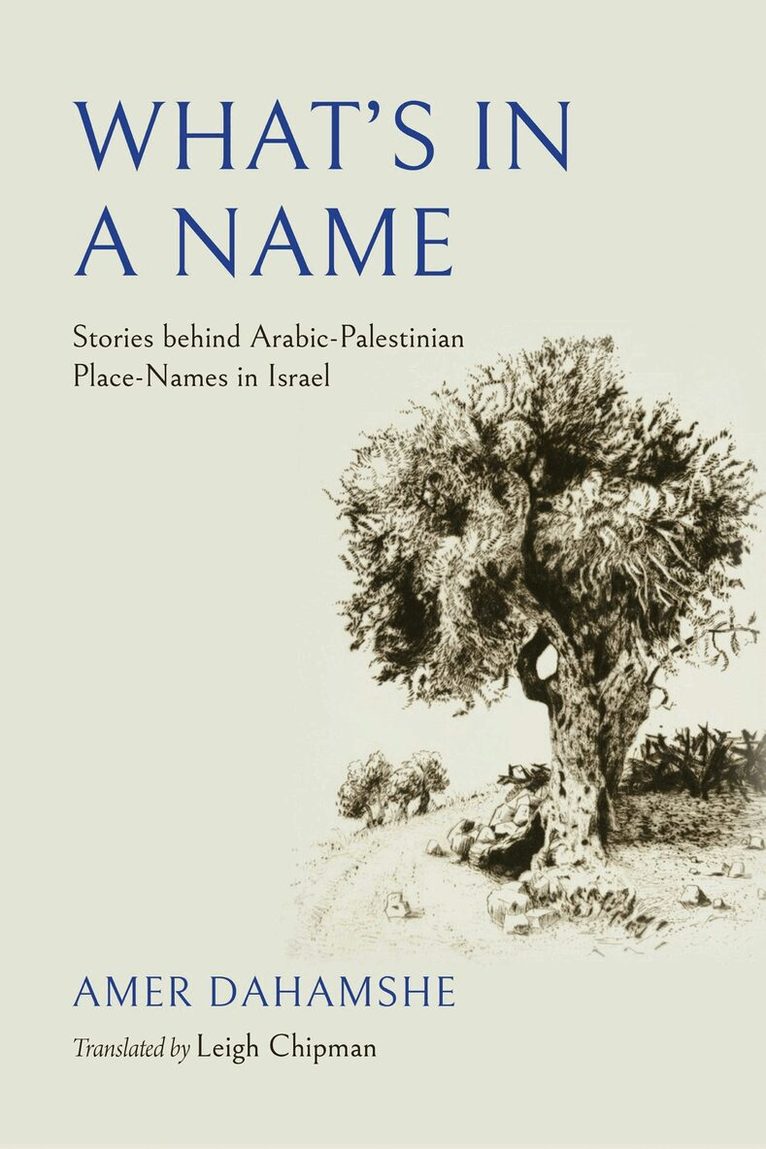
One spring day in the 1980s, my family and I woke up to the sight of bulldozers, accompanied by Israeli policemen, ascending the hill called Jabal Sīkh in Kafr Kannā. At the time, I was a pupil in elementary school, and the hill could be seen clearly from the school. My teacher explained to the class that the Jewish National Fund workers were leveling the hill and planting pine and cypress trees that would provide shade for us in the play areas that would be erected between the trees. Years passed, playgrounds were not erected, and the hill was partly settled by immigrants from the former Soviet Union and given a biblical name: Mount Yonah. My friends and I continue to call the hill by the name we heard from the elders of Kafr Kannā (Cana of Galilei).What's in a Name examines the geographical names used by the Palestinian minority living in Israel: their pronunciation in local dialects; their narratives, stories, and history; the motifs and themes underlying their bestowal; how they are perceived; and the cultural messages they communicate. Based on a rich repertoire of original fieldwork in Arabic, Amer Dahamshe analyzes the Arabic names of villages and towns as well as natural formations such as rivers, hills, and meadows in the Arab-Palestinian society in Israel. In doing so, Dahamshe provides different cultural explanations for the bestowal of these names, their origin as explained in the local stories of the Palestinian people, and their popular, communal, and autobiographical memories across generations.A poetic study of the ideological and cultural construction of how names create meaning, What's in a Name shows how names can reflect multiculturalism and a tradition of tolerance in spite of ongoing processes of erasure.
305 kr
Skickas
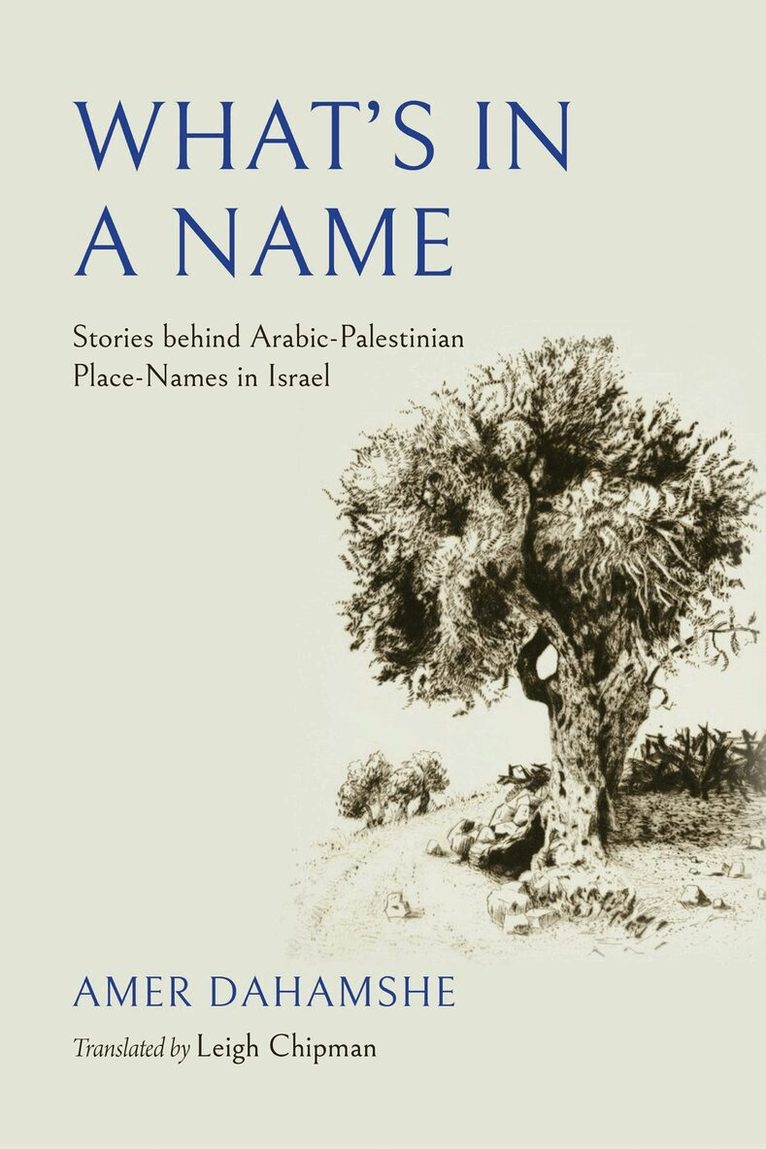
One spring day in the 1980s, my family and I woke up to the sight of bulldozers, accompanied by Israeli policemen, ascending the hill called Jabal Sīkh in Kafr Kannā. At the time, I was a pupil in elementary school, and the hill could be seen clearly from the school. My teacher explained to the class that the Jewish National Fund workers were leveling the hill and planting pine and cypress trees that would provide shade for us in the play areas that would be erected between the trees. Years passed, playgrounds were not erected, and the hill was partly settled by immigrants from the former Soviet Union and given a biblical name: Mount Yonah. My friends and I continue to call the hill by the name we heard from the elders of Kafr Kannā (Cana of Galilei).What's in a Name examines the geographical names used by the Palestinian minority living in Israel: their pronunciation in local dialects; their narratives, stories, and history; the motifs and themes underlying their bestowal; how they are perceived; and the cultural messages they communicate. Based on a rich repertoire of original fieldwork in Arabic, Amer Dahamshe analyzes the Arabic names of villages and towns as well as natural formations such as rivers, hills, and meadows in the Arab-Palestinian society in Israel. In doing so, Dahamshe provides different cultural explanations for the bestowal of these names, their origin as explained in the local stories of the Palestinian people, and their popular, communal, and autobiographical memories across generations.A poetic study of the ideological and cultural construction of how names create meaning, What's in a Name shows how names can reflect multiculturalism and a tradition of tolerance in spite of ongoing processes of erasure.