Oxford History of the Archaic Greek World – serie
Visar alla böcker i serien Oxford History of the Archaic Greek World. Handla med fri frakt och snabb leverans.
5 produkter
5 produkter
1 728 kr
Skickas inom 3-6 vardagar
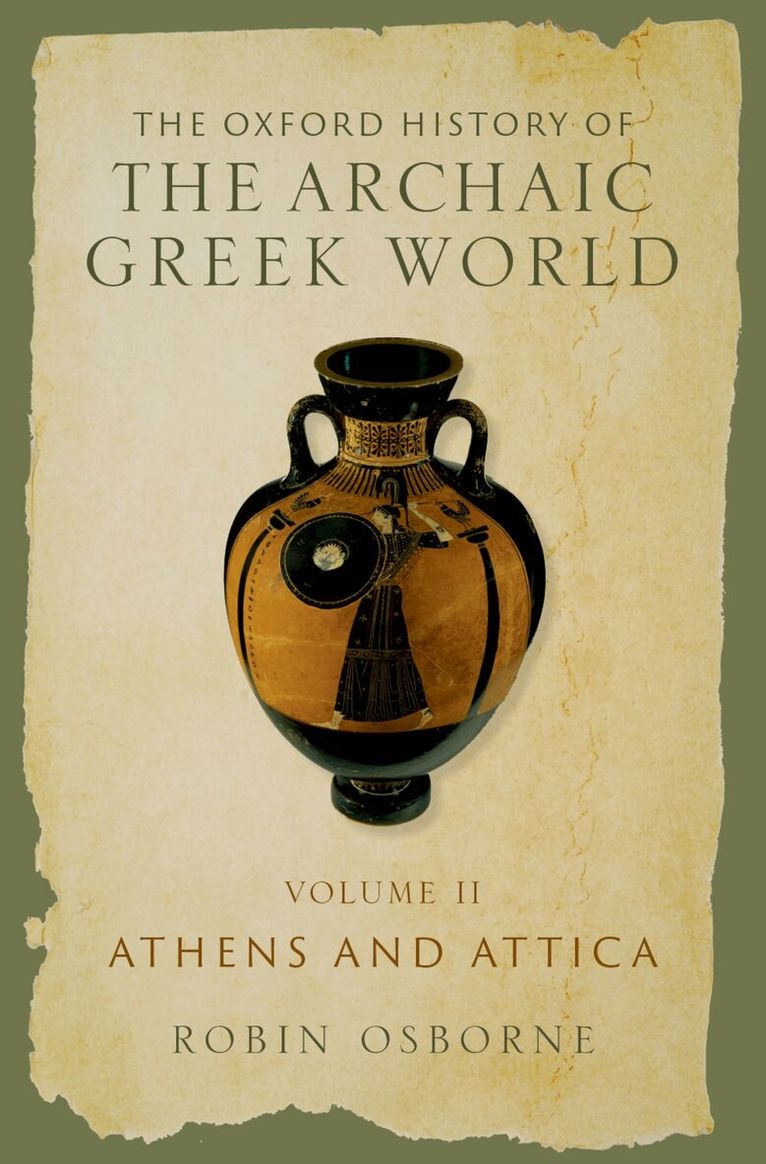
This book introduces the history and archaeology of ancient Athens in the period from 800-500 BCE. Following the standard arrangement of the Oxford History of the Archaic Greek World series, author Robin Osborne deals successively with the sources; environmental setting; material culture (settlement pattern, burial customs, ceramic production); political, legal, and diplomatic history; economy and demography; social and religious customs; and cultural history (including history of sculpture) of archaic Athens. He provides not only a full and up-to-date guide to all these various aspects of Athenian history and archaeology, but also an integrated history which shows how all the different aspects intersect. Osborne guides the reader through an exciting story of the way in which the territory of Attica was re-occupied after the collapse of Bronze Age civilization, how Athens emerged as the dominant settlement, how the claims of family, place, and wealth were played out against one another, and how the Athenians came to place themselves both in relation to the wider Greek world and in relation to the gods.The account is illustrated with abundant maps and halftone images that bring the world of Athens to life. The political and cultural achievements of classical Athens (democracy, tragedy, the Parthenon and its sculpture) rested upon the foundations created in the archaic period, but Osborne shows that archaic Athens did not merely provide foundations for what came later but offered a fascinating history and culture of its own.
998 kr
Skickas inom 5-8 vardagar
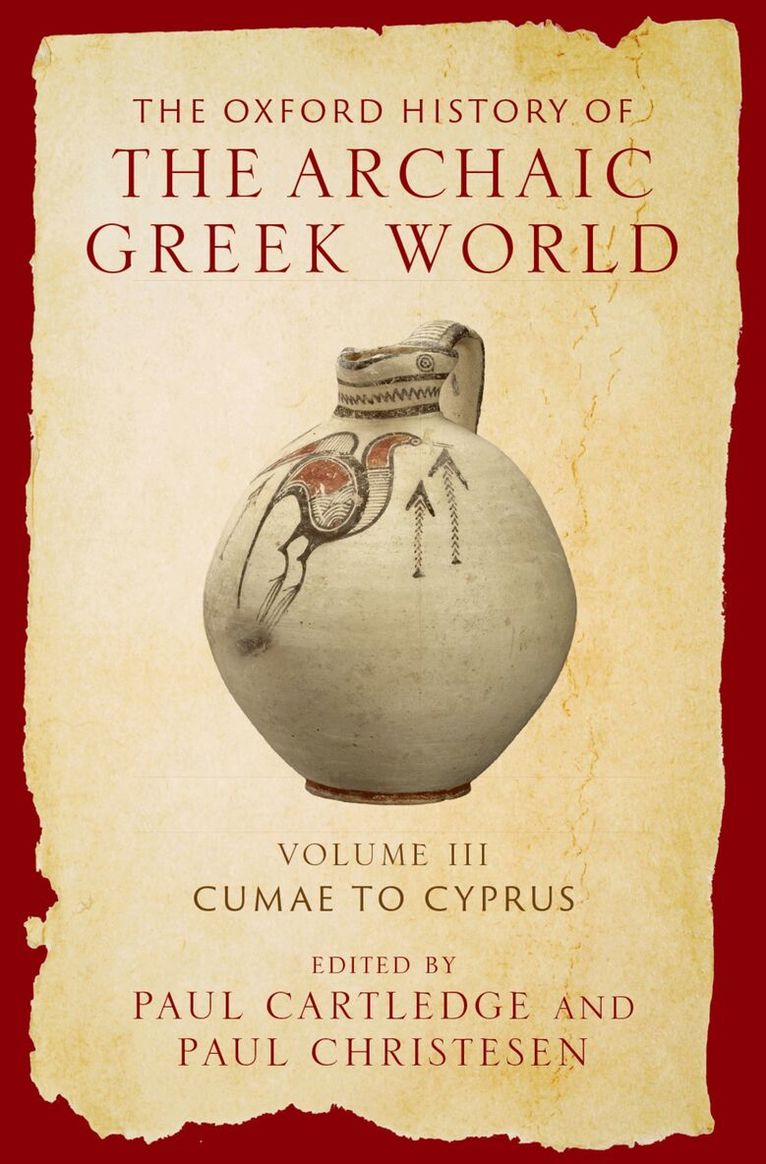
The ancient Greek world consisted of approximately 1,000 autonomous polities scattered across the Mediterranean basin and was remarkable for both its diversity and its uniformity. As Greeks dispersed throughout the Mediterranean, the different environmental and human ecosystems they encountered created important differences among widely scattered settlements: each Greek community developed its own unique set of socio-political institutions and social practices. Nonetheless, despite their dispersal and diversity, Greek communities were bound together by a network of commercial, cultural, diplomatic, and military ties and shared important commonalities, most notably language and religion.The Oxford History of the Archaic Greek World, a collaborative effort by more than forty eminent scholars, offers twenty-one detailed and comprehensive studies of key sites from across the Greek world in the period between c. 750 and c. 480 BCE. During that period, Greeks confronted a series of demographic, political, social, and economic challenges and generated an array of responses that transformed the ways in which they lived, worked, and interacted. Much of what is now seen as distinctive about Greek culture--such as democracy, stone temples, and nude athletics--first developed during the Archaic period.The series is organized alphabetically by polis. Volume III contains detailed and up-to-date studies of Cumae and Pithecusae, The Cyclades, and Cyprus. Together with the other volumes in the series, the Oxford History of the Archaic Greek World offers a new and unique resource for the study of ancient Greece that will transform how we understand a crucial era in antiquity.
The Oxford History of the Archaic Greek World
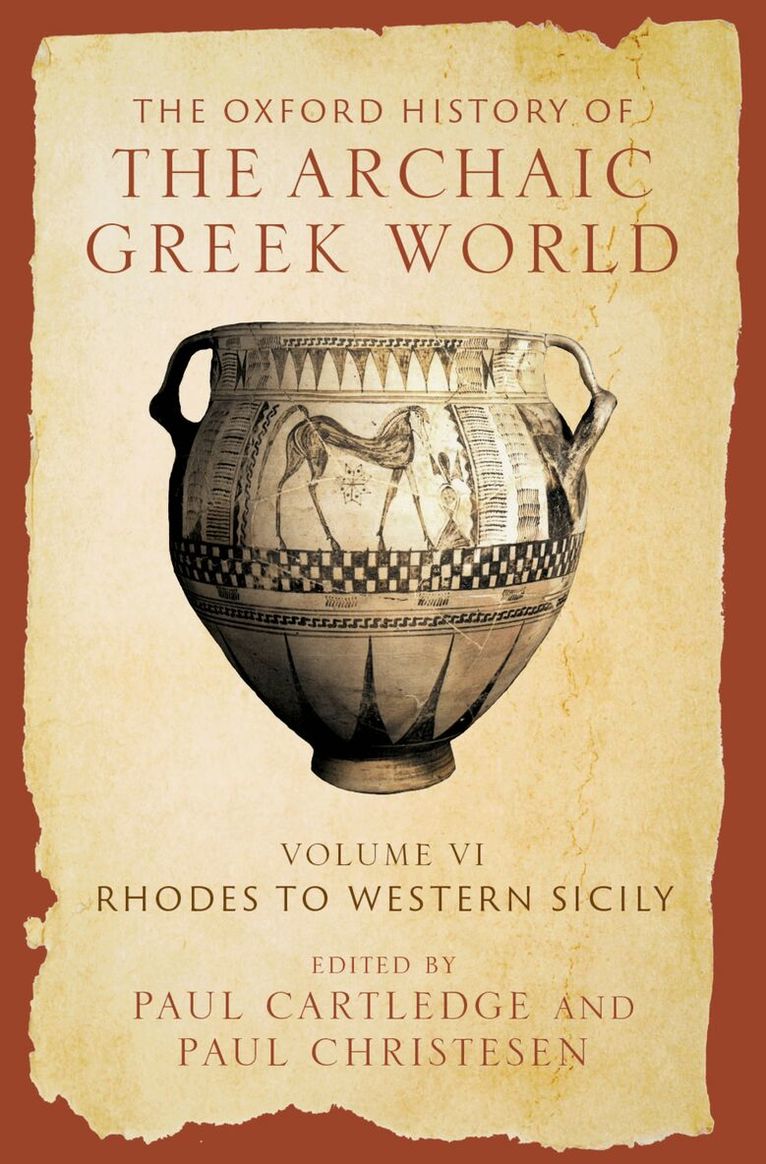
Volume VI: Rhodes to Western Sicily
Inbunden, Engelska, 2025
1 656 kr
Skickas inom 3-6 vardagar
The ancient Greek world consisted of approximately 1,000 autonomous polities scattered across the Mediterranean basin and was remarkable for both its diversity and its uniformity. As Greeks dispersed throughout the Mediterranean, the different environmental and human ecosystems they encountered created important differences among widely scattered settlements: each Greek community developed its own unique set of socio-political institutions and social practices. Nonetheless, despite their dispersal and diversity, Greek communities were bound together by a network of commercial, cultural, diplomatic, and military ties and shared important commonalities, most notably language and religion.The Oxford History of the Archaic Greek World, a collaborative effort by more than forty eminent scholars, offers twenty-two detailed and comprehensive studies of key sites from across the Greek world in the period between c. 750 and c. 480 BCE. During that period, Greeks confronted a series of demographic, political, social, and economic challenges and generated an array of responses that transformed the ways in which they lived, worked, and interacted. Much of what is now seen as distinctive about Greek culture--such as democracy, stone temples, and nude athletics--first developed during the Archaic period.The series is organized alphabetically by polis. Volume VI contains detailed and up-to-date studies of Rhodes, Sicyon, Syracuse, Thebes, and Western Sicily. Together with the other volumes in the series, The Oxford History of the Archaic Greek World offers a new and unique resource for the study of ancient Greece that will transform how we understand a crucial era in antiquity.
The Oxford History of the Archaic Greek World
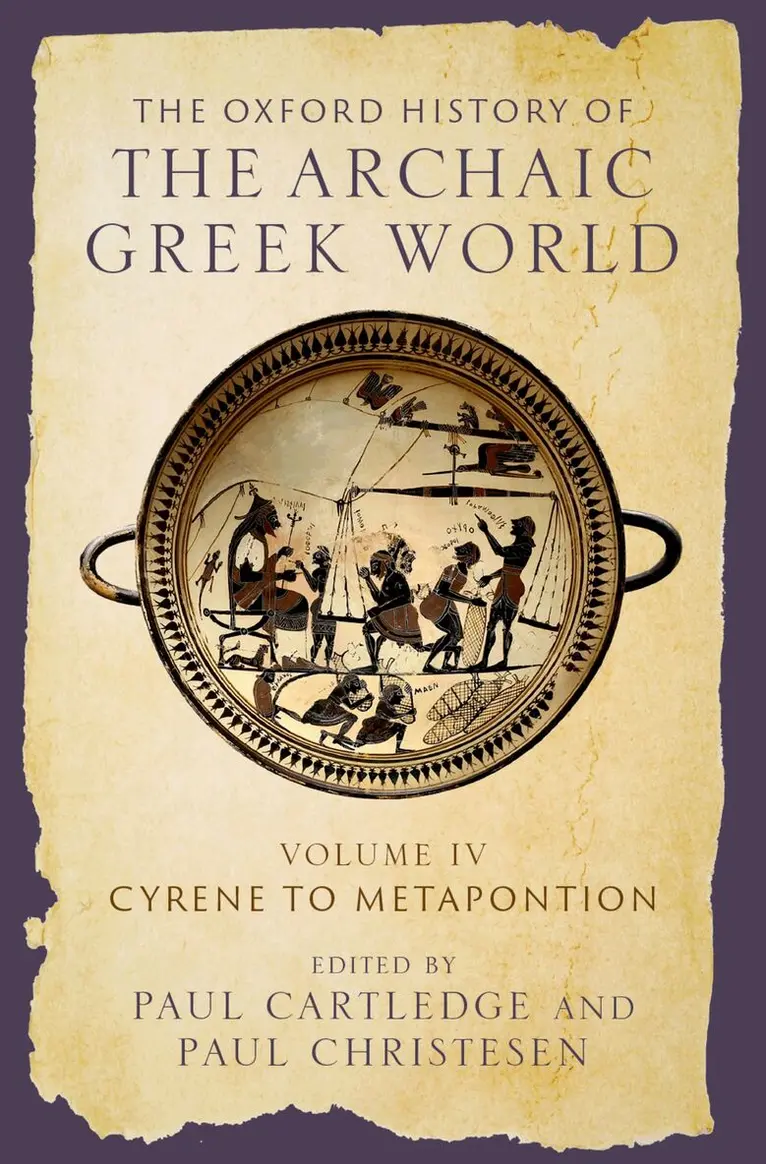
Volume IV: Cyrene to Metapontion
Inbunden, Engelska, 2025
998 kr
Skickas inom 5-8 vardagar
The ancient Greek world consisted of approximately 1,000 autonomous polities scattered across the Mediterranean basin and was remarkable for both its diversity and its uniformity. As Greeks dispersed throughout the Mediterranean, the different environmental and human ecosystems they encountered created important differences among widely scattered settlements: each Greek community developed its own unique set of socio-political institutions and social practices. Nonetheless, despite their dispersal and diversity, Greek communities were bound together by a network of commercial, cultural, diplomatic, and military ties and shared important commonalities, most notably language and religion.The Oxford History of the Archaic Greek World, a collaborative effort by more than forty eminent scholars, offers twenty-two detailed and comprehensive studies of key sites from across the Greek world in the period between c. 750 and c. 480 BCE. During that period, Greeks confronted a series of demographic, political, social, and economic challenges and generated an array of responses that transformed the ways in which they lived, worked, and interacted. Much of what is now seen as distinctive about Greek culture-such as democracy, stone temples, and nude athletics--first developed during the Archaic period.The series is organized alphabetically by polis. Volume IV contains detailed and up-to-date studies of Cyrene, Delphi, Macedonia, Massalia, and Metapontion. Together with the other volumes in the series, the Oxford History of the Archaic Greek World offers a new and unique resource for the study of ancient Greece that will transform how we understand a crucial era in antiquity.
998 kr
Skickas inom 5-8 vardagar
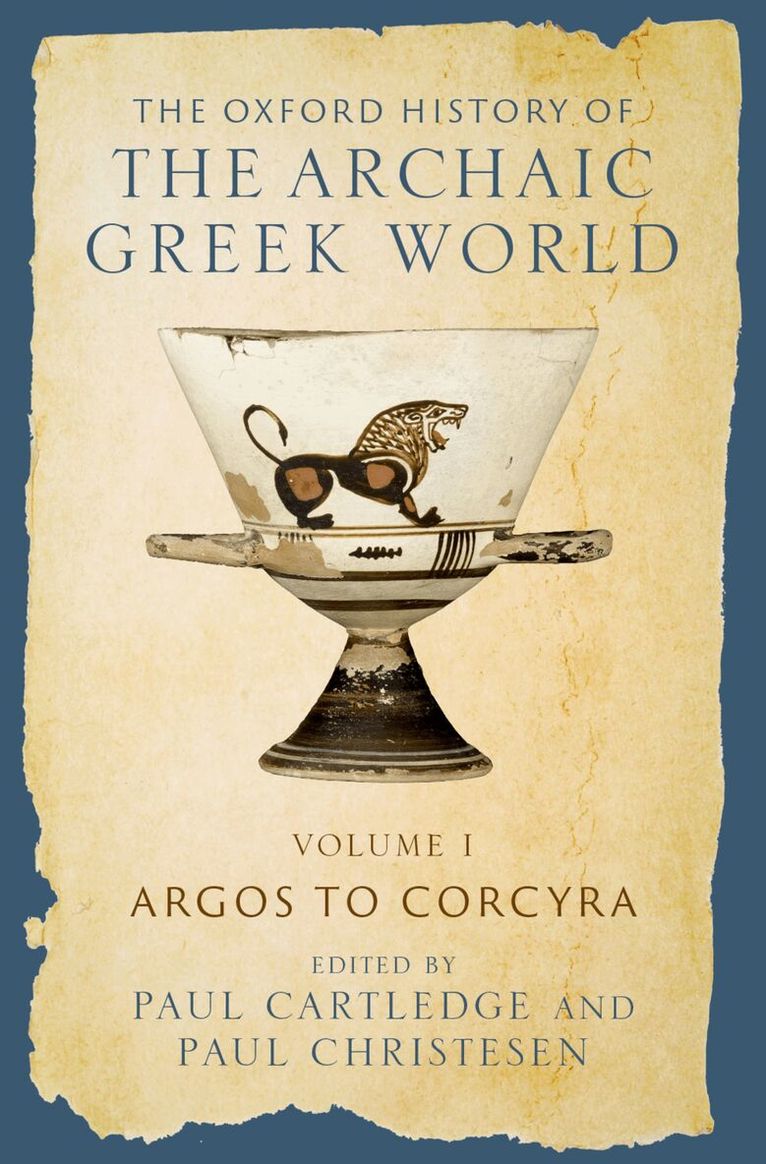
The ancient Greek world consisted of approximately 1,000 autonomous polities scattered across the Mediterranean basin and was remarkable for both its diversity and its uniformity. As Greeks dispersed throughout the Mediterranean, the different environmental and human ecosystems they encountered created important differences among widely scattered settlements: each Greek community developed its own unique set of socio-political institutions and social practices. Nonetheless, despite their dispersal and diversity, Greek communities were bound together by a network of commercial, cultural, diplomatic, and military ties and shared important commonalities, most notably language and religion.The Oxford History of the Archaic Greek World, a collaborative effort by more than forty eminent scholars, offers twenty-two detailed and comprehensive studies of key sites from across the Greek world in the period between c. 750 and c. 480 BCE. During that period, Greeks confronted a series of demographic, political, social, and economic challenges and generated an array of responses that transformed the ways in which they lived, worked, and interacted. Much of what is now seen as distinctive about Greek culture--such as democracy, stone temples, and nude athletics--first developed during the Archaic period.The series is organized alphabetically by polis. Volume I contains detailed and up-to-date studies of Argos, Chalcis and Eretria, Chios-Lesbos-Samos, and Corcyra. Together with the other volumes in the series, the Oxford History of the Archaic Greek World offers a new and unique resource for the study of ancient Greece that will transform how we understand a crucial era in antiquity.