Oxford Ritual Studies - Böcker
Visar alla böcker i serien Oxford Ritual Studies. Handla med fri frakt och snabb leverans.
10 produkter
10 produkter
1 801 kr
Skickas inom 5-8 vardagar
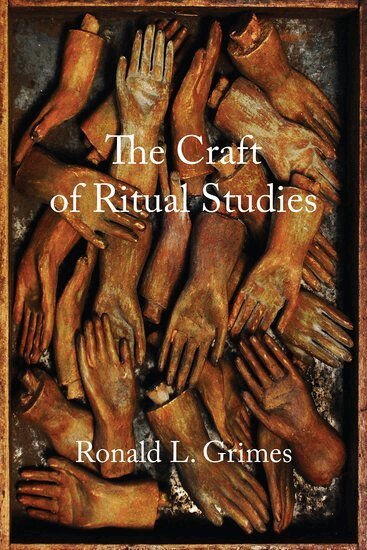
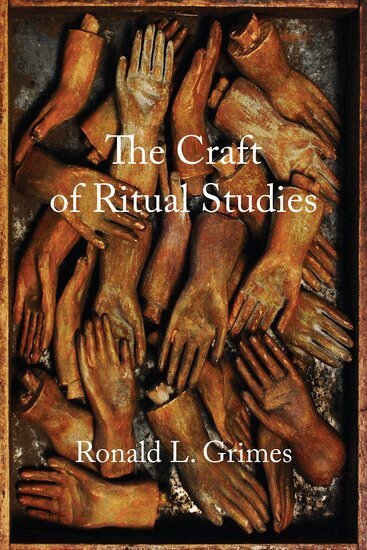
In religious studies, theory and method research has long been embroiled in a polarized debate over scientific versus theological perspectives. Ronald L. Grimes shows that this debate has stagnated, due in part to a manner of theorizing too far removed from the study of actual religious practices. A worthwhile theory, according to Grimes, must be practice-oriented, and practices are most effectively studied by field research methods. The Craft of Ritual Studies melds together a systematic theory and method capable of underwriting the cross-cultural, interdisciplinary study of ritual enactments. Grimes first exposes the limitations that disable many theories of ritual--for example, defining ritual as essentially religious, assuming that ritual's only function is to generate group solidarity, or treating ritual as a mirror of the status quo. He proposes strategies and offers guidelines for conducting field research on the public performance of rites, providing a guide for fieldwork on complex ritual enactments, particularly those characterized by social conflict or cultural creativity. The volume also provides a section on case study, focusing on a single complex event: the Santa Fe Fiesta, a New Mexico celebration marked by protracted ethnic conflict and ongoing dramatic creativity. Grimes explains how rites interact creatively and critically with their social surroundings, developing such themes as the relation of ritual to media, theater, and film, the dynamics of ritual creativity, the negotiation of ritual criticism, and the impact of ritual on cultural and physical environments. This important and influential book will be the capstone work of Grimes's three decades of leadership in the field of ritual studies. It is accompanied by twenty online appendices illustrating key aspects of ritual study.
433 kr
Skickas inom 5-8 vardagar
In religious studies, theory and method research has long been embroiled in a polarized debate over scientific versus theological perspectives. Ronald L. Grimes shows that this debate has stagnated, due in part to a manner of theorizing too far removed from the study of actual religious practices. A worthwhile theory, according to Grimes, must be practice-oriented, and practices are most effectively studied by field research methods. The Craft of Ritual Studies melds together a systematic theory and method capable of underwriting the cross-cultural, interdisciplinary study of ritual enactments. Grimes first exposes the limitations that disable many theories of ritual--for example, defining ritual as essentially religious, assuming that ritual's only function is to generate group solidarity, or treating ritual as a mirror of the status quo. He proposes strategies and offers guidelines for conducting field research on the public performance of rites, providing a guide for fieldwork on complex ritual enactments, particularly those characterized by social conflict or cultural creativity. The volume also provides a section on case study, focusing on a single complex event: the Santa Fe Fiesta, a New Mexico celebration marked by protracted ethnic conflict and ongoing dramatic creativity. Grimes explains how rites interact creatively and critically with their social surroundings, developing such themes as the relation of ritual to media, theater, and film, the dynamics of ritual creativity, the negotiation of ritual criticism, and the impact of ritual on cultural and physical environments. This important and influential book will be the capstone work of Grimes's three decades of leadership in the field of ritual studies. It is accompanied by twenty online appendices illustrating key aspects of ritual study.
1 130 kr
Skickas inom 5-8 vardagar
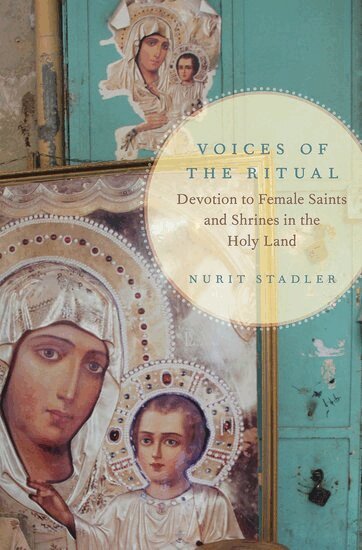
Voices of the Ritual analyzes the revival of rituals performed at female saint shrines in the Middle East. In the midst of turbulent political contention over land and borders, Nurit Stadler shows, religious minorities lay claim to space through rituals enacted at sacred spaces in the Holy Land. Using ethnographic analysis, Stadler explores the rise of these rituals, their focus on the body, female materiality, and their place in the Israeli-Palestinian landscape. Stadler examines the varied features of the practice and implications of the rituals, looking at themes of femininity and material experience. She considers the role of the body in rituals that represent the act of birth or the circle of life and that aim to foster an intimate connection between the female saint and her worshippers. Stadler underscores the political, cultural, and spatial elements of this practice, bringing attention to how religious minorities (Jews, Christians, Muslims, and Druze, among others) have utilized these rituals to assert their right to the land. Voices of the Ritual offers a valuable assessment of religious ritual practice that encrypts female themes into a landscape that has historically been defined by war and conflict.
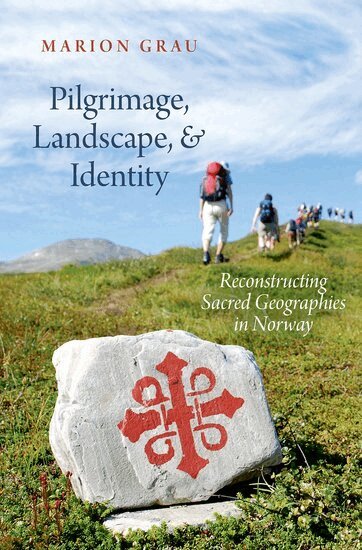
Pilgrimage, Landscape, and Identity
Reconstucting Sacred Geographies in Norway
Inbunden, Engelska, 2021
1 010 kr
Skickas inom 5-8 vardagar
Pilgrimage, Landscape, and Identity: Reconstructing Sacred Geographies in Norway explores the ritual geography of a pilgrimage system that arose around medieval saints in Norway, a country now being transformed by petroleum riches, neoliberalism, migration and global warming. What it means to be Norwegian and Christian in this changing context is constantly being renegotiated. The contemporary revival of pilgrimage to the burial site of St. Olav at Nidaros Cathedral in Trondheim is one site where this negotiation takes place. St. Olav played a major role in the unification of regions of Norway into a nation united by Christian law and faith, though most contemporary pilgrims have only a passing interest in the historical background of the pilgrimage. The pilgrimage network comprises a wide variety of participants: individuals, casual groups, guided group pilgrimages, activist pilgrims raising awareness for causes such as climate change and hospice services, as well as increasing numbers of local and foreign pilgrims of various ages, government officials, pilgrimage activists, and pilgrimage priests supplied by the Church of Norway (Lutheran). Part of the study focuses on the Olavsfest, a cultural and music festival that engages the heritage of St. Olav and the Church of Norway through theater, music, lectures, and discussions, and theological and interreligious conversations. This festival offers an opportunity for creative and critical engagement with a difficult historical figure and his contested, violent heritage and constitutes one of the ways in which this pilgrimage network represents a critical Protestant tradition engaging a legacy through ritual creativity. This study maps how pilgrims, hosts, church officials, and government officials participate in reshaping narratives of landscape, sacrality, and pilgrimage as a symbol of life journey, nation, identity, Christianity, and Protestant reflections on the durability of medieval Catholic saints.
1 105 kr
Skickas inom 7-10 vardagar
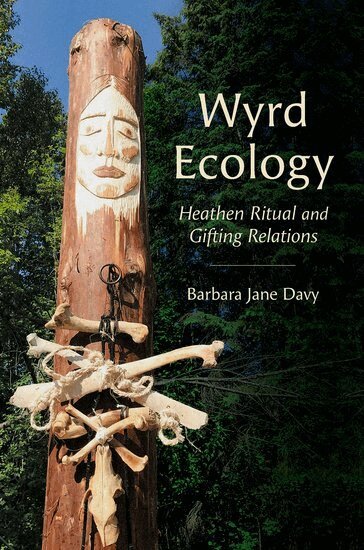
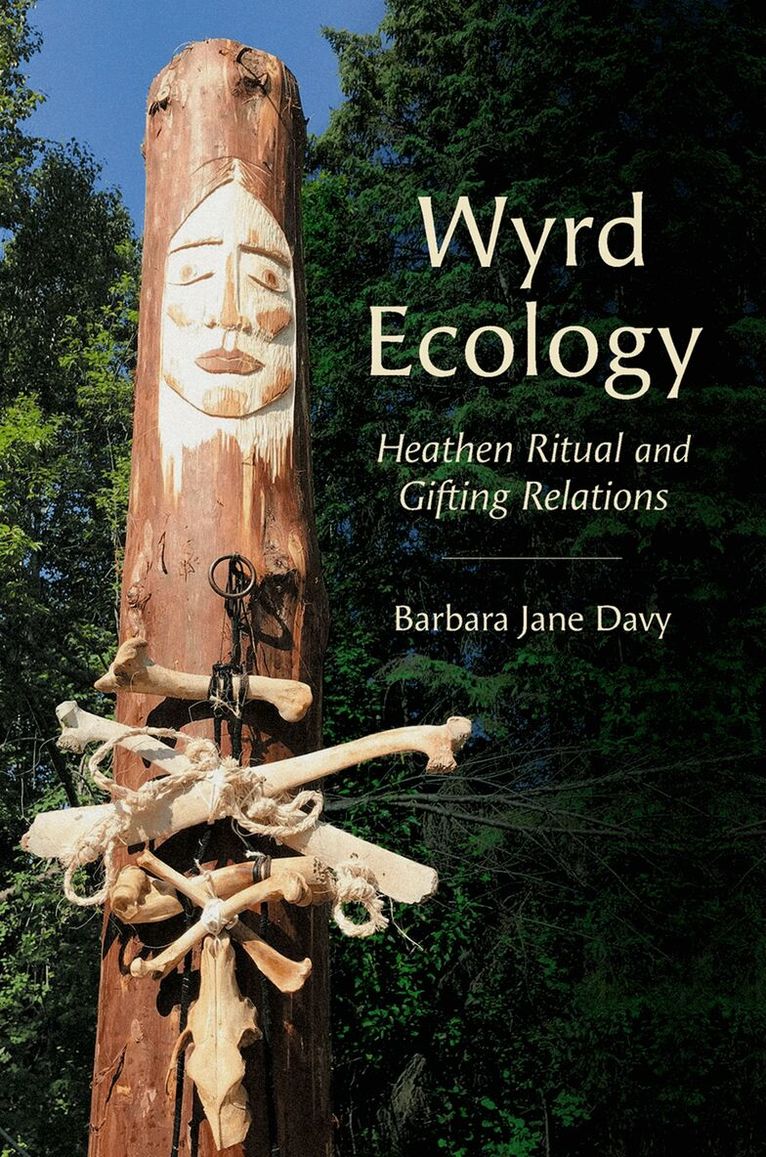
Within contemporary Heathen communities, the Old English term "wyrd" is used to refer to the web of relations that connect all threads of existence. Inspired by pre-Christian traditions of Northern Europe, Heathens give gifts, toasts, and offerings to foster a sense of connection with other humans and the more-than-human world. In Wyrd Ecology, author Barbara Jane Davy posits that these ritual activities are not merely isolated exchanges but rather a means of sustaining entire relational systems, in turn inspiring givers and receivers to participate out of a desire for meaningful connection.Davy utilizes research from two years of participant observation in a Heathen community in Ontario, Canada to show how ritual activities deepen practitioners' sense of appreciation for what they have already received and instil a desire to give back. Davy illustrates how making offerings and giving gifts is important not only because of what people might believe about the gods, but because it gives people a sense of relatedness with their world. Ritual practices may thus play a critical role in instilling an ecological conscience and can encourage ethical relations and pro-environmental behavior.
319 kr
Skickas inom 5-8 vardagar
Within contemporary Heathen communities, the Old English term "wyrd" is used to refer to the web of relations that connect all threads of existence. Inspired by pre-Christian traditions of Northern Europe, Heathens give gifts, toasts, and offerings to foster a sense of connection with other humans and the more-than-human world. In Wyrd Ecology, author Barbara Jane Davy posits that these ritual activities are not merely isolated exchanges but rather a means of sustaining entire relational systems, in turn inspiring givers and receivers to participate out of a desire for meaningful connection.Davy utilizes research from two years of participant observation in a Heathen community in Ontario, Canada to show how ritual activities deepen practitioners' sense of appreciation for what they have already received and instil a desire to give back. Davy illustrates how making offerings and giving gifts is important not only because of what people might believe about the gods, but because it gives people a sense of relatedness with their world. Ritual practices may thus play a critical role in instilling an ecological conscience and can encourage ethical relations and pro-environmental behavior.
1 801 kr
Skickas inom 5-8 vardagar
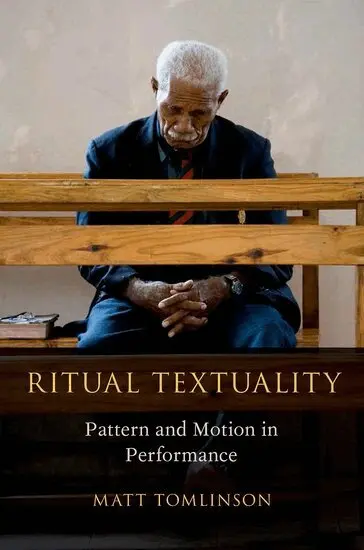
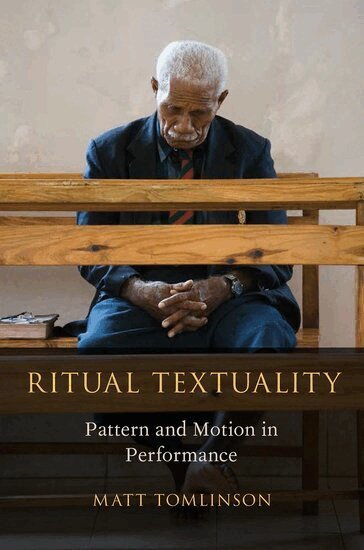
A classic question in studies of ritual is how ritual performances achieve-or fail to achieve-their effects. In this pathbreaking book, Matt Tomlinson argues that participants condition their own expectations of ritual success by interactively creating distinct textual patterns of sequence, conjunction, contrast, and substitution. Drawing on long-term research in Fiji, the book presents in-depth studies of each of these patterns, taken from a wide range of settings: a fiery, soul-saving Pentecostal crusade; relaxed gatherings at which people drink the narcotic beverage kava; deathbeds at which missionaries eagerly await the signs of good Christians' "happy deaths"; and the monologic pronouncements of a military-led government determined to make the nation speak in a single voice. In each of these cases, Tomlinson also examines the broad ideologies of motion which frame participants' ritual actions, such as Pentecostals' beliefs that effective worship requires ecstatic movement like jumping, dancing, and clapping, and nineteenth-century missionaries' insistence that the journeys of the soul in the afterlife should follow a new path. By approaching ritual as an act of "entextualization"-in which the flow of discourse is turned into object-like texts-while analyzing the ways people expect words, things, and selves to move in performance, this book presents a new and compelling way to understand the efficacy of ritual action.
549 kr
Skickas inom 5-8 vardagar
A classic question in studies of ritual is how ritual performances achieve-or fail to achieve-their effects. In this pathbreaking book, Matt Tomlinson argues that participants condition their own expectations of ritual success by interactively creating distinct textual patterns of sequence, conjunction, contrast, and substitution. Drawing on long-term research in Fiji, the book presents in-depth studies of each of these patterns, taken from a wide range of settings: a fiery, soul-saving Pentecostal crusade; relaxed gatherings at which people drink the narcotic beverage kava; deathbeds at which missionaries eagerly await the signs of good Christians' "happy deaths"; and the monologic pronouncements of a military-led government determined to make the nation speak in a single voice. In each of these cases, Tomlinson also examines the broad ideologies of motion which frame participants' ritual actions, such as Pentecostals' beliefs that effective worship requires ecstatic movement like jumping, dancing, and clapping, and nineteenth-century missionaries' insistence that the journeys of the soul in the afterlife should follow a new path. By approaching ritual as an act of "entextualization"-in which the flow of discourse is turned into object-like texts-while analyzing the ways people expect words, things, and selves to move in performance, this book presents a new and compelling way to understand the efficacy of ritual action.
1 801 kr
Skickas inom 5-8 vardagar
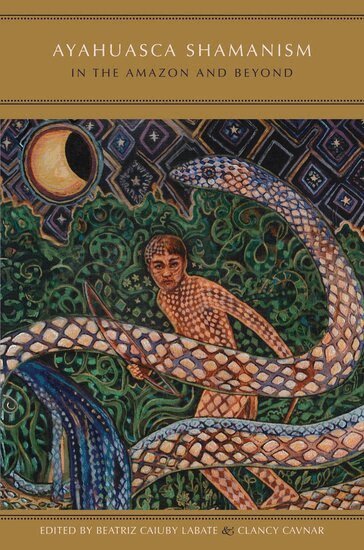
Beatriz Caiuby Labate and Clancy Cavnar offer an in-depth exploration of how Amerindian epistemology and ontology concerning indigenous shamanic rituals of the Amazon have spread to Western societies, and of how indigenous, mestizo, and cosmopolitan cultures have engaged with and transformed these forest traditions. The volume focuses on the use of ayahuasca, a psychoactive drink essential in many indigenous shamanic rituals of the Amazon. Ayahuasca use has spread far beyond its Amazonian origin, spurring a variety of legal and cultural responses in the countries to which it has spread. The essays in this volume look at how these responses have influenced ritual design and performance in traditional and non-traditional contexts, how displaced indigenous people and rubber tappers are engaged in the creative reinvention of rituals, and how these rituals help build ethnic alliances and cultural and political strategies for their marginalized position. Some essays explore important classic and contemporary issues in anthropology, including the relationship between the expansion of ecotourism and ethnic tourism and recent indigenous cultural revival and the emergence of new ethnic identities. The volume also examines trends in the commodification of indigenous cultures in post-colonial contexts, and the combination of shamanism with a network of health and spiritually related services. Finally, Ayahuasca Shamanism in the Amazon and Beyond addresses the topic of identity hybridization in global societies. The rich ethnographies and extensive analysis of these essays will allow deeper understanding of the role of ritual in mediating the encounter between indigenous traditions and modern societies.
487 kr
Skickas inom 5-8 vardagar
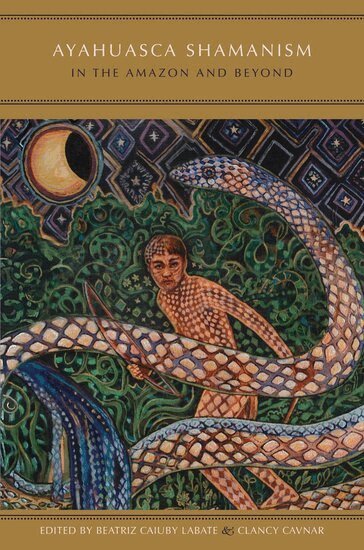
Beatriz Caiuby Labate and Clancy Cavnar offer an in-depth exploration of how Amerindian epistemology and ontology concerning indigenous shamanic rituals of the Amazon have spread to Western societies, and of how indigenous, mestizo, and cosmopolitan cultures have engaged with and transformed these forest traditions. The volume focuses on the use of ayahuasca, a psychoactive drink essential in many indigenous shamanic rituals of the Amazon. Ayahuasca use has spread far beyond its Amazonian origin, spurring a variety of legal and cultural responses in the countries to which it has spread. The essays in this volume look at how these responses have influenced ritual design and performance in traditional and non-traditional contexts, how displaced indigenous people and rubber tappers are engaged in the creative reinvention of rituals, and how these rituals help build ethnic alliances and cultural and political strategies for their marginalized position. Some essays explore important classic and contemporary issues in anthropology, including the relationship between the expansion of ecotourism and ethnic tourism and recent indigenous cultural revival and the emergence of new ethnic identities. The volume also examines trends in the commodification of indigenous cultures in post-colonial contexts, the combination of shamanism with a network of health and spiritually related services, and identity hybridization in global societies. The rich ethnographies and extensive analysis of these essays will allow deeper understanding of the role of ritual in mediating the encounter between indigenous traditions and modern societies.