Oxford Studies in Postcolonial Literatures - Böcker
Visar alla böcker i serien Oxford Studies in Postcolonial Literatures. Handla med fri frakt och snabb leverans.
14 produkter
14 produkter
512 kr
Skickas inom 7-10 vardagar
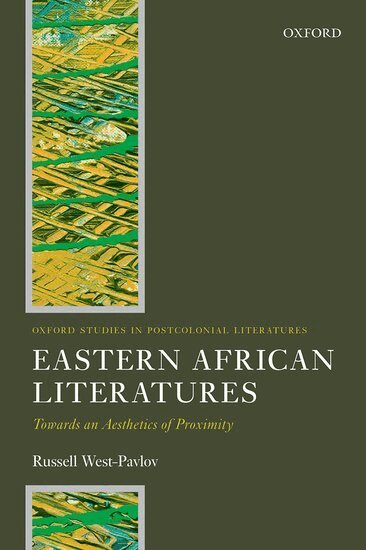
The Oxford Studies in Postcolonial Literatures series offers stimulating and accessible introductions to definitive topics and key genres and regions within the rapidly diversifying field of postcolonial literary studies in English.This volume offers an overview of contemporary Eastern African writing in English since the mid-twentieth century. It takes a fresh look at what has been an under-represented regional literary tradition within what continues to be an under-represented continental literary tradition. In particular, it broadens the scope of such an overview, complementing the extant monographs on well-known Eastern African writers such as Ngũgĩ to include a host of more recent, less-publicized novelists, dramatists, and poets. It extends the geographical range of existing studies from the familiar triad of Kenyan, Ugandan, and Tanzanian traditions of writing in English, to include the lesser-known Somali, Ethiopian, or Sudanese, or Mauritian or Madagascan traditions. Rather than simply addressing national traditions or broad thematic bundles, the volume treats works as literatures of a region: that is, as literatures of place and space. Eastern African Literatures stresses the formative role of space, place and geography in fashioning the fabric of social interaction, whether individual or collective, in generating history, in moulding identities, and as a consequence in defining the shape of the future. The 'spatial' perspectives allow the 'proximate' rather than the 'distant' influence of literary art to come into view. Proximate modes of literary communication, arising out of residual but vibrant traditions of oral communication, blend with contemporary media to produce hybrid genres of proximity specific to Eastern African literary production. In this way, the book also makes a contribution to the ongoing theorization of literary and cultural innovation in the cultures of the Global South.
1 139 kr
Skickas inom 5-8 vardagar
The Oxford Studies in Postcolonial Literatures series offers stimulating and accessible introductions to definitive topics and key genres and regions within the rapidly diversifying field of postcolonial literary studies in English.This volume offers an overview of contemporary Eastern African writing in English since the mid-twentieth century. It takes a fresh look at what has been an under-represented regional literary tradition within what continues to be an under-represented continental literary tradition. In particular, it broadens the scope of such an overview, complementing the extant monographs on well-known Eastern African writers such as Ngũgĩ to include a host of more recent, less-publicized novelists, dramatists, and poets. It extends the geographical range of existing studies from the familiar triad of Kenyan, Ugandan, and Tanzanian traditions of writing in English, to include the lesser-known Somali, Ethiopian, or Sudanese, or Mauritian or Madagascan traditions. Rather than simply addressing national traditions or broad thematic bundles, the volume treats works as literatures of a region: that is, as literatures of place and space. Eastern African Literatures stresses the formative role of space, place and geography in fashioning the fabric of social interaction, whether individual or collective, in generating history, in moulding identities, and as a consequence in defining the shape of the future. The 'spatial' perspectives allow the 'proximate' rather than the 'distant' influence of literary art to come into view. Proximate modes of literary communication, arising out of residual but vibrant traditions of oral communication, blend with contemporary media to produce hybrid genres of proximity specific to Eastern African literary production. In this way, the book also makes a contribution to the ongoing theorization of literary and cultural innovation in the cultures of the Global South.
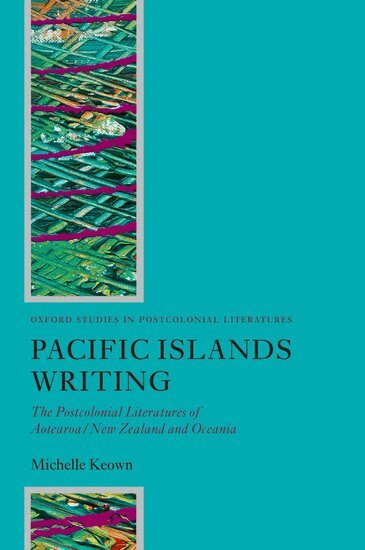
Pacific Islands Writing
The Postcolonial Literatures of Aotearoa/New Zealand and Oceania
Inbunden, Engelska, 2007
801 kr
Skickas inom 7-10 vardagar
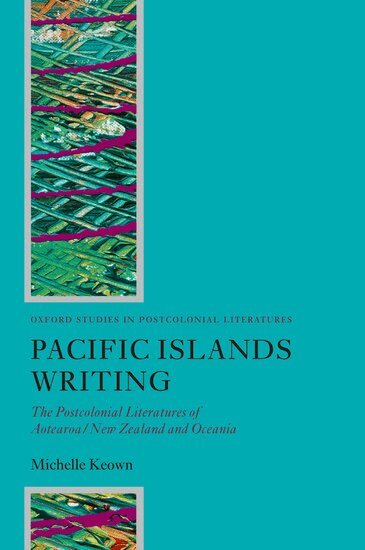
The Oxford Studies in Postcolonial Literatures series offers stimulating and accessible introductions to definitive topics and key genres and regions within the rapidly diversifying field of postcolonial literary studies in English. The first book of its kind, Pacific Islands Writing offers a broad-ranging introduction to the postcolonial literatures of the Pacific region. Drawing upon metaphors of oceanic voyaging, Michelle Keown takes the reader on a discursive journey through a variety of literary and cultural contexts in the Pacific, exploring the Indigenous literatures of Polynesia, Melanesia, and Micronesia, and also investigating a range of European or Western writing about the Pacific, from the adventure fictions of Herman Melville, R. L. Stevenson, and Jack London to the Päkehä (European) settler literatures of Aotearoa/New Zealand. The book explores the relevance of 'international' postcolonial theoretical paradigms to a reading of Pacific literatures, but it also offers a region-specific analysis of key authors and texts, drawing upon Indigenous Pacific literary theories, and sketching in some of the key socio-historical trajectories that have inflected Pacific writing. Well-established Indigenous Pacific authors such as Albert Wendt, Witi Ihimaera, Alan Duff, and Patricia Grace are considered alongside emerging writers such as Sia Figiel, Caroline Sinavaiana-Gabbard, and Dan Taulapapa McMullin. The book focuses primarily upon Pacific literature in English - the language used by the majority of Pacific writers - but also breaks new ground in examining the growing corpus of francophone and hispanophone writing in French Polynesia, New Caledonia, and Easter Island/Rapa Nui.
1 237 kr
Skickas inom 7-10 vardagar
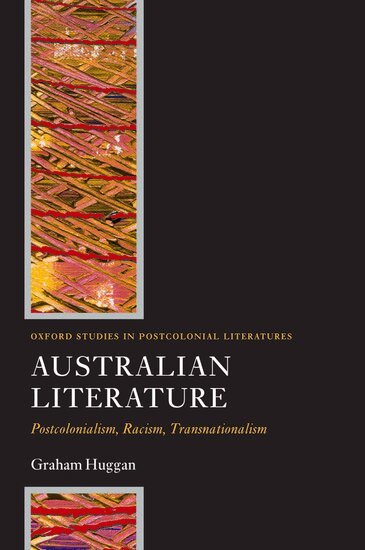
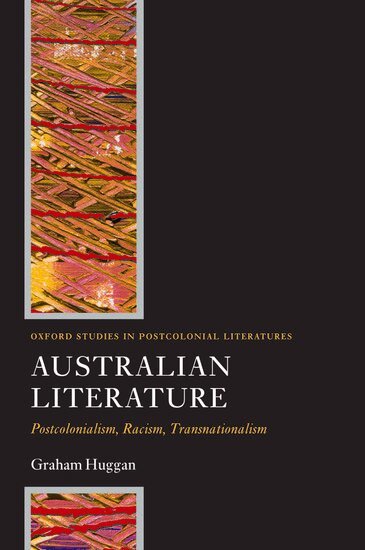
The Oxford Studies in Postcolonial Literatures series offers stimulating and accessible introductions to definitive topics and key genres and regions within the rapidly diversifying field of postcolonial literary studies in English.In a provocative contribution to the series, Graham Huggan presents fresh readings of an outstanding, sometimes deeply unsettling national literature whose writers and readers just as unmistakably belong to the wider world. Australian literature is not the unique province of Australian readers and critics; nor is its exclusive task to provide an internal commentary on changing national concerns. Huggan's book adopts a transnational approach, motivated by postcolonial interests, in which contemporary ideas taken from postcolonial criticism and critical race theory are productively combined and imaginatively transformed. Rejecting the fashionable view that Australia is not, and never will be, postcolonial, Huggan argues on the contrary that Australian literature, like other settler literatures, requires close attention to postcolonial methods and concerns. A postcolonial approach to Australian literature, he suggests, is more than just a case for a more inclusive nationalism; it also involves a general acknowledgement of the nation's changed relationship to an increasingly globalized world. As such, the book helps to deprovincialize Australian literary studies.Australian Literature also contributes to debates about the continuing history of racism in Australia-a history in which the nation's literature has played a constitutive role, as both product and producer of racial tensions and anxieties, nowhere more visible than in the discourse it has produced about race, both within and beyond the national context.
698 kr
Skickas inom 5-8 vardagar
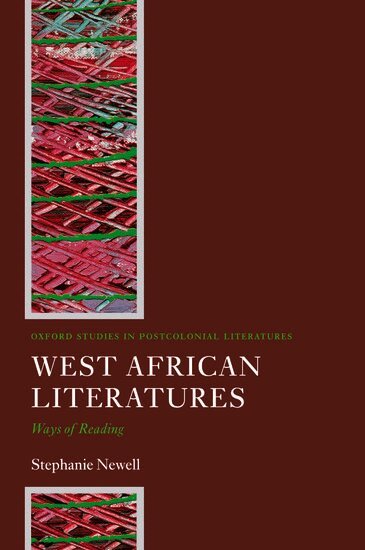
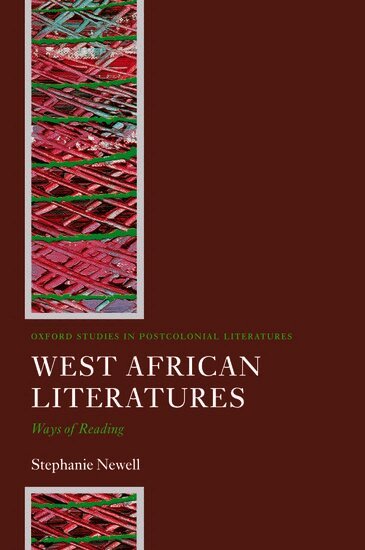
The Oxford Studies in Postcolonial Literatures series (general editor: Elleke Boehmer) offers stimulating and accessible introductions to definitive topics and key genres and regions within the rapidly diversifying field of postcolonial literary studies in English.This study of West African literatures interweaves the analysis of fiction, drama, and poetry with an exploration of the broader political, cultural, and intellectual contexts within which West African writers work. Anglophone literatures form the central focus of the book, with comparative comments on vernacular literature, francophone writing and oral literatures, and detailed discussion of selected francophone texts in translation (e.g., Senghor, Tadjo, Beyala, Bâ, Sembene). Moving from a discussion of nationalist and anti-colonial writing in the period before independence, towards the more experimental writings of contemporary authors such as Véronique Tadjo (Ivory Coast), Syl Cheney-Coker (Sierra Leone), and Kojo Laing (Ghana), the book constantly relates texts to the social and political history of West Africa. Canonical, internationally well-known writers such as Chinua Achebe and Wole Soyinka are positioned in relation to the literary cultures and debates which surrounded them when they first produced their seminal texts; the discussions and disagreements which have grown up around their work in subsequent decades are also considered. The work of new and lesser-known writers is also considered, including Niyi Osundare (Nigeria) and Kofi Anyidoho (Ghana). In order to convey a sense of the rich and complex societies that are clustered beneath the umbrella-term 'postcolonial', emphasis is placed on West Africa's diverse oral and popular cultures, and the ways in which local intellectuals and readers have responded to the most prominent authors through the aesthetic frameworks generated by these forms.
557 kr
Skickas inom 7-10 vardagar
The Oxford Studies in Postcolonial Literatures series offers stimulating and accessible introductions to definitive topics and key genres and regions within the rapidly diversifying field of postcolonial literary studies in English.In a provocative contribution to the series, Graham Huggan presents fresh readings of an outstanding, sometimes deeply unsettling national literature whose writers and readers just as unmistakably belong to the wider world. Australian literature is not the unique province of Australian readers and critics; nor is its exclusive task to provide an internal commentary on changing national concerns. Huggan's book adopts a transnational approach, motivated by postcolonial interests, in which contemporary ideas taken from postcolonial criticism and critical race theory are productively combined and imaginatively transformed. Rejecting the fashionable view that Australia is not, and never will be, postcolonial, Huggan argues on the contrary that Australian literature, like other settler literatures, requires close attention to postcolonial methods and concerns. A postcolonial approach to Australian literature, he suggests, is more than just a case for a more inclusive nationalism; it also involves a general acknowledgement of the nation's changed relationship to an increasingly globalized world. As such, the book helps to deprovincialize Australian literary studies.Australian Literature also contributes to debates about the continuing history of racism in Australia-a history in which the nation's literature has played a constitutive role, as both product and producer of racial tensions and anxieties, nowhere more visible than in the discourse it has produced about race, both within and beyond the national context.
954 kr
Skickas
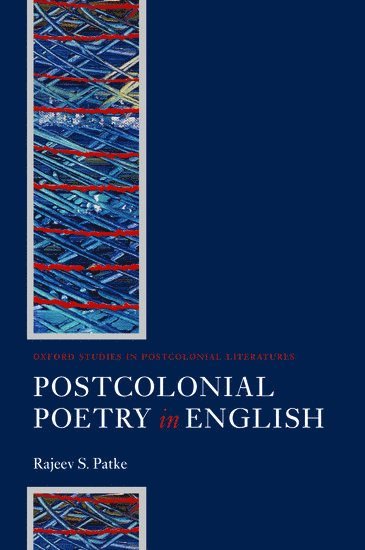
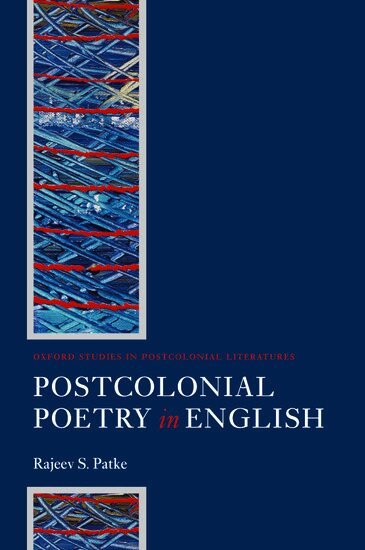
The Oxford Studies in Postcolonial Literatures series (general editor: Elleke Boehmer) offers stimulating and accessible introductions to definitive topics and key genres and regions within the rapidly diversifying field of postcolonial literary studies in English.Postcolonial Poetry in English provides a comprehensive introduction to the development of English poetry in all the regions that were once part of the British Empire. The idea of postcolonial poetry is held together by three factors: the global community constituted by English; the creative possibilities accessible through English; and patterns of literary development common to regions with a history of recent decolonization. In showing how diverse poetic traditions in English evolved from dependency to varying degrees of cultural self-confidence, the book answers two broad questions: how is postcolonial studies relevant to the interpretation of poetry, and how does poetry contribute to our idea of postcolonial writing?The book is divided into three parts: the first works out a method of analysis based on recent publications of outstanding interest; the second narrates the development of poetic traditions in Asia, Africa, and the Caribbean, and the settler colonies of Canada, South Africa, Australia, and New Zealand; the third analyses key motifs, such as the struggle for minority self-representation; the cultural politics of gender, modernism, and postmodernity; and the experience of migration and self-exile in contemporary Anglophone societies. Postcolonial Poetry in English provides a succinct and wide-ranging introduction to some of the most exciting poetic writing of the twentieth century. It is ideally suited for readers interested in world writing in English, contemporary literature, postcolonial writing, cultural studies, and postmodern culture.
Pacific Islands Writing
The Postcolonial Literatures of Aotearoa/New Zealand and Oceania
Häftad, Engelska, 2007
558 kr
Skickas inom 5-8 vardagar
The Oxford Studies in Postcolonial Literatures series offers stimulating and accessible introductions to definitive topics and key genres and regions within the rapidly diversifying field of postcolonial literary studies in English.The first book of its kind, Pacific Islands Writing offers a broad-ranging introduction to the postcolonial literatures of the Pacific region. Drawing upon metaphors of oceanic voyaging, Michelle Keown takes the reader on a discursive journey through a variety of literary and cultural contexts in the Pacific, exploring the Indigenous literatures of Polynesia, Melanesia, and Micronesia, and also investigating a range of European or Western writing about the Pacific, from the adventure fictions of Herman Melville, R. L. Stevenson, and Jack London to the Päkehä (European) settler literatures of Aotearoa/New Zealand. The book explores the relevance of 'international' postcolonial theoretical paradigms to a reading of Pacific literatures, but it also offers a region-specific analysis of key authors and texts, drawing upon indigenous Pacific literary theories, and sketching in some of the key socio-historical trajectories that have inflected Pacific writing. Well-established Indigenous Pacific authors such as Albert Wendt, Witi Ihimaera, Alan Duff, and Patricia Grace are considered alongside emerging writers such as Sia Figiel, Caroline Sinavaiana-Gabbard, and Dan Taulapapa McMullin. The book focuses primarily upon Pacific literature in English - the language used by the majority of Pacific writers - but also breaks new ground in examining the growing corpus of francophone and hispanophone writing in French Polynesia, New Caledonia, and Easter Island/Rapa Nui.
738 kr
Skickas inom 7-10 vardagar
West African Literatures provides students with fresh, in-depth perspectives on the key debates in the field. The aim of this book is not to provide an authoritative, encyclopedic account, but to consider a selection of the region's literatures in relation to prevailing discussions about literature and postcolonialism.
286 kr
Skickas inom 7-10 vardagar
The Oxford Studies in Postcolonial Literatures series (general editor: Elleke Boehmer) offers stimulating and accessible introductions to definitive topics and key genres and regions within the rapidly diversifying field of postcolonial literary studies in English. Postcolonial Poetry in English provides a comprehensive introduction to the development of English poetry in all the regions that were once part of the British Empire. The idea of postcolonial poetry is held together by three factors: the global community constituted by English; the creative possibilities accessible through English; and patterns of literary development common to regions with a history of recent decolonization. In showing how diverse poetic traditions in English evolved from dependency to varying degrees of cultural self-confidence, the book answers two broad questions: how is postcolonial studies relevant to the interpretation of poetry, and how does poetry contribute to our idea of postcolonial writing?The book is divided into three parts: the first works out a method of analysis based on recent publications of outstanding interest; the second narrates the development of poetic traditions in Asia, Africa, and the Caribbean, and the settler colonies of Canada, South Africa, Australia, and New Zealand; the third analyses key motifs, such as the struggle for minority self-representation; the cultural politics of gender, modernism, and postmodernity; and the experience of migration and self-exile in contemporary Anglophone societies.Postcolonial Poetry in English provides a succinct and wide-ranging introduction to some of the most exciting poetic writing of the twentieth century. It is ideally suited for readers interested in world writing in English, contemporary literature, postcolonial writing, cultural studies, and postmodern culture.
587 kr
Skickas inom 7-10 vardagar
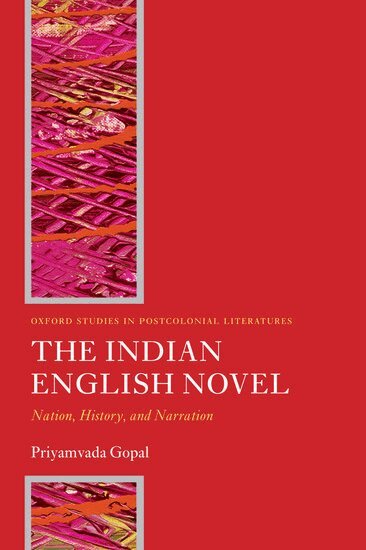
The Oxford Studies in Postcolonial Literatures series offers stimulating and accessible introductions to definitive topics and key genres and regions within the rapidly diversifying field of postcolonial literary studies in English.It is often claimed that unlike the British novel or the novel in indigenous Indian languages, Anglophone fiction in India has no genealogy of its own. Interrogating this received idea, Priyamvada Gopal shows how the English-language or Anglophone Indian novel is a heterogeneous body of fiction in which certain dominant trends and recurrent themes are, nevertheless, discernible. It is a genre that has been distinguished from its inception by a preoccupation with both history and nation as these come together to shape what scholars have termed 'the idea of India'. Structured around themes such as 'Gandhi and Fiction', 'The Bombay Novel', and 'The Novel of Partition', this study traces lines of influence across significant literary works and situates individual writers and texts in their historical context. Its emergence out of the colonial encounter and nation-formation has impelled the Anglophone novel to return repeatedly to the question: 'What is India?' In the most significant works of Anglophone fiction, 'India' emerges not just as a theme but as a point of debate, reflection, and contestation. Writers whose works are considered in their context include Rabindranath Tagore, Mulk Raj Anand, RK Narayan, Salman Rushdie, Nayantara Sahgal, Amitav Ghosh, Arundhati Roy, and Vikram Seth.
1 881 kr
Skickas inom 5-8 vardagar
The Oxford Studies in Postcolonial Literatures series offers stimulating and accessible introductions to definitive topics and key genres and regions within the rapidly diversifying field of postcolonial literary studies in English.It is often claimed that unlike the British novel or the novel in indigenous Indian languages, Anglophone fiction in India has no genealogy of its own. Interrogating this received idea, Priyamvada Gopal shows how the English-language or Anglophone Indian novel is a heterogeneous body of fiction in which certain dominant trends and recurrent themes are, nevertheless, discernible. It is a genre that has been distinguished from its inception by a preoccupation with both history and nation as these come together to shape what scholars have termed 'the idea of India'. Structured around themes such as 'Gandhi and Fiction', 'The Bombay Novel', and 'The Novel of Partition', this study traces lines of influence across significant literary works and situates individual writers and texts in their historical context. Its emergence out of the colonial encounter and nation-formation has impelled the Anglophone novel to return repeatedly to the question: 'What is India?' In the most significant works of Anglophone fiction, 'India' emerges not just as a theme but as a point of debate, reflection, and contestation. Writers whose works are considered in their context include Rabindranath Tagore, Mulk Raj Anand, RK Narayan, Salman Rushdie, Nayantara Sahgal, Amitav Ghosh, Arundhati Roy, and Vikram Seth.
519 kr
Skickas inom 7-10 vardagar
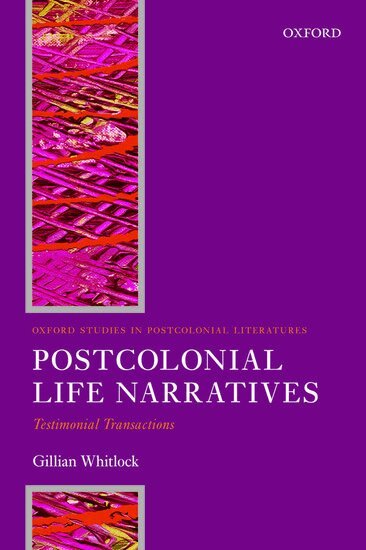
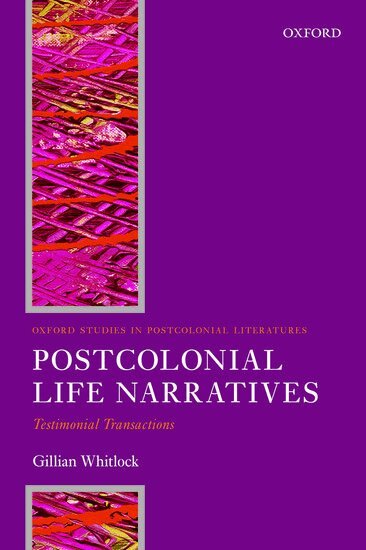
The Oxford Studies in Postcolonial Literatures series offers stimulating and accessible introductions to definitive topics and key genres and regions within the rapidly diversifying field of postcolonial literary studies in English.Postcolonial Life Narrative draws together two dynamic fields of contemporary literature and criticism, postcolonialism and life narrative, to create a new assemblage: postcolonial life narrative. Focusing in particular on testimonial narrative, from slave narrative in the late eighteenth century to contemporary Anglophone life narrative from Africa, Australia, the Caribbean, Palestine, North America, and India, this study follows texts on the move through adaptation, appropriation, and remediation. For postcolonial subjects life narrative offers extraordinary opportunities to present accounts of social injustice and oppression, of violence and social suffering. Testimonial narrative can reach across cultures to produce intimate attachments between those who testify and those who bear witness to legacies of apartheid, slavery, rape warfare, genocide, and dispossession. Thresholds of testimony are subject to change and for some, for example refugees and asylum seekers, opportunities to engage a witnessing public and inspire campaigns for social justice on their behalf are curtailed--these are the 'ends of testimony'. The production, circulation, and reception of testimonial life narrative connects directly to the most fundamental questions of who counts as human, what rights follow from this, and what makes for grievable life. Postcolonial life narrative is a dynamic field of literature and criticism, and this book presents a series of proximate readings that outline its distinctive imaginative geographies.
1 256 kr
Skickas inom 7-10 vardagar
The Oxford Studies in Postcolonial Literatures series offers stimulating and accessible introductions to definitive topics and key genres and regions within the rapidly diversifying field of postcolonial literary studies in English.Postcolonial Life Narrative draws together two dynamic fields of contemporary literature and criticism, postcolonialism and life narrative, to create a new assemblage: postcolonial life narrative. Focusing in particular on testimonial narrative, from slave narrative in the late eighteenth century to contemporary Anglophone life narrative from Africa, Australia, the Caribbean, Palestine, North America, and India, this study follows texts on the move through adaptation, appropriation, and remediation. For postcolonial subjects life narrative offers extraordinary opportunities to present accounts of social injustice and oppression, of violence and social suffering. Testimonial narrative can reach across cultures to produce intimate attachments between those who testify and those who bear witness to legacies of apartheid, slavery, rape warfare, genocide, and dispossession. Thresholds of testimony are subject to change and for some, for example refugees and asylum seekers, opportunities to engage a witnessing public and inspire campaigns for social justice on their behalf are curtailed--these are the 'ends of testimony'. The production, circulation, and reception of testimonial life narrative connects directly to the most fundamental questions of who counts as human, what rights follow from this, and what makes for grievable life. Postcolonial life narrative is a dynamic field of literature and criticism, and this book presents a series of proximate readings that outline its distinctive imaginative geographies.