Peabody Series in Media History – Serie
Visar alla böcker i serien Peabody Series in Media History. Handla med fri frakt och snabb leverans.
6 produkter
6 produkter
1 688 kr
Skickas inom 3-6 vardagar
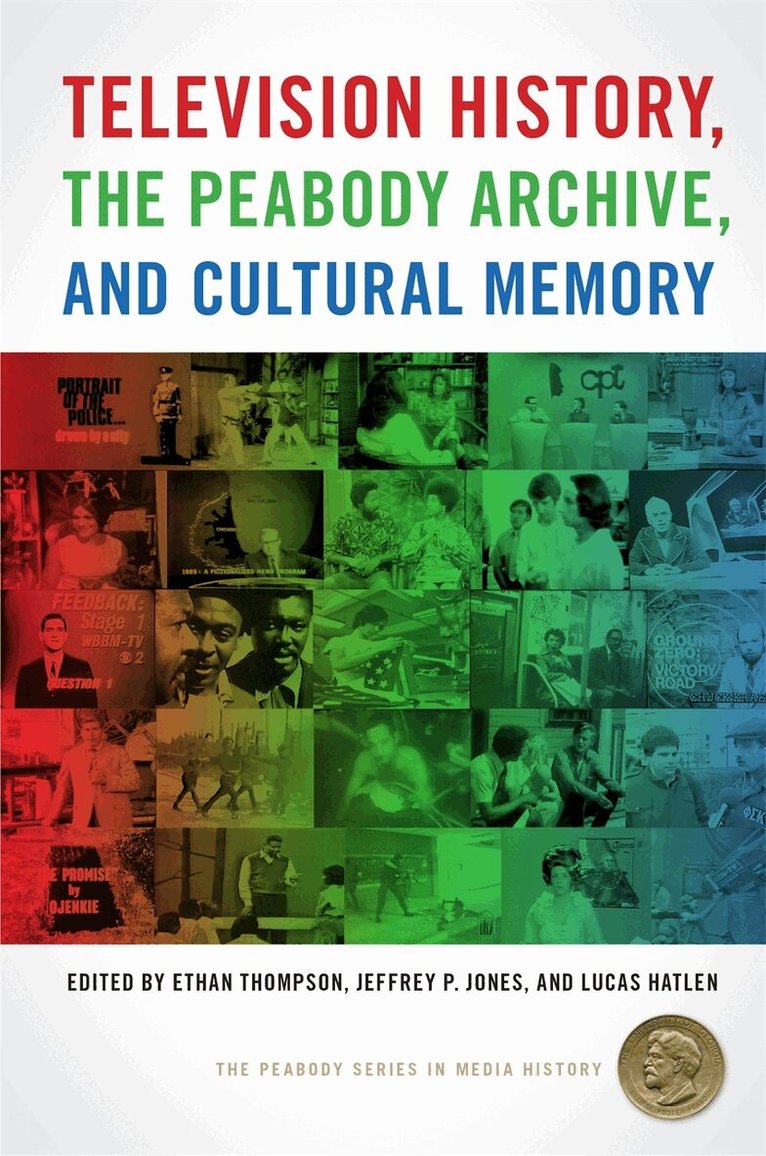
Television History, the Peabody Archive, and Cultural Memory is the first edited volume devoted to the Peabody Awards Collection, a unique repository of radio and TV programs submitted yearly since 1941 for consideration for the prestigious Peabody Awards. The essays in this volume explore the influence of the Peabody Awards Collection as an archive of the vital medium of TV, turning their attention to the wealth of programs considered for Peabody Awards that were not honored and thus have largely been forgotten and yet have the potential to reshape our understanding of American television history.Because the collection contains programming produced by stations across the nation, it is a distinctive repository of cultural memory; many of the programs found in it are not represented in the canon that dominates our understanding of American broadcast history. The contributions to this volume ask a range of important questions. What do we find if we look to the archive for what’s been forgotten? How does our understanding of gender, class, or racial representations shift? What different strategies did producers use to connect with audiences and construct communities that may be lost?This volume’s contributors examine intersections of citizenship and subjectivity in public-service programs, compare local and national coverage of particular individuals and social issues, and draw our attention to types of programming that have disappeared. Together they show how locally produced programs—from both commercial and public stations—have acted on behalf of their communities, challenging representations of culture, politics, and people.
523 kr
Skickas
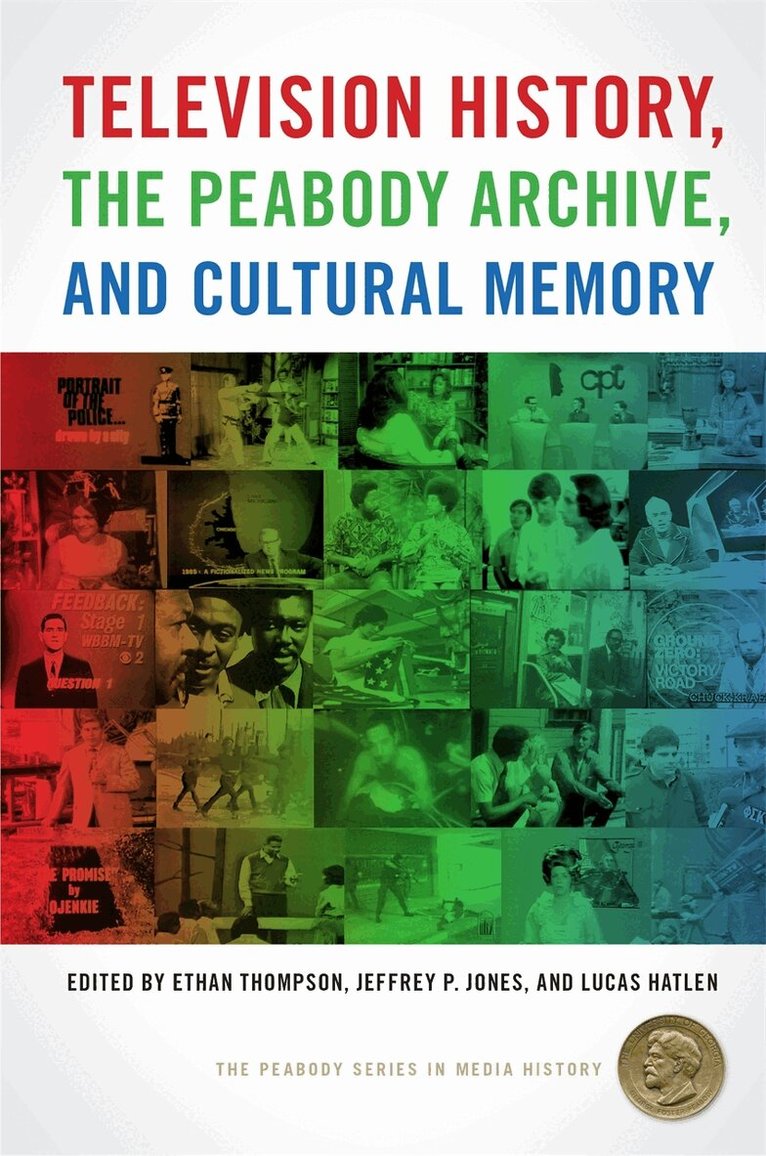
Television History, the Peabody Archive, and Cultural Memory is the first edited volume devoted to the Peabody Awards Collection, a unique repository of radio and TV programs submitted yearly since 1941 for consideration for the prestigious Peabody Awards. The essays in this volume explore the influence of the Peabody Awards Collection as an archive of the vital medium of TV, turning their attention to the wealth of programs considered for Peabody Awards that were not honored and thus have largely been forgotten and yet have the potential to reshape our understanding of American television history.Because the collection contains programming produced by stations across the nation, it is a distinctive repository of cultural memory; many of the programs found in it are not represented in the canon that dominates our understanding of American broadcast history. The contributions to this volume ask a range of important questions. What do we find if we look to the archive for what’s been forgotten? How does our understanding of gender, class, or racial representations shift? What different strategies did producers use to connect with audiences and construct communities that may be lost?This volume’s contributors examine intersections of citizenship and subjectivity in public-service programs, compare local and national coverage of particular individuals and social issues, and draw our attention to types of programming that have disappeared. Together they show how locally produced programs—from both commercial and public stations—have acted on behalf of their communities, challenging representations of culture, politics, and people.
1 648 kr
Skickas inom 5-8 vardagar
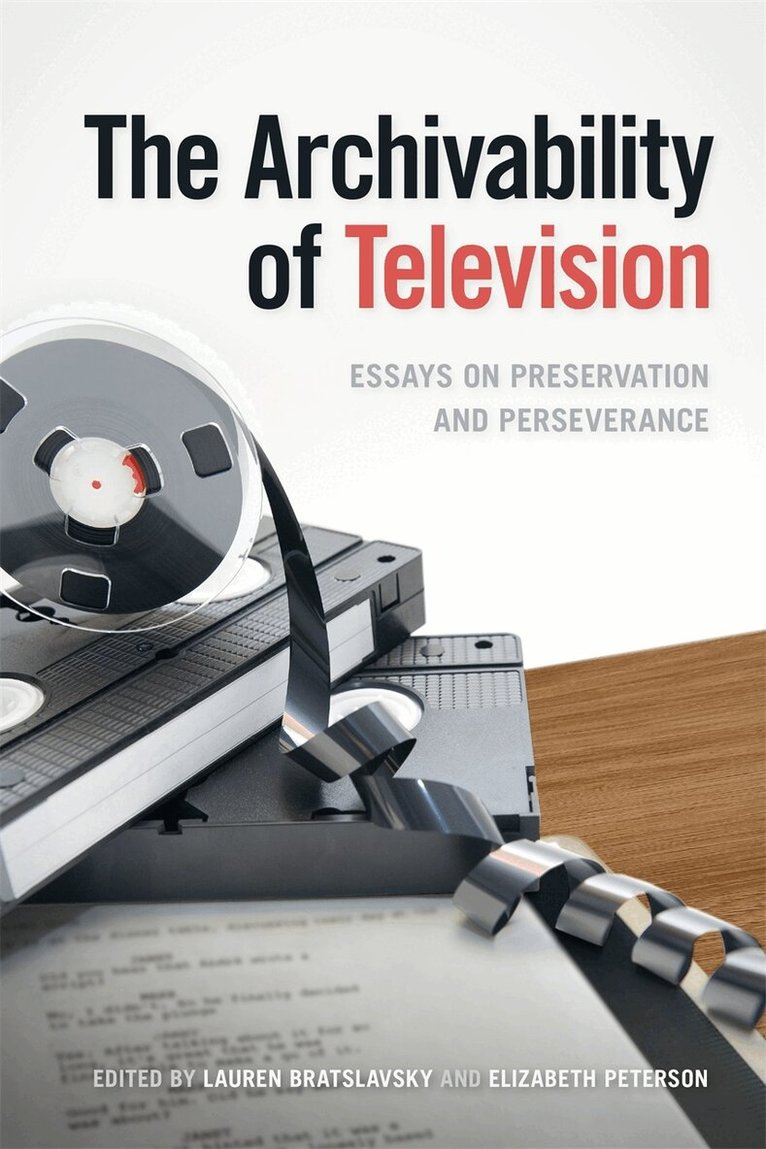
This anthology critically evaluates archives and archival processes that collect, order, and preserve elements of television as historically, culturally, socially, politically, and economically significant material. What do we know about how television moved from ephemeral broadcasts and mounds of paperwork documenting bureaucratic and creative processes to become historical material housed in archives? This book’s guiding principles are to interrogate where television as historical material “lives” and to collect the stories of some ways television preservation has been and continues to be deeply circumstantial and idiosyncratic. Bringing together work by academics, archivists, and practitioners, the book offers insights into the archival processes that confer television programs with historical value. With a focus on television’s archival spaces, the book contributes more broadly to theories, histories, and practices of archiving. Likewise, the theories and questions about archives provide insights into the specificities of the medium, the relations between technologies and culture, the political economy of the culture industries, and the minutiae of television’s “place” in American society.
336 kr
Skickas inom 5-8 vardagar
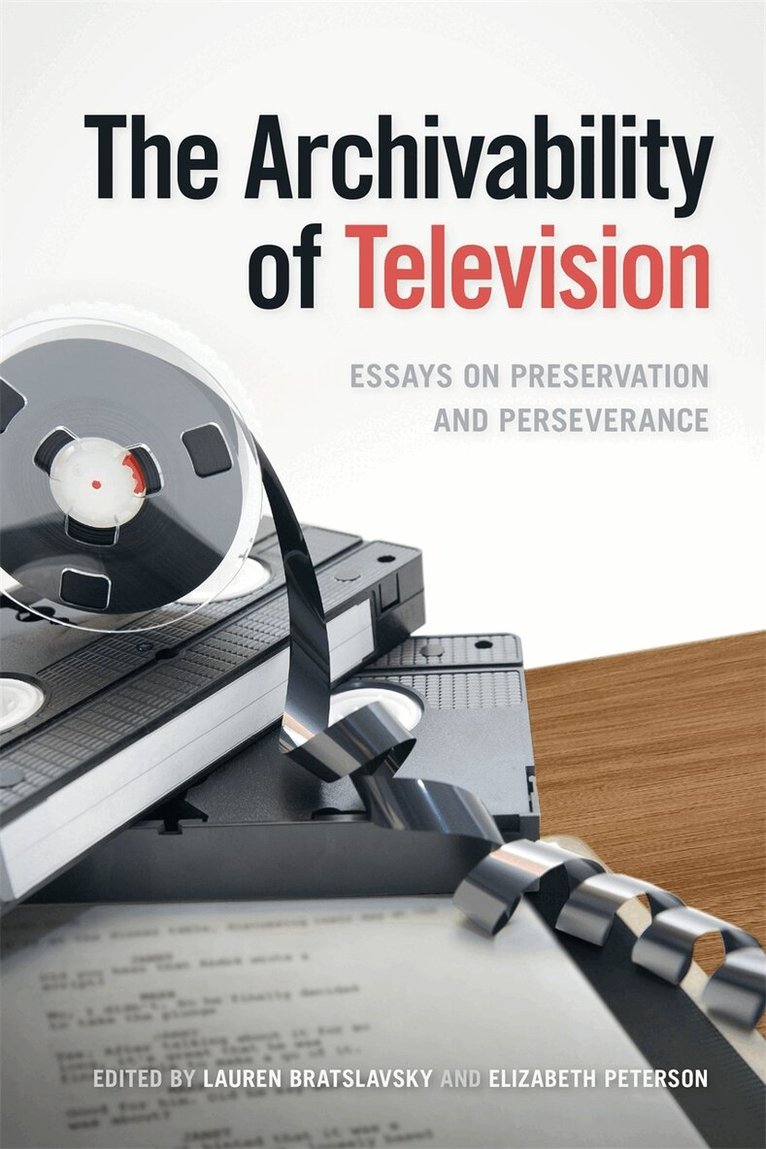
This anthology critically evaluates archives and archival processes that collect, order, and preserve elements of television as historically, culturally, socially, politically, and economically significant material. What do we know about how television moved from ephemeral broadcasts and mounds of paperwork documenting bureaucratic and creative processes to become historical material housed in archives? This book’s guiding principles are to interrogate where television as historical material “lives” and to collect the stories of some ways television preservation has been and continues to be deeply circumstantial and idiosyncratic. Bringing together work by academics, archivists, and practitioners, the book offers insights into the archival processes that confer television programs with historical value. With a focus on television’s archival spaces, the book contributes more broadly to theories, histories, and practices of archiving. Likewise, the theories and questions about archives provide insights into the specificities of the medium, the relations between technologies and culture, the political economy of the culture industries, and the minutiae of television’s “place” in American society.
1 662 kr
Skickas inom 5-8 vardagar
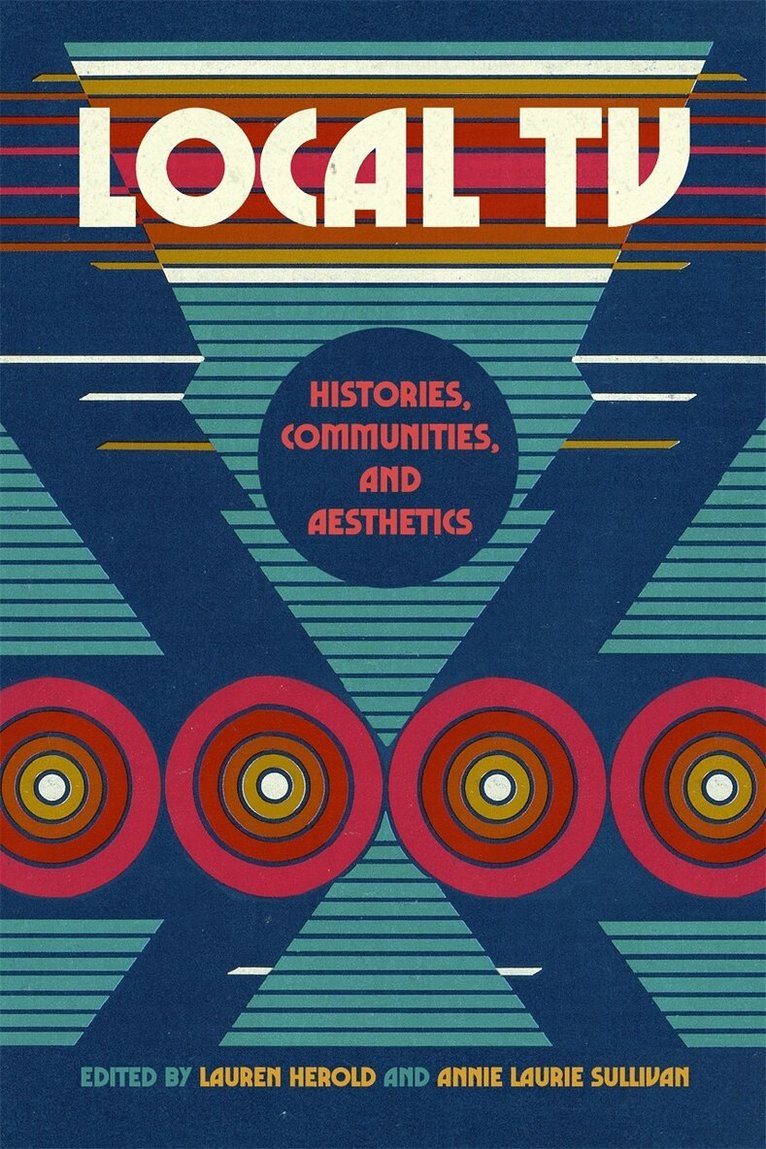
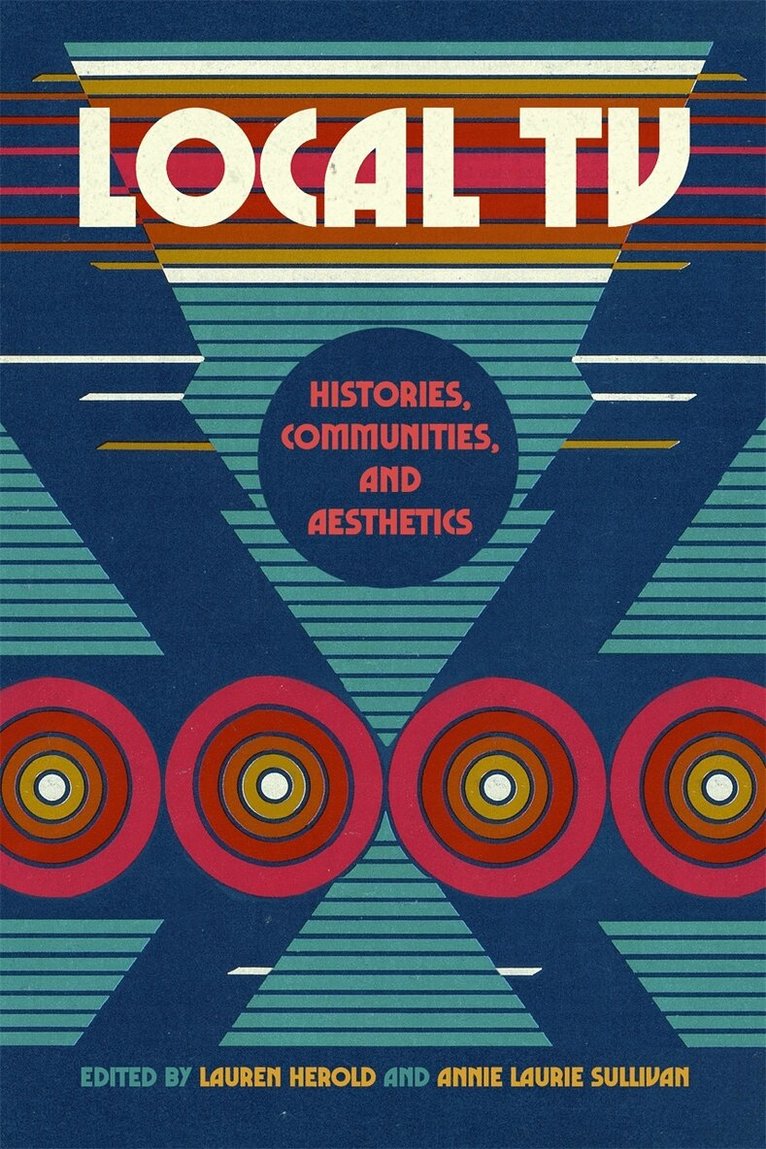
Local Television: Histories, Communities, and Aesthetics offers critical analyses of an expansive range of practices, policies, and debates in local television histories from the United States. Television is typically perceived as a commercial and/or national form of communication with the potential to reach millions of viewers. Yet, from the earliest years of television through the present, communities have participated in the production of television, creating media relevant to their needs and concerns. This collection broadens our notion of what this medium can achieve, allowing for innovative representation and community use that disrupts the political, economic, national, and social norms of mainstream offerings. Rather than a comprehensive historical survey--which given the sheer number of local television productions would be impossible--we’ve curated methodologically distinctive chapters that assess the possibilities and limitations of television’s mission to serve local publics. In doing so, we are attentive to the idiosyncratic histories, technologies, and functions of local television that have emerged in different cities over the course of the 20th and 21st Century. We likewise amplify the use of television by marginalized groups--whose perspectives are too often sidelined or distorted in mainstream fare--as a site for community formation, cultural expression, civic engagement, and political action.
390 kr
Skickas inom 5-8 vardagar
Local Television: Histories, Communities, and Aesthetics offers critical analyses of an expansive range of practices, policies, and debates in local television histories from the United States. Television is typically perceived as a commercial and/or national form of communication with the potential to reach millions of viewers. Yet, from the earliest years of television through the present, communities have participated in the production of television, creating media relevant to their needs and concerns. This collection broadens our notion of what this medium can achieve, allowing for innovative representation and community use that disrupts the political, economic, national, and social norms of mainstream offerings. Rather than a comprehensive historical survey--which given the sheer number of local television productions would be impossible--we’ve curated methodologically distinctive chapters that assess the possibilities and limitations of television’s mission to serve local publics. In doing so, we are attentive to the idiosyncratic histories, technologies, and functions of local television that have emerged in different cities over the course of the 20th and 21st Century. We likewise amplify the use of television by marginalized groups--whose perspectives are too often sidelined or distorted in mainstream fare--as a site for community formation, cultural expression, civic engagement, and political action.