Ethan Thompson - Böcker
Visar alla böcker från författaren Ethan Thompson. Handla med fri frakt och snabb leverans.
12 produkter
12 produkter
553 kr
Skickas inom 10-15 vardagar
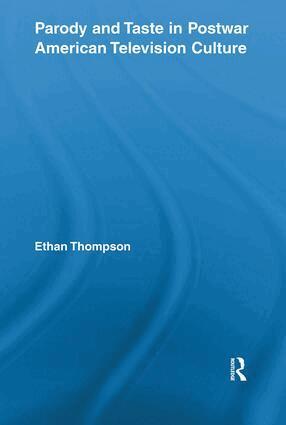
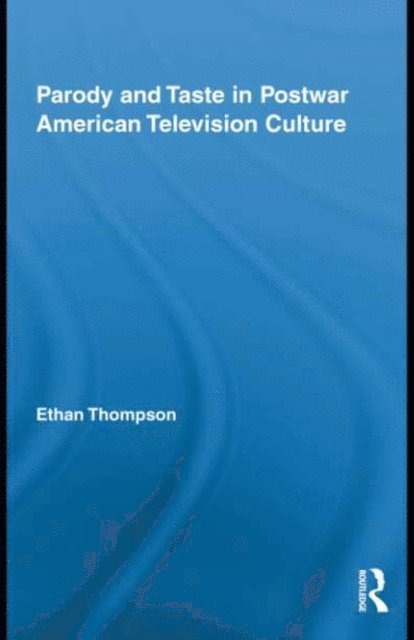
In this original study, Thompson explores the complicated relationships between Americans and television during the 1950s, as seen and effected through popular humor. Parody and Taste in Postwar American Television Culture documents how Americans grew accustomed to understanding politics, current events, and popular culture through comedy that is simultaneously critical, commercial, and funny. Along with the rapid growth of television in the 1950s, an explosion of satire and parody took place across a wide field of American culture—in magazines, comic books, film, comedy albums, and on television itself. Taken together, these case studies don’t just analyze and theorize the production and consumption of parody and television, but force us to revisit and revise our notions of postwar "consensus" culture as well.
2 170 kr
Skickas inom 10-15 vardagar
In this original study, Thompson explores the complicated relationships between Americans and television during the 1950s, as seen and effected through popular humor. Parody and Taste in Postwar American Television Culture documents how Americans grew accustomed to understanding politics, current events, and popular culture through comedy that is simultaneously critical, commercial, and funny. Along with the rapid growth of television in the 1950s, an explosion of satire and parody took place across a wide field of American culture—in magazines, comic books, film, comedy albums, and on television itself. Taken together, these case studies don’t just analyze and theorize the production and consumption of parody and television, but force us to revisit and revise our notions of postwar "consensus" culture as well.
921 kr
Skickas inom 10-15 vardagar
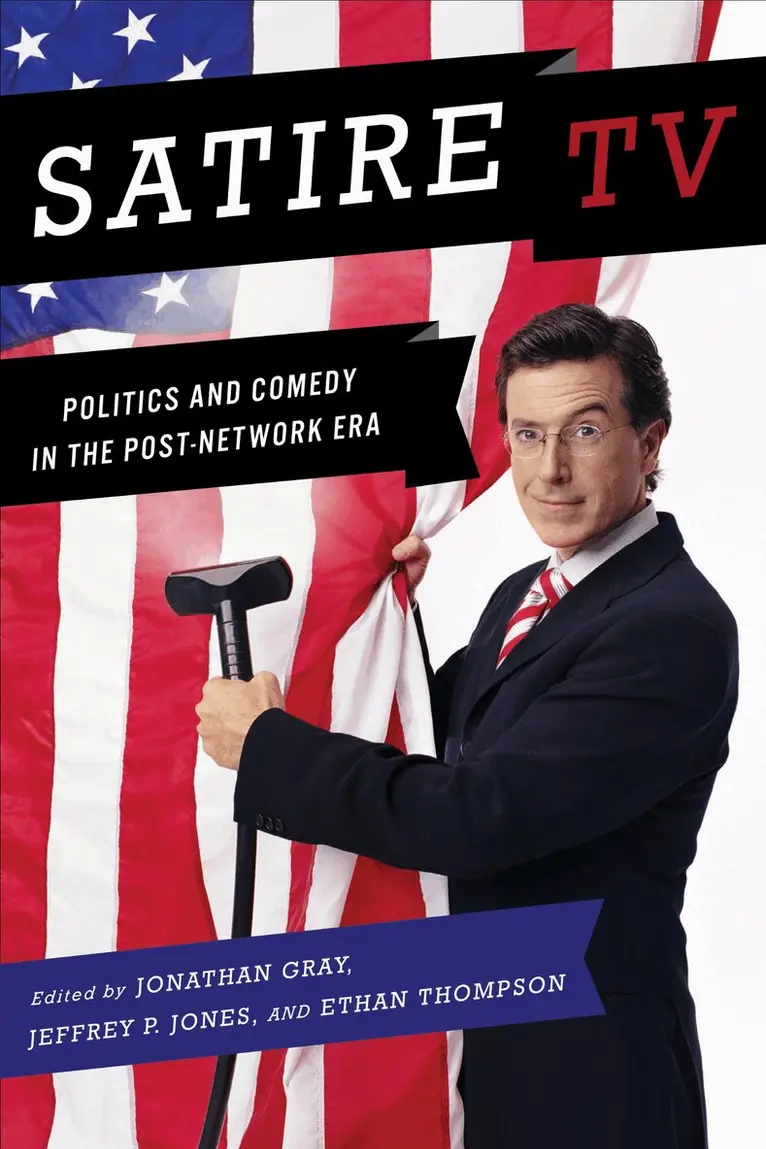
A fascinating look into what happens when comedy becomes political and politics becomes comedySatirical TV has become mandatory viewing for citizens wishing to make sense of the bizarre contemporary state of political life. Shifts in industry economics and audience tastes have re-made television comedy, once considered a wasteland of escapist humor, into what is arguably the most popular source of political critique. From fake news and pundit shows to animated sitcoms and mash-up videos, satire has become an important avenue for processing politics in informative and entertaining ways, and satire TV is now its own thriving, viable television genre.Satire TV examines what happens when comedy becomes political, and politics become funny. A series of original essays focus on a range of programs, from The Daily Show to South Park, Da Ali G Show to The Colbert Report, The Boondocks to Saturday Night Live, Lil' Bush to Chappelle's Show, along with Internet D.I.Y. satire and essays on British and Canadian satire. They all offer insights into what today's class of satire tells us about the current state of politics, of television, of citizenship, all the while suggesting what satire adds to the political realm that news and documentaries cannot.
365 kr
Skickas inom 7-10 vardagar
A fascinating look into what happens when comedy becomes political and politics becomes comedySatirical TV has become mandatory viewing for citizens wishing to make sense of the bizarre contemporary state of political life. Shifts in industry economics and audience tastes have re-made television comedy, once considered a wasteland of escapist humor, into what is arguably the most popular source of political critique. From fake news and pundit shows to animated sitcoms and mash-up videos, satire has become an important avenue for processing politics in informative and entertaining ways, and satire TV is now its own thriving, viable television genre.Satire TV examines what happens when comedy becomes political, and politics become funny. A series of original essays focus on a range of programs, from The Daily Show to South Park, Da Ali G Show to The Colbert Report, The Boondocks to Saturday Night Live, Lil' Bush to Chappelle's Show, along with Internet D.I.Y. satire and essays on British and Canadian satire. They all offer insights into what today's class of satire tells us about the current state of politics, of television, of citizenship, all the while suggesting what satire adds to the political realm that news and documentaries cannot.
908 kr
Skickas inom 7-10 vardagar
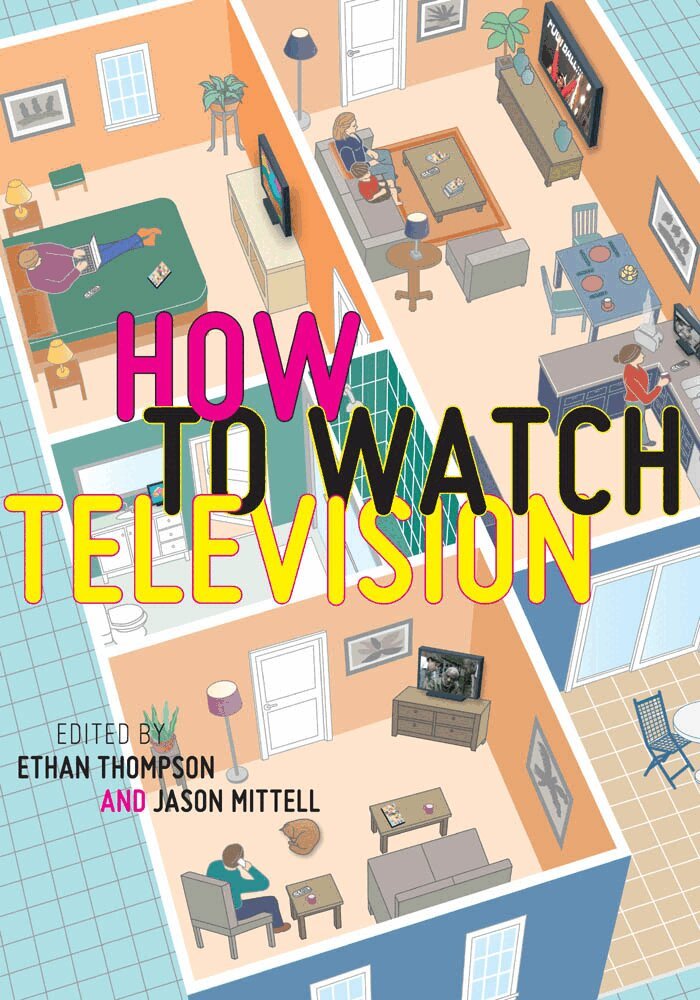
Examines social and cultural phenomena through the lens of different television showsWe all have opinions about the television shows we watch, but television criticism is about much more than simply evaluating the merits of a particular show and deeming it 'good' or 'bad.' Rather, criticism uses the close examination of a television program to explore that program's cultural significance, creative strategies, and its place in a broader social context.How to Watch Television brings together forty original essays from today's leading scholars on television culture, writing about the programs they care (and think) the most about. Each essay focuses on a particular television show, demonstrating one way to read the program and, through it, our media culture. The essays model how to practice media criticism in accessible language, providing critical insights through analysis—suggesting a way of looking at TV that students and interested viewers might emulate. The contributors discuss a wide range of television programs past and present, covering many formats and genres, spanning fiction and non-fiction, broadcast and cable, providing a broad representation of the programs that are likely to be covered in a media studies course. While the book primarily focuses on American television, important programs with international origins and transnational circulation are also covered.Addressing television series from the medium's earliest days to contemporary online transformations of television, How to Watch Television is designed to engender classroom discussion among television critics of all backgrounds.
312 kr
Skickas inom 7-10 vardagar
Examines social and cultural phenomena through the lens of different television showsWe all have opinions about the television shows we watch, but television criticism is about much more than simply evaluating the merits of a particular show and deeming it 'good' or 'bad.' Rather, criticism uses the close examination of a television program to explore that program's cultural significance, creative strategies, and its place in a broader social context.How to Watch Television brings together forty original essays from today's leading scholars on television culture, writing about the programs they care (and think) the most about. Each essay focuses on a particular television show, demonstrating one way to read the program and, through it, our media culture. The essays model how to practice media criticism in accessible language, providing critical insights through analysis—suggesting a way of looking at TV that students and interested viewers might emulate. The contributors discuss a wide range of television programs past and present, covering many formats and genres, spanning fiction and non-fiction, broadcast and cable, providing a broad representation of the programs that are likely to be covered in a media studies course. While the book primarily focuses on American television, important programs with international origins and transnational circulation are also covered.Addressing television series from the medium's earliest days to contemporary online transformations of television, How to Watch Television is designed to engender classroom discussion among television critics of all backgrounds.
1 688 kr
Skickas inom 3-6 vardagar
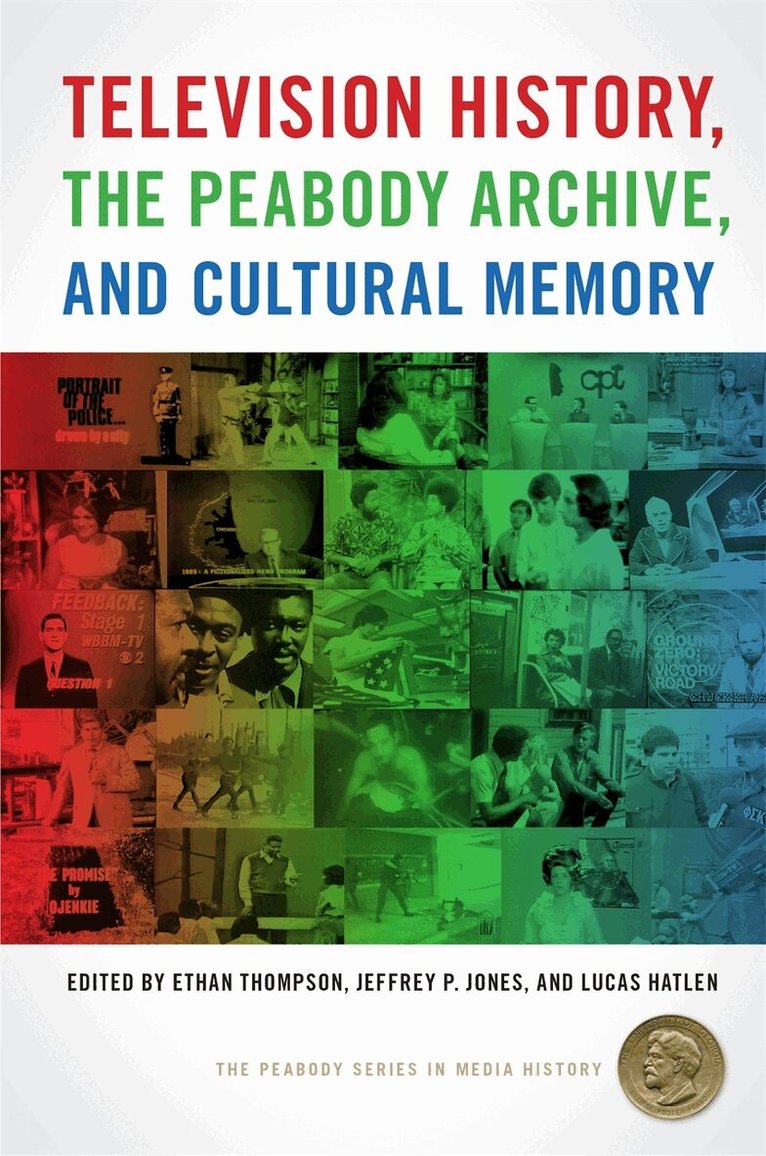
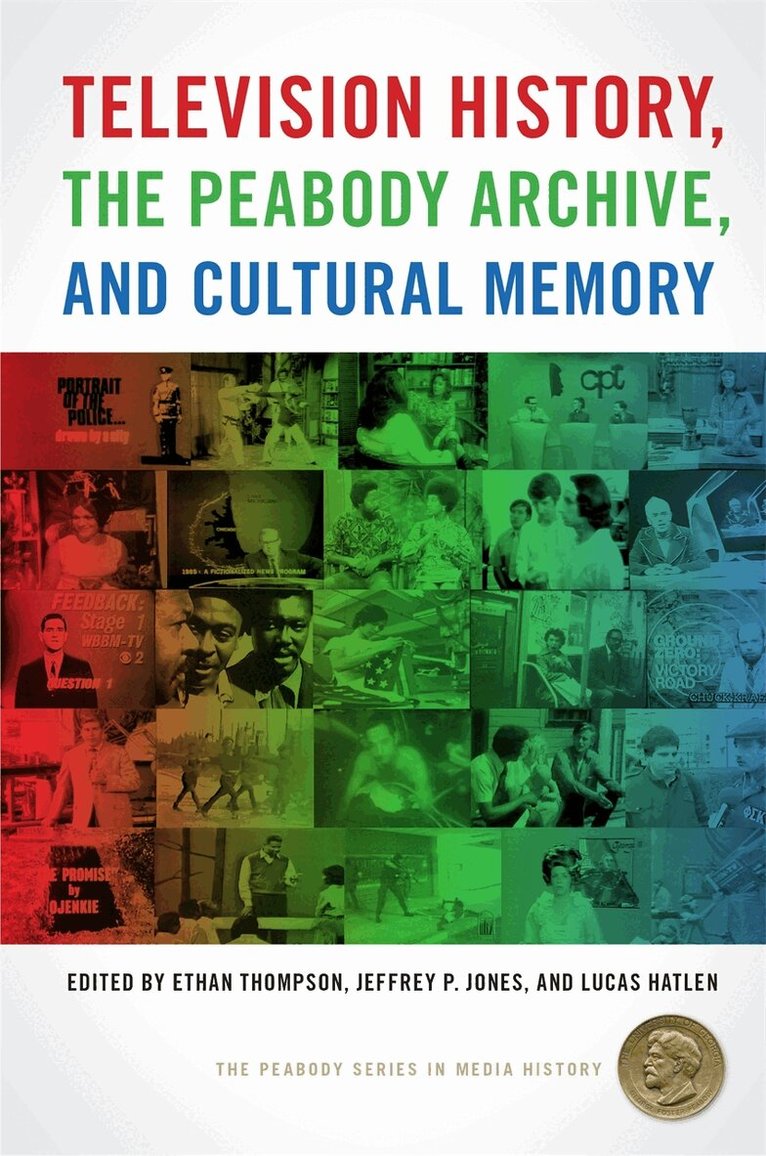
Television History, the Peabody Archive, and Cultural Memory is the first edited volume devoted to the Peabody Awards Collection, a unique repository of radio and TV programs submitted yearly since 1941 for consideration for the prestigious Peabody Awards. The essays in this volume explore the influence of the Peabody Awards Collection as an archive of the vital medium of TV, turning their attention to the wealth of programs considered for Peabody Awards that were not honored and thus have largely been forgotten and yet have the potential to reshape our understanding of American television history.Because the collection contains programming produced by stations across the nation, it is a distinctive repository of cultural memory; many of the programs found in it are not represented in the canon that dominates our understanding of American broadcast history. The contributions to this volume ask a range of important questions. What do we find if we look to the archive for what’s been forgotten? How does our understanding of gender, class, or racial representations shift? What different strategies did producers use to connect with audiences and construct communities that may be lost?This volume’s contributors examine intersections of citizenship and subjectivity in public-service programs, compare local and national coverage of particular individuals and social issues, and draw our attention to types of programming that have disappeared. Together they show how locally produced programs—from both commercial and public stations—have acted on behalf of their communities, challenging representations of culture, politics, and people.
523 kr
Skickas
Television History, the Peabody Archive, and Cultural Memory is the first edited volume devoted to the Peabody Awards Collection, a unique repository of radio and TV programs submitted yearly since 1941 for consideration for the prestigious Peabody Awards. The essays in this volume explore the influence of the Peabody Awards Collection as an archive of the vital medium of TV, turning their attention to the wealth of programs considered for Peabody Awards that were not honored and thus have largely been forgotten and yet have the potential to reshape our understanding of American television history.Because the collection contains programming produced by stations across the nation, it is a distinctive repository of cultural memory; many of the programs found in it are not represented in the canon that dominates our understanding of American broadcast history. The contributions to this volume ask a range of important questions. What do we find if we look to the archive for what’s been forgotten? How does our understanding of gender, class, or racial representations shift? What different strategies did producers use to connect with audiences and construct communities that may be lost?This volume’s contributors examine intersections of citizenship and subjectivity in public-service programs, compare local and national coverage of particular individuals and social issues, and draw our attention to types of programming that have disappeared. Together they show how locally produced programs—from both commercial and public stations—have acted on behalf of their communities, challenging representations of culture, politics, and people.
1 970 kr
Kommande
355 kr
Kommande
704 kr
Skickas
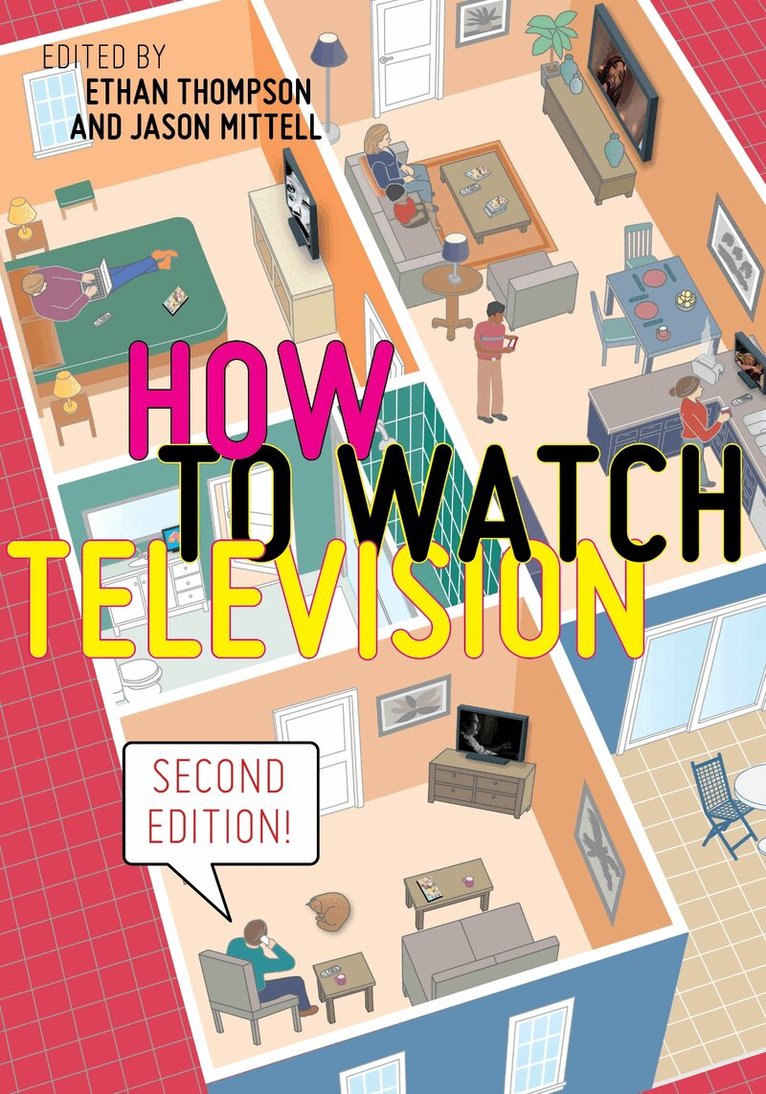
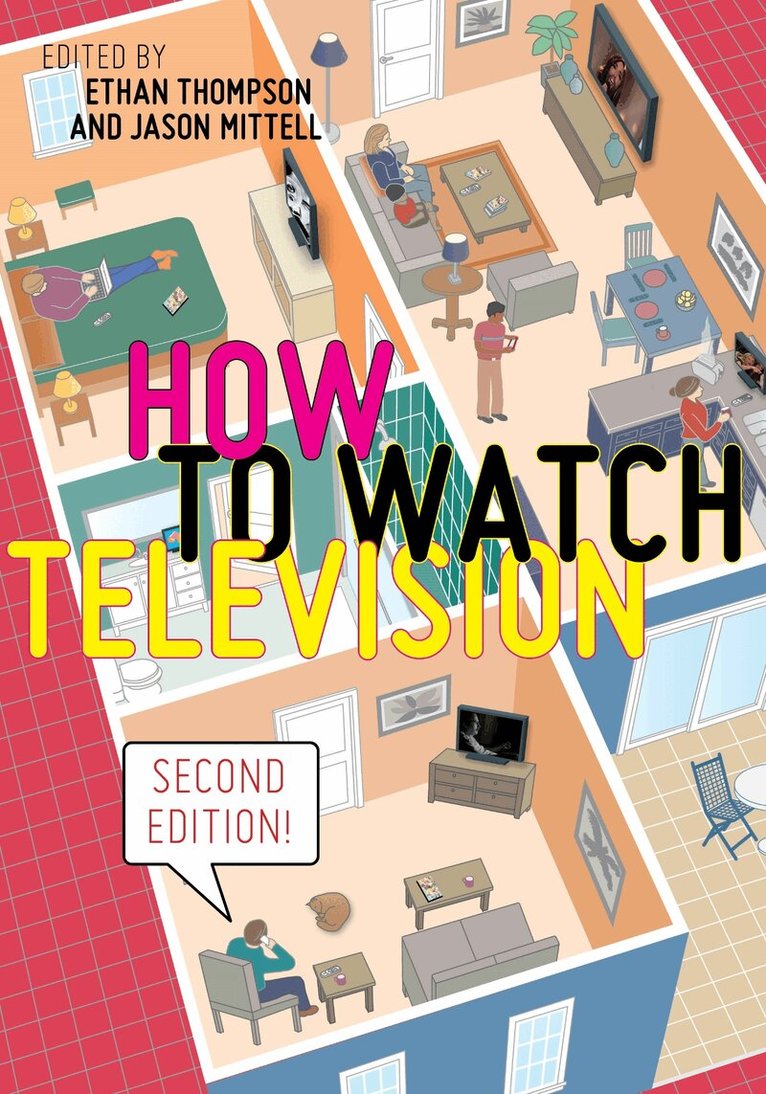
A new edition that brings the ways we watch and think about television up to the presentWe all have opinions about the television shows we watch, but television criticism is about much more than simply evaluating the merits of a particular show and deeming it "good" or "bad." Rather, criticism uses the close examination of a television program to explore that program's cultural significance, creative strategies, and its place in a broader social context.How to Watch Television, Second Edition brings together forty original essays—more than half of which are new to this edition—from today's leading scholars on television culture, who write about the programs they care (and think) the most about. Each essay focuses on a single television show, demonstrating one way to read the program and, through it, our media culture. From fashioning blackness in Empire to representation in Orange is the New Black and from the role of the reboot in Gilmore Girls to the function of changing political atmospheres in Roseanne, these essays model how to practice media criticism in accessible language, providing critical insights through analysis—suggesting a way of looking at TV that students and interested viewers might emulate. The contributors discuss a wide range of television programs past and present, covering many formats and genres, spanning fiction and non-fiction, broadcast, streaming, and cable. Addressing shows from TV's earliest days to contemporary online transformations of the medium, How to Watch Television, Second Edition is designed to engender classroom discussion among television critics of all backgrounds.To access additional essays from the first edition, visit the "links" tab at nyupress.org/9781479898817/how-to-watch-television-second-edition/.
351 kr
Skickas inom 7-10 vardagar
A new edition that brings the ways we watch and think about television up to the presentWe all have opinions about the television shows we watch, but television criticism is about much more than simply evaluating the merits of a particular show and deeming it "good" or "bad." Rather, criticism uses the close examination of a television program to explore that program's cultural significance, creative strategies, and its place in a broader social context.How to Watch Television, Second Edition brings together forty original essays—more than half of which are new to this edition—from today's leading scholars on television culture, who write about the programs they care (and think) the most about. Each essay focuses on a single television show, demonstrating one way to read the program and, through it, our media culture. From fashioning blackness in Empire to representation in Orange is the New Black and from the role of the reboot in Gilmore Girls to the function of changing political atmospheres in Roseanne, these essays model how to practice media criticism in accessible language, providing critical insights through analysis—suggesting a way of looking at TV that students and interested viewers might emulate. The contributors discuss a wide range of television programs past and present, covering many formats and genres, spanning fiction and non-fiction, broadcast, streaming, and cable. Addressing shows from TV's earliest days to contemporary online transformations of the medium, How to Watch Television, Second Edition is designed to engender classroom discussion among television critics of all backgrounds.To access additional essays from the first edition, visit the "links" tab at nyupress.org/9781479898817/how-to-watch-television-second-edition/.