Jason Mittell - Böcker
Visar alla böcker från författaren Jason Mittell. Handla med fri frakt och snabb leverans.
11 produkter
11 produkter
1 686 kr
Skickas inom 5-8 vardagar
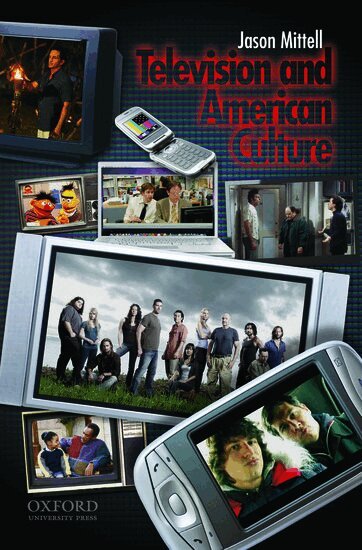
To understand American popular culture, we need to come to grips with the enormous role that television has played in shaping that culture over the past sixty years. In this timely and provocative book, Jason Mittell provides students with a uniquely thorough look at the medium of television. Exploring television at once as a technological medium, an economic system, a facet of democracy, and a part of everyday life, this landmark text uses numerous sidebars and case studies to demonstrate the past, immediate, and far-reaching effects of American culture on television--and television's influence on American culture. Arranged topically, the book provides a broad historical overview of television while also honing in on such finer points as the formal attributes of its various genres and its role in gender and racial identity formation. Replete with examples, this pedagogically rich text includes many end-of-chapter case studies and narratives with suggestions for further reading--and, appropriately, viewing. Illustrations and photographs--primarily DVD grabs--contextualize historical footage and older television programs that may not be familiar to younger students. A multi-disciplinary approach to American television, Television and American Culture is ideal for an array of intermediate undergraduate- and beginning graduate-level courses, including:* Television Criticism* Television & American Culture* Television & Society* Introduction to Media Studies* American Popular Culture* Radio & TV* History of Mass Communication* Broadcasting & Broadcast Programming For more information about this book, including updates, corrections, links, videos, and teaching resources, visit the companion website at http://tvamericanculture.net.
2 502 kr
Skickas inom 10-15 vardagar
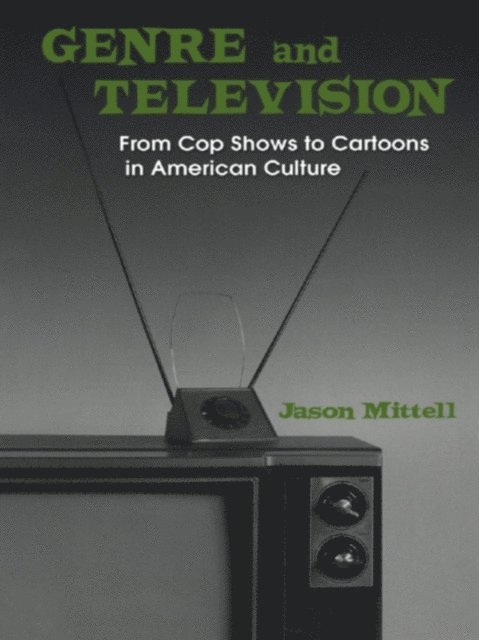
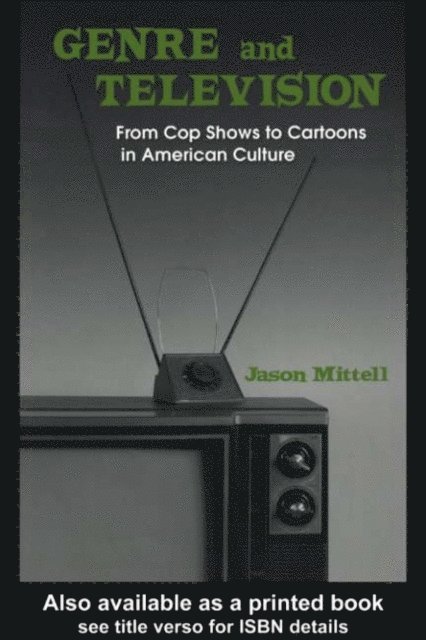
Genre and Television proposes a new understanding of television genres as cultural categories, offering a set of in-depth historical and critical examinations to explore five key aspects of television genre: history, industry, audience, text, and genre mixing. Drawing on well-known television programs from Dragnet to TheSimpsons, this book provides a new model of genre historiography and illustrates how genres are at work within nearly every facet of television-from policy decisions to production techniques to audience practices. Ultimately, the book argues that through analyzing how television genre operates as a cultural practice, we can better comprehend how television actively shapes our social world.
713 kr
Skickas inom 10-15 vardagar
Genre and Television proposes a new understanding of television genres as cultural categories, offering a set of in-depth historical and critical examinations to explore five key aspects of television genre: history, industry, audience, text, and genre mixing. Drawing on well-known television programs from Dragnet to TheSimpsons, this book provides a new model of genre historiography and illustrates how genres are at work within nearly every facet of television-from policy decisions to production techniques to audience practices. Ultimately, the book argues that through analyzing how television genre operates as a cultural practice, we can better comprehend how television actively shapes our social world.
908 kr
Skickas inom 7-10 vardagar
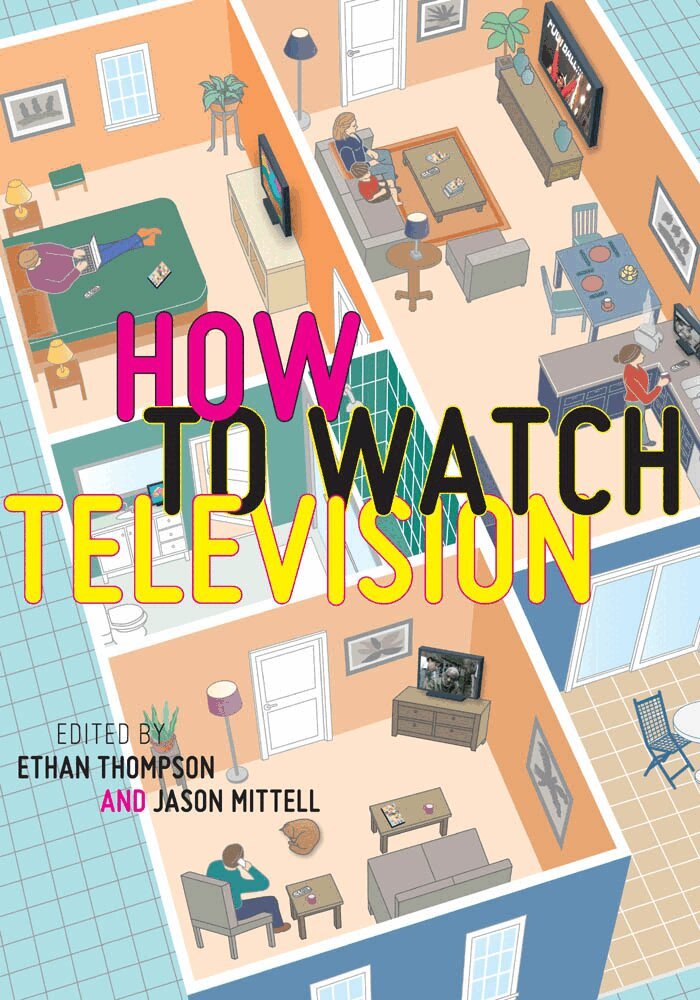
Examines social and cultural phenomena through the lens of different television showsWe all have opinions about the television shows we watch, but television criticism is about much more than simply evaluating the merits of a particular show and deeming it 'good' or 'bad.' Rather, criticism uses the close examination of a television program to explore that program's cultural significance, creative strategies, and its place in a broader social context.How to Watch Television brings together forty original essays from today's leading scholars on television culture, writing about the programs they care (and think) the most about. Each essay focuses on a particular television show, demonstrating one way to read the program and, through it, our media culture. The essays model how to practice media criticism in accessible language, providing critical insights through analysis—suggesting a way of looking at TV that students and interested viewers might emulate. The contributors discuss a wide range of television programs past and present, covering many formats and genres, spanning fiction and non-fiction, broadcast and cable, providing a broad representation of the programs that are likely to be covered in a media studies course. While the book primarily focuses on American television, important programs with international origins and transnational circulation are also covered.Addressing television series from the medium's earliest days to contemporary online transformations of television, How to Watch Television is designed to engender classroom discussion among television critics of all backgrounds.
309 kr
Skickas inom 7-10 vardagar
Examines social and cultural phenomena through the lens of different television showsWe all have opinions about the television shows we watch, but television criticism is about much more than simply evaluating the merits of a particular show and deeming it 'good' or 'bad.' Rather, criticism uses the close examination of a television program to explore that program's cultural significance, creative strategies, and its place in a broader social context.How to Watch Television brings together forty original essays from today's leading scholars on television culture, writing about the programs they care (and think) the most about. Each essay focuses on a particular television show, demonstrating one way to read the program and, through it, our media culture. The essays model how to practice media criticism in accessible language, providing critical insights through analysis—suggesting a way of looking at TV that students and interested viewers might emulate. The contributors discuss a wide range of television programs past and present, covering many formats and genres, spanning fiction and non-fiction, broadcast and cable, providing a broad representation of the programs that are likely to be covered in a media studies course. While the book primarily focuses on American television, important programs with international origins and transnational circulation are also covered.Addressing television series from the medium's earliest days to contemporary online transformations of television, How to Watch Television is designed to engender classroom discussion among television critics of all backgrounds.
271 kr
Skickas
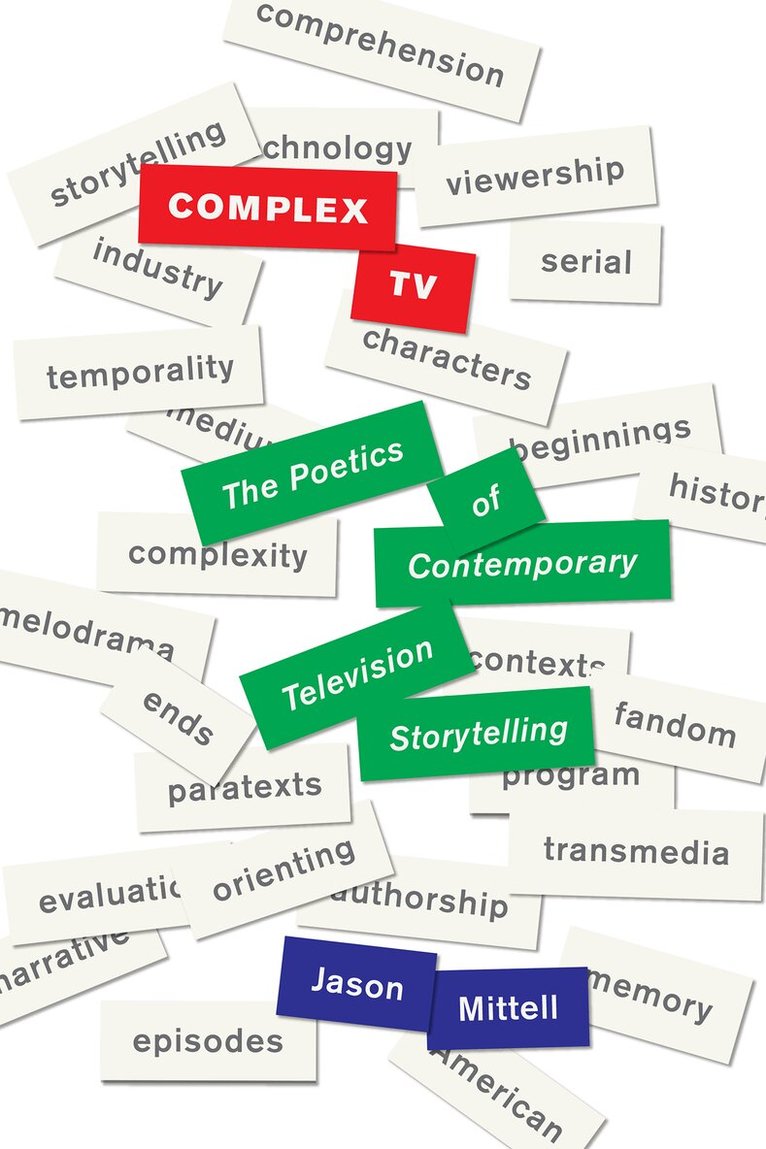
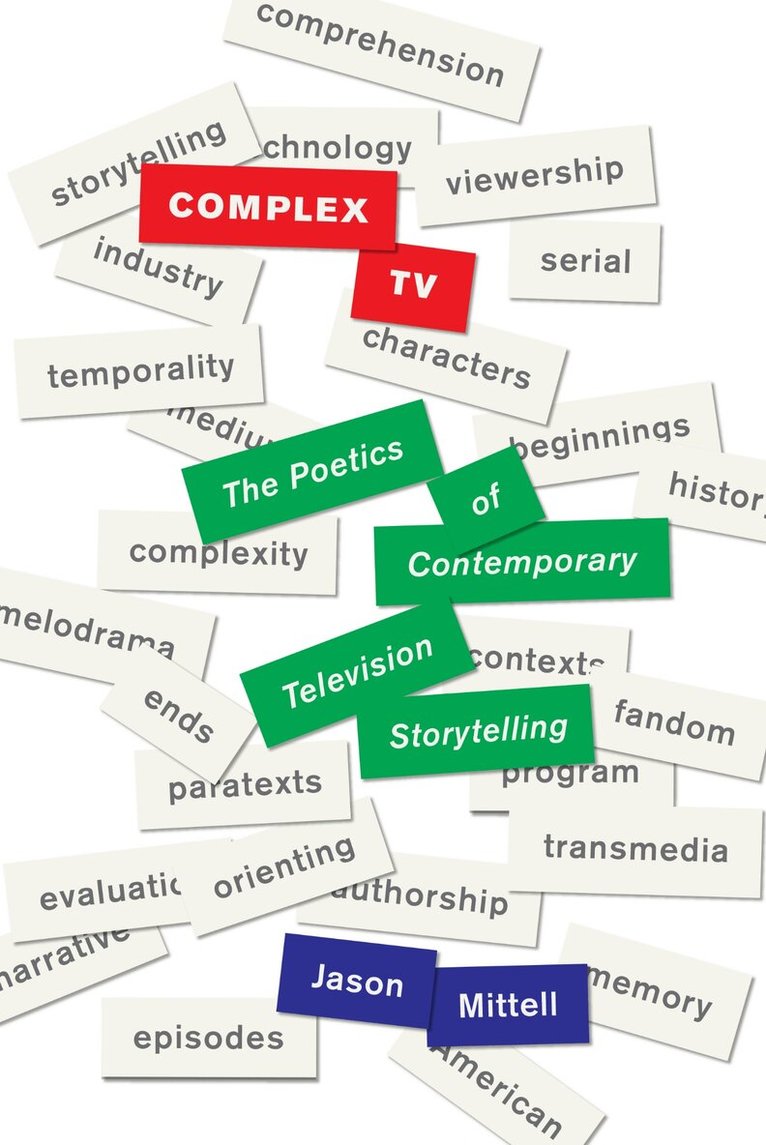
A comprehensive and sustained analysis of the development of storytelling for televisionOver the past two decades, new technologies, changing viewer practices, and the proliferation of genres and channels has transformed American television. One of the most notable impacts of these shifts is the emergence of highly complex and elaborate forms of serial narrative, resulting in a robust period of formal experimentation and risky programming rarely seen in a medium that is typically viewed as formulaic and convention bound. Complex TV offers a sustained analysis of the poetics of television narrative, focusing on how storytelling has changed in recent years and how viewers make sense of these innovations. Through close analyses of key programs, including The Wire, Lost, Breaking Bad, The Sopranos, Veronica Mars, Curb Your Enthusiasm, and Mad Men the book traces the emergence of this narrative mode, focusing on issues such as viewer comprehension, transmedia storytelling, serial authorship, character change, and cultural evaluation. Developing a television-specific set of narrative theories, Complex TV argues that television is the most vital and important storytelling medium of our time.
1 162 kr
Skickas inom 10-15 vardagar
A comprehensive and sustained analysis of the development of storytelling for televisionOver the past two decades, new technologies, changing viewer practices, and the proliferation of genres and channels has transformed American television. One of the most notable impacts of these shifts is the emergence of highly complex and elaborate forms of serial narrative, resulting in a robust period of formal experimentation and risky programming rarely seen in a medium that is typically viewed as formulaic and convention bound. Complex TV offers a sustained analysis of the poetics of television narrative, focusing on how storytelling has changed in recent years and how viewers make sense of these innovations. Through close analyses of key programs, including The Wire, Lost, Breaking Bad, The Sopranos, Veronica Mars, Curb Your Enthusiasm, and Mad Men the book traces the emergence of this narrative mode, focusing on issues such as viewer comprehension, transmedia storytelling, serial authorship, character change, and cultural evaluation. Developing a television-specific set of narrative theories, Complex TV argues that television is the most vital and important storytelling medium of our time.
704 kr
Skickas
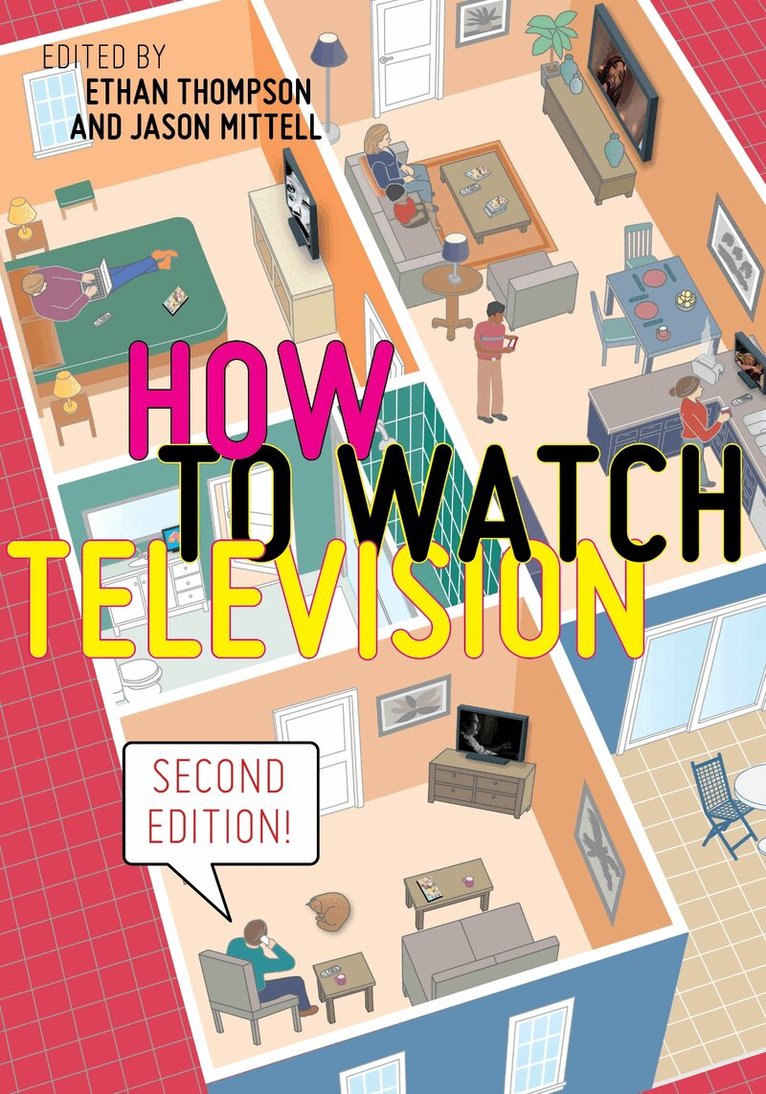
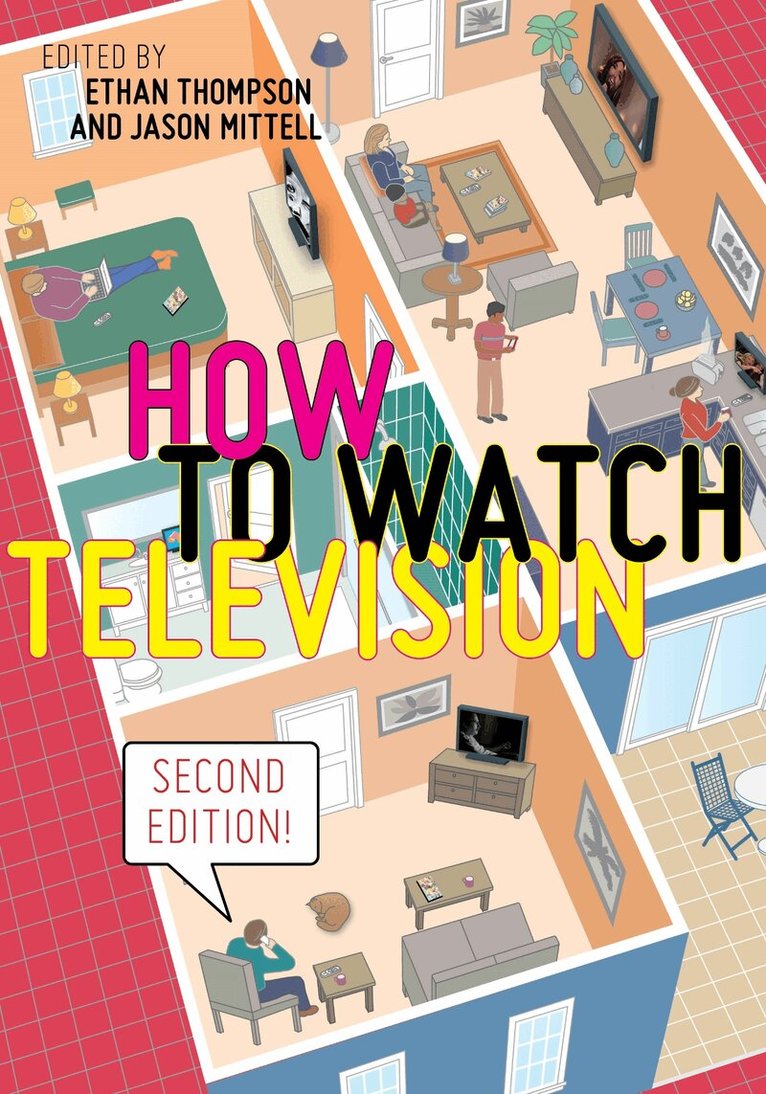
A new edition that brings the ways we watch and think about television up to the presentWe all have opinions about the television shows we watch, but television criticism is about much more than simply evaluating the merits of a particular show and deeming it "good" or "bad." Rather, criticism uses the close examination of a television program to explore that program's cultural significance, creative strategies, and its place in a broader social context.How to Watch Television, Second Edition brings together forty original essays—more than half of which are new to this edition—from today's leading scholars on television culture, who write about the programs they care (and think) the most about. Each essay focuses on a single television show, demonstrating one way to read the program and, through it, our media culture. From fashioning blackness in Empire to representation in Orange is the New Black and from the role of the reboot in Gilmore Girls to the function of changing political atmospheres in Roseanne, these essays model how to practice media criticism in accessible language, providing critical insights through analysis—suggesting a way of looking at TV that students and interested viewers might emulate. The contributors discuss a wide range of television programs past and present, covering many formats and genres, spanning fiction and non-fiction, broadcast, streaming, and cable. Addressing shows from TV's earliest days to contemporary online transformations of the medium, How to Watch Television, Second Edition is designed to engender classroom discussion among television critics of all backgrounds.To access additional essays from the first edition, visit the "links" tab at nyupress.org/9781479898817/how-to-watch-television-second-edition/.
349 kr
Skickas inom 7-10 vardagar
A new edition that brings the ways we watch and think about television up to the presentWe all have opinions about the television shows we watch, but television criticism is about much more than simply evaluating the merits of a particular show and deeming it "good" or "bad." Rather, criticism uses the close examination of a television program to explore that program's cultural significance, creative strategies, and its place in a broader social context.How to Watch Television, Second Edition brings together forty original essays—more than half of which are new to this edition—from today's leading scholars on television culture, who write about the programs they care (and think) the most about. Each essay focuses on a single television show, demonstrating one way to read the program and, through it, our media culture. From fashioning blackness in Empire to representation in Orange is the New Black and from the role of the reboot in Gilmore Girls to the function of changing political atmospheres in Roseanne, these essays model how to practice media criticism in accessible language, providing critical insights through analysis—suggesting a way of looking at TV that students and interested viewers might emulate. The contributors discuss a wide range of television programs past and present, covering many formats and genres, spanning fiction and non-fiction, broadcast, streaming, and cable. Addressing shows from TV's earliest days to contemporary online transformations of the medium, How to Watch Television, Second Edition is designed to engender classroom discussion among television critics of all backgrounds.To access additional essays from the first edition, visit the "links" tab at nyupress.org/9781479898817/how-to-watch-television-second-edition/.
1 142 kr
Skickas inom 10-15 vardagar
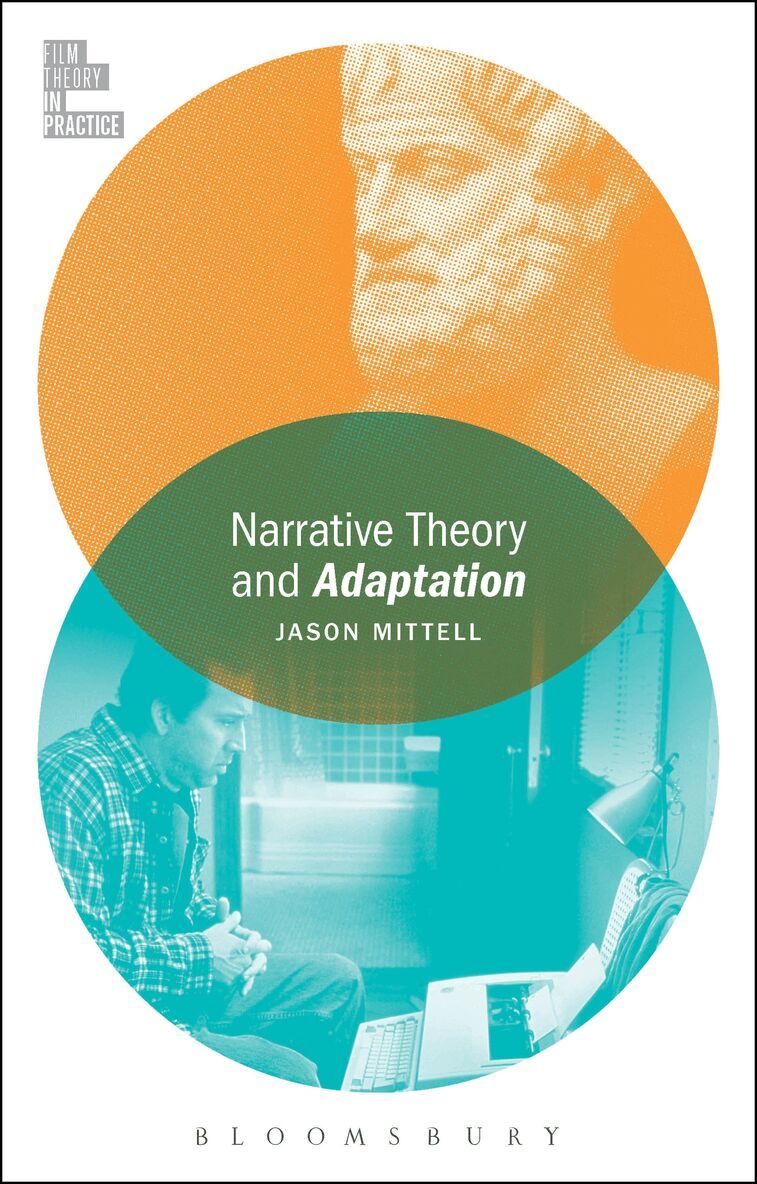
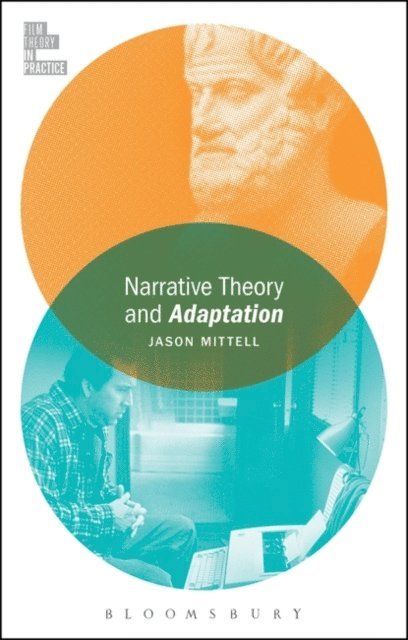
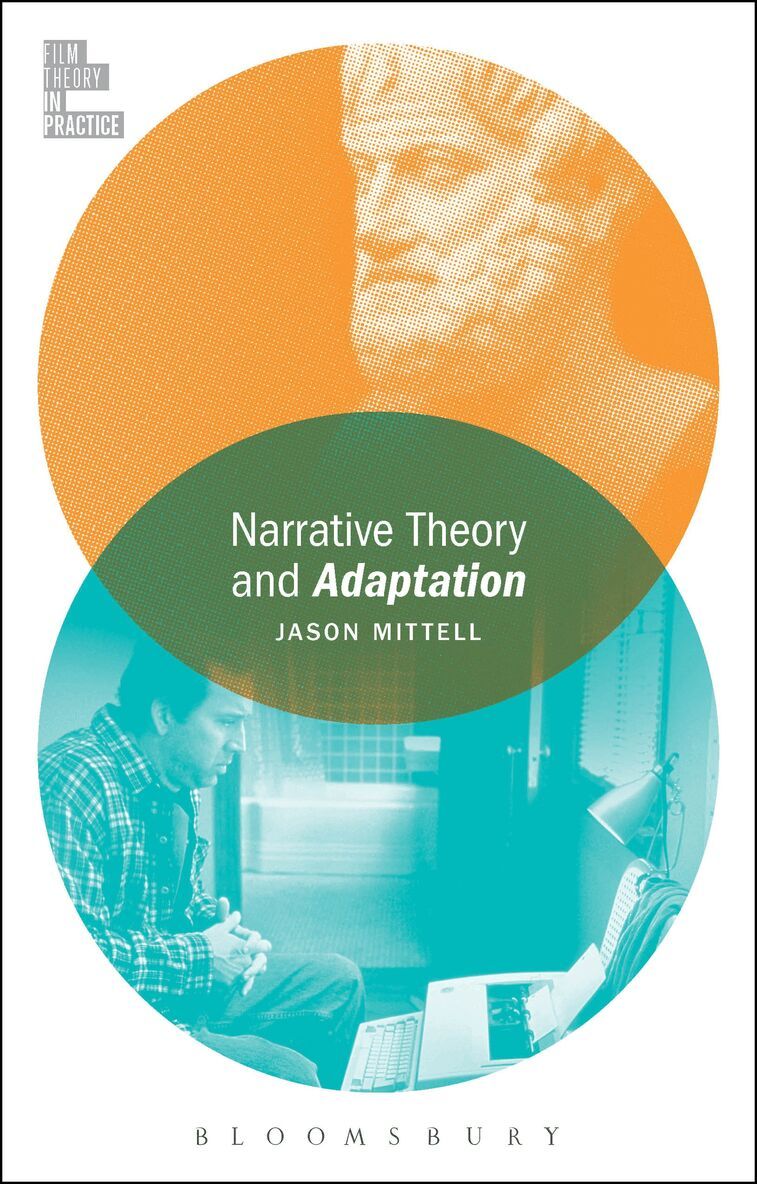
Narrative Theory and Adaptation offers a concise introduction to narrative theory in jargon-free language and shows how this theory can be deployed to interpret Spike Jonze’s critically acclaimed 2002 film Adaptation. Understanding narrative theory is crucial to make sense of the award-winning film Adaptation. The book explicates, in clear prose for beginners, four key facets important to the narrative theory of film: the distinction between practical vs. critical theory, the role of adaptation, the process of narrative comprehension, and notions of authorship. It then works to unlock Adaptation using these four keys in succession, considering how the film demands a theoretical understanding of the storytelling process. In using this unusual case study of a film, the author makes the case for the importance of narrative theory as a general perspective for filmmakers, critics, and viewers alike.
305 kr
Skickas inom 10-15 vardagar
Narrative Theory and Adaptation offers a concise introduction to narrative theory in jargon-free language and shows how this theory can be deployed to interpret Spike Jonze’s critically acclaimed 2002 film Adaptation. Understanding narrative theory is crucial to make sense of the award-winning film Adaptation. The book explicates, in clear prose for beginners, four key facets important to the narrative theory of film: the distinction between practical vs. critical theory, the role of adaptation, the process of narrative comprehension, and notions of authorship. It then works to unlock Adaptation using these four keys in succession, considering how the film demands a theoretical understanding of the storytelling process. In using this unusual case study of a film, the author makes the case for the importance of narrative theory as a general perspective for filmmakers, critics, and viewers alike.