Perspectives in Developmental Psychology - Böcker
Visar alla böcker i serien Perspectives in Developmental Psychology. Handla med fri frakt och snabb leverans.
17 produkter
17 produkter
1 640 kr
Skickas inom 10-15 vardagar
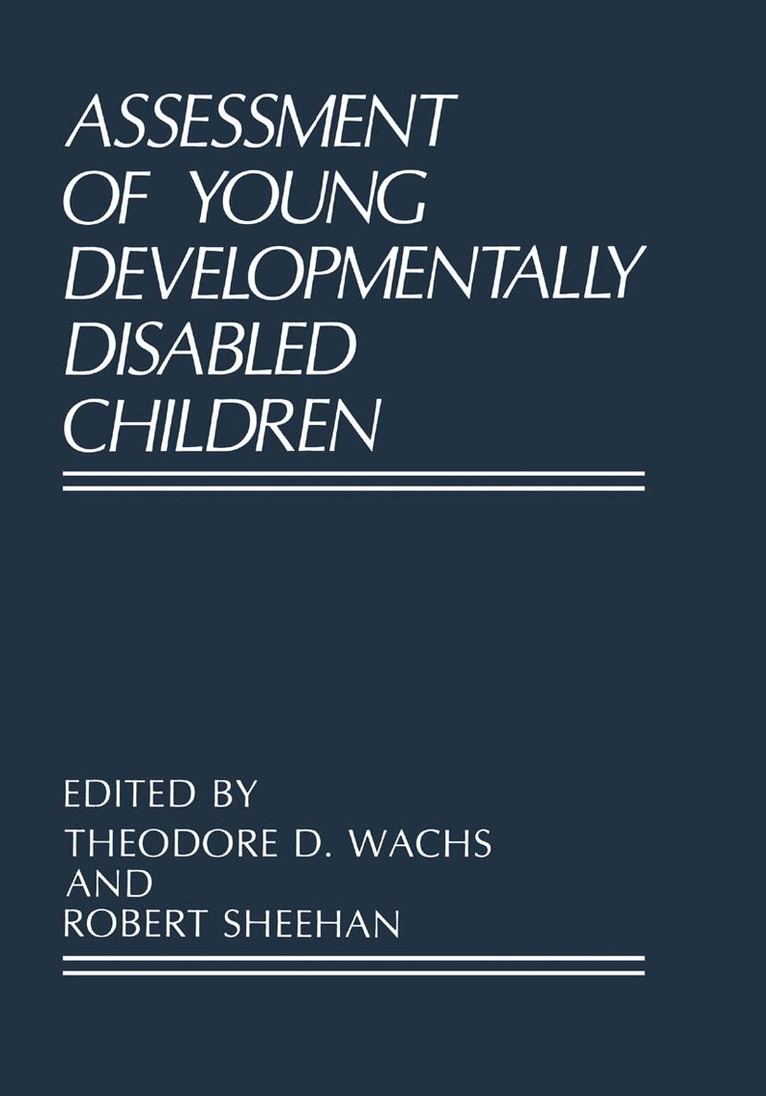
Our knowledge of the cognitive and social-emotional functioning of developmentally disabled infants and preschoolers derives, in large part, from our assessment of such children. This book has been developed to familiarize readers with the characteristics of developmentally disabled children, and to introduce to readers aspects of measurement that are of relevance to the assessment of atypical infants and preschoolers. The book has been developed with clinicians and prospective clinicians in mind. These are individuals who are committed to the care and education of developmentally disabled infants and preschoolers and the families of those children. The book has thus been written to provide support for the use of assessment data in planning early interven tion programs. Of special note in the development of this edited book is that it is divided into four major parts with interrelated chapters in each part. The authors of chapters in Parts II and III had access to the chapters in Part I before writing their chapters. The summary chap ters found in Part IV were similarly written by authors having access to all chapters in Parts I-III. This approach to the development of an edited book was chosen as a way of ensuring an integration of major concepts throughout the book. This process is also a reflection of our belief that assessment is an interdisciplinary process, involving the syn thesis of a number of diverse interests.
1 640 kr
Skickas inom 10-15 vardagar
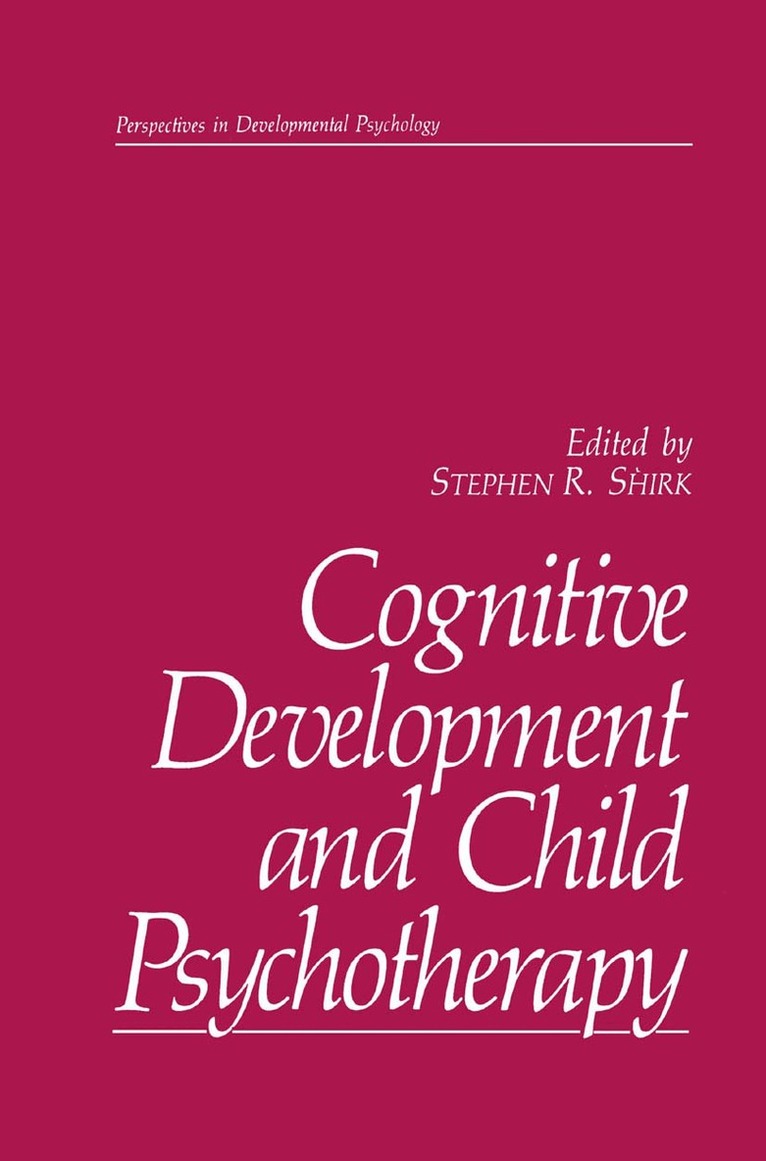
Like hiking off the well-traveled trail, attempting to bridge foreign do mains of research and practice entails certain risks. This volume repre sents an effort to explore the relatively uncharted territory of cognitive and social-cognitive processes embedded in child psychotherapy. The territory is largely uncharted, not because of a lack of interest in children and cognition, but because child psychotherapy has been chronically neglected by clinical researchers. For example, recent meta-analyses of the effectiveness of child psychotherapy draw on less than 30 non behavioral studies of child psychotherapy conducted over a 30-year period. The average of one study per year pales in comparison to the volume of research on adult psychotherapy. Moreover, research exam ining cognitive, affective, and language processes in child psycho therapy is virtually nonexistent. Consequently, the contributions to this volume should not be seen as reviews of an extant, clinical-research literature. Instead, they represent attempts to expand the more familiar and well-researched province of developmental psychology into the rel atively uncharted domain of child psychotherapy process. In addition to bridging the literature on child psychotherapy with research perspectives on children's cognitive and social-cognitive devel opment, this volume attempts to cross a second gap. Recent surveys of the utilization of psychotherapy research by practicing psychotherapists indicate the distance between these two domains is substantial. Only a small minority of practitioners find psychotherapy research to be a useful source of information for their practice.
1 548 kr
Skickas inom 10-15 vardagar
The Different Faces of Motherhood began during a conversation between the two editors, developmental psychologists who have spent our professional careers working with infants and very young children. We are well aware of the impor tance of infants to their mothers and of mothers to their infants. However, we were particularly aware of the fact that, whereas our knowledge about infants increases exponentially . each decade, our assumptions about mothers change relatively little. We were concerned about the theories that underlie the advice given to mothers and also about the assumption that mothers appear to be generic. More and more we have learned about individual differences in babies, but not more and more about individual differences in mothers. Our second concern has been to expand our knowledge about mothers. Our assumptions were few and our questions were many. We believed that the experience of women would vary greatly, both in outlook and in behavior, depending on each woman's age, marital status, finan Cial status, ethnicity, health, education and work experience, as well as a wom an's own experience in her family origin and her relationship to her husband. If we are to understand child development and believe that the early years are important in a child's life, then it seems critical to examine our beliefs about mothers. If we are to understand human development, then being a mother is surely an important area of inquiry.
1 548 kr
Skickas inom 10-15 vardagar
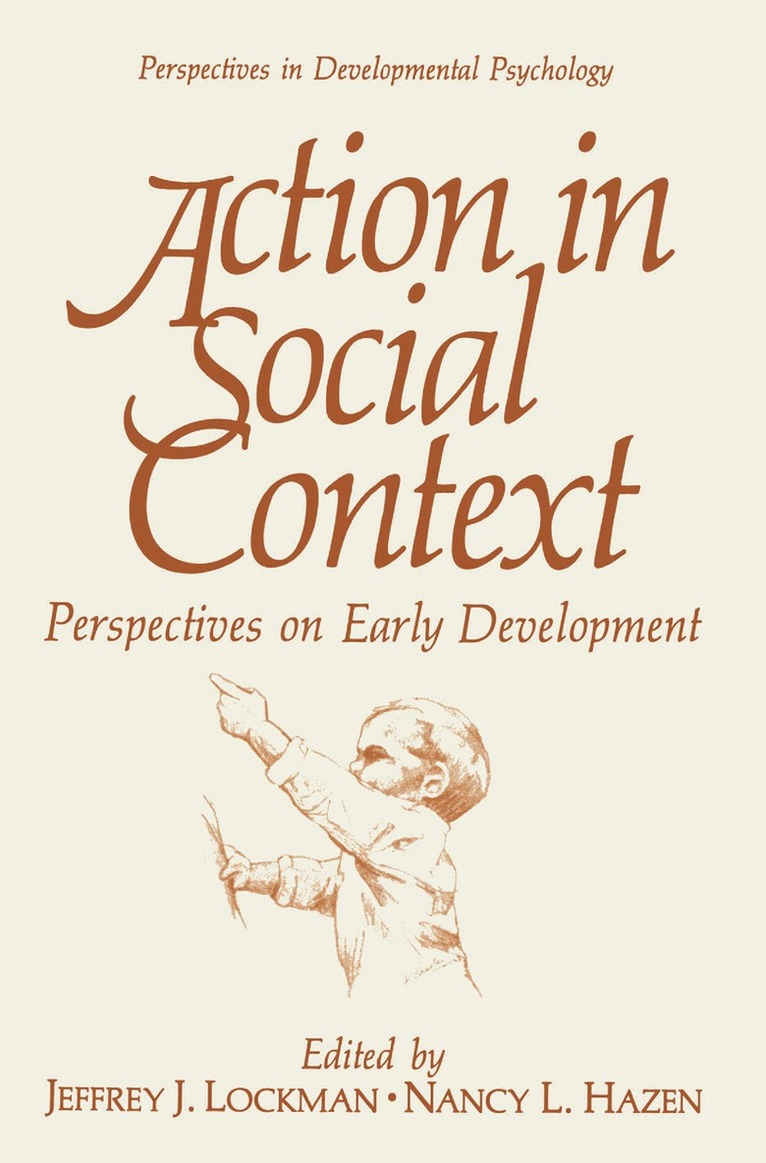
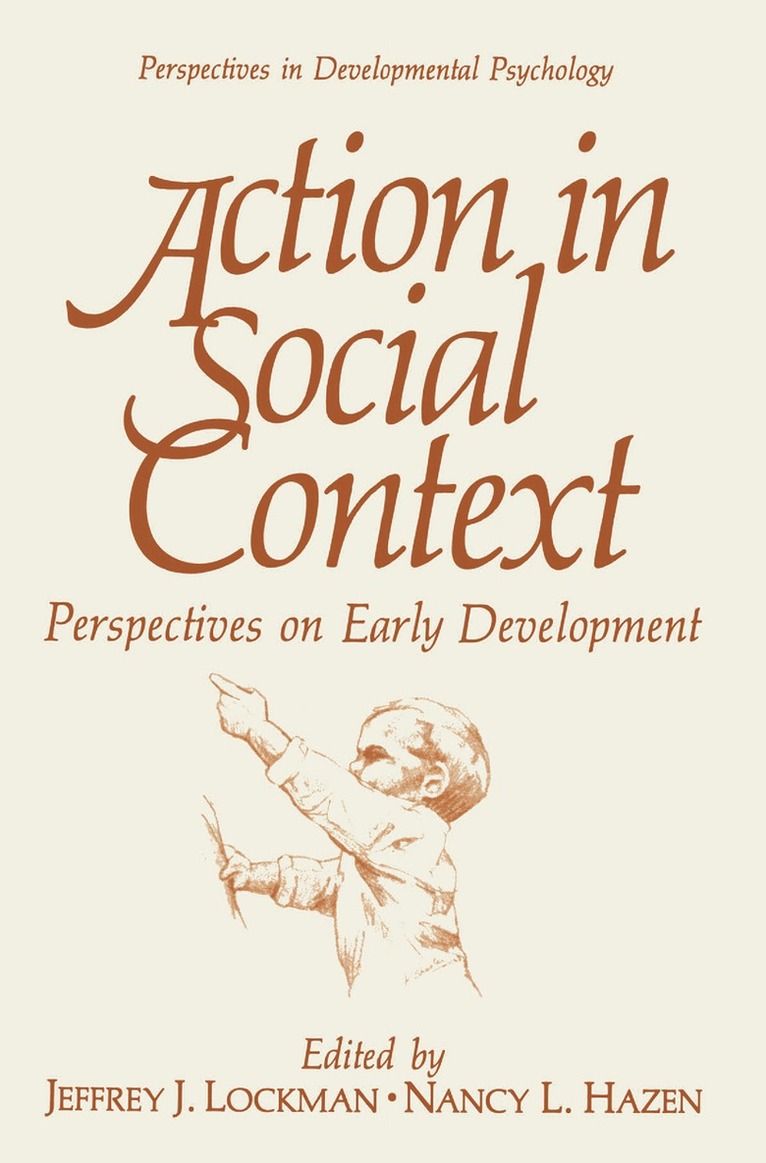
This is a book about the development of action and skill in the first years of life. But it differs in an important way from most past treatments of the subject. The present volume explores how the development of ac tion is related to the contexts, especially the social ones, in which actions function. In past work, little attention has focused on this relationship. The prevailing view has been that infants develop skills on their own, independent of contributions from other individuals or the surrounding culture. The present volume is a challenge to that view. It is based on the premise that many early skills are embedded in interpersonal activities or are influenced by the activities of other individuals. It assumes further that by examining how skills function in interpersonal contexts, insights will be gained into their acquisition and structuring. In effect, this vol ume suggests that the development of cognitive, perceptual, and motor skills needs to be reexamined in relation to the goals and contexts that are inherently associated with these skills. The contributors to the vol ume have all adopted this general perspective. They seek to understand the development of early action by considering the functioning of action in context. Our motivation for addressing these issues stemmed in part from a growing sense of dissatisfaction as we surveyed the literature on skill development in early childhood.
1 640 kr
Skickas inom 10-15 vardagar
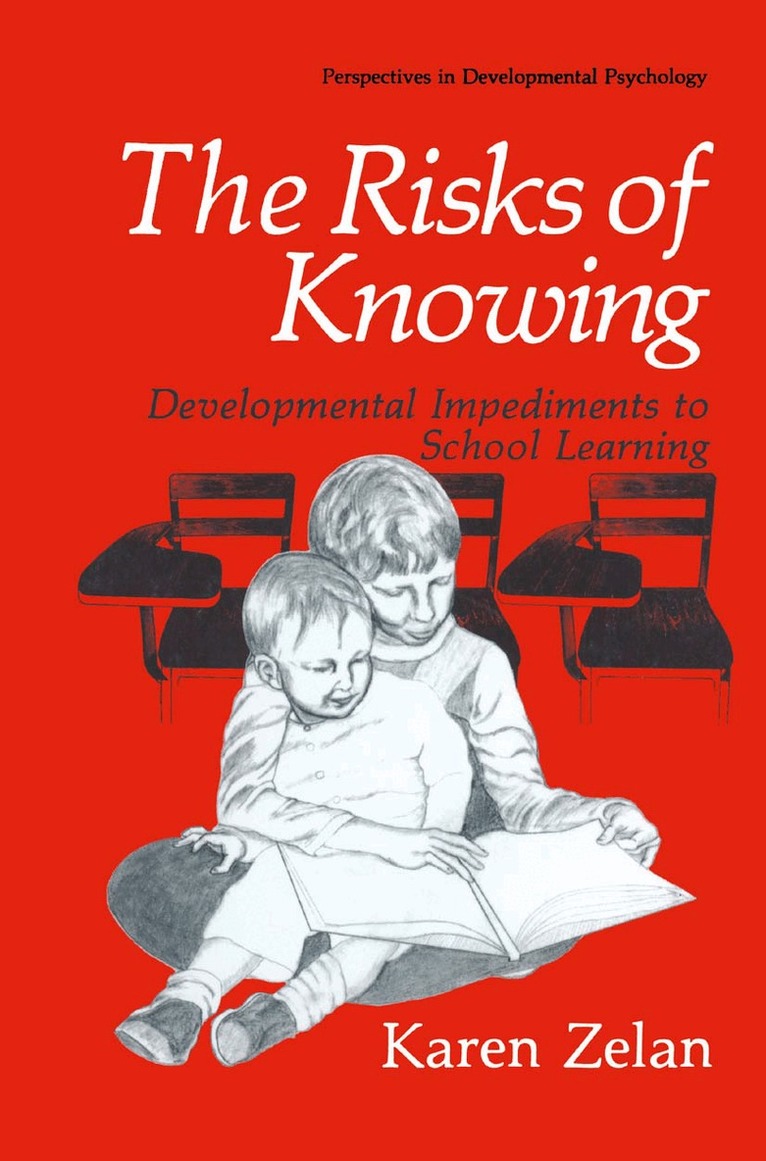
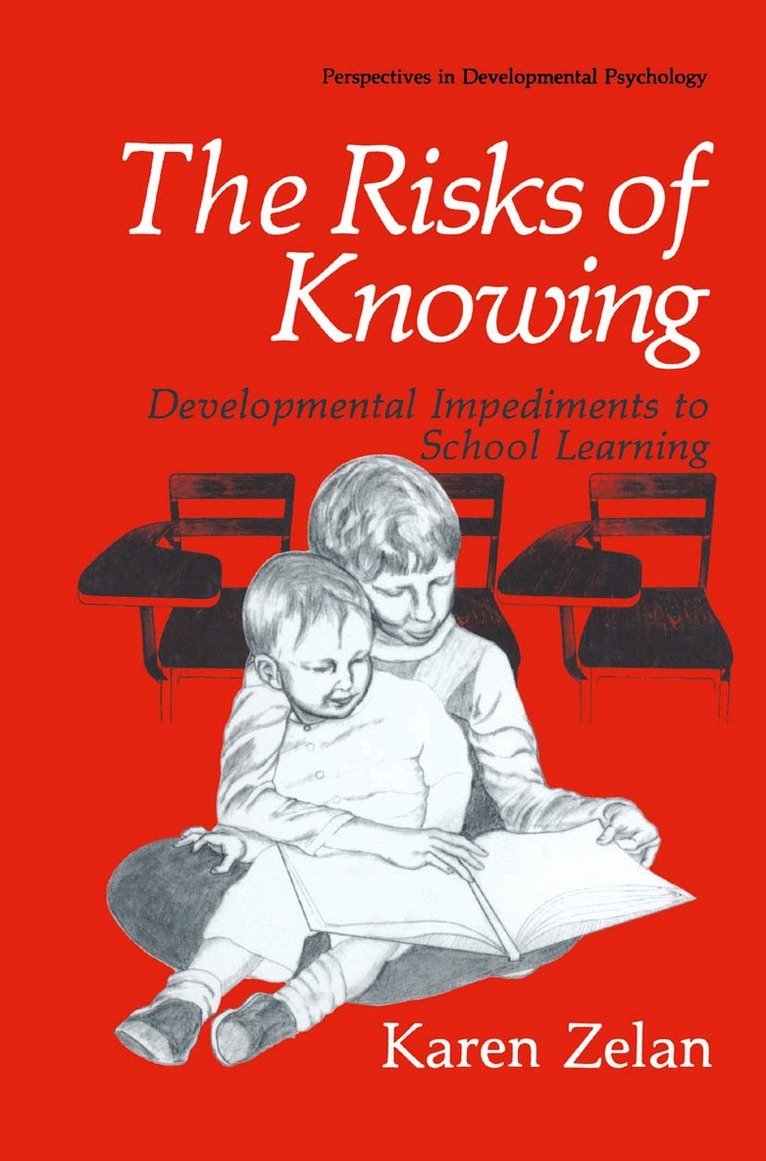
It gives me great pleasure to introduce this important and fascinating book on the internal dilemmas youngsters face in school, which often cause them to stop learning. We are all too ready to ascribe learning problems to an inability to learn and leave it at that. This book should go a long way toward convincing us that using such simpleminded explanations and remedial efforts based on them do not work. Unlike other books that identify the causes of learning disabilities in children or that detail society's impact on the so-called helpless child, The Risks of Knowing is an in-depth study of young people who for reasons of intrapsychic conflicts and of intellectual development make a nega tive decision about the learning process. This book is unique in its thorough analysis of the conflicts young people have with learning and in its treatment prescriptions. In case after case, Karen Zelan demonstrates that if young people declare themselves unable to learn it is because for some valid reasons they believe learning is dangerous. The reasons that cause a decision to fail often remain unconscious until they are brought to the child's awareness. When the child is helped to understand the source of any inner dilemmas, both child and parents are able to find better solutions to immediate learning difficulties. Karen Zelan brings a rare expertise to the problems young people find in academic learning.
2 185 kr
Skickas inom 10-15 vardagar
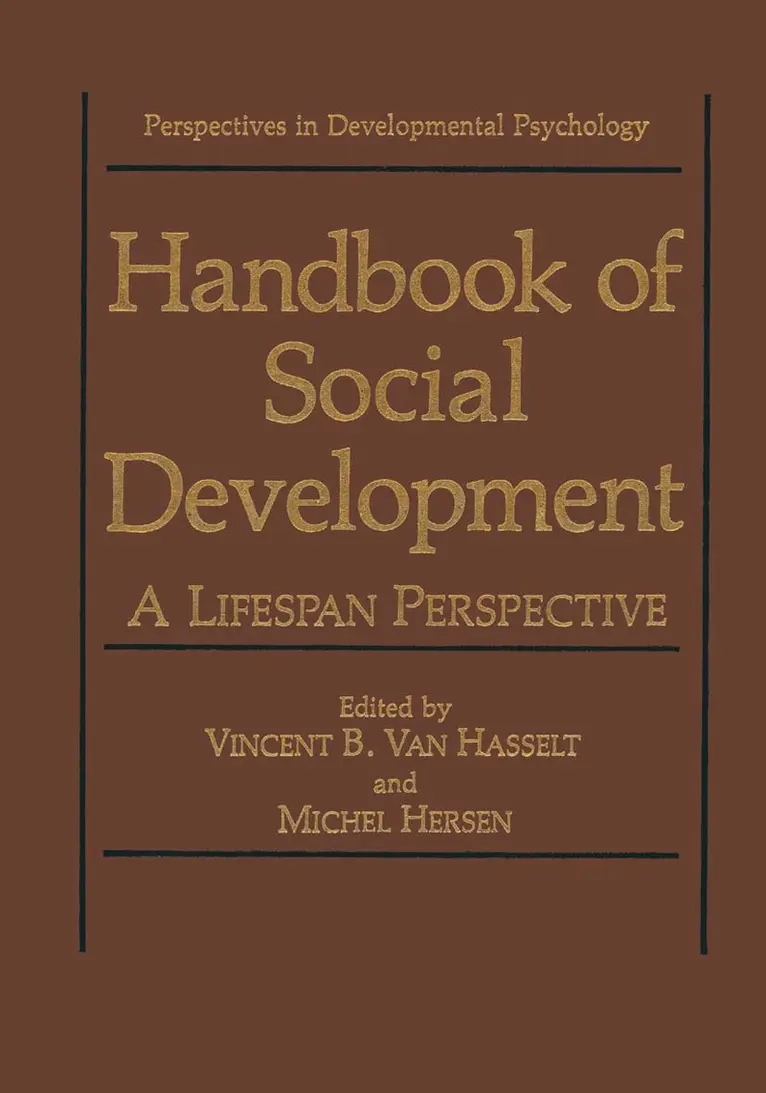
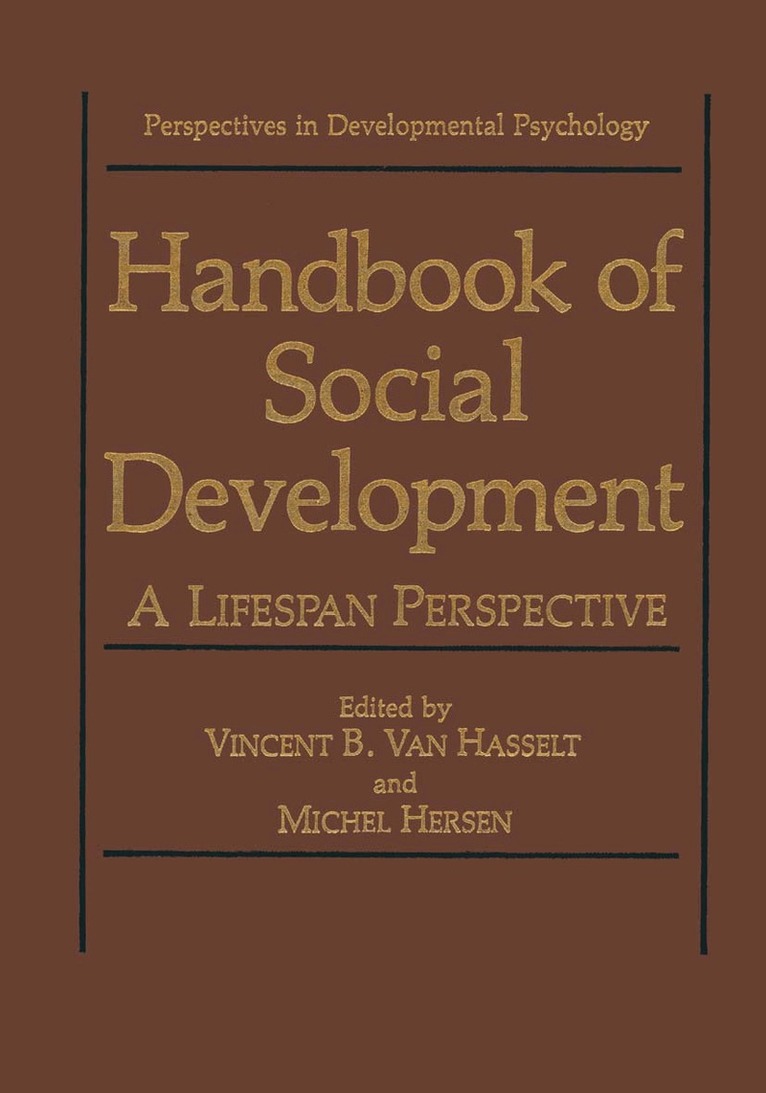
Social development over one's lifetime is a complex area that has received consider able attention in the psychological, social-psychological, and sociological literature over the years. Surprisingl~ however, since 1969, when Rand McNally published Goslin's Handbook of Socialization, no comprehensive statement of the field has appeared in book form. Given the impressive data in this area that have been adduced over the last two decades, we trust that our handbook will serve to fill that gap. In this volume we have followed a lifespan perspective, starting with the social interactions that transpire in the earliest development stages and progressing through childhood, adolescence, adulthood, and, finall~ one's senior years. In so doing we cover a variety of issues in depth. The book contains 21 chapters and is divided into five parts: I, Theoretical Perspectives; II, Infants and Toddlers; ill, Children and Adolescents; Iv, Adults; and V, The Elderly. Each of the parts begins with introductory material that reviews the overall issues to be considered. Many individuals have contributed to the final production of this handbook. Foremost are our eminent contributors, who graciously agreed to share with us their expertise. We also thank our administrative and technical staff for their assistance in carrying out the day-to-day tasks necessary to complete such a project. Finall~ we thank Eliot Werner, Executive Editor at Plenum, for his willingness to publish and for his tolerance for the delays inevitable in the development of a large handbook.
1 096 kr
Skickas inom 10-15 vardagar
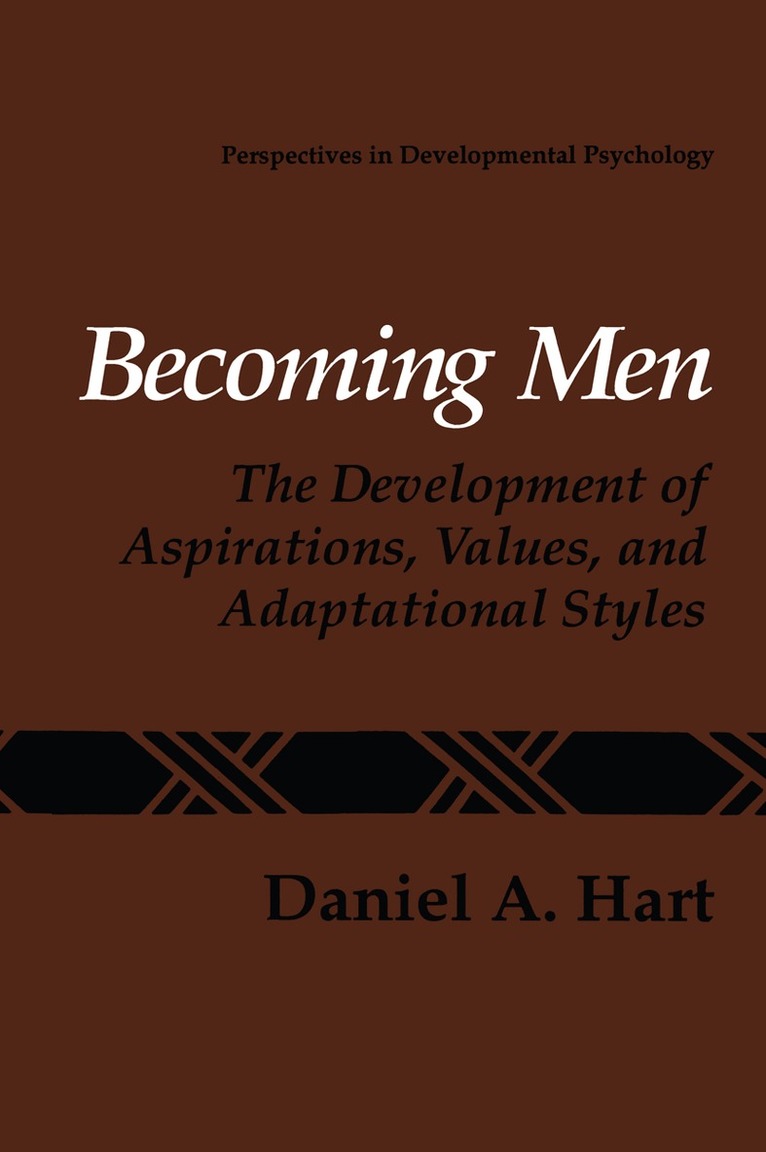
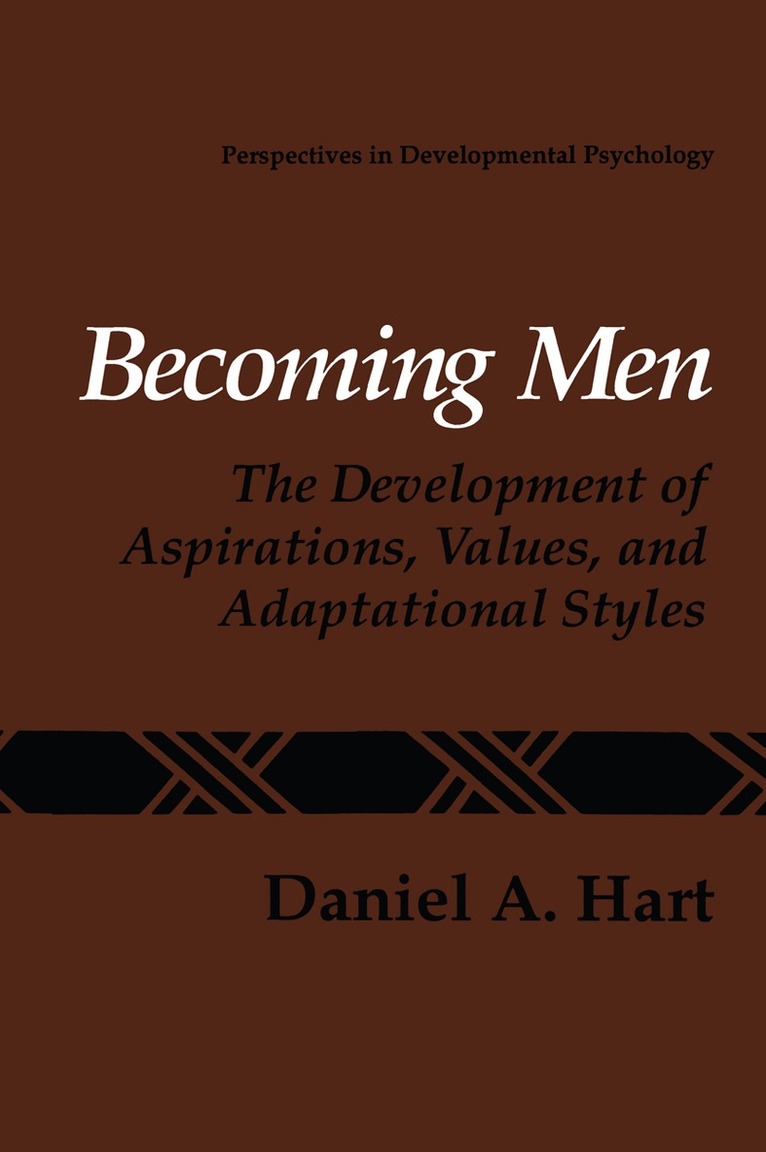
Here, Daniel A. Hart analyzes the results of an intensive twenty-year longitudinal study of men's development. Integrating a wide range of research approaches, Hart assesses personality trait, structural-developmental, and crisis-transformational factors in the study of lives followed over time. The author then develops an original framework for understanding the psychological similarities and differences in men's lives.
520 kr
Skickas inom 10-15 vardagar
Like the lines of a secret map made dimly apparent by the chemical potion brushed on a piece of paper from a child's detective kit, the outlines of what may be a substantial behavioral biology of human life seem to be coming clear. From genetic science at its most molecular to demography with its assessment of the vital experience of massive populations, there is a growing understanding of the various ways in which the human species reveals underlying commonalities of experi ence through the life cycle and over the web of interactions that constitutes the basic matter of social life. At the same time, research has been successful in two super ficially and contradictory directions: first, in showing the enormous variation in human arrangements and consciousness across and with in cultures; and second, in showing the similarity between cultures as far as basic processes of physiology, neurophysiology, and even so ciallife are concerned. But the contradiction only exists in the absence of an understanding of the fact that in a species living under as many ecological, historical, and economic niches as Homo sapiens, cultural variation is what one would naturally expect.
520 kr
Skickas inom 10-15 vardagar
This book documents my return to a topic that has always been one of my closest interests: the systematic study of intellectual and political history. I became involved in historical studies while in high school and continued this work during the years that I spent as a metalworker in a shipyard and in a factory. Indeed, I succeeded in being admitted to the University of Hamburg only after submitting a comparative analysis of the history of early Greek and early Western philosophy to the late Professor G. Ralfs. He gave me much encouragement and remained one of my main academic sponsors during the years in Hamburg. Recently, I translated into English the manuscript that had opened the doors of the university for me, and ex tended it to the history of psychology. The results present the unfolding of an intellectual theme as if it were an historical dialogue. They (chaps. 10 and 11) are, perhaps, controversial achievements, but they are among my proudest. Before I began my studies in psychology and philosophy, I spent al most two years in physics and mathematics. Subsequently, I began to approach psychology with a natural-science emphasis. Even when I began to shift my attention from general experimental to developmental psychol ogy (especially gerontology), I continued to maintain this orientation and deemphasized my historical interest. This interest did not find any reso nance in the developmental research and theory of these years anyhow.
1 034 kr
Skickas inom 10-15 vardagar
This volume is an attempt to integrate the theory and data of social and personality development within a modem evolutionary framework. The various chapters are not meant to be read in isolation from one another but rather are intended to form an integrated whole. There is thus a great deal of cross-referencing between chapters and to some extent they all stand or fall together. This also suggests that the accuracy (or usefulness) of a particular chapter cannot be judged until the book is comprehended as a whole. Chapter 1 deals with the theoretical foundations of this enterprise, and the focus is on the compatibility of mainstream approaches within the field to a modem evolutionary approach. Chapters 2-4 concern what I view to be the fundamental proximal mechanisms underlying social and personality development. Chapter 2, on temperament and person ality development, is particularly central to the rest of the volume because these processes are repeatedly invoked as explanatory concepts at later points in the volume.
1 651 kr
Skickas inom 10-15 vardagar
This is a book about the development of action and skill in the first years of life. But it differs in an important way from most past treatments of the subject. The present volume explores how the development of ac tion is related to the contexts, especially the social ones, in which actions function. In past work, little attention has focused on this relationship. The prevailing view has been that infants develop skills on their own, independent of contributions from other individuals or the surrounding culture. The present volume is a challenge to that view. It is based on the premise that many early skills are embedded in interpersonal activities or are influenced by the activities of other individuals. It assumes further that by examining how skills function in interpersonal contexts, insights will be gained into their acquisition and structuring. In effect, this vol ume suggests that the development of cognitive, perceptual, and motor skills needs to be reexamined in relation to the goals and contexts that are inherently associated with these skills. The contributors to the vol ume have all adopted this general perspective. They seek to understand the development of early action by considering the functioning of action in context. Our motivation for addressing these issues stemmed in part from a growing sense of dissatisfaction as we surveyed the literature on skill development in early childhood.
1 640 kr
Skickas inom 10-15 vardagar
Our knowledge of the cognitive and social-emotional functioning of developmentally disabled infants and preschoolers derives, in large part, from our assessment of such children. This book has been developed to familiarize readers with the characteristics of developmentally disabled children, and to introduce to readers aspects of measurement that are of relevance to the assessment of atypical infants and preschoolers. The book has been developed with clinicians and prospective clinicians in mind. These are individuals who are committed to the care and education of developmentally disabled infants and preschoolers and the families of those children. The book has thus been written to provide support for the use of assessment data in planning early interven tion programs. Of special note in the development of this edited book is that it is divided into four major parts with interrelated chapters in each part. The authors of chapters in Parts II and III had access to the chapters in Part I before writing their chapters. The summary chap ters found in Part IV were similarly written by authors having access to all chapters in Parts I-III. This approach to the development of an edited book was chosen as a way of ensuring an integration of major concepts throughout the book. This process is also a reflection of our belief that assessment is an interdisciplinary process, involving the syn thesis of a number of diverse interests.
1 096 kr
Skickas inom 10-15 vardagar
Here, Daniel A. Hart analyzes the results of an intensive twenty-year longitudinal study of men's development. Integrating a wide range of research approaches, Hart assesses personality trait, structural-developmental, and crisis-transformational factors in the study of lives followed over time. The author then develops an original framework for understanding the psychological similarities and differences in men's lives.
1 640 kr
Skickas inom 10-15 vardagar
It gives me great pleasure to introduce this important and fascinating book on the internal dilemmas youngsters face in school, which often cause them to stop learning. We are all too ready to ascribe learning problems to an inability to learn and leave it at that. This book should go a long way toward convincing us that using such simpleminded explanations and remedial efforts based on them do not work. Unlike other books that identify the causes of learning disabilities in children or that detail society's impact on the so-called helpless child, The Risks of Knowing is an in-depth study of young people who for reasons of intrapsychic conflicts and of intellectual development make a nega tive decision about the learning process. This book is unique in its thorough analysis of the conflicts young people have with learning and in its treatment prescriptions. In case after case, Karen Zelan demonstrates that if young people declare themselves unable to learn it is because for some valid reasons they believe learning is dangerous. The reasons that cause a decision to fail often remain unconscious until they are brought to the child's awareness. When the child is helped to understand the source of any inner dilemmas, both child and parents are able to find better solutions to immediate learning difficulties. Karen Zelan brings a rare expertise to the problems young people find in academic learning.
2 185 kr
Skickas inom 10-15 vardagar
Social development over one's lifetime is a complex area that has received consider able attention in the psychological, social-psychological, and sociological literature over the years. Surprisingl~ however, since 1969, when Rand McNally published Goslin's Handbook of Socialization, no comprehensive statement of the field has appeared in book form. Given the impressive data in this area that have been adduced over the last two decades, we trust that our handbook will serve to fill that gap. In this volume we have followed a lifespan perspective, starting with the social interactions that transpire in the earliest development stages and progressing through childhood, adolescence, adulthood, and, finall~ one's senior years. In so doing we cover a variety of issues in depth. The book contains 21 chapters and is divided into five parts: I, Theoretical Perspectives; II, Infants and Toddlers; ill, Children and Adolescents; Iv, Adults; and V, The Elderly. Each of the parts begins with introductory material that reviews the overall issues to be considered. Many individuals have contributed to the final production of this handbook. Foremost are our eminent contributors, who graciously agreed to share with us their expertise. We also thank our administrative and technical staff for their assistance in carrying out the day-to-day tasks necessary to complete such a project. Finall~ we thank Eliot Werner, Executive Editor at Plenum, for his willingness to publish and for his tolerance for the delays inevitable in the development of a large handbook.
1 548 kr
Skickas inom 10-15 vardagar
The Different Faces of Motherhood began during a conversation between the two editors, developmental psychologists who have spent our professional careers working with infants and very young children. We are well aware of the impor tance of infants to their mothers and of mothers to their infants. However, we were particularly aware of the fact that, whereas our knowledge about infants increases exponentially . each decade, our assumptions about mothers change relatively little. We were concerned about the theories that underlie the advice given to mothers and also about the assumption that mothers appear to be generic. More and more we have learned about individual differences in babies, but not more and more about individual differences in mothers. Our second concern has been to expand our knowledge about mothers. Our assumptions were few and our questions were many. We believed that the experience of women would vary greatly, both in outlook and in behavior, depending on each woman's age, marital status, finan Cial status, ethnicity, health, education and work experience, as well as a wom an's own experience in her family origin and her relationship to her husband. If we are to understand child development and believe that the early years are important in a child's life, then it seems critical to examine our beliefs about mothers. If we are to understand human development, then being a mother is surely an important area of inquiry.
1 640 kr
Skickas inom 10-15 vardagar
Like hiking off the well-traveled trail, attempting to bridge foreign do mains of research and practice entails certain risks. This volume repre sents an effort to explore the relatively uncharted territory of cognitive and social-cognitive processes embedded in child psychotherapy. The territory is largely uncharted, not because of a lack of interest in children and cognition, but because child psychotherapy has been chronically neglected by clinical researchers. For example, recent meta-analyses of the effectiveness of child psychotherapy draw on less than 30 non behavioral studies of child psychotherapy conducted over a 30-year period. The average of one study per year pales in comparison to the volume of research on adult psychotherapy. Moreover, research exam ining cognitive, affective, and language processes in child psycho therapy is virtually nonexistent. Consequently, the contributions to this volume should not be seen as reviews of an extant, clinical-research literature. Instead, they represent attempts to expand the more familiar and well-researched province of developmental psychology into the rel atively uncharted domain of child psychotherapy process. In addition to bridging the literature on child psychotherapy with research perspectives on children's cognitive and social-cognitive devel opment, this volume attempts to cross a second gap. Recent surveys of the utilization of psychotherapy research by practicing psychotherapists indicate the distance between these two domains is substantial. Only a small minority of practitioners find psychotherapy research to be a useful source of information for their practice.