Perspectives on Global Health – serie
Visar alla böcker i serien Perspectives on Global Health. Handla med fri frakt och snabb leverans.
17 produkter
17 produkter
Häftad, Engelska, 2013
386 kr
Skickas inom 10-15 vardagar
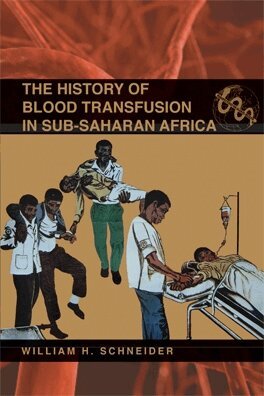
This first extensive study of the practice of blood transfusion in Africa traces the history of one of the most important therapies in modern medicine from the period of colonial rule to independence and the AIDS epidemic. The introduction of transfusion held great promise for improving health, but like most new medical practices, transfusion needed to be adapted to the needs of sub-Saharan Africa, for which there was no analogous treatment in traditional African medicine.This otherwise beneficent medical procedure also created a "royal road" for microorganisms, and thus played a central part in the emergence of human immune viruses in epidemic form. As with more developed health care systems, blood transfusion practices in sub-Saharan Africa were incapable of detecting the emergence of HIV. As a result, given the wide use of transfusion, it became an important pathway for the initial spread of AIDS. Yet African health officials were not without means to understand and respond to the new danger, thanks to forty years of experience and a framework of appreciating long-standing health risks. The response to this risk, detailed in this book, yields important insight into the history of epidemics and HIV/AIDS.Drawing on research from colonial-era governments, European Red Cross societies, independent African governments, and directly from health officers themselves, this book is the only historical study of the practice of blood transfusion in Africa.
Inbunden, Engelska, 2013
904 kr
Skickas inom 10-15 vardagar
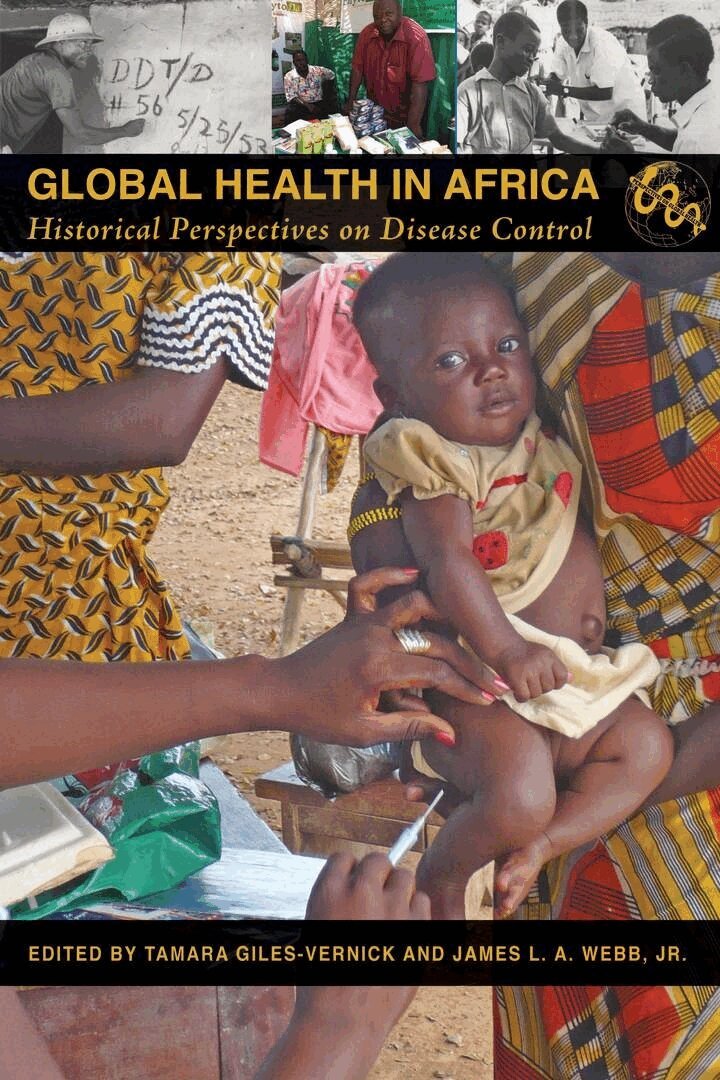
Global Health in Africa is a first exploration of selected histories of global health initiatives in Africa. The collection addresses some of the most important interventions in disease control, including mass vaccination, large-scale treatment and/or prophylaxis campaigns, harm reduction efforts, and nutritional and virological research.The chapters in this collection are organized in three sections that evaluate linkages between past, present, and emergent. Part I, "Looking Back," contains four chapters that analyze colonial-era interventions and reflect upon their implications for contemporary interventions. Part II, "The Past in the Present," contains essays exploring the historical dimensions and unexamined assumptions of contemporary disease control programs. Part III, "The Past in the Future," examines two fields of public health intervention in which efforts to reduce disease transmission and future harm are premised on an understanding of the past.This much-needed volume brings together international experts from the disciplines of demography, anthropology, and historical epidemiology. Covering health initiatives from smallpox vaccinations to malaria control to HIV campaigns, Global Health in Africa offers a first comprehensive look at some of global health's most important challenges.
Häftad, Engelska, 2013
386 kr
Skickas inom 10-15 vardagar
Global Health in Africa is a first exploration of selected histories of global health initiatives in Africa. The collection addresses some of the most important interventions in disease control, including mass vaccination, large-scale treatment and/or prophylaxis campaigns, harm reduction efforts, and nutritional and virological research.The chapters in this collection are organized in three sections that evaluate linkages between past, present, and emergent. Part I, "Looking Back," contains four chapters that analyze colonial-era interventions and reflect upon their implications for contemporary interventions. Part II, "The Past in the Present," contains essays exploring the historical dimensions and unexamined assumptions of contemporary disease control programs. Part III, "The Past in the Future," examines two fields of public health intervention in which efforts to reduce disease transmission and future harm are premised on an understanding of the past.This much-needed volume brings together international experts from the disciplines of demography, anthropology, and historical epidemiology. Covering health initiatives from smallpox vaccinations to malaria control to HIV campaigns, Global Health in Africa offers a first comprehensive look at some of global health's most important challenges.
Inbunden, Engelska, 2015
892 kr
Skickas inom 10-15 vardagar
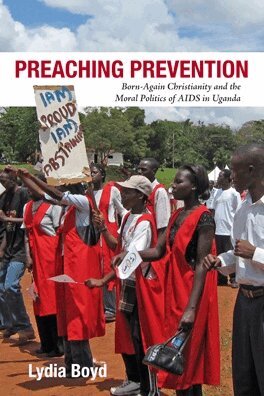
Preaching Prevention examines the controversial U.S. President's Emergency Plan for AIDS Relief (PEPFAR) initiative to "abstain and be faithful" as a primary prevention strategy in Africa. This ethnography of the born-again Christians who led the new anti-AIDS push in Uganda provides insight into both what it means for foreign governments to "export" approaches to care and treatment and the ways communities respond to and repurpose such projects. By examining born-again Christians' support of Uganda's controversial 2009 Anti-Homosexuality Bill, the book's final chapter explores the enduring tensions surrounding the message of personal accountability heralded by U.S. policy makers.Preaching Prevention is the first to examine the cultural reception of PEPFAR in Africa. Lydia Boyd asks, What are the consequences when individual responsibility and autonomy are valorized in public health initiatives and those values are at odds with the existing cultural context? Her book investigates the cultures of the U.S. and Ugandan evangelical communities and how the flow of U.S.-directed monies influenced Ugandan discourses about sexuality and personal agency. It is a pioneering examination of a global health policy whose legacies are still unfolding.
Häftad, Engelska, 2015
374 kr
Skickas inom 10-15 vardagar
Preaching Prevention examines the controversial U.S. President's Emergency Plan for AIDS Relief (PEPFAR) initiative to "abstain and be faithful" as a primary prevention strategy in Africa. This ethnography of the born-again Christians who led the new anti-AIDS push in Uganda provides insight into both what it means for foreign governments to "export" approaches to care and treatment and the ways communities respond to and repurpose such projects. By examining born-again Christians' support of Uganda's controversial 2009 Anti-Homosexuality Bill, the book's final chapter explores the enduring tensions surrounding the message of personal accountability heralded by U.S. policy makers.Preaching Prevention is the first to examine the cultural reception of PEPFAR in Africa. Lydia Boyd asks, What are the consequences when individual responsibility and autonomy are valorized in public health initiatives and those values are at odds with the existing cultural context? Her book investigates the cultures of the U.S. and Ugandan evangelical communities and how the flow of U.S.-directed monies influenced Ugandan discourses about sexuality and personal agency. It is a pioneering examination of a global health policy whose legacies are still unfolding.
Inbunden, Engelska, 2015
906 kr
Skickas inom 5-8 vardagar
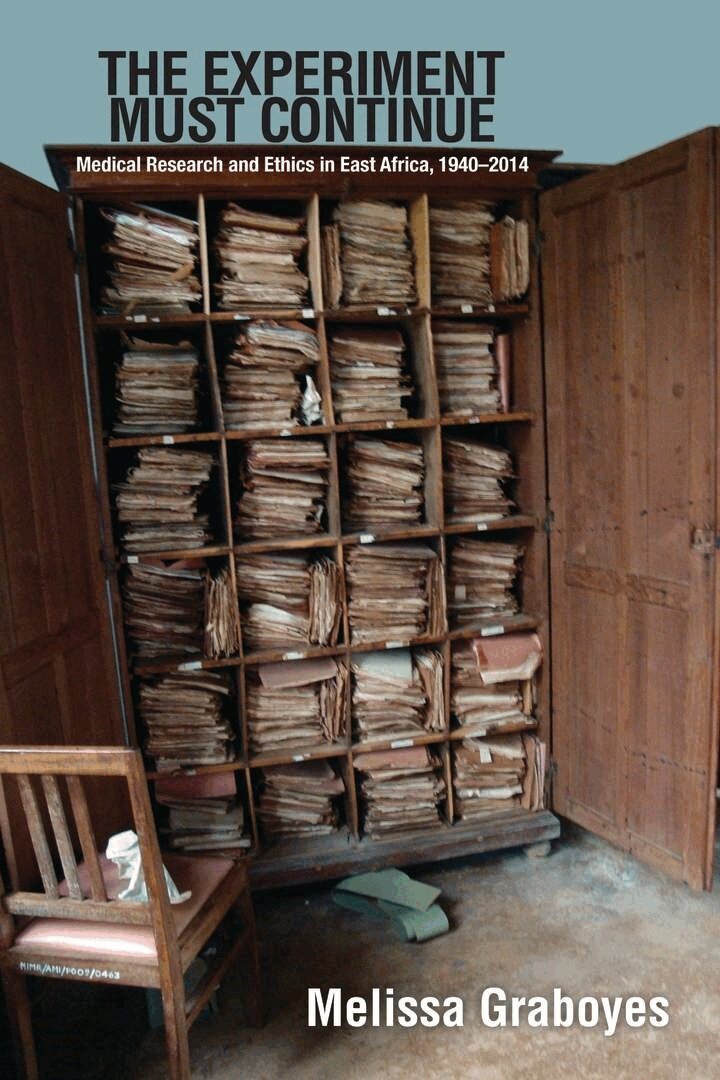
The Experiment Must Continue is a beautifully articulated ethnographic history of medical experimentation in East Africa from 1940 through 2014. In it, Melissa Graboyes combines her training in public health and in history to treat her subject with the dual sensitivities of a medical ethicist and a fine historian. She breathes life into the fascinating histories of research on human subjects, elucidating the hopes of the interventionists and the experiences of the putative beneficiaries.Historical case studies highlight failed attempts to eliminate tropical diseases, while modern examples delve into ongoing malaria and HIV/AIDS research. Collectively, these show how East Africans have perceived research differently than researchers do and that the active participation of subjects led to the creation of a hybrid ethical form.By writing an ethnography of the past and a history of the present, Graboyes casts medical experimentation in a new light, and makes the resounding case that we must readjust our dominant ideas of consent, participation, and exploitation. With global implications, this lively book is as relevant for scholars as it is for anyone invested in the place of medicine in society.
Häftad, Engelska, 2015
386 kr
Skickas inom 10-15 vardagar
The Experiment Must Continue is a beautifully articulated ethnographic history of medical experimentation in East Africa from 1940 through 2014. In it, Melissa Graboyes combines her training in public health and in history to treat her subject with the dual sensitivities of a medical ethicist and a fine historian. She breathes life into the fascinating histories of research on human subjects, elucidating the hopes of the interventionists and the experiences of the putative beneficiaries.Historical case studies highlight failed attempts to eliminate tropical diseases, while modern examples delve into ongoing malaria and HIV/AIDS research. Collectively, these show how East Africans have perceived research differently than researchers do and that the active participation of subjects led to the creation of a hybrid ethical form.By writing an ethnography of the past and a history of the present, Graboyes casts medical experimentation in a new light, and makes the resounding case that we must readjust our dominant ideas of consent, participation, and exploitation. With global implications, this lively book is as relevant for scholars as it is for anyone invested in the place of medicine in society.
Inbunden, Engelska, 2017
918 kr
Skickas inom 10-15 vardagar
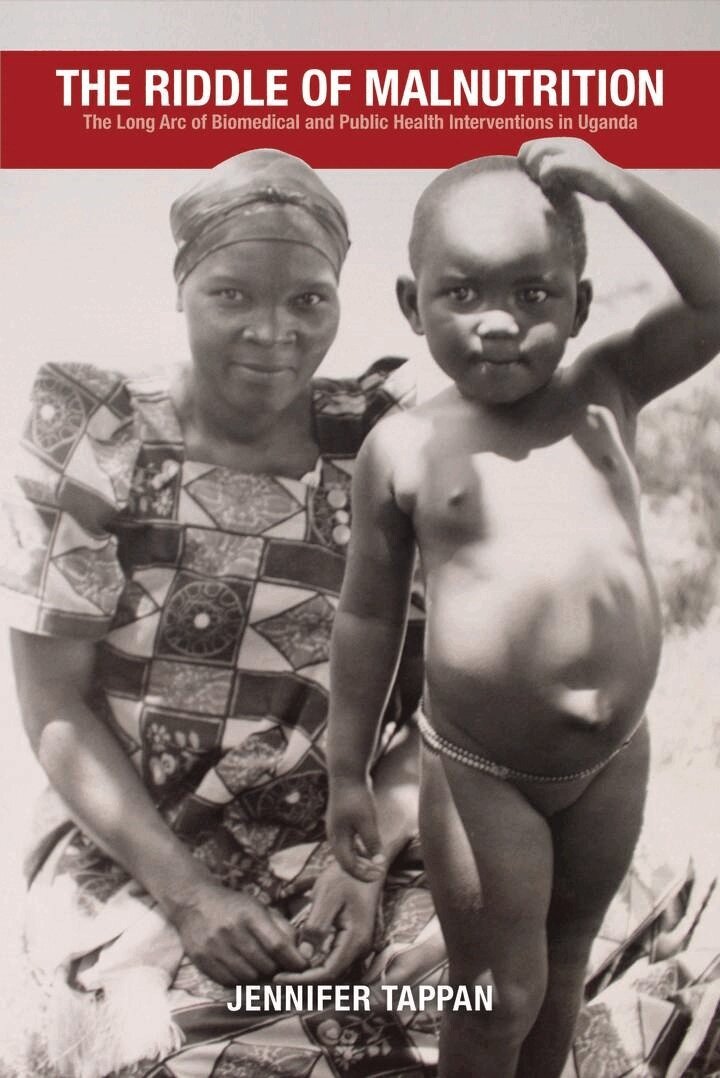
More than ten million children suffer from severe acute malnutrition globally each year. In Uganda, longstanding efforts to understand, treat, and then prevent the condition initially served to medicalize it, in the eyes of both biomedical personnel and Ugandans who brought their children to the hospital for treatment and care. Medicalization meant malnutrition came to be seen as a disease—as a medical emergency—not a preventable condition, further compromising nutritional health in Uganda.Rather than rely on a foreign-led model, physicians in Uganda responded to this failure by developing a novel public health program known as Mwanamugimu. The new approach prioritized local expertise and empowering Ugandan women, blending biomedical knowledge with African sensibilities and cultural competencies.In The Riddle of Malnutrition, Jennifer Tappan examines how over the course of half a century Mwanamugimu tackled the most fatal form of childhood malnutrition—kwashiorkor—and promoted nutritional health in the midst of postcolonial violence, political upheaval, and neoliberal resource constraints. She draws on a diverse array of sources to illuminate the interplay between colonialism, the production of scientific knowledge, and the delivery of health services in contemporary Africa.
Häftad, Engelska, 2017
386 kr
Skickas inom 10-15 vardagar
More than ten million children suffer from severe acute malnutrition globally each year. In Uganda, longstanding efforts to understand, treat, and then prevent the condition initially served to medicalize it, in the eyes of both biomedical personnel and Ugandans who brought their children to the hospital for treatment and care. Medicalization meant malnutrition came to be seen as a disease—as a medical emergency—not a preventable condition, further compromising nutritional health in Uganda.Rather than rely on a foreign-led model, physicians in Uganda responded to this failure by developing a novel public health program known as Mwanamugimu. The new approach prioritized local expertise and empowering Ugandan women, blending biomedical knowledge with African sensibilities and cultural competencies.In The Riddle of Malnutrition, Jennifer Tappan examines how over the course of half a century Mwanamugimu tackled the most fatal form of childhood malnutrition—kwashiorkor—and promoted nutritional health in the midst of postcolonial violence, political upheaval, and neoliberal resource constraints. She draws on a diverse array of sources to illuminate the interplay between colonialism, the production of scientific knowledge, and the delivery of health services in contemporary Africa.
Inbunden, Engelska, 2021
892 kr
Skickas inom 5-8 vardagar
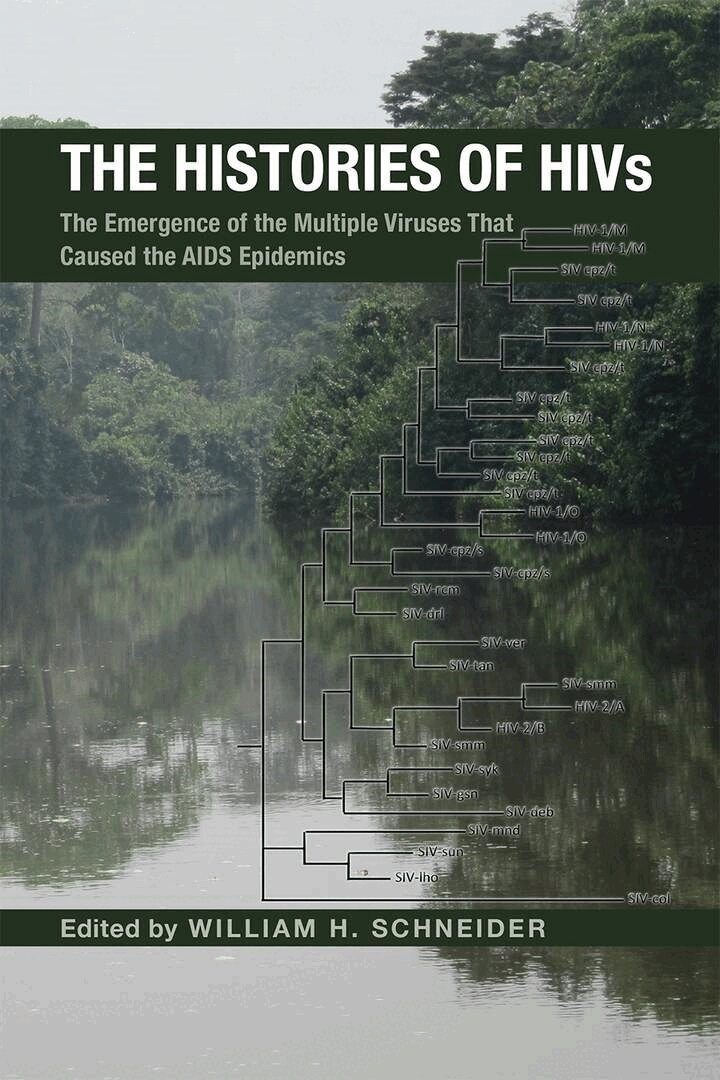
This new collection of essays on HIV viruses spans disciplines to topple popular narratives about the origins of the AIDS pandemic and the impact of the disease on public health policy. With a death toll in the tens of millions, the AIDS pandemic was one of the worst medical disasters of the past century. The disease was identified in 1981, at the height of miraculous postwar medical achievements, including effective antibiotics, breakthrough advances in heart surgery and transplantations, and cheap, safe vaccines—smallpox had been eradicated just a few years earlier. Arriving as they did during this era of confidence in modern medicine, the HIV epidemics shook the public's faith in health science. Despite subsequent success in identifying, testing, and treating AIDS, the emergence of epidemics and outbreaks of Ebola, Zika, and the novel coronaviruses (SARS and COVID-19) are stark reminders that such confidence in modern medicine is not likely to be restored until the emergence of these viruses is better understood.This collection combines the work of major social science and humanities scholars with that of virologists and epidemiologists to provide a broader understanding of the historical, social, and cultural circumstances that produced the pandemic. The authors argue that the emergence of the HIV viruses and their epidemic spread were not the result of a random mutation but rather broader new influences whose impact depended upon a combination of specific circumstances at different places and times. The viruses emerged and were transmitted according to population movement and urbanization, changes in sexual relations, new medical procedures, and war. In this way, the AIDS pandemic was not a chance natural occurrence, but a human-made disaster.Essays by: Ernest M. Drucker, Tamara Giles-Vernick, Ch. Didier Gondola, Guillaume Lachenal, Amandine Lauro, Preston A. Marx, Stephanie Rupp, François Simon, Jorge Varanda
Häftad, Engelska, 2022
394 kr
Skickas inom 5-8 vardagar
This new collection of essays on HIV viruses spans disciplines to topple popular narratives about the origins of the AIDS pandemic and the impact of the disease on public health policy. With a death toll in the tens of millions, the AIDS pandemic was one of the worst medical disasters of the past century. The disease was identified in 1981, at the height of miraculous postwar medical achievements, including effective antibiotics, breakthrough advances in heart surgery and transplantations, and cheap, safe vaccines—smallpox had been eradicated just a few years earlier. Arriving as they did during this era of confidence in modern medicine, the HIV epidemics shook the public's faith in health science. Despite subsequent success in identifying, testing, and treating AIDS, the emergence of epidemics and outbreaks of Ebola, Zika, and the novel coronaviruses (SARS and COVID-19) are stark reminders that such confidence in modern medicine is not likely to be restored until the emergence of these viruses is better understood.This collection combines the work of major social science and humanities scholars with that of virologists and epidemiologists to provide a broader understanding of the historical, social, and cultural circumstances that produced the pandemic. The authors argue that the emergence of the HIV viruses and their epidemic spread were not the result of a random mutation but rather broader new influences whose impact depended upon a combination of specific circumstances at different places and times. The viruses emerged and were transmitted according to population movement and urbanization, changes in sexual relations, new medical procedures, and war. In this way, the AIDS pandemic was not a chance natural occurrence, but a human-made disaster.Essays by: Ernest M. Drucker, Tamara Giles-Vernick, Ch. Didier Gondola, Guillaume Lachenal, Amandine Lauro, Preston A. Marx, Stephanie Rupp, François Simon, Jorge Varanda
Häftad, Engelska, 2024
365 kr
Skickas
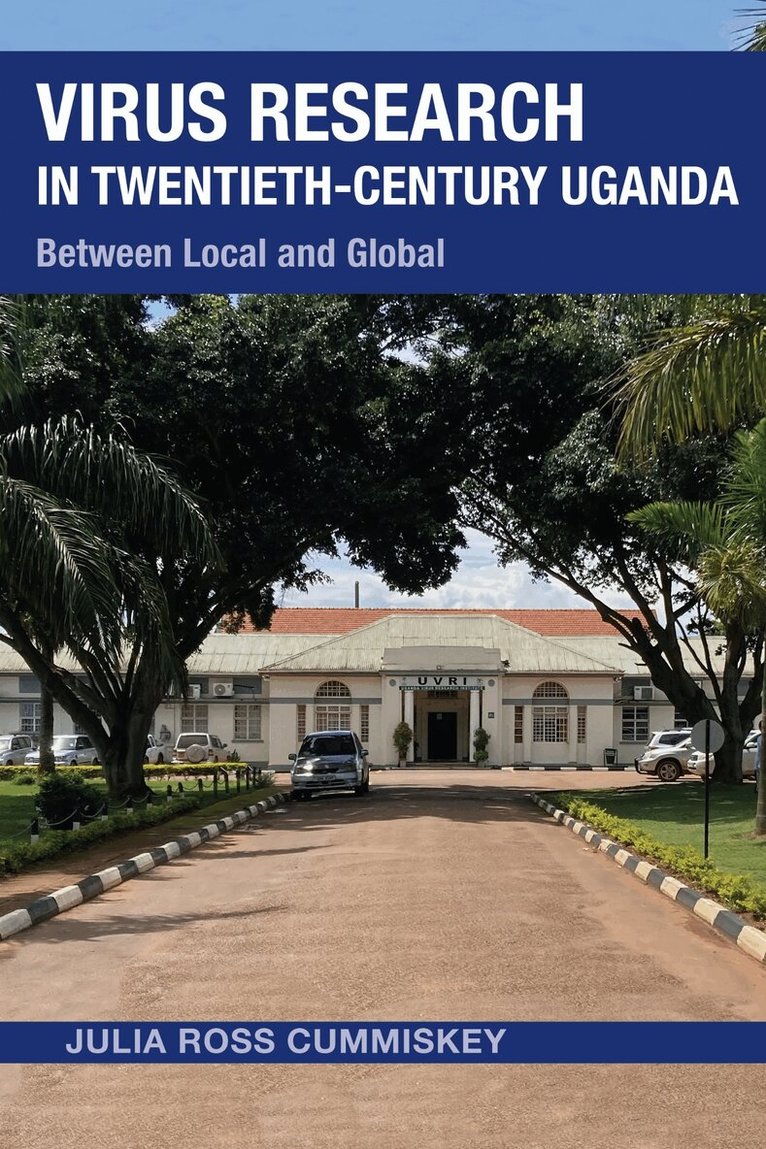
Virus Research in Twentieth-Century Uganda presents the stories of scientists at the Uganda Virus Research Institute (UVRI), a biomedical center founded in 1936. The book analyzes the strategies and conditions that allowed the institute to endure and thrive through successive political and scientific regimes of the interwar period, the postwar period, the transition to independence, the conflicts of the 1970s and 1980s, and the Museveni presidency. Julia Ross Cummiskey combines methods and themes from the history of medicine and public health, science and technology studies, and African studies to show that the story of the UVRI and the people who worked there transforms our understanding of the nature of local and international expertise and the evolution of global health research over the course of the twentieth century.Global health is one of the chief areas in which African and foreign institutions interact today. Billions of dollars are invested in global health projects on the continent, many involving strategically selected “local partners.” In the discourse of these projects, local and global are often framed as complementary but distinct categories of people, institutions, traditions, and practices. But the history of biomedical research at the UVRI shows that these distinctions are unstable and mutable and that people and institutions have mobilized both categories to attract funding, professional prestige, and research opportunities. The book complicates the local/global binary that is implicit (and sometimes explicit) in many studies of colonial, international, and global health and medical research, especially in Africa. Moreover, it challenges assumptions about global health as an enterprise dominated by researchers based in the Global North and recenters the history of biomedicine in Africa.
Inbunden, Engelska, 2024
892 kr
Skickas inom 5-8 vardagar
Virus Research in Twentieth-Century Uganda presents the stories of scientists at the Uganda Virus Research Institute (UVRI), a biomedical center founded in 1936. The book analyzes the strategies and conditions that allowed the institute to endure and thrive through successive political and scientific regimes of the interwar period, the postwar period, the transition to independence, the conflicts of the 1970s and 1980s, and the Museveni presidency. Julia Ross Cummiskey combines methods and themes from the history of medicine and public health, science and technology studies, and African studies to show that the story of the UVRI and the people who worked there transforms our understanding of the nature of local and international expertise and the evolution of global health research over the course of the twentieth century.Global health is one of the chief areas in which African and foreign institutions interact today. Billions of dollars are invested in global health projects on the continent, many involving strategically selected “local partners.” In the discourse of these projects, local and global are often framed as complementary but distinct categories of people, institutions, traditions, and practices. But the history of biomedical research at the UVRI shows that these distinctions are unstable and mutable and that people and institutions have mobilized both categories to attract funding, professional prestige, and research opportunities. The book complicates the local/global binary that is implicit (and sometimes explicit) in many studies of colonial, international, and global health and medical research, especially in Africa. Moreover, it challenges assumptions about global health as an enterprise dominated by researchers based in the Global North and recenters the history of biomedicine in Africa.
Inbunden, Engelska, 2025
1 002 kr
Skickas inom 5-8 vardagar
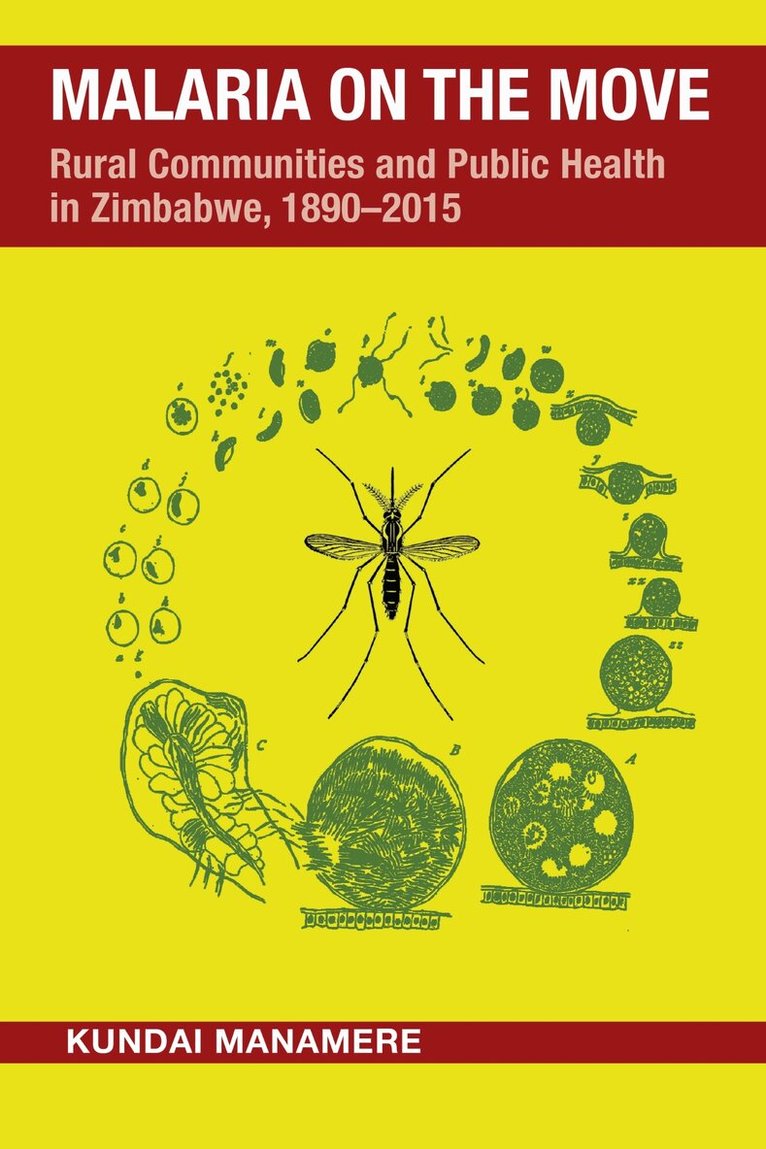
Malaria on the Move explores the socioeconomic aspects of endemic malaria in the southeastern lowveld of Zimbabwe. The book provides a historical analysis of malaria control and eradication programs in Rhodesia and independent Zimbabwe from the late nineteenth century to 2015. Kundai Manamere draws connections between malaria epidemiology and human mobility relating to large- and small-scale farming, labor migration, colonial displacement, war, and rural-to-urban movements. She examines how circular labor migration and rural travel influence the risk of malaria for individuals and communities and shows how migration and travel have spread the disease and impeded control efforts. More importantly, the book demonstrates that the need to travel for work is an indicator of a local hierarchy of priorities. It reaffirms the urgent need for partners in malaria control to consider local socioeconomic factors in the design and implementation of intervention programs. The inclusion of local contexts, perspectives, and voices in formulating national and global public health policies and interventions is critical to addressing public noncooperation.To date, biomedical studies of malaria outnumber socioeconomic and political studies of the disease. Manamere advocates for a multipronged approach that goes beyond standard scientific research methods. Her approach incorporates how socioeconomic considerations of recipient communities influence malaria epidemiology, local perceptions of the disease, and responses to interventions. This context is particularly important for understanding why malaria has remained a global health challenge and why so many interventions have failed. Scientifically, malaria is a disease of the landscape, and its ecological complexity poses challenges to its eradication. Yet biological and ecological landscapes are not exclusive factors in the spread of disease; as Manamere demonstrates, the socioeconomic environment is equally important.
Häftad, Engelska, 2025
380 kr
Skickas inom 5-8 vardagar
Malaria on the Move explores the socioeconomic aspects of endemic malaria in the southeastern lowveld of Zimbabwe. The book provides a historical analysis of malaria control and eradication programs in Rhodesia and independent Zimbabwe from the late nineteenth century to 2015. Kundai Manamere draws connections between malaria epidemiology and human mobility relating to large- and small-scale farming, labor migration, colonial displacement, war, and rural-to-urban movements. She examines how circular labor migration and rural travel influence the risk of malaria for individuals and communities and shows how migration and travel have spread the disease and impeded control efforts. More importantly, the book demonstrates that the need to travel for work is an indicator of a local hierarchy of priorities. It reaffirms the urgent need for partners in malaria control to consider local socioeconomic factors in the design and implementation of intervention programs. The inclusion of local contexts, perspectives, and voices in formulating national and global public health policies and interventions is critical to addressing public noncooperation.To date, biomedical studies of malaria outnumber socioeconomic and political studies of the disease. Manamere advocates for a multipronged approach that goes beyond standard scientific research methods. Her approach incorporates how socioeconomic considerations of recipient communities influence malaria epidemiology, local perceptions of the disease, and responses to interventions. This context is particularly important for understanding why malaria has remained a global health challenge and why so many interventions have failed. Scientifically, malaria is a disease of the landscape, and its ecological complexity poses challenges to its eradication. Yet biological and ecological landscapes are not exclusive factors in the spread of disease; as Manamere demonstrates, the socioeconomic environment is equally important.
Inbunden, Engelska, 2025
1 223 kr
Skickas inom 5-8 vardagar
Kibong’oto Hospital, opened in 1926, is an East African tuberculosis treatment center located on the slopes of Mount Kilimanjaro. Its history is crucial to understanding tuberculosis in Tanzania and, more broadly, in Africa. With the hospital as a point of departure, Christoph Gradmann presents a history of this disease that engages with local and regional contexts rather than with international elite science and health policies.The book addresses key questions about the African experience with tuberculosis:-What did it mean to do clinical science on tuberculosis in colonial and postcolonial contexts?-Along which trajectories did medical practice and research evolve in a place where international advances in medical science were sometimes heard of only faintly and where resources could be scarce?-How did a large hospital with several hundred beds dedicated to the treatment of just one condition figure in the development of national and regional health systems?-How did Kibong’oto Hospital, a pride of colonial health governance, transition after Tanzania gained independence?-How did treating and researching tuberculosis change throughout the twentieth century in an African hospital dedicated to that condition?-How did research at the hospital contribute to tuberculosis-control strategies on national and international levels?The book is based on the hospital’s unique archive: its surviving library of thousands of case summaries. Since 1926, this library has documented an enormous number of patient lives, staff careers, diagnoses, treatments, clinical trials, and much more. For today’s readers, the library provides insight into a history of clinical medicine in Africa, for which very few comparable archives exist.Gradmann supplements this site-specific research with material from national and international archives, as well as interviews with former staff involved in that history. The book’s four chapters offer perspectives on colonial epidemiological research in the interwar years; on late colonial healthcare development plans and the arrival of modern drug therapies; on the role of a national tuberculosis hospital in a newly independent country; and on the history of tuberculosis control in an age of economic crisis, HIV, and emergent global health-treatment programs. Finally, Gradmann discusses what the history of a large hospital can add to today’s tuberculosis research, control policy, and historiography.
Häftad, Engelska, 2025
378 kr
Skickas
Kibong’oto Hospital, opened in 1926, is an East African tuberculosis treatment center located on the slopes of Mount Kilimanjaro. Its history is crucial to understanding tuberculosis in Tanzania and, more broadly, in Africa. With the hospital as a point of departure, Christoph Gradmann presents a history of this disease that engages with local and regional contexts rather than with international elite science and health policies.The book addresses key questions about the African experience with tuberculosis:-What did it mean to do clinical science on tuberculosis in colonial and postcolonial contexts?-Along which trajectories did medical practice and research evolve in a place where international advances in medical science were sometimes heard of only faintly and where resources could be scarce?-How did a large hospital with several hundred beds dedicated to the treatment of just one condition figure in the development of national and regional health systems?-How did Kibong’oto Hospital, a pride of colonial health governance, transition after Tanzania gained independence?-How did treating and researching tuberculosis change throughout the twentieth century in an African hospital dedicated to that condition?-How did research at the hospital contribute to tuberculosis-control strategies on national and international levels?The book is based on the hospital’s unique archive: its surviving library of thousands of case summaries. Since 1926, this library has documented an enormous number of patient lives, staff careers, diagnoses, treatments, clinical trials, and much more. For today’s readers, the library provides insight into a history of clinical medicine in Africa, for which very few comparable archives exist.Gradmann supplements this site-specific research with material from national and international archives, as well as interviews with former staff involved in that history. The book’s four chapters offer perspectives on colonial epidemiological research in the interwar years; on late colonial healthcare development plans and the arrival of modern drug therapies; on the role of a national tuberculosis hospital in a newly independent country; and on the history of tuberculosis control in an age of economic crisis, HIV, and emergent global health-treatment programs. Finally, Gradmann discusses what the history of a large hospital can add to today’s tuberculosis research, control policy, and historiography.