William H. Schneider – författare
Visar alla böcker från författaren William H. Schneider. Handla med fri frakt och snabb leverans.
14 produkter
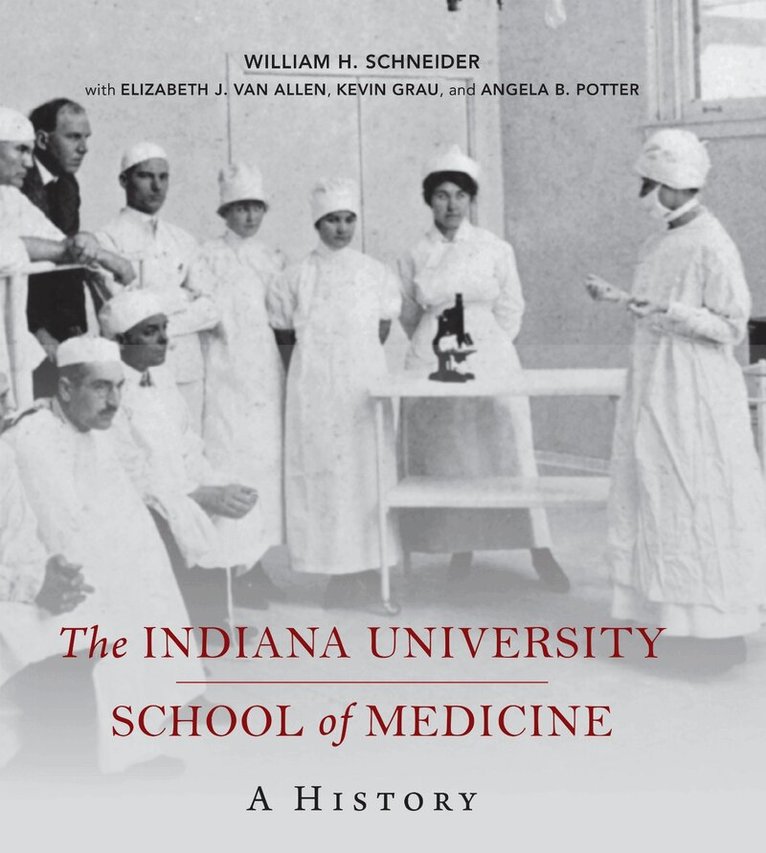
Indiana University School of Medicine
A History
Inbunden, 2021
411 kr
Lägg i varukorg
The Indiana University School of Medicine: A History tells the story of the school and its faculty and students in fascinating detail. Founded in the early 20th century, the Indiana University School of Medicine went on to become a leading medical facility, preparing students for careers in …
Empire for the Masses
The French Popular Image of Africa, 1870-1900
Inbunden, 1982
950 kr
Lägg i varukorg
Quality and Quantity
The Quest for Biological Regeneration in Twentieth-Century France
Av William H. Schneider, Charles Rosenberg m. fl.
Inbunden, 1990
1861 kr
Lägg i varukorg
This book, first published in 1991, examines in detail how eugenics in early twentieth-century France provided a broad cover for a variety of reform movements that attempted to bring about the biological regeneration of the French population. Like several other societies during this period, France …
Quality and Quantity
The Quest for Biological Regeneration in Twentieth-Century France
Av William H. Schneider, Charles Rosenberg m. fl.
Häftad, 2002
803 kr
Lägg i varukorg
This book, first published in 1991, examines in detail how eugenics in early twentieth-century France provided a broad cover for a variety of reform movements that attempted to bring about the biological regeneration of the French population. Like several other societies during this period, France …
History of Blood Transfusion in Sub-Saharan Africa
Häftad, 2013
399 kr
Lägg i varukorg
This first extensive study of the practice of blood transfusion in Africa traces the history of one of the most important therapies in modern medicine from the period of colonial rule to independence and the AIDS epidemic. The introduction of transfusion held great promise for improving health, but …
Histories of HIVs
The Emergence of the Multiple Viruses That Caused the AIDS Epidemics
Inbunden, 2021
927 kr
Lägg i varukorg
This new collection of essays on HIV viruses spans disciplines to topple popular narratives about the origins of the AIDS pandemic and the impact of the disease on public health policy. With a death toll in the tens of millions, the AIDS pandemic was one of the worst medical disasters of the past …
Histories of HIVs
The Emergence of the Multiple Viruses That Caused the AIDS Epidemics
Häftad, 2022
409 kr
Lägg i varukorg
This new collection of essays on HIV viruses spans disciplines to topple popular narratives about the origins of the AIDS pandemic and the impact of the disease on public health policy. With a death toll in the tens of millions, the AIDS pandemic was one of the worst medical disasters of the past …
History of Blood Transfusion in Sub-Saharan Africa
E-bok, 2013
611 kr
Lägg i varukorg
This first extensive study of the practice of blood transfusion in Africa traces the history of one of the most important therapies in modern medicine from the period of colonial rule to independence and the AIDS epidemic. The introduction of transfusion held great promise for improving health, but …
Ludwik Hirszfeld
The Story of One Life
Av Marta A. Balinska, William H. Schneider
Inbunden, 2010
603 kr
Lägg i varukorg
An annotated English translation of the autobiography of Polish microbiologist Ludwik Hirszfeld (1884-1954), with a focus on his contributions to international public health.Ludwik Hirszfeld (1884-1954), one of the most prominent serologists of the twentieth century, discovered the inheritance and …
Ludwik Hirszfeld
The Story of One Life
Av Marta A. Balinska, William H. Schneider
Häftad, 2013
604 kr
Lägg i varukorg
An annotated English translation of the autobiography of Polish microbiologist Ludwik Hirszfeld (1884-1954), with a focus on his contributions to international public health.Ludwik Hirszfeld (1884-1954), one of the most prominent serologists of the twentieth century, discovered the inheritance and …
China and the Globalization of Biomedicine
Av David Luesink, William H. Schneider m. fl.
Inbunden, 2019
1346 kr
Lägg i varukorg
Argues that developments in biomedicine in China should be at the center of our understanding of biomedicine, not at the peripheryToday China is a major player in advancing the frontiers of biomedicine, yet previous accounts have examined only whether medical ideas and institutions created in the …
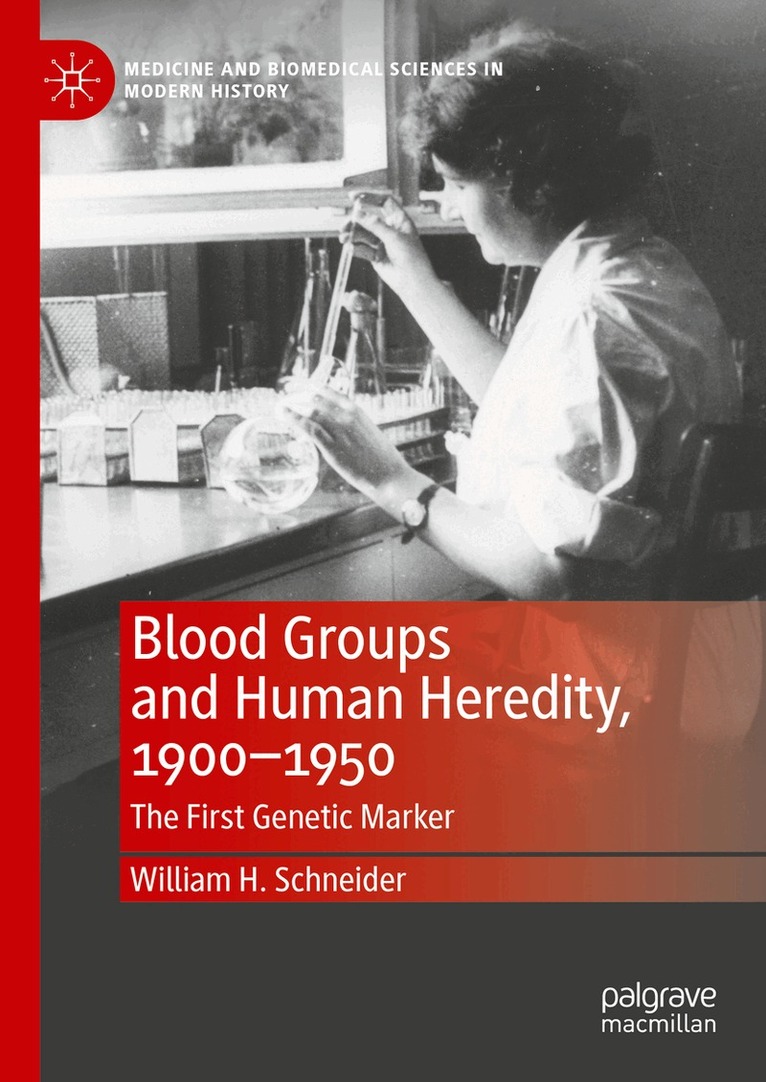
Blood Groups and Human Heredity, 1900-1950
The First Genetic Marker
Inbunden, 2024
1692 kr
Lägg i varukorg
This monograph presents a detailed analysis of the beginning and rapid establishment of blood group research in the first half of the twentieth century. The main theme of this book is how blood groups were used as a scientific explanation of differences in race, health, and human behaviour. The …
Blood Groups and Human Heredity, 1900-1950
The First Genetic Marker
E-bok, 2024
2127 kr
Lägg i varukorg
This monograph presents a detailed analysis of the beginning and rapid establishment of blood group research in the first half of the twentieth century. The main theme of this book is how blood groups were used as a scientific explanation of differences in race, health, and human behaviour. The …
Blood Groups and Human Heredity, 1900-1950
The First Genetic Marker
Häftad, 2025
1692 kr
Lägg i varukorg
This monograph presents a detailed analysis of the beginning and rapid establishment of blood group research in the first half of the twentieth century. The main theme of this book is how blood groups were used as a scientific explanation of differences in race, health, and human behaviour. The …