Picturing History - Böcker
Visar alla böcker i serien Picturing History. Handla med fri frakt och snabb leverans.
4 produkter
4 produkter
195 kr
Skickas inom 7-10 vardagar
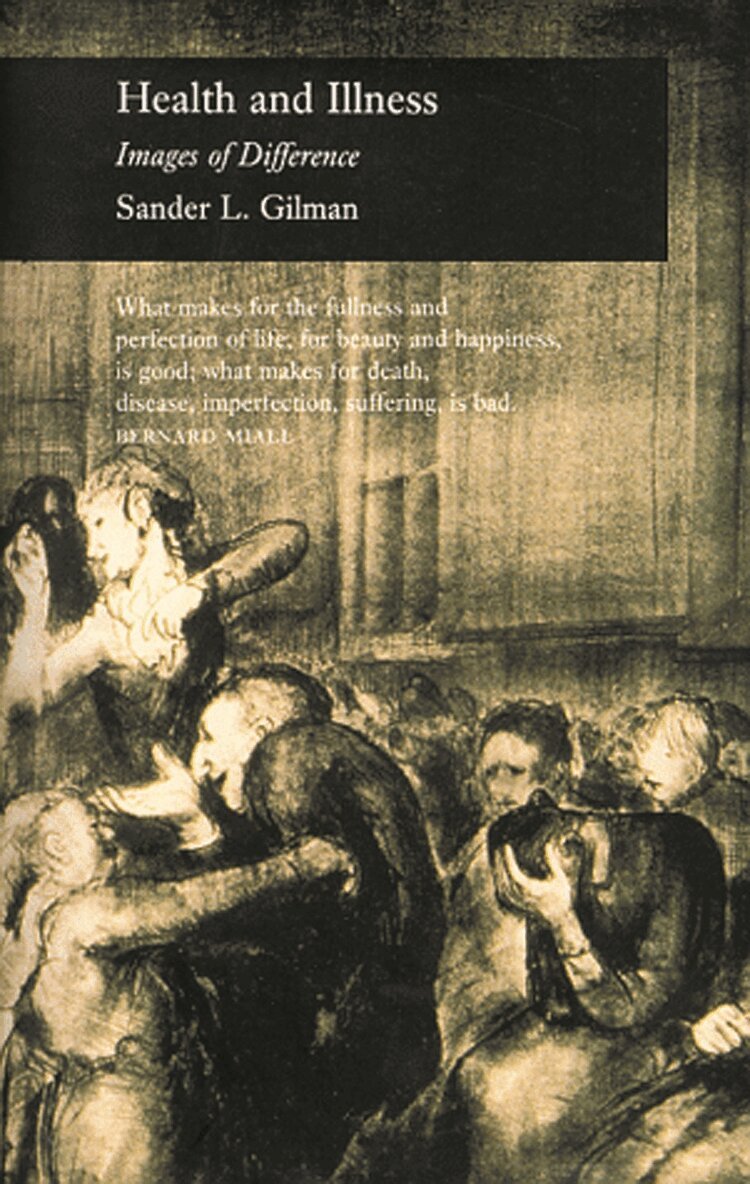
Ours is a culture riddled with preoccupations about health and disease. In this timely study Sander L. Gilman demonstrates how images of beauty and ugliness have constructed a visual history which records the artificial boundaries that continue to divide ‘healthy’ bodies from ones that are ill. He shows how cultural fantasies of health and illness have come to be identified and defined by means of visual, aesthetic criteria – for the healthy is now seen as beautiful and the ill as ugly.How did these categories acquire medical associations? The history of our perception of the ‘beautiful body’ is charged with anxieties about contagion and ugliness and, furthermore, entangled with political implications brought about by our all-too-frequent interpretation of ‘race’ as a medical category. Sander Gilman looks at how nineteenth-century theorists collected medical and racial data from the shapes of noses, and at contemporary fears concerning syphilis, vividly personified in the diseased hero of Leroux’s The Phantom of the Opéra. He also scrutinizes Mark Twain’s frank account of a visit to the Holy Land for signs of implicit prejudice about the health or illness of the resident Arabs and Jews. These concerns are brought up-to-date when the author turns to pathological case histories and recent AIDS posters issued by governments worldwide.This is more than simply a history of medicine augmented by visual evidence; its true originality lies in reading from the same visual sources an otherwise unnoticed aestheticization of the body. In so doing, Sander Gilman has discovered a new, exciting, alternative reading of the history of health and illness.
395 kr
Skickas inom 7-10 vardagar
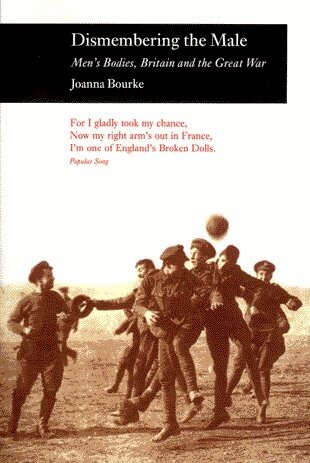
That notions of femininity were seriously disrupted during the First World War has become obvious in recent years. But what happened to masculinity at the same time? Based on letters, diaries and oral histories, Dismembering the Male explores the impact of the ‘war to end all wars’ on the male body.Joanna Bourke argues convincingly that military experiences led to a greater sharing of gender identities between men of different classes and ages. She concludes that attempts to construct a new type of masculinity failed as the threat of another war, and with it the sacrifice of a new generation of men, intensified.
326 kr
Skickas
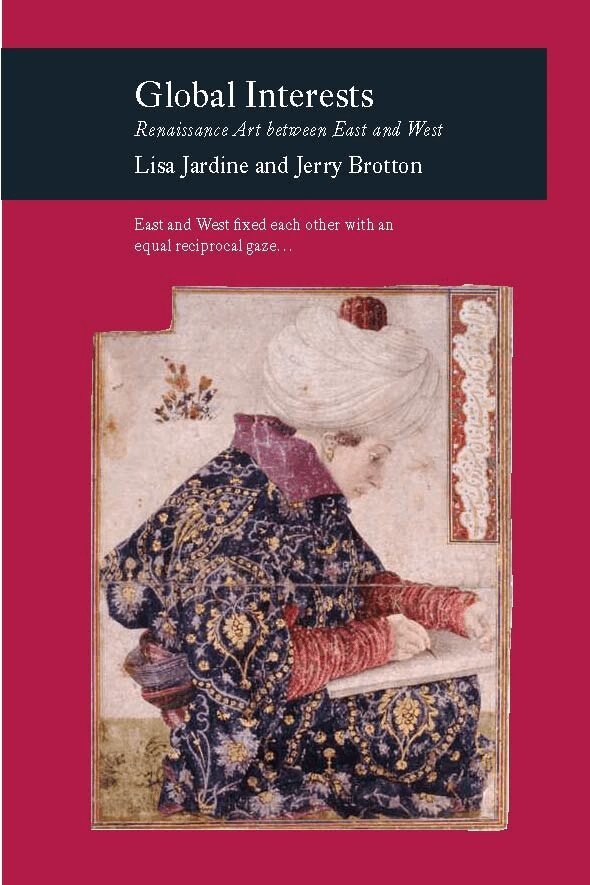
In this radical and wide-ranging reassessment of Renaissance art, Jerry Brotton and Lisa Jardine examine the ways in which European culture came to define itself culturally and aesthetically in the years 1450 to 1550. Looking outwards for confirmation of who they were and of what defined them as ‘civilized’, Europeans encountered the returning gaze of what we now call the East, in particular the powerful Ottoman Empire of Mehmed the Conqueror and Süleyman the Magnificent. Global Interests explores these historical interactions by offering new and exciting accounts of three often neglected art objects: portrait medals, tapestries and equestrian art. The portability of medals and tapestries, and the transportability of, and esteem accorded to, pure-bred Eastern horses made them frequently exchanged objects, and, as such, highly revealing of the cultural currents flowing between Occident and Orient. The authors provide fascinating new responses to some of the most iconic paintings of the period, including the work of Pisanello, Leonardo, Dürer, Holbein and Titian.Global Interests also offers a timely reassessment of the development of European imperialism, focusing on the Habsburg Empire of Charles V, and concludes with a consideration of the impact this history continues to have upon contemporary perceptions of European culture and ethnic identity.
396 kr
Skickas inom 7-10 vardagar
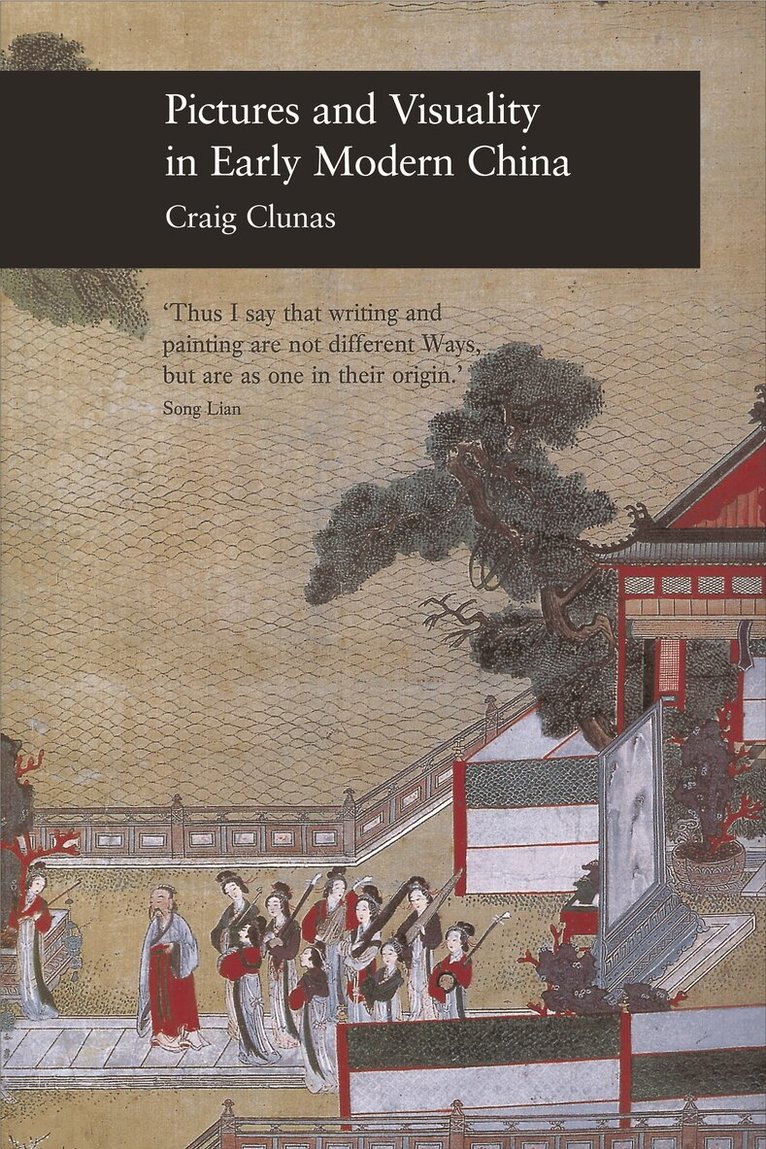
The sixteenth century in China was a period of rapid and unprecedented economic expansion. The period also saw a parallel growth in the sphere of cultural production,as a growing class of consumers benefited from the formation of one of the classic early modern consumer societies.Pictures were a major source of consumable luxury at this time; pictures not only in the form of images classifiable as ‘art’, but also in the form of wall decoration, in books, maps, images on ceramics, and even on the dress of the prosperous. Artefacts that had previously been decorated with formal patterns now bore landscape scenes, representations of historical characters and incidents, and scenes from literature, often closely related to the world of the illustrated book.This is the first attempt to survey this vast array of images in all its aspects, providing a stimulating and innovative point of entry to Chinese history. Pictures and Visuality in Early Modern China will be of interest to students of China’s history and culture and to anyone exploring theories of visuality.