Posthumanities and Citizenship Futures - Böcker
Visar alla böcker i serien Posthumanities and Citizenship Futures. Handla med fri frakt och snabb leverans.
4 produkter
4 produkter
1 142 kr
Skickas inom 10-15 vardagar
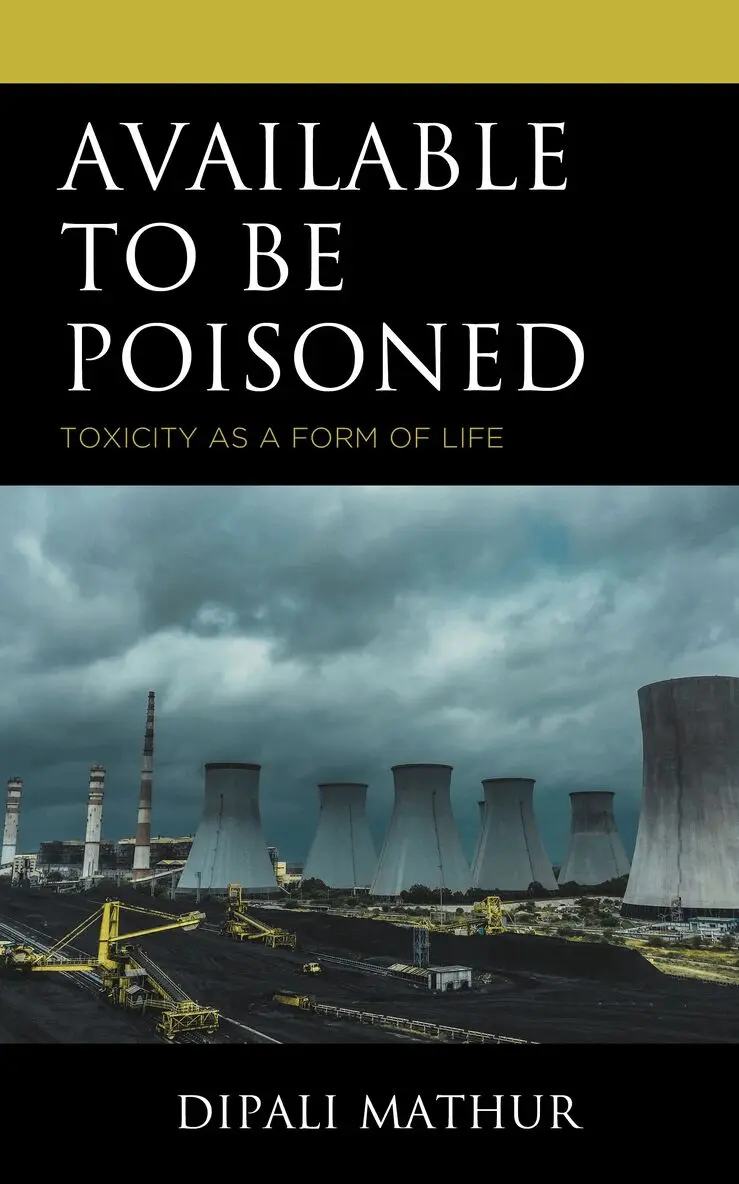
In Available to Be Poisoned: Toxicity as a Form of Life, Dipali Mathur contends that the saturation of the planet with toxic chemicals marks a deliberate and violent relationship with the Earth and its "others," born of colonialism and capitalism’s entwined histories. Mathur offers the concept of "toxicity as a form of life" to signpost the normalization of toxic exposure and analyzes how states use toxicity to control populations on the fringes of our global political economy by making them available to be poisoned.
1 237 kr
Skickas inom 10-15 vardagar
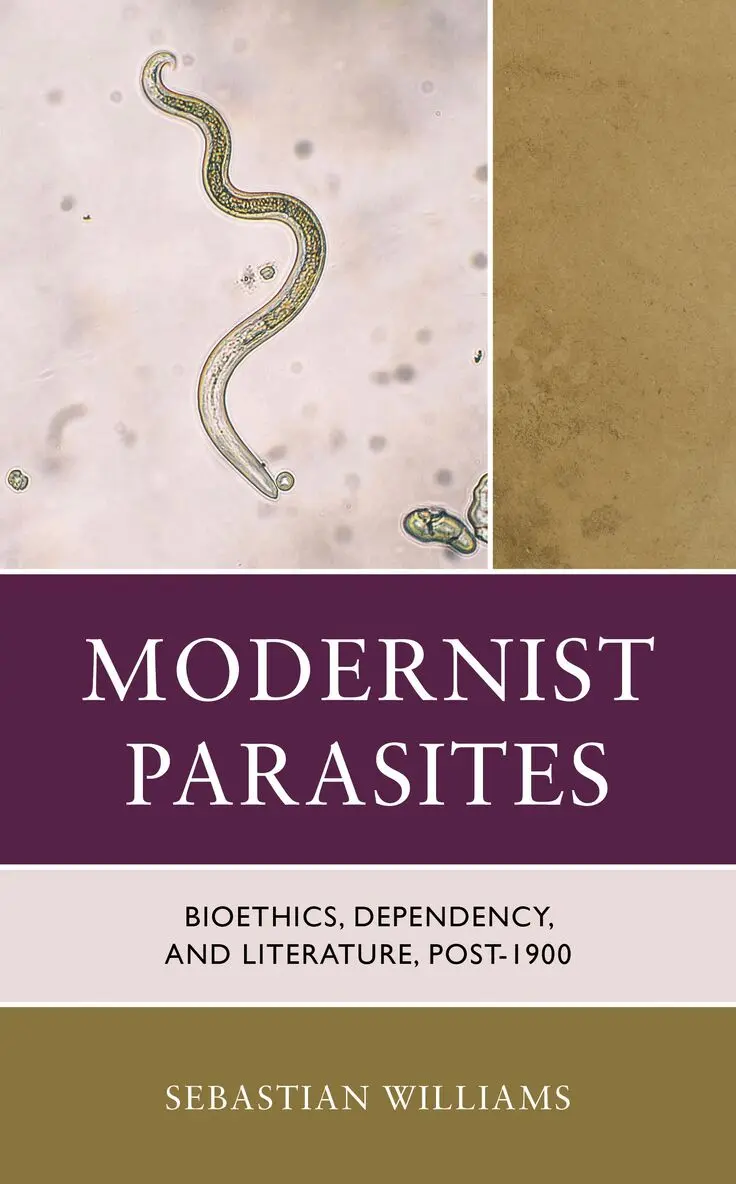
Modernist Parasites: Bioethics, Dependency, and Literature, Post-1900 analyzes biological and social parasites in the political, scientific, and literary imagination. With the rise of Darwinism, eugenics, and parasitology in the late nineteenth century, Sebastian Williams posits that the “parasite” came to be humanity’s ultimate other—a dangerous antagonist. But many authors such as Isaac Rosenberg, John Steinbeck, Franz Kafka, Clarice Lispector, Nella Larsen, and George Orwell reconsider parasitism. Ultimately, parasites inherently depend on others for their survival, illustrating the limits of ethical models that privilege the discrete individual above interdependent communities.
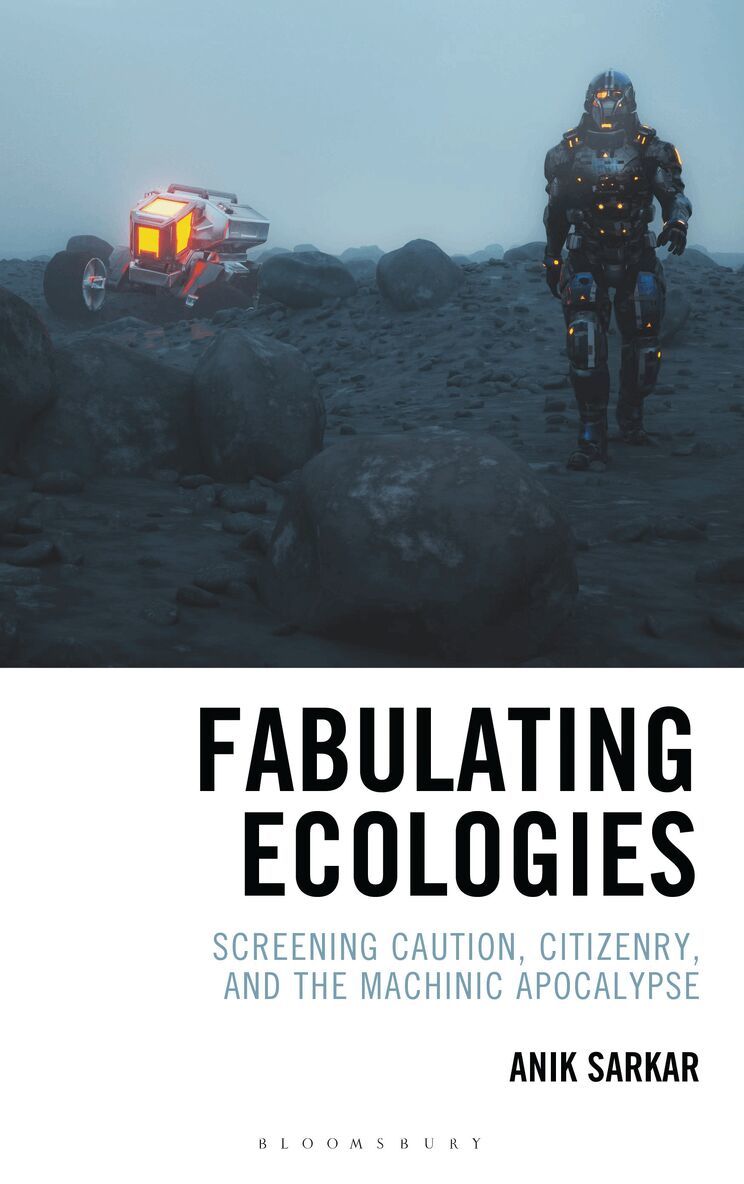
Fabulating Ecologies
Screening Caution, Citizenry, and the Machinic Apocalypse
Inbunden, Engelska, 2026
1 324 kr
Kommande
Fabulating Ecologies: Screening Caution, Citizenry, and the Machinic Apocalypse undertakes a comprehensive exploration into the world of eco-fabulations within cinematic narratives. The chapters navigate speculative and futuristic possibilities in films, ideating entangled existences within domains that transcend the human experience. With such a framework, the work provokes a reassessment of established paradigms around environment, techno-apocalypse, citizenship, and anthropocentrism, all within the context of a fluid and evolving posthuman thought in contemporary science fiction cinema. Many recent films and media forms associated with the science fiction genre have effectively exhibited premonitions about impending planetary threats, and the ones explored in this book are a small part of a larger lineage of films. This book recognizes such films as “cautionary” forms of media because they create an instinctive feeling of urgency. Cautionary cinema efficiently transmits narratives of foreboding, comprising the capacity to portray both fear and hope, through a combination of disruptive shock and empathetic resonance. The argument for machinocene being a logical supersedence to the Anthropocene is strengthened by the ubiquitous presence of heavy machinery and unrestrained technology in these ecologies that tilt us toward a calamitous vision of the future.
1 009 kr
Skickas inom 10-15 vardagar
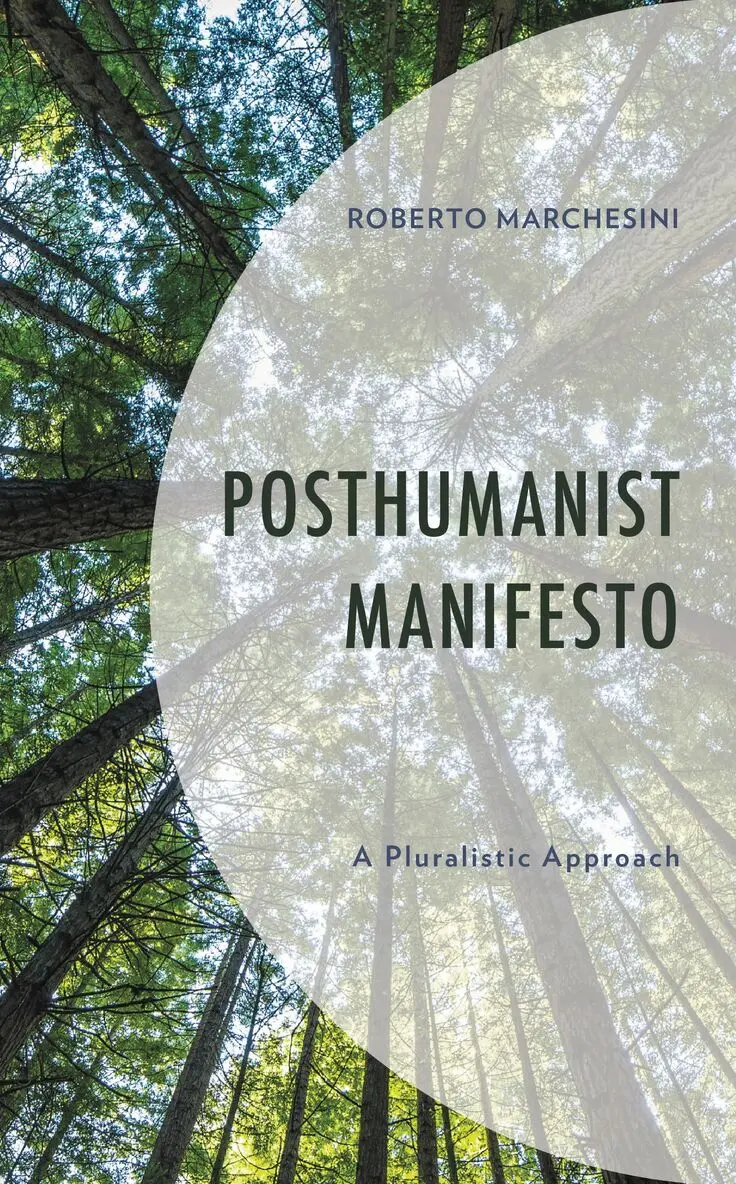
Posthumanist Manifesto: A Pluralistic Approach compares the posthumanist proposal with humanism and transhumanism in ethics, aesthetics, ontology, and epistemology. Roberto Marchesini clarifies the specificity of the posthumanist approach and the novelty of its theoretical and applicative program. Beyond theoretical aspects of poshumanism, this book proposes new approaches to social models, personal rights and citizenship, the relationship between the biosphere and the ecological crisis, and the impact of technology.This book answers questions such as “What is posthumanism and why does it have this definition?”; “How does posthumanism differ from other theoretical approaches?”; and “What are the urgencies to be addressed for posthumanist critique?” The author explores how posthumanism interprets technology in relationship with the body, how to think of a posthumanist anthropology, what ontological transformations posthumanism introduces, and why we can talk about a paradigmatic metamorphosis with respect to humanism, as posthumanism thinks and plans the society of the future.