Q19: the Queer American Nineteenth Century – serie
Visar alla böcker i serien Q19: the Queer American Nineteenth Century. Handla med fri frakt och snabb leverans.
10 produkter
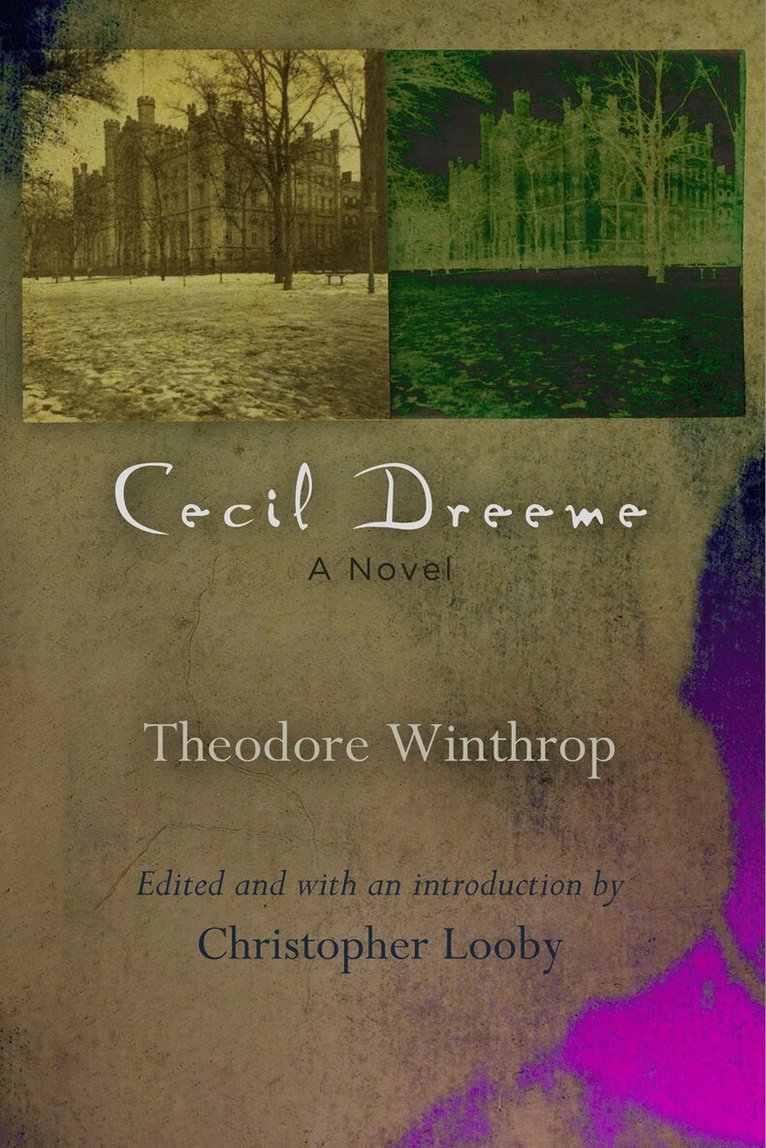
Cecil Dreeme
Av Theodore Winthrop, Christopher Looby
Häftad, 2016
380 kr
Lägg i varukorg
"Heterosexuality, this novel forthrightly claims, is a poor substitute for passionate love between men-and heterosexuality's historical emergence in the nineteenth century is consequently, Cecil Dreeme laments, a grave misfortune."-Christopher Looby, from the IntroductionFreshly returned to New …
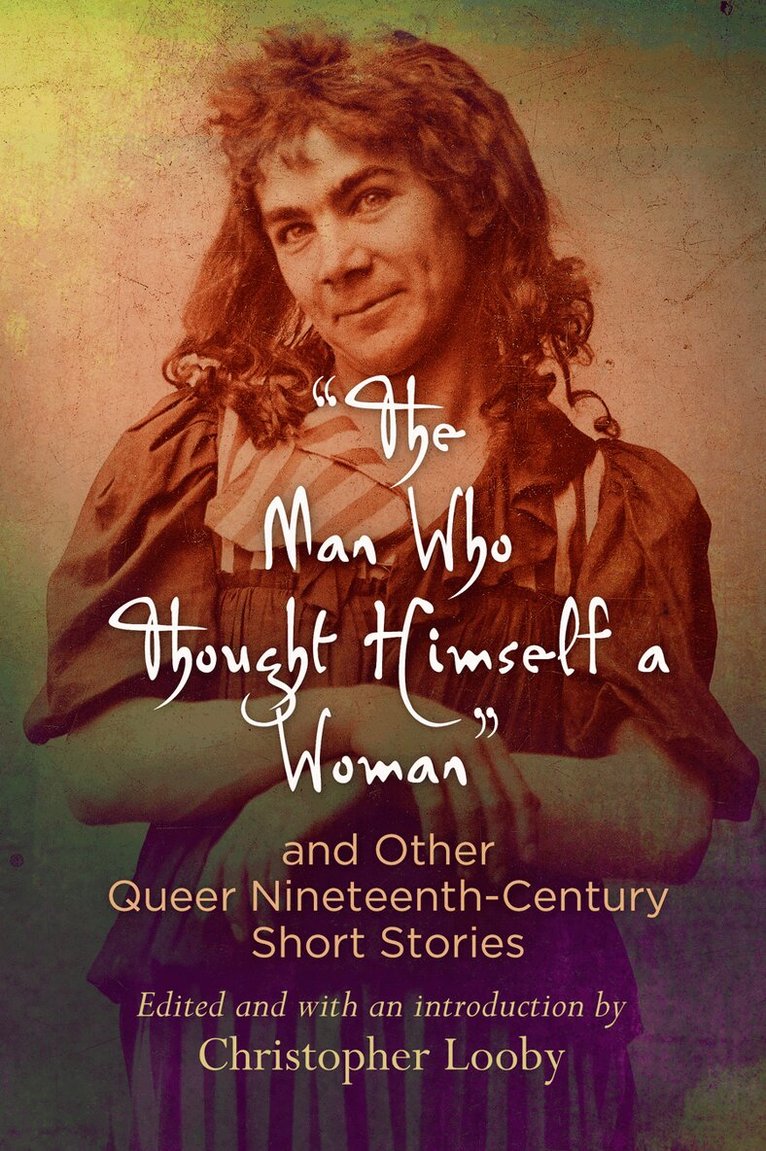
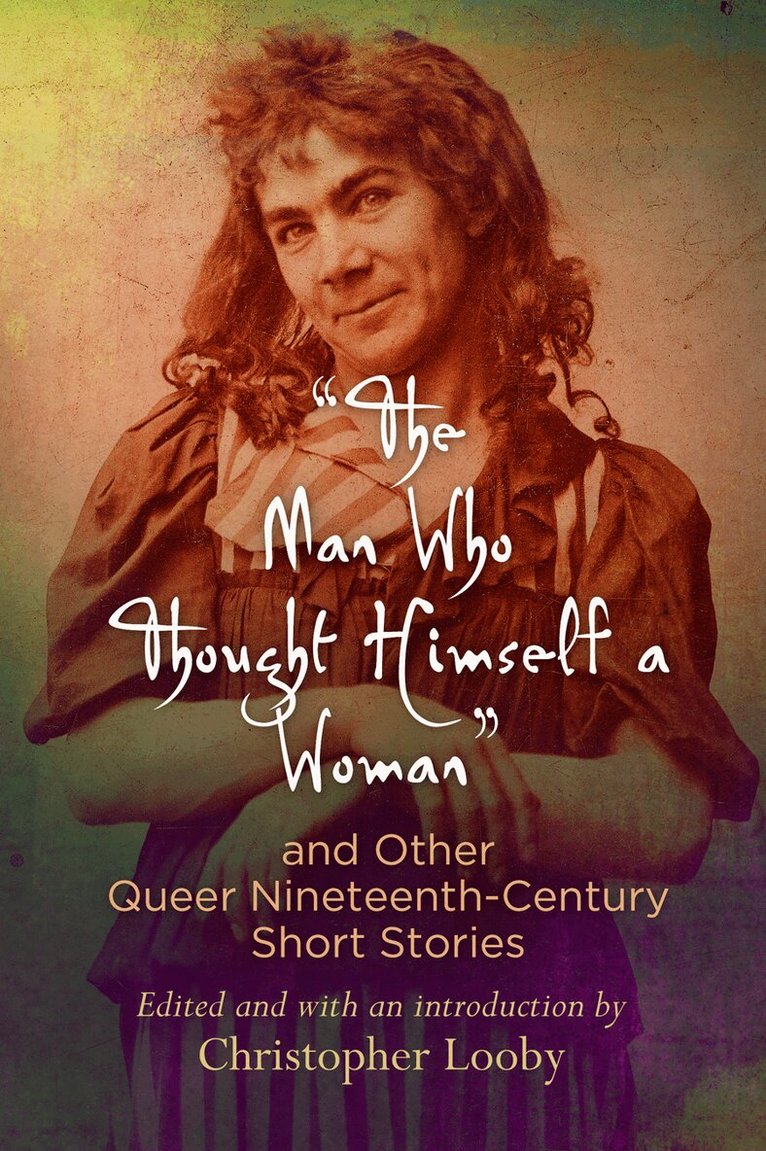
"the Man Who Thought Himself a Woman" and Other Queer Nineteenth-Century Short Stories
Häftad, 2017
445 kr
Lägg i varukorg
"Perhaps it is no coincidence that the nineteenth century-the century when, it has been said, sexuality as such (and various taxonomized sexual identities) were invented-is the period when American short stories were invented, and when they were the queerest."-Christopher Looby, from the …
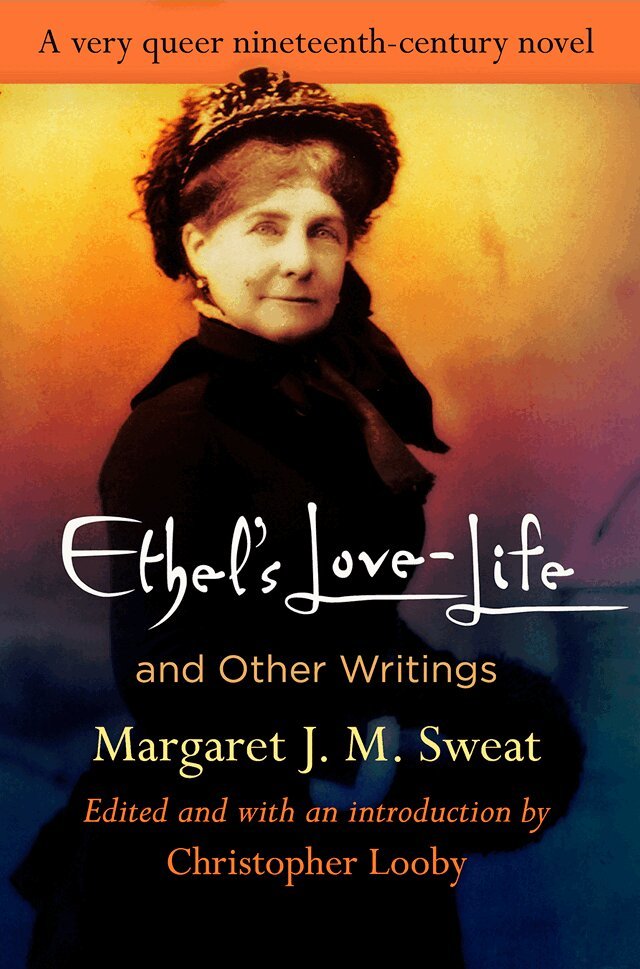
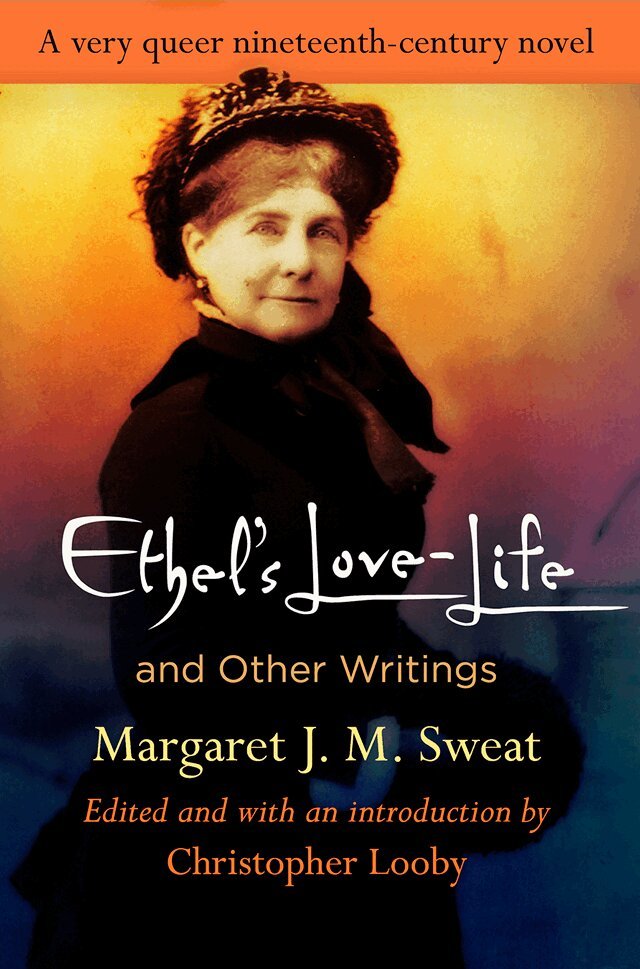
"Ethel's Love-Life" and Other Writings
Av Margaret J. M. Sweat, Christopher Looby
Häftad, 2020
364 kr
Lägg i varukorg
In a series of lengthy letters, the unsettled and unruly Ethel Sutherland writes to an initially unnamed and ungendered correspondent, and patiently discloses the troubled history of her past romantic attachments to both men and women. Not until the third letter does she reveal that her …
Cecil Dreeme
Av Theodore Winthrop, Christopher Looby
E-bok, 2016
477 kr
Lägg i varukorg
"Heterosexuality, this novel forthrightly claims, is a poor substitute for passionate love between men-and heterosexuality's historical emergence in the nineteenth century is consequently, Cecil Dreeme laments, a grave misfortune."-Christopher Looby, from the IntroductionFreshly returned to New …
"the Man Who Thought Himself a Woman" and Other Queer Nineteenth-Century Short Stories
E-bok, 2016
562 kr
Lägg i varukorg
"Perhaps it is no coincidence that the nineteenth century-the century when, it has been said, sexuality as such (and various taxonomized sexual identities) were invented-is the period when American short stories were invented, and when they were the queerest."-Christopher Looby, from the …
"Ethel's Love-Life" and Other Writings
Av Margaret J. M. Sweat, Christopher Looby
E-bok, 2020
431 kr
Lägg i varukorg
In a series of lengthy letters, the unsettled and unruly Ethel Sutherland writes to an initially unnamed and ungendered correspondent, and patiently discloses the troubled history of her past romantic attachments to both men and women. Not until the third letter does she reveal that her …
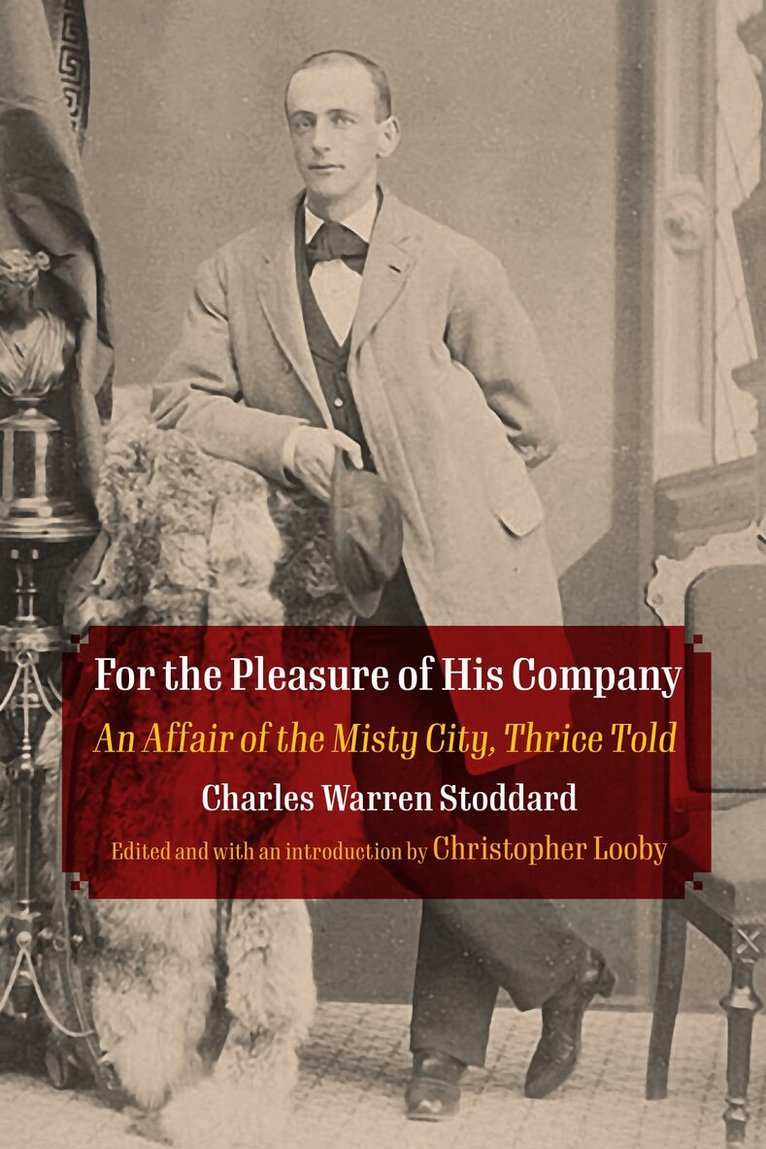
For the Pleasure of His Company
An Affair of the Misty City, Thrice Told
Av Charles Warren Stoddard, Christopher Looby
Häftad, 2023
441 kr
Lägg i varukorg
Charles Warren Stoddard (1843–1909) was, during his life, an acclaimed and prolific writer in multiple genres: poetry, travel sketches, personal memoir, and conversion narrative. His most popular works were dispatches primarily from the South Sea Islands but also extended into Palestine, Egypt, and …
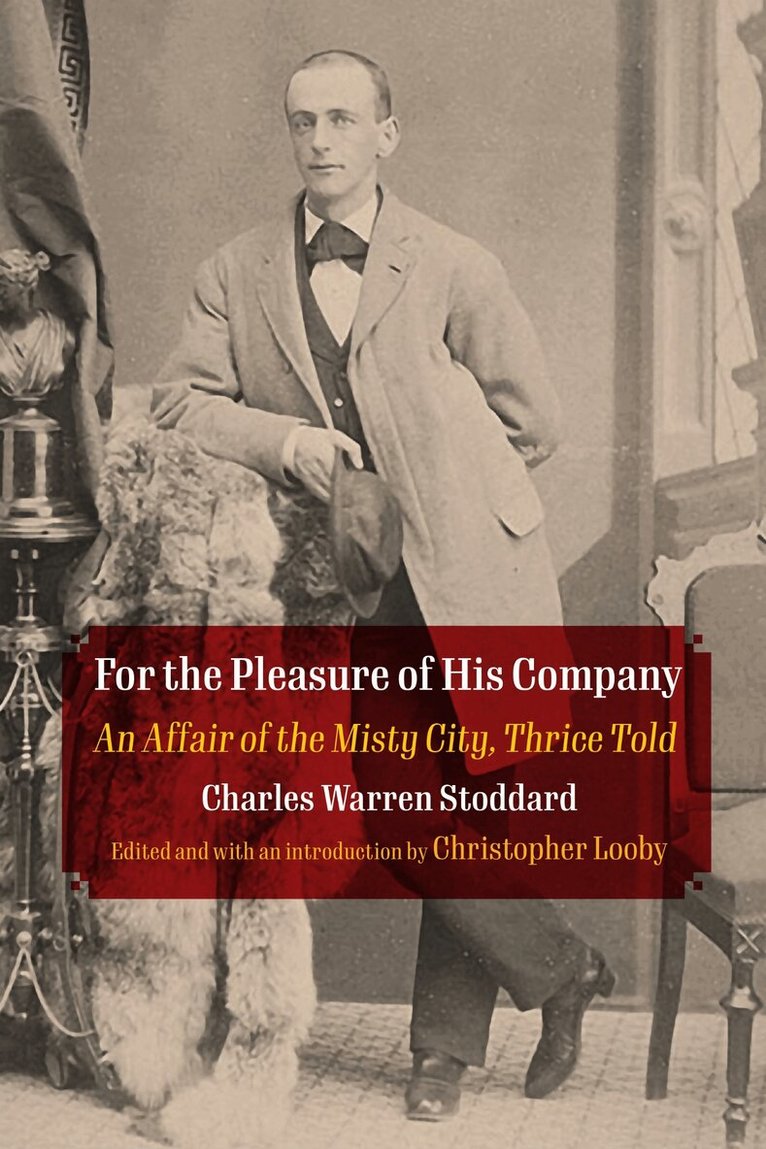
For the Pleasure of His Company
An Affair of the Misty City, Thrice Told
Av Charles Warren Stoddard, Christopher Looby
E-bok, 2023
550 kr
Lägg i varukorg
Charles Warren Stoddard (1843–1909) was, during his life, an acclaimed and prolific writer in multiple genres: poetry, travel sketches, personal memoir, and conversion narrative. His most popular works were dispatches primarily from the South Sea Islands but also extended into Palestine, Egypt, and …
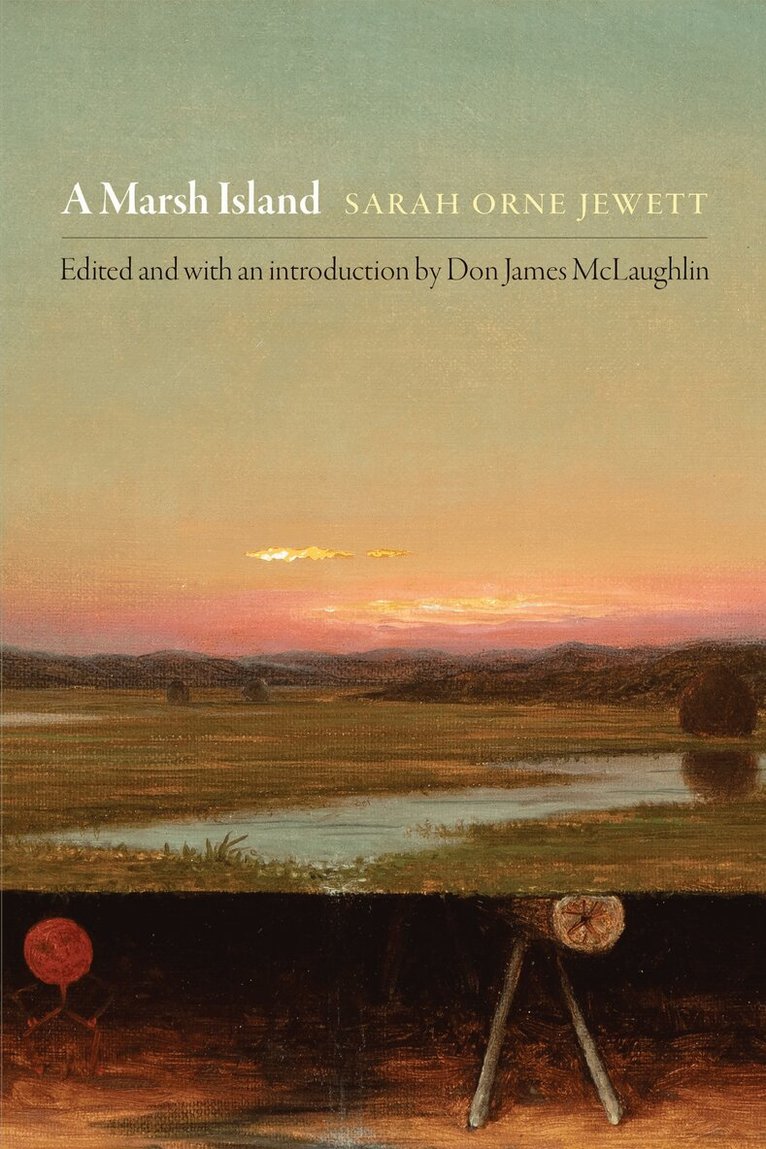
Marsh Island
Av Sarah Orne Jewett, Don James McLaughlin
Häftad, 2023
457 kr
Lägg i varukorg
Toward the end of her life, Sarah Orne Jewett (1849–1909) made a surprising disclosure. Instead of the critically lauded The Country of the Pointed Firs, Jewett declared her "best story" to be A Marsh Island (1885), a little-known novel. Why? One reason is that it demonstrates Jewett's range. Known …
Marsh Island
Av Sarah Orne Jewett, Don James McLaughlin
E-bok, 2023
550 kr
Lägg i varukorg
Toward the end of her life, Sarah Orne Jewett (1849–1909) made a surprising disclosure. Instead of the critically lauded The Country of the Pointed Firs, Jewett declared her "best story" to be A Marsh Island (1885), a little-known novel. Why? One reason is that it demonstrates Jewett's range. Known …