Don James McLaughlin – författare
Visar alla böcker från författaren Don James McLaughlin. Handla med fri frakt och snabb leverans.
5 produkter
Phobia and American Literature, 1705–1937
A Therapeutic History
Inbunden, 2025
1226 kr
Lägg i varukorg
Phobia and American Literature, 1705-1937: A Therapeutic History tells a neglected, two-century history of phobia's gradual emergence as a variable suffix in medicine, politics, and literature, ready to be appended to an array of objects, situations, and ideas. Across psychology's early American …
Phobia and American Literature, 1705-1937
A Therapeutic History
E-bok, 2025
1105 kr
Lägg i varukorg
Phobia and American Literature, 1705-1937: A Therapeutic History tells a neglected, two-century history of phobia''s gradual emergence as a variable suffix in medicine, politics, and literature, ready to be appended to an array of objects, situations, and ideas. Across psychology''s early American …
Phobia and American Literature, 1705-1937
A Therapeutic History
E-bok, 2025
1081 kr
Lägg i varukorg
Phobia and American Literature, 1705-1937: A Therapeutic History tells a neglected, two-century history of phobia''s gradual emergence as a variable suffix in medicine, politics, and literature, ready to be appended to an array of objects, situations, and ideas. Across psychology''s early American …
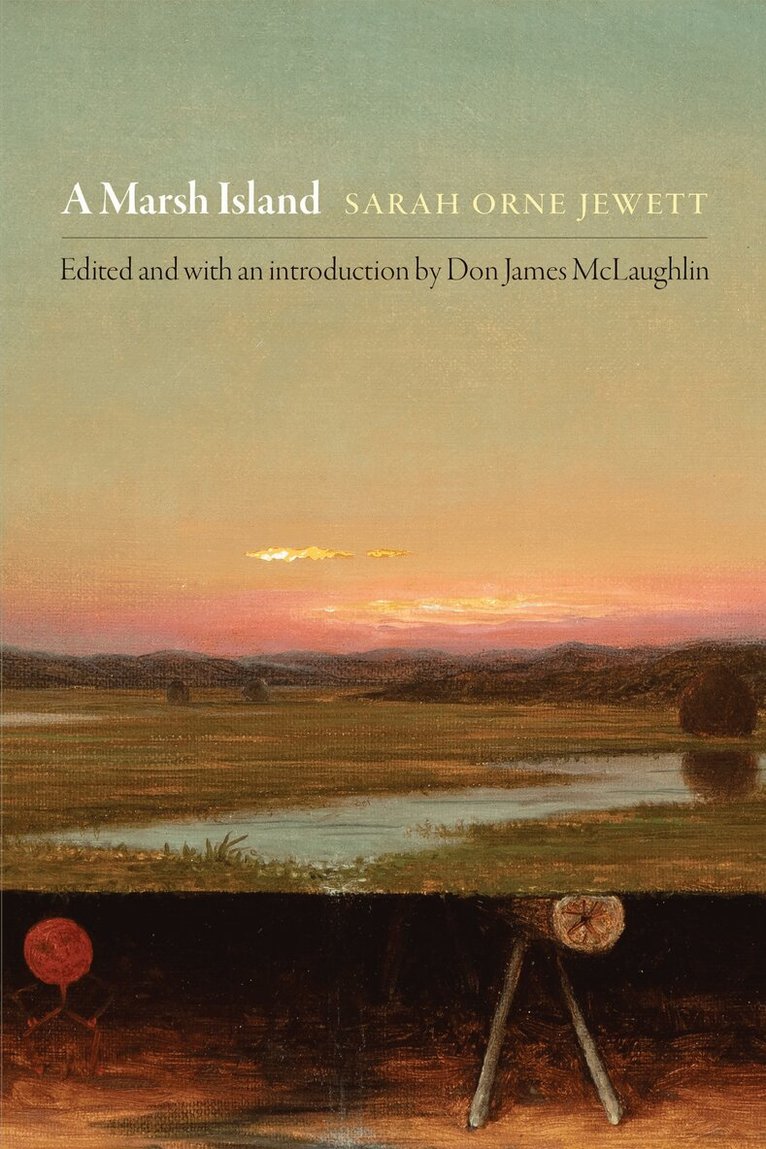
Marsh Island
Av Sarah Orne Jewett, Don James McLaughlin
Häftad, 2023
457 kr
Lägg i varukorg
Toward the end of her life, Sarah Orne Jewett (1849–1909) made a surprising disclosure. Instead of the critically lauded The Country of the Pointed Firs, Jewett declared her "best story" to be A Marsh Island (1885), a little-known novel. Why? One reason is that it demonstrates Jewett's range. Known …
Marsh Island
Av Sarah Orne Jewett, Don James McLaughlin
E-bok, 2023
550 kr
Lägg i varukorg
Toward the end of her life, Sarah Orne Jewett (1849–1909) made a surprising disclosure. Instead of the critically lauded The Country of the Pointed Firs, Jewett declared her "best story" to be A Marsh Island (1885), a little-known novel. Why? One reason is that it demonstrates Jewett's range. Known …