Religious Minorities in the North - Böcker
Visar alla böcker i serien Religious Minorities in the North. Handla med fri frakt och snabb leverans.
8 produkter
8 produkter
1 029 kr
Skickas inom 5-8 vardagar
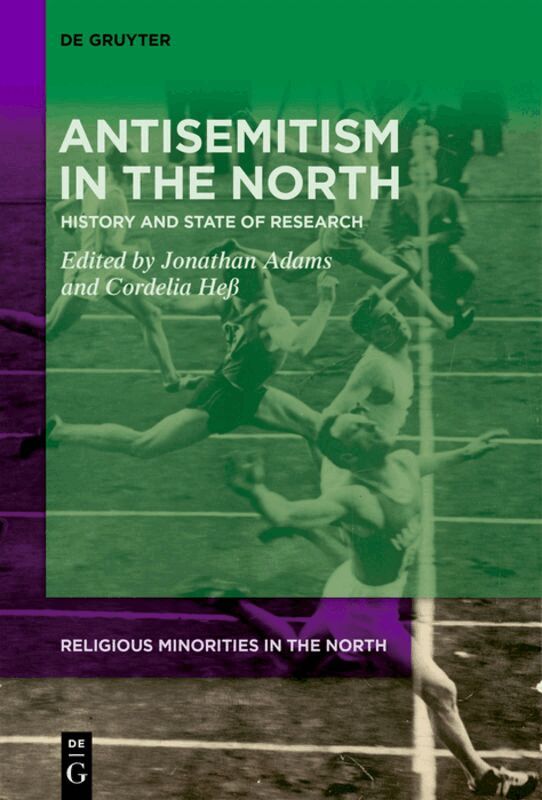
Is research on antisemitism even necessary in countries with a relatively small Jewish population? Absolutely, as this volume shows. Compared to other countries, research on antisemitism in the Nordic countries (Denmark, the Faroe Islands, Finland, Greenland, Iceland, Norway, and Sweden) is marginalized at an institutional and staffing level, especially as far as antisemitism beyond German fascism, the Second World War, and the Holocaust is concerned. Furthermore, compared to scholarship on other prejudices and minority groups, issues concerning Jews and anti-Jewish stereotypes remain relatively underresearched in Scandinavia – even though antisemitic stereotypes have been present and flourishing in the North ever since the arrival of Christianity, and long before the arrival of the first Jewish communities.This volume aims to help bring the study of antisemitism to the fore, from the medieval period to the present day. Contributors from all the Nordic countries describe the status of as well as the challenges and desiderata for the study of antisemitism in their respective countries.
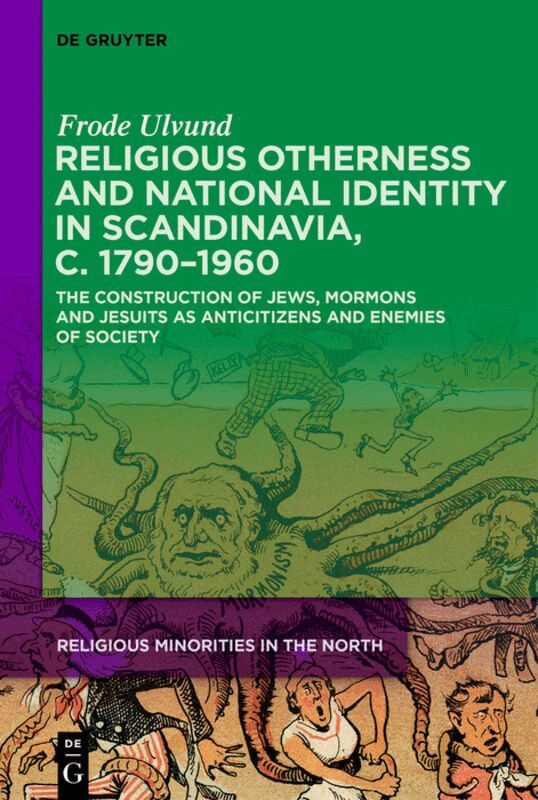
Religious Otherness and National Identity in Scandinavia, c. 1790–1960
The Construction of Jews, Mormons, and Jesuits as Anti-Citizens and Enemies of Society
Inbunden, Engelska, 2020
1 256 kr
Skickas inom 5-8 vardagar
The author discusses how religious groups, especially Jews, Mormons and Jesuits, were labeled as foreign and constructed as political, moral and national threats in Scandinavia in different periods between c. 1790 and 1960. Key questions are who articulated such opinions, how was the threat depicted, and to what extent did it influence state policies towards these groups. A special focus is given to Norway, because the Constitution of 1814 included a ban against Jews (repelled in 1851) and Jesuits (repelled in 1956), and because Mormons were denied the status of a legal religion until freedom of religion was codified in the Constitution in 1964. The author emphasizes how the construction of religious minorities as perils of society influenced the definition of national identities in all Scandinavia, from the late 18th Century until well after WWII. The argument is that Jews, Mormons and Jesuits all were constructed as "anti-citizens", as opposites of what it meant to be "good" citizens of the nation. The discourse that framed the need for national protection against foreign religious groups was transboundary. Consequently, transnational stereotypes contributed significantly in defining national identities.
1 138 kr
Skickas inom 5-8 vardagar
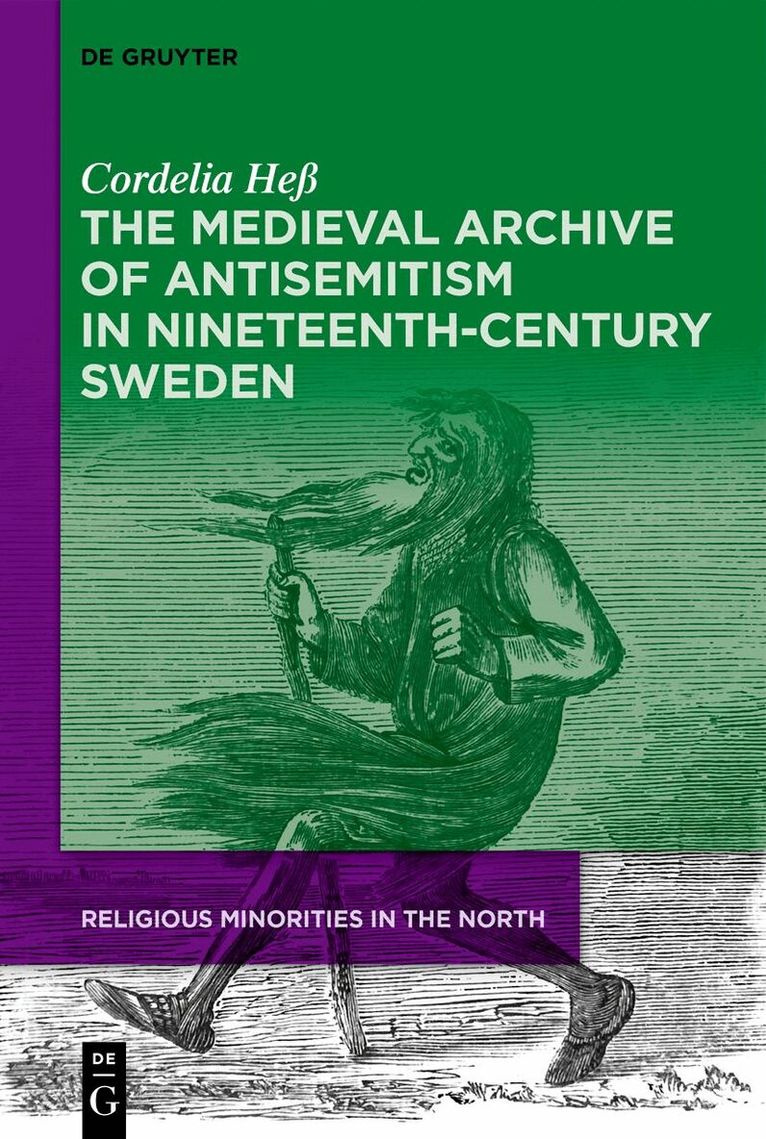
The significance of religion for the development of modern racist antisemitism is a much debated topic in the study of Jewish-Christian relations. This book, the first study on antisemitism in nineteenth-century Sweden, provides new insights into the debate from the specific case of a country in which religious homogeneity was the considered ideal long into the modern era.Between 1800 and 1900, approximately 150 books and pamphlets were printed in Sweden on the subject of Judaism and Jews. About one third comprised of translations mostly from German, but to a lesser extent also from French and English. Two thirds were Swedish originals, covering all genres and topics, but with a majority on religious topics: conversion, supersessionism, and accusations of deicide and bloodlust. The latter stem from the vastly popular medieval legends of Ahasverus, Pilate, and Judas which were printed in only slightly adapted forms and accompanied by medieval texts connecting these apocryphal figures to contemporary Jews, ascribing them a physical, essential, and biological coherence and continuity – a specific Jewish temporality shaped in medieval passion piety, which remained functional and intelligible in the modern period.Relying on medieval models and their combination of religious and racist imagery, nineteenth-century debates were informed by a comprehensive and mostly negative "knowledge" about Jews.
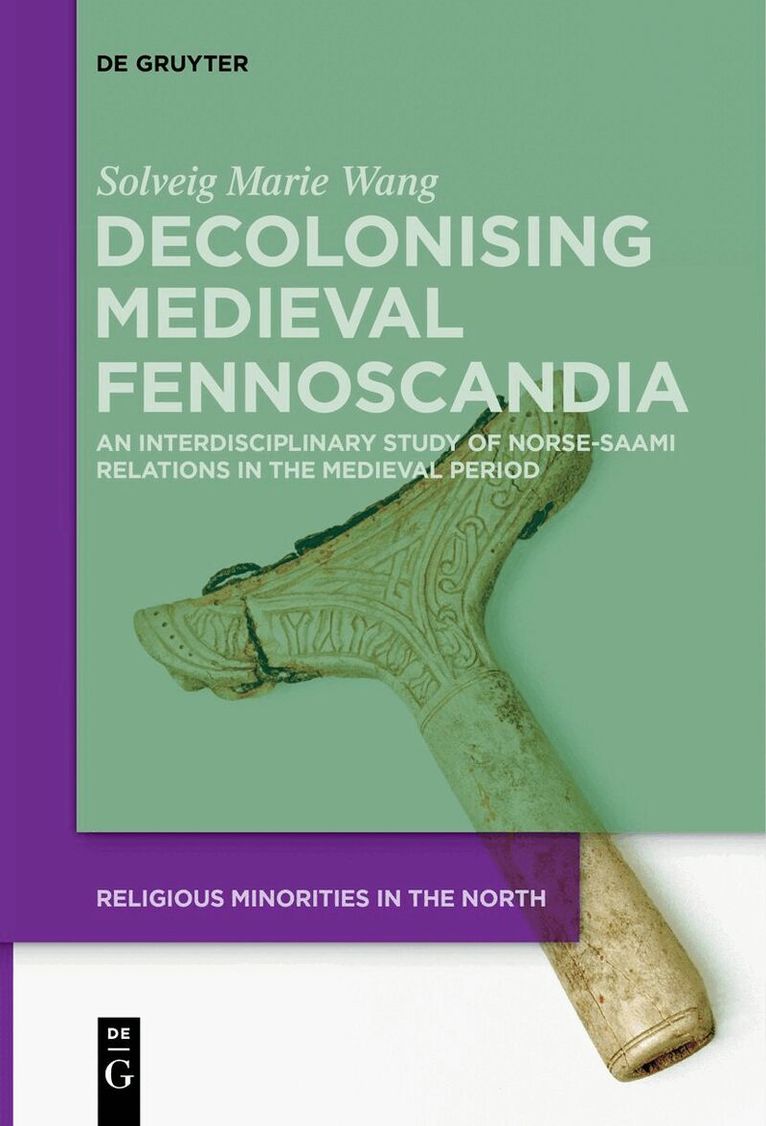
Decolonising Medieval Fennoscandia
An Interdisciplinary Study of Norse-Saami Relations in the Medieval Period
Inbunden, Engelska, 2023
1 424 kr
Skickas inom 5-8 vardagar
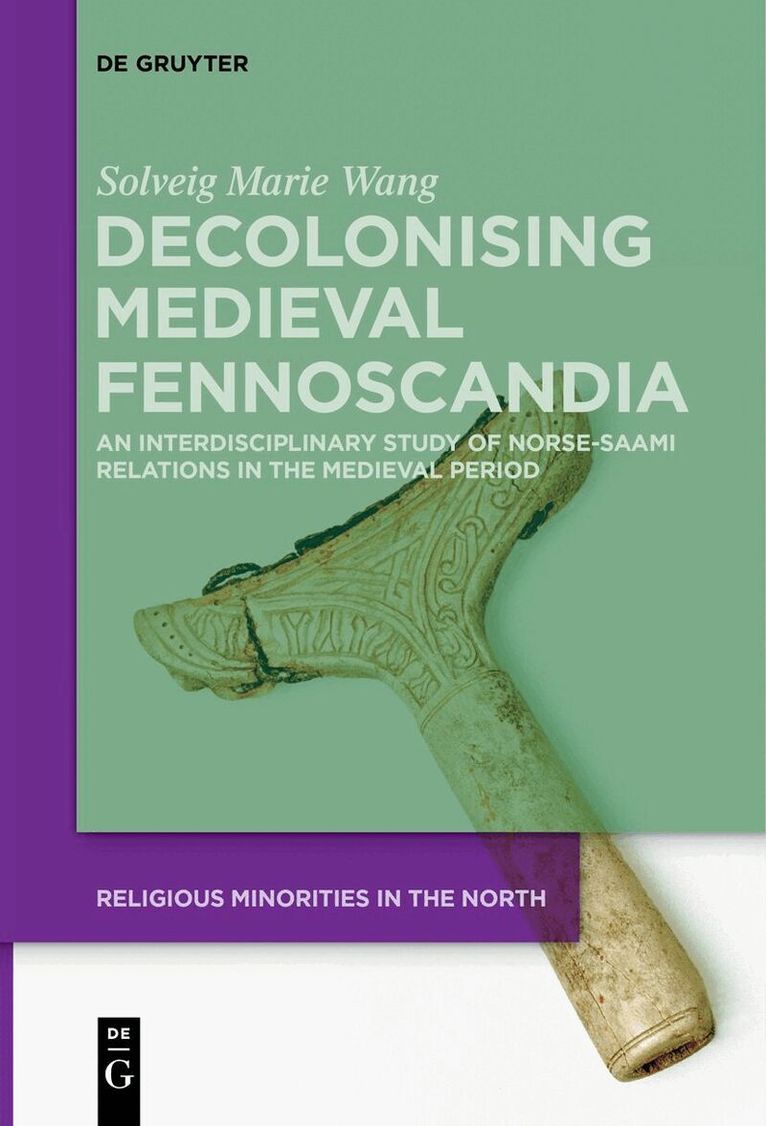
The interdisciplinary study investigates the relationship between Norse and Saami peoples in the medieval period and focuses on the multifaceted portrayal of Saami peoples in medieval texts. The investigative analysis is anchored in postcolonial methodologies and argues for the inherent need to decolonise the medieval source-material as well as recent historiography. This is achieved by presenting the historiographic and political background of research into Norse-Saami relations, before introducing an overview of textual sources discussing Saami peoples from the classical period to the late 1400s, an analysis of the textual motifs associated with the Saami in medieval literature (their relevance and prevalence), geo-political affairs, trading relations, personal relations and Saami presence in the south. By using decolonising tools to read Norse-Saami relations in medieval texts, influenced by archaeological material and postcolonial frameworks, the study challenges lingering colonial assumptions about the role of the Saami in Norse society. The current research episteme is re-adjusted to offer alternative readings of Saami characters and emphasis is put on agency, fluidity and the dynamic realities of the Saami medieval pasts.
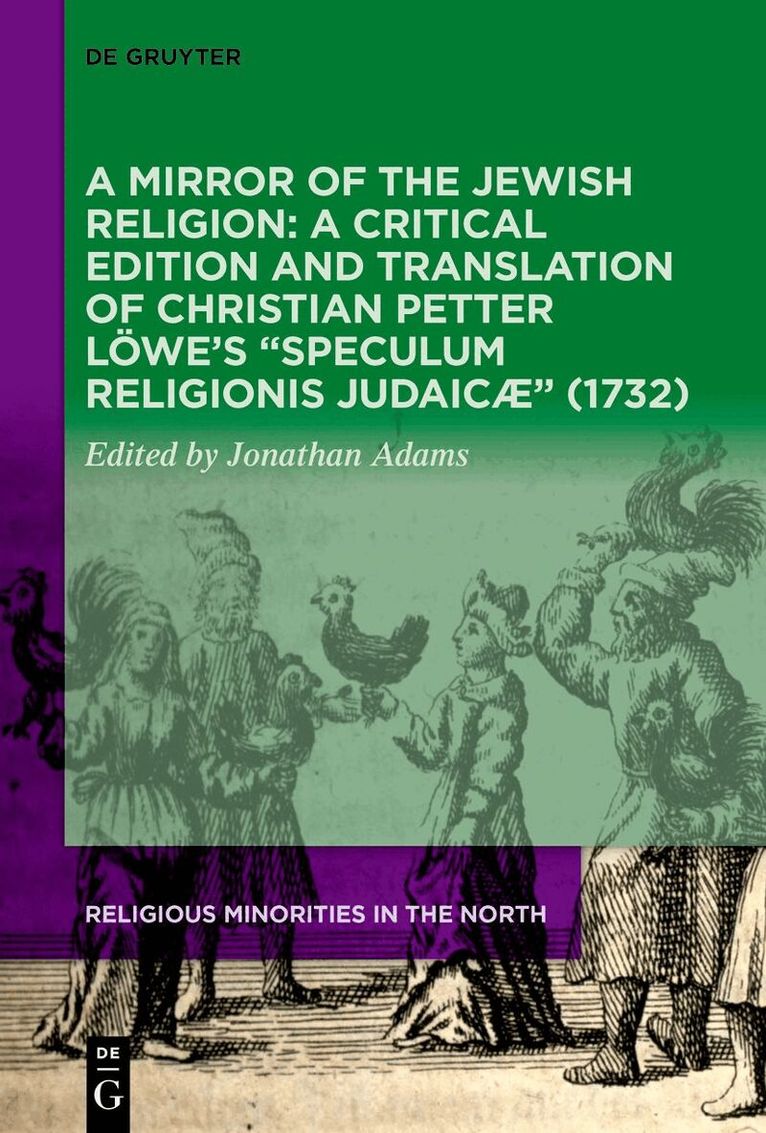
Mirror of the Jewish Religion: A Critical Edition and Translation of Christian Petter Löwe’s “Speculum Religionis Judaicæ” (1732)
Inbunden, Engelska, 2024
1 132 kr
Skickas inom 5-8 vardagar
In 1732, Christian Petter Löwe, a Jewish convert to Lutheranism, published his Speculum Religionis Judaicæ (Mirror of the Jewish Religion), a description of the Jewish religion and ceremonies as practised at the time. Over 50 years before Jews were permitted to settle in Sweden in 1782, the genre of Christian ethnographical writing about Jews and Jewish rituals had arrived in Sweden from Germany. In this volume, Jonathan Adams (University of Gothenburg) introduces the background to Löwe’s "mirror" by looking at both the earlier history of Jews in Sweden and the phenomenon of ethnographical writing about Jews. The text of Speculum is presented in its original Swedish with a translation into English facing on the opposite pages. This edition includes notes explaining technical terms, identifying people and places, and translating Hebrew words and phrases. The volume also includes two works published in Sweden prior to Speculum: Bezelius’ Die Herrlichkeit des Christenthums (The Glory of Christianity [excerpts], 1684) and Seeligmann’s Jüdischer Ceremonien (On Jewish Ceremonies, 1725). The volume should be of interest to students and researchers of Jewish and Scandinavian history as well as the history of Jewish–Christian relations.
1 241 kr
Skickas inom 3-6 vardagar
What is the nature of Muslim-Jewish relations in Europe today? Based on qualitative interview data, this book explores narratives about Jews among Muslims in Norway. Drawing on culturally embedded narratives as well as personal experiences, interviewees reflect on the relationship between Jews and Muslims. The interreligious exchange between Islam and Judaism is as old as Islam. Today, the Arab-Israeli conflict has become an important frame of reference in the public discourse on Muslim-Jewish relations. The narratives presented in this book delineate shifting community boundaries and identifications that transcend dichotomised notions of "Muslims versus Jews." The analysis shows how Jewish history in Europe and the history of modern antisemitism serve as interpretative keys in the narratives, used for explaining the situation of the Muslim minority today. Furthermore, the book demonstrates how interviewees’ perceptions of society’s attitudes toward Muslim and Jewish experiences also strongly influence their perceptions of Muslim-Jewish relations.
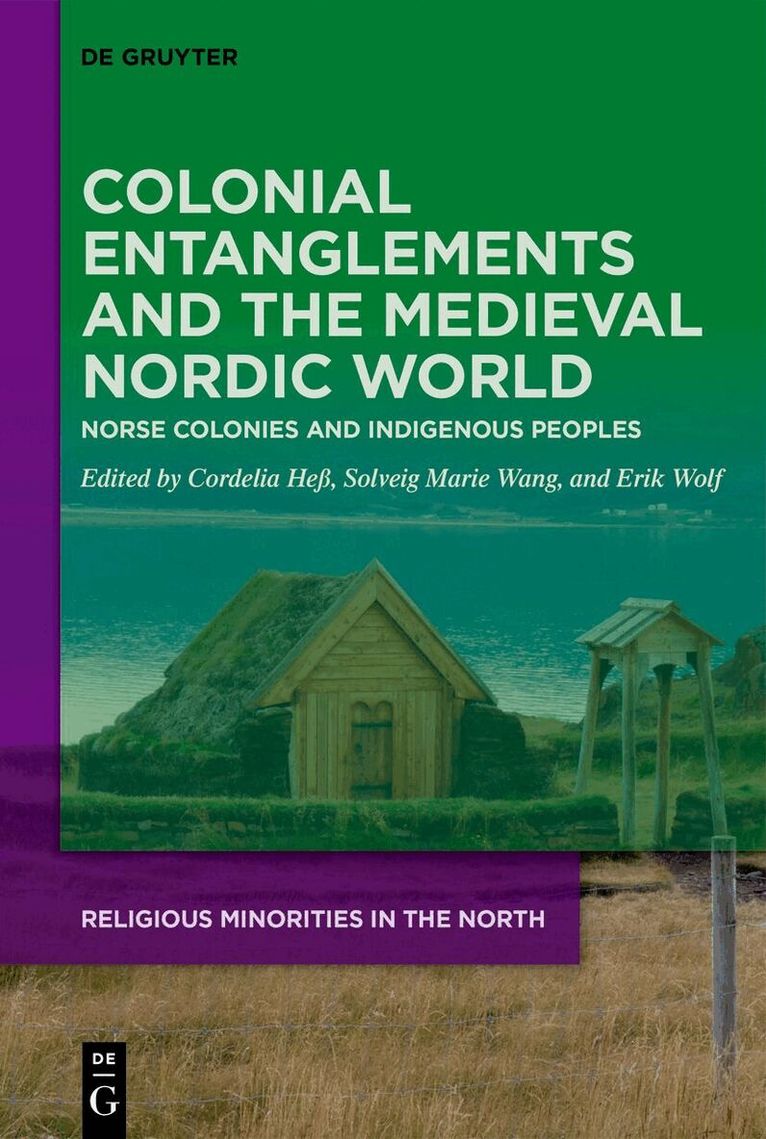
Colonial Entanglements and the Medieval Nordic World
Norse Colonies and Indigenous Peoples
Inbunden, Engelska, 2024
1 518 kr
Skickas inom 3-6 vardagar
The book investigates the multifaceted entanglements between the many pasts and presents of the Nordic medieval period and colonialism. The edited volume contributes to the untangling of questions concerning how present, recent, and past structures of colonialism affect historiography on the medieval Nordic past. Consisting of thematically diverse chapters, the book brings together a range of approaches related to medieval colonialism in a Nordic context, touching both on medieval and medievalist factors. The editors and contributors understand their project as part of the growing conversation about colonialism and its reverberations in academia, and as a contribution to decolonization efforts. The volume will offer an interdisciplinary approach to oft-neglected aspects of the medieval world through an incorporation of more inclusive methodologies and re-readings of both medieval texts and previous scholarship.
Del 5 - Religious Minorities in the North
Decolonising Medieval Fennoscandia
An Interdisciplinary Study of Norse-Saami Relations in the Medieval Period
Häftad, Engelska, 2024
292 kr
Skickas inom 3-6 vardagar
The interdisciplinary study investigates the relationship between Norse and Saami peoples in the medieval period and focuses on the multifaceted portrayal of Saami peoples in medieval texts. The investigative analysis is anchored in postcolonial methodologies and argues for the inherent need to decolonise the medieval source-material as well as recent historiography. This is achieved by presenting the historiographic and political background of research into Norse-Saami relations, before introducing an overview of textual sources discussing Saami peoples from the classical period to the late 1400s, an analysis of the textual motifs associated with the Saami in medieval literature (their relevance and prevalence), geo-political affairs, trading relations, personal relations and Saami presence in the south. By using decolonising tools to read Norse-Saami relations in medieval texts, influenced by archaeological material and postcolonial frameworks, the study challenges lingering colonial assumptions about the role of the Saami in Norse society. The current research episteme is re-adjusted to offer alternative readings of Saami characters and emphasis is put on agency, fluidity and the dynamic realities of the Saami medieval pasts.