Rethinking Memory, Representation and Human Rights - Böcker
Visar alla böcker i serien Rethinking Memory, Representation and Human Rights. Handla med fri frakt och snabb leverans.
3 produkter
3 produkter
519 kr
Skickas inom 10-15 vardagar
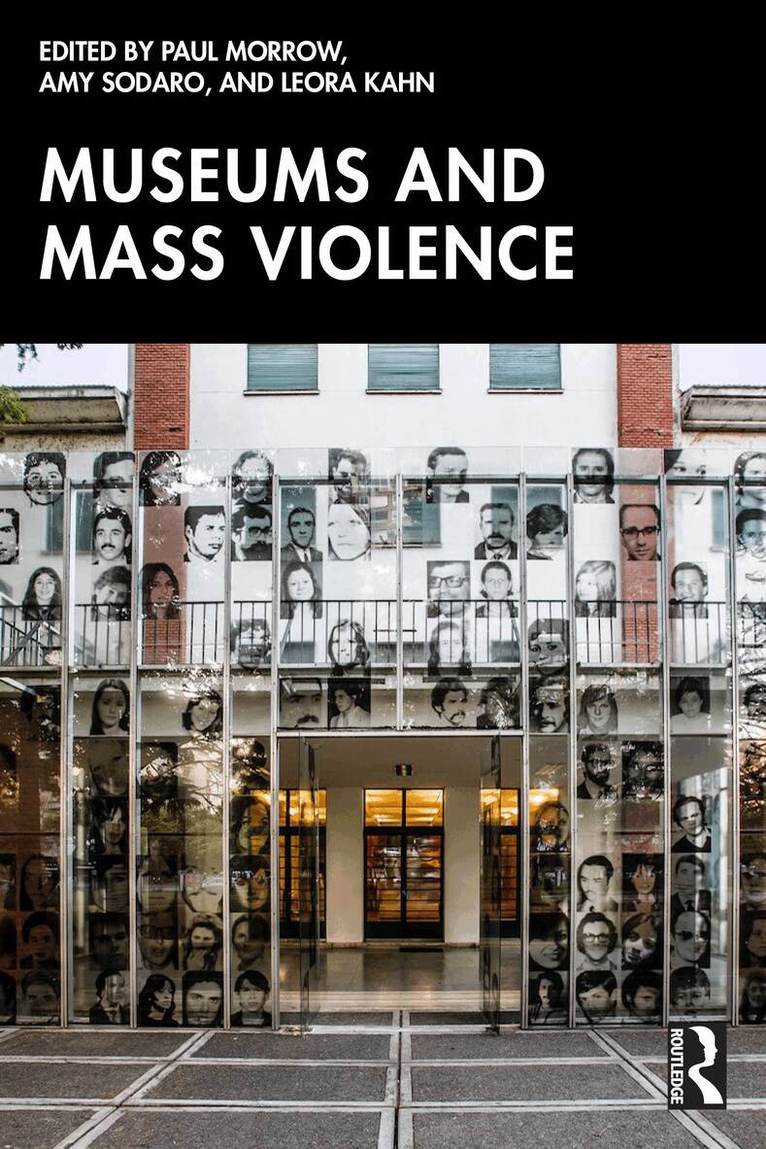
Museums and Mass Violence examines the varied ways in which museums around the world address – or fail to address – the problem of mass violence and severe human rights abuses.Bringing together a diverse group of scholars and practitioners and a transnational set of case studies, this volume explores the potential of museums to contribute to social justice in the contemporary era. At the same time, it directs attention to the perils these institutions face when they curate and exhibit “difficult” knowledge concerning genocide, mass killing, and other kinds of atrocity crimes. The question of how museums shape historical understanding of political oppression, particularly within the political, social, and economic contexts in which they operate, is another major issue addressed by this volume. Asking for whom, exactly, “difficult histories” are difficult, contributors to this volume also ask the hard question of what museum professionals should do when the “terrible gift” they offer visitors through exhibits detailing historical episodes of mass violence are met not with horror, but with indifference – or worse, approval.Providing comparative discussion of the perils and potential of exhibiting atrocities in countries as diverse as Sweden, Argentina, Rwanda, and Canada, Museums and Mass Violence will be essential reading for academics and students engaged in the study of museums, memory, ethics, genocide, trauma, heritage, social justice, culture, and human rights.
Curating Human Rights
Displaying, Combating and Obscuring Human Rights Violations in Museums
Inbunden, Engelska, 2024
1 961 kr
Skickas inom 10-15 vardagar
Curating Human Rights conceptualizes the human rights museum as a dynamic cultural-political genre that interacts with multiple social activist, state and corporate stakeholders.Drawing upon ethnographic and archival research on seven human rights museums in six countries, Ostow examines specifically what these museums do when they set out, or purport, to promote human rights. This includes the stories they visualize, display strategies, educational and other activities, internal structures, the way they position their visitors, the parameters of the human rights they address and the politics of pleasing their multiple stakeholders. The book also explores the contradictions and political and corporate pressure that contributes to foregrounding some human rights violations and ignoring or obscuring others. Ostow also examines the reactions to each museum in the local and national press, and by local visitors, politicians, donors and other stakeholders. The book ends with a discussion of the success and limitations of museums for promoting human rights, and policy recommendations to enhance their effectiveness. Curating Human Rights considers whether these museums are appropriate for, and effective at, promoting human rights - and if they address the pitfalls that have been identified.Curating Human Rights provides new perspectives on the field of human rights education and activism and will be of interest to academics and students engaged in the study of museums, human rights, culture and communication.
519 kr
Skickas inom 10-15 vardagar
Museums and Mass Violence examines the varied ways in which museums around the world address – or fail to address – the problem of mass violence and severe human rights abuses.Bringing together a diverse group of scholars and practitioners and a transnational set of case studies, this volume explores the potential of museums to contribute to social justice in the contemporary era. At the same time, it directs attention to the perils these institutions face when they curate and exhibit “difficult” knowledge concerning genocide, mass killing, and other kinds of atrocity crimes. The question of how museums shape historical understanding of political oppression, particularly within the political, social, and economic contexts in which they operate, is another major issue addressed by this volume. Asking for whom, exactly, “difficult histories” are difficult, contributors to this volume also ask the hard question of what museum professionals should do when the “terrible gift” they offer visitors through exhibits detailing historical episodes of mass violence are met not with horror, but with indifference – or worse, approval.Providing comparative discussion of the perils and potential of exhibiting atrocities in countries as diverse as Sweden, Argentina, Rwanda, and Canada, Museums and Mass Violence will be essential reading for academics and students engaged in the study of museums, memory, ethics, genocide, trauma, heritage, social justice, culture, and human rights.