Reproductive Ethics: Critical Perspectives – serie
Visar alla böcker i serien Reproductive Ethics: Critical Perspectives. Handla med fri frakt och snabb leverans.
4 produkter
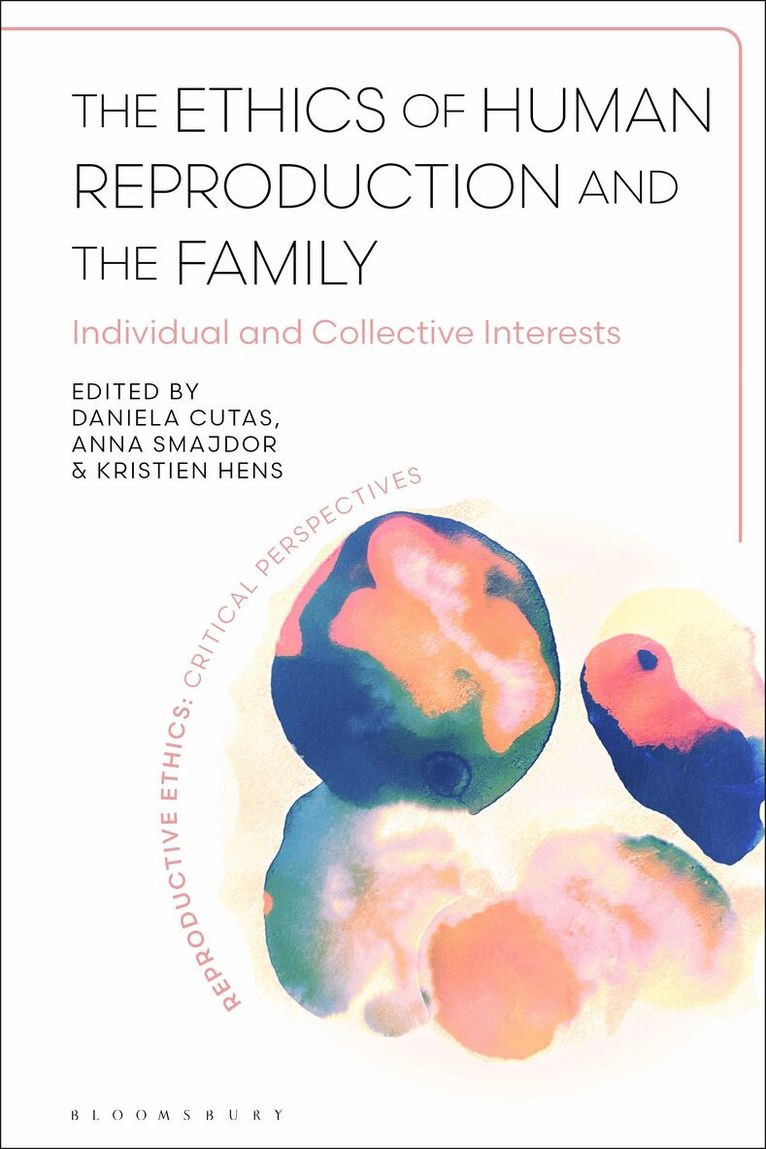
Ethics of Human Reproduction and the Family
Individual and Collective Interests
Av Daniela Cutas, Anna Smajdor m. fl.
Inbunden, 2026
1207 kr
Lägg i varukorg
This open access book explores the interplay between individual and collective procreative interests against the background of cutting-edge developments in reproductive science.Reproductive technologies have made possible a range of novel practices that challenge some of our most fundamental …
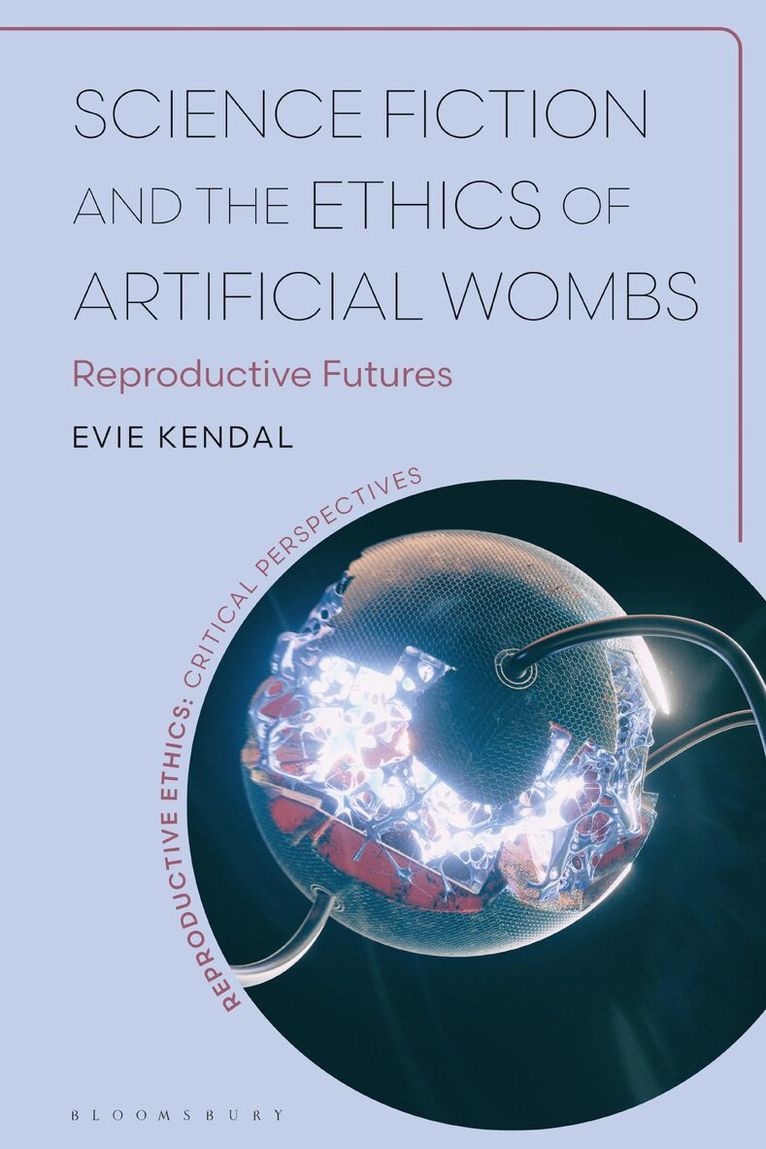
Science Fiction and the Ethics of Artificial Wombs
Reproductive Futures
Av Evie Kendal, Rebecca Bennett
Inbunden, 2026
1207 kr
Lägg i varukorg
Ectogenesis, or artificial wombs, is not yet a reality. But is it the future? In this revolutionary book, Evie Kendal explores the potential that ectogenesis has to promote sexual equality in human reproduction, and the role science fiction plays in imagining possible futures where this technology …
Science Fiction and the Ethics of Artificial Wombs
Reproductive Futures
Av Evie Kendal
E-bok, 2025
1169 kr
Lägg i varukorg
Ectogenesis, or artificial wombs, is not yet a reality. But is it the future? In this revolutionary book, Evie Kendal explores the potential that ectogenesis has to promote sexual equality in human reproduction, and the role science fiction plays in imagining possible futures where this technology …
Science Fiction and the Ethics of Artificial Wombs
Reproductive Futures
Av Evie Kendal
E-bok, 2025
1135 kr
Lägg i varukorg
Ectogenesis, or artificial wombs, is not yet a reality. But is it the future? In this revolutionary book, Evie Kendal explores the potential that ectogenesis has to promote sexual equality in human reproduction, and the role science fiction plays in imagining possible futures where this technology …