Resident Scholar Book – serie
Visar alla böcker i serien Resident Scholar Book. Handla med fri frakt och snabb leverans.
3 produkter
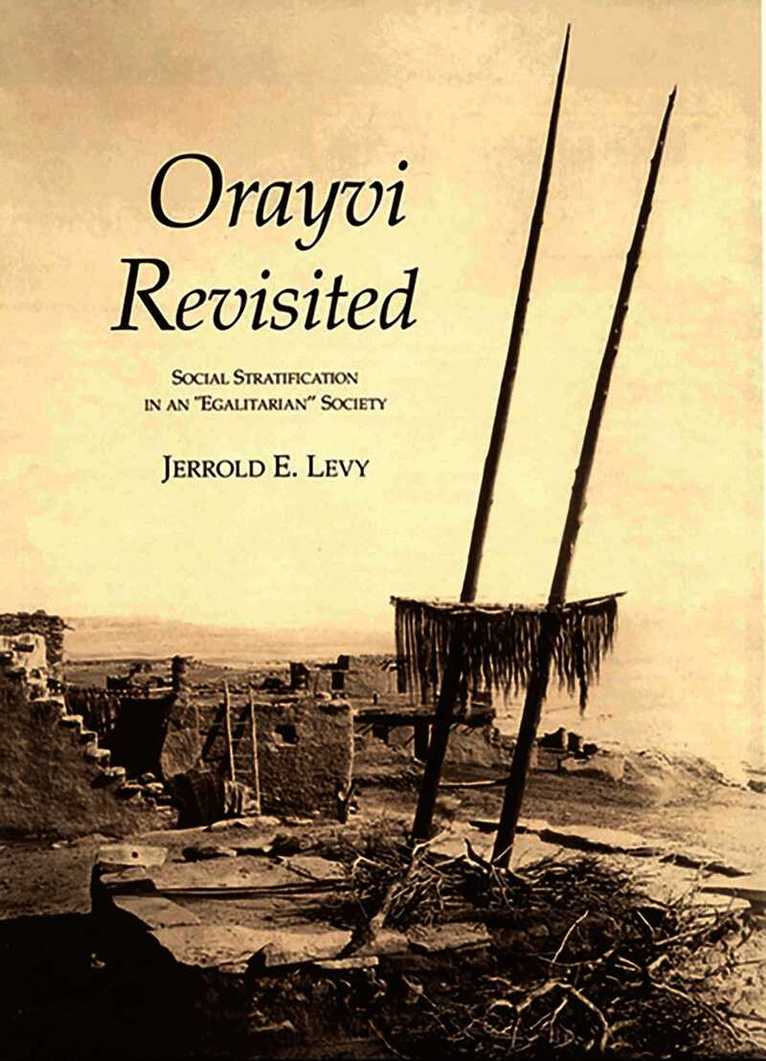
Orayvi Revisited
Social Stratification in an ""Egalitarian"" Society
Av Jerrold E. Levy, Jerrold E. Levy
Häftad, 1992
355 kr
Lägg i varukorg
Challenging the widely held view of the Hopi Indians of Arizona as a sober, peaceful, and cooperative people with an egalitarian social organization, Levy examines the 1906 split in the Third Mesa village of Orayvi.
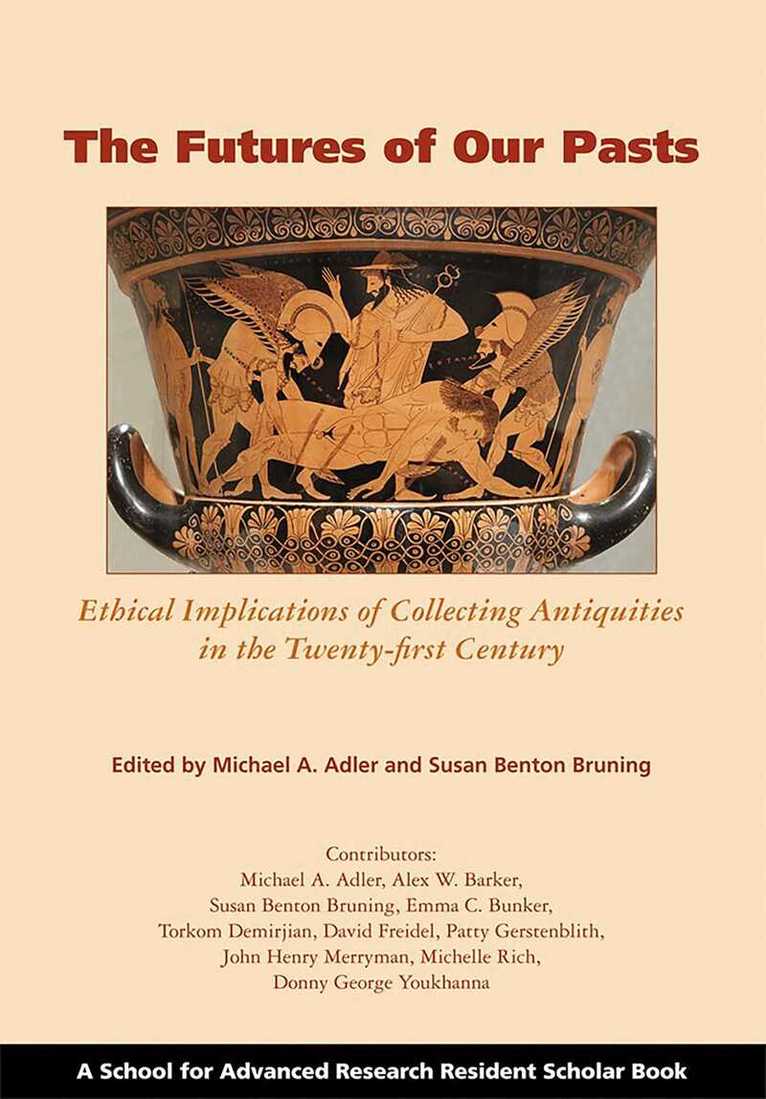
Futures of Our Pasts
Ethical Implications of Collecting Antiquities in the Twenty-first Century
Av Michael A. Adler, Susan Benton Bruning
Häftad, 2012
524 kr
Lägg i varukorg
Ownership of “the past”—a concept invoking age-old struggles to possess and control ancient objects—is an essential theme in understanding our global cultural heritage. Beyond ownership, however, lies the need for stewardship: the responsibility of owners, possessors, and others interested in …
Making Disasters
Climate Change, Neoliberal Governance, and Livelihood Insecurity on the Mongolian Steppe
Av Craig R. Janes, Oyuntsetseg Chuluundorj
Häftad, 2015
285 kr
Tillfälligt slut
Although extreme winter events have always threatened herders on the Central Asian steppe, the frequency and severity of these disasters have increased since Mongolia’s transition from a socialist Soviet satellite state to a free-market economy. This book describes the significant challenges caused …