Reuters Institute Global Journalism Series - Böcker
Visar alla böcker i serien Reuters Institute Global Journalism Series. Handla med fri frakt och snabb leverans.
10 produkter
10 produkter
1 035 kr
Skickas inom 7-10 vardagar
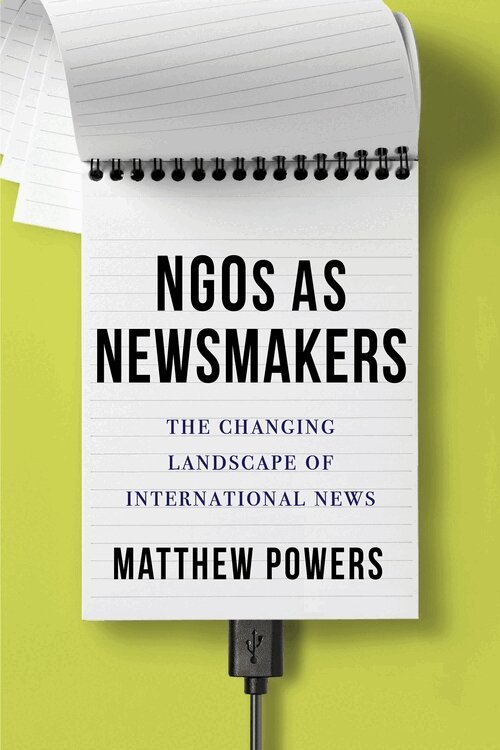
As traditional news outlets’ international coverage has waned, several prominent nongovernmental organizations have taken on a growing number of seemingly journalistic functions. Groups such as Amnesty International, Human Rights Watch, and Médecins Sans Frontières send reporters to gather information and provide analysis and assign photographers and videographers to boost the visibility of their work. Digital technologies and social media have increased the potential for NGOs to communicate directly with the public, bypassing traditional gatekeepers. But have these efforts changed and expanded traditional news practices and coverage—and are there consequences to blurring the lines between reporting and advocacy?In NGOs as Newsmakers, Matthew Powers analyzes the growing role NGOs play in shaping—and sometimes directly producing—international news. Drawing on interviews, observations, and content analysis, he charts the dramatic growth in NGO news-making efforts, examines whether these efforts increase the organizations' chances of garnering news coverage, and analyzes the effects of digital technologies on publicity strategies. Although the contemporary media environment offers NGOs greater opportunities to shape the news, Powers finds, it also subjects them to news-media norms. While advocacy groups can and do provide coverage of otherwise ignored places and topics, they are still dependent on traditional media and political elites and influenced by the expectations of donors, officials, journalists, and NGOs themselves. Through an unprecedented glimpse into NGOs’ newsmaking efforts, Powers portrays the possibilities and limits of NGOs as newsmakers amid the transformations of international news, with important implications for the intersections of journalism and advocacy.
260 kr
Skickas inom 7-10 vardagar
As traditional news outlets’ international coverage has waned, several prominent nongovernmental organizations have taken on a growing number of seemingly journalistic functions. Groups such as Amnesty International, Human Rights Watch, and Médecins Sans Frontières send reporters to gather information and provide analysis and assign photographers and videographers to boost the visibility of their work. Digital technologies and social media have increased the potential for NGOs to communicate directly with the public, bypassing traditional gatekeepers. But have these efforts changed and expanded traditional news practices and coverage—and are there consequences to blurring the lines between reporting and advocacy?In NGOs as Newsmakers, Matthew Powers analyzes the growing role NGOs play in shaping—and sometimes directly producing—international news. Drawing on interviews, observations, and content analysis, he charts the dramatic growth in NGO news-making efforts, examines whether these efforts increase the organizations' chances of garnering news coverage, and analyzes the effects of digital technologies on publicity strategies. Although the contemporary media environment offers NGOs greater opportunities to shape the news, Powers finds, it also subjects them to news-media norms. While advocacy groups can and do provide coverage of otherwise ignored places and topics, they are still dependent on traditional media and political elites and influenced by the expectations of donors, officials, journalists, and NGOs themselves. Through an unprecedented glimpse into NGOs’ newsmaking efforts, Powers portrays the possibilities and limits of NGOs as newsmakers amid the transformations of international news, with important implications for the intersections of journalism and advocacy.
1 272 kr
Skickas inom 7-10 vardagar
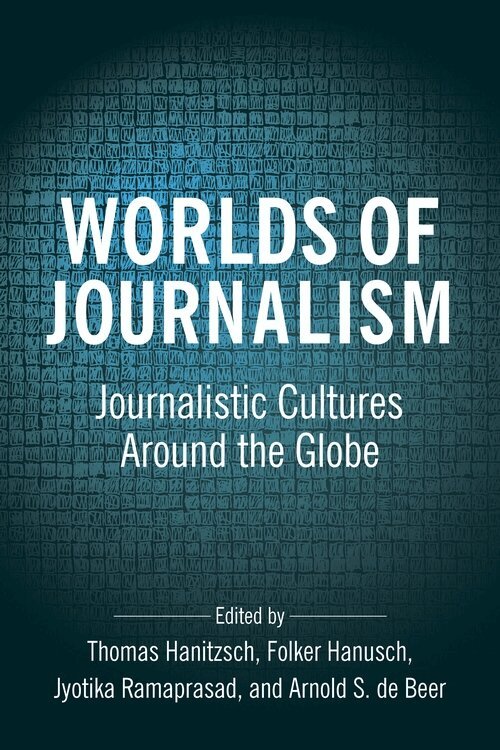
How do journalists around the world view their roles and responsibilities in society? Based on a landmark study that has collected data from more than 27,500 journalists in 67 countries, Worlds of Journalism offers a groundbreaking analysis of the different ways journalists perceive their duties, their relationship to society and government, and the nature and meaning of their work.Challenging assumptions of a universal definition or concept of journalism, the book maps a world populated by a rich diversity of journalistic cultures. Organized around a series of key questions on topics such as editorial autonomy, journalistic ethics, trust in social institutions, and changes in the profession, it details how the practice of journalism differs across the world in a range of political, social, and economic contexts. The book covers how journalism as an institution is created and re-created by journalists and how they experience their profession in very different ways, even as they retain a commitment to some basic, widely shared professional norms and practices. It concludes with a global classification of journalistic cultures that reflects the breadth of worldviews and orientations found in disparate countries and regions. Worlds of Journalism offers an ambitious, comparative global understanding of the state of journalism in a time when it is confronting a series of economic and political threats.
323 kr
Skickas inom 7-10 vardagar
How do journalists around the world view their roles and responsibilities in society? Based on a landmark study that has collected data from more than 27,500 journalists in 67 countries, Worlds of Journalism offers a groundbreaking analysis of the different ways journalists perceive their duties, their relationship to society and government, and the nature and meaning of their work.Challenging assumptions of a universal definition or concept of journalism, the book maps a world populated by a rich diversity of journalistic cultures. Organized around a series of key questions on topics such as editorial autonomy, journalistic ethics, trust in social institutions, and changes in the profession, it details how the practice of journalism differs across the world in a range of political, social, and economic contexts. The book covers how journalism as an institution is created and re-created by journalists and how they experience their profession in very different ways, even as they retain a commitment to some basic, widely shared professional norms and practices. It concludes with a global classification of journalistic cultures that reflects the breadth of worldviews and orientations found in disparate countries and regions. Worlds of Journalism offers an ambitious, comparative global understanding of the state of journalism in a time when it is confronting a series of economic and political threats.
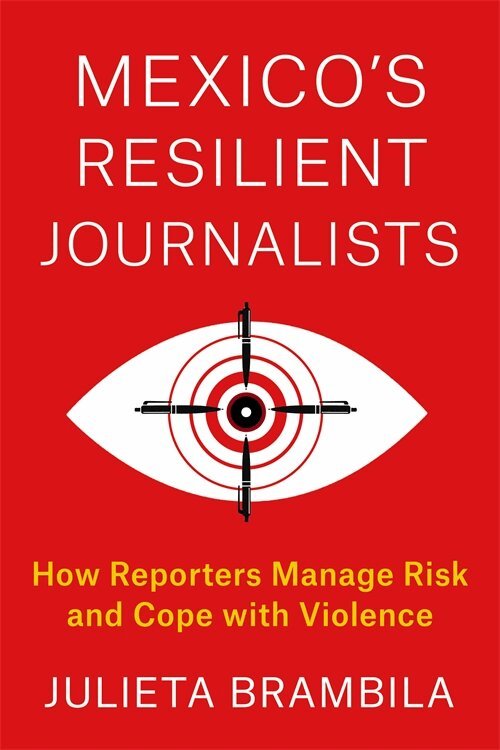
Mexico's Resilient Journalists
How Reporters Manage Risk and Cope with Violence
Inbunden, Engelska, 2024
1 147 kr
Skickas inom 7-10 vardagar
In recent decades, Mexico has been one of the most dangerous democracies for journalists. Their coverage of the war on drugs, abuses of power, and human rights violations has led to harassment, threats, and violence by powerful cartels and corrupt officials. This book provides a ground-level view of how Mexican journalists have navigated this perilous environment, offering insight into how they protect themselves while reporting on the most critical and sensitive subjects.Based on in-depth interviews with reporters, editors, activists, and officials, Mexico’s Resilient Journalists examines the strategies that media workers have employed in pursuit of both personal safety and the public interest. Julieta Brambila argues that Mexican journalists have developed innovative forms of resilience, highlighting their power and agency amid violence, censorship, and intimidation. She considers how journalists have banded together to develop coping mechanisms, protect each other, and raise public awareness. These resilient newsmakers have adapted to adversity by redefining their professional values and practices, rethinking their surroundings, and reassessing their role. Brambila also evaluates how various media organizations have learned from incidents of violence and changed their policies to better protect their reporters. Shedding new light on defense of the freedom of the press in Mexico, this book offers crucial lessons for other countries seeing a rise in threats to independent journalism.
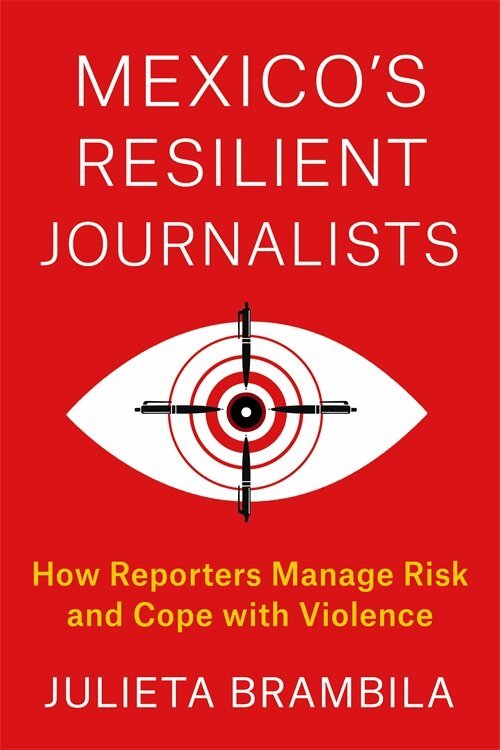
Mexico's Resilient Journalists
How Reporters Manage Risk and Cope with Violence
Häftad, Engelska, 2024
292 kr
Skickas inom 7-10 vardagar
In recent decades, Mexico has been one of the most dangerous democracies for journalists. Their coverage of the war on drugs, abuses of power, and human rights violations has led to harassment, threats, and violence by powerful cartels and corrupt officials. This book provides a ground-level view of how Mexican journalists have navigated this perilous environment, offering insight into how they protect themselves while reporting on the most critical and sensitive subjects.Based on in-depth interviews with reporters, editors, activists, and officials, Mexico’s Resilient Journalists examines the strategies that media workers have employed in pursuit of both personal safety and the public interest. Julieta Brambila argues that Mexican journalists have developed innovative forms of resilience, highlighting their power and agency amid violence, censorship, and intimidation. She considers how journalists have banded together to develop coping mechanisms, protect each other, and raise public awareness. These resilient newsmakers have adapted to adversity by redefining their professional values and practices, rethinking their surroundings, and reassessing their role. Brambila also evaluates how various media organizations have learned from incidents of violence and changed their policies to better protect their reporters. Shedding new light on defense of the freedom of the press in Mexico, this book offers crucial lessons for other countries seeing a rise in threats to independent journalism.
1 035 kr
Skickas inom 7-10 vardagar
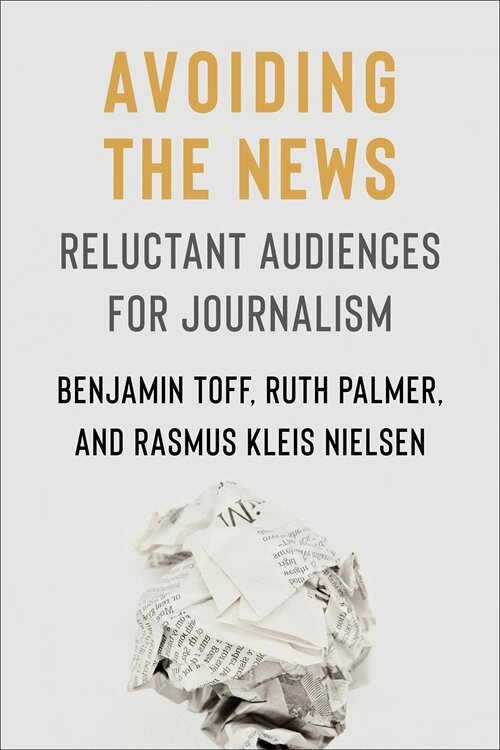
Winner, 2025 Hazel Gaudet-Erskine Best Book Award, International Journal of Press/PoliticsWinner, 2024 Choice Outstanding Academic TitleA small but growing number of people in many countries consistently avoid the news. They feel they do not have time for it, believe it is not worth the effort, find it irrelevant or emotionally draining, or do not trust the media, among other reasons. Why and how do people circumvent news? Which groups are more and less reluctant to follow the news? In what ways is news avoidance a problem—for individuals, for the news industry, for society—and how can it be addressed?This groundbreaking book explains why and how so many people consume little or no news despite unprecedented abundance and ease of access. Drawing on interviews in Spain, the United Kingdom, and the United States as well as extensive survey data, Avoiding the News examines how people who tune out traditional media get information and explores their “folk theories” about how news organizations work. The authors argue that news avoidance is about not only content but also identity, ideologies, and infrastructures: who people are, what they believe, and how news does or does not fit into their everyday lives. Because news avoidance is most common among disadvantaged groups, it threatens to exacerbate existing inequalities by tilting mainstream journalism even further toward privileged audiences. Ultimately, this book shows, persuading news-averse audiences of the value of journalism is not simply a matter of adjusting coverage but requires a deeper, more empathetic understanding of people’s relationships with news across social, political, and technological boundaries.
390 kr
Skickas inom 7-10 vardagar
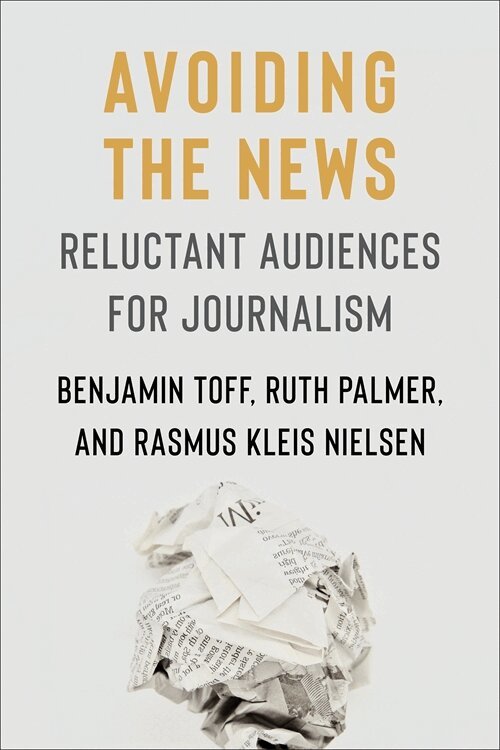
Winner, 2025 Hazel Gaudet-Erskine Best Book Award, International Journal of Press/PoliticsWinner, 2024 Choice Outstanding Academic TitleA small but growing number of people in many countries consistently avoid the news. They feel they do not have time for it, believe it is not worth the effort, find it irrelevant or emotionally draining, or do not trust the media, among other reasons. Why and how do people circumvent news? Which groups are more and less reluctant to follow the news? In what ways is news avoidance a problem—for individuals, for the news industry, for society—and how can it be addressed?This groundbreaking book explains why and how so many people consume little or no news despite unprecedented abundance and ease of access. Drawing on interviews in Spain, the United Kingdom, and the United States as well as extensive survey data, Avoiding the News examines how people who tune out traditional media get information and explores their “folk theories” about how news organizations work. The authors argue that news avoidance is about not only content but also identity, ideologies, and infrastructures: who people are, what they believe, and how news does or does not fit into their everyday lives. Because news avoidance is most common among disadvantaged groups, it threatens to exacerbate existing inequalities by tilting mainstream journalism even further toward privileged audiences. Ultimately, this book shows, persuading news-averse audiences of the value of journalism is not simply a matter of adjusting coverage but requires a deeper, more empathetic understanding of people’s relationships with news across social, political, and technological boundaries.
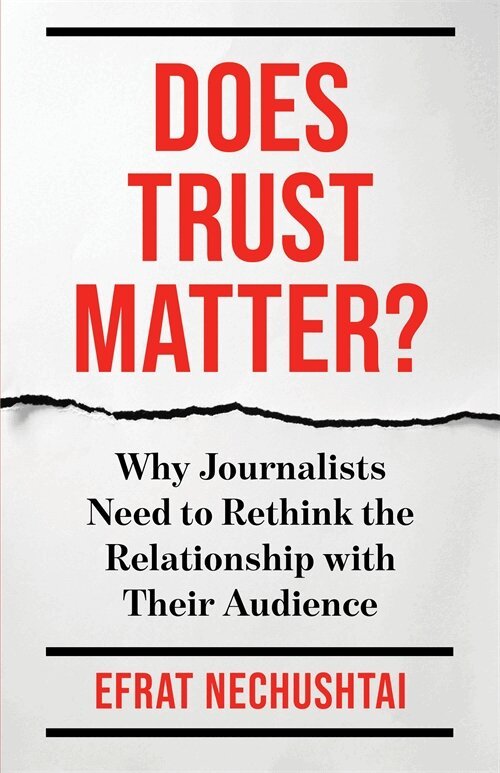
Does Trust Matter?
Why Journalists Need to Rethink the Relationship with Their Audience
Inbunden, Engelska, 2026
1 981 kr
Skickas inom 3-6 vardagar
Around the world, journalism is undergoing a crisis of legitimacy. Public confidence in the news is declining; populist leaders attack the media; and journalists are routinely harassed and threatened. Many journalists and scholars believe that building trust with audiences would help weather these storms. But what do journalists risk in their pursuit of trust?This book provides a fresh perspective by demonstrating how the desire to increase trust in the news can be weaponized against journalists. Based on in-depth interviews with nearly one hundred journalists, Does Trust Matter? challenges widely held assumptions about audience feedback that leave the media vulnerable to manipulation. Efrat Nechushtai shows how concerns over distrust have been used to increase favorable coverage of illiberal movements. She documents how the quest for public approval has led journalists to legitimize antiscience claims in the United States, racialize crime reporting in Germany, and produce “patriotic” stories in Hungary and Israel, among other cases.Does Trust Matter? offers timely insights into how journalists can build resilience against increasingly sophisticated attempts to undermine their work, including AI-powered influence campaigns and online propaganda. Valuable for scholars and practitioners alike, this book presents practical strategies that reporters, editors, and publishers can use to navigate today’s challenging environment.
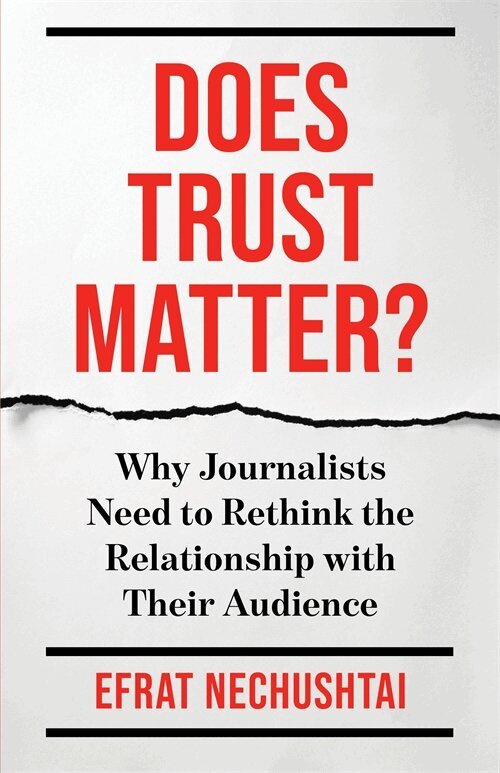
Does Trust Matter?
Why Journalists Need to Rethink the Relationship with Their Audience
Häftad, Engelska, 2026
349 kr
Skickas
Around the world, journalism is undergoing a crisis of legitimacy. Public confidence in the news is declining; populist leaders attack the media; and journalists are routinely harassed and threatened. Many journalists and scholars believe that building trust with audiences would help weather these storms. But what do journalists risk in their pursuit of trust?This book provides a fresh perspective by demonstrating how the desire to increase trust in the news can be weaponized against journalists. Based on in-depth interviews with nearly one hundred journalists, Does Trust Matter? challenges widely held assumptions about audience feedback that leave the media vulnerable to manipulation. Efrat Nechushtai shows how concerns over distrust have been used to increase favorable coverage of illiberal movements. She documents how the quest for public approval has led journalists to legitimize antiscience claims in the United States, racialize crime reporting in Germany, and produce “patriotic” stories in Hungary and Israel, among other cases.Does Trust Matter? offers timely insights into how journalists can build resilience against increasingly sophisticated attempts to undermine their work, including AI-powered influence campaigns and online propaganda. Valuable for scholars and practitioners alike, this book presents practical strategies that reporters, editors, and publishers can use to navigate today’s challenging environment.