Rhetoric and Digitality - Böcker
Visar alla böcker i serien Rhetoric and Digitality. Handla med fri frakt och snabb leverans.
12 produkter
12 produkter
1 164 kr
Skickas inom 7-10 vardagar
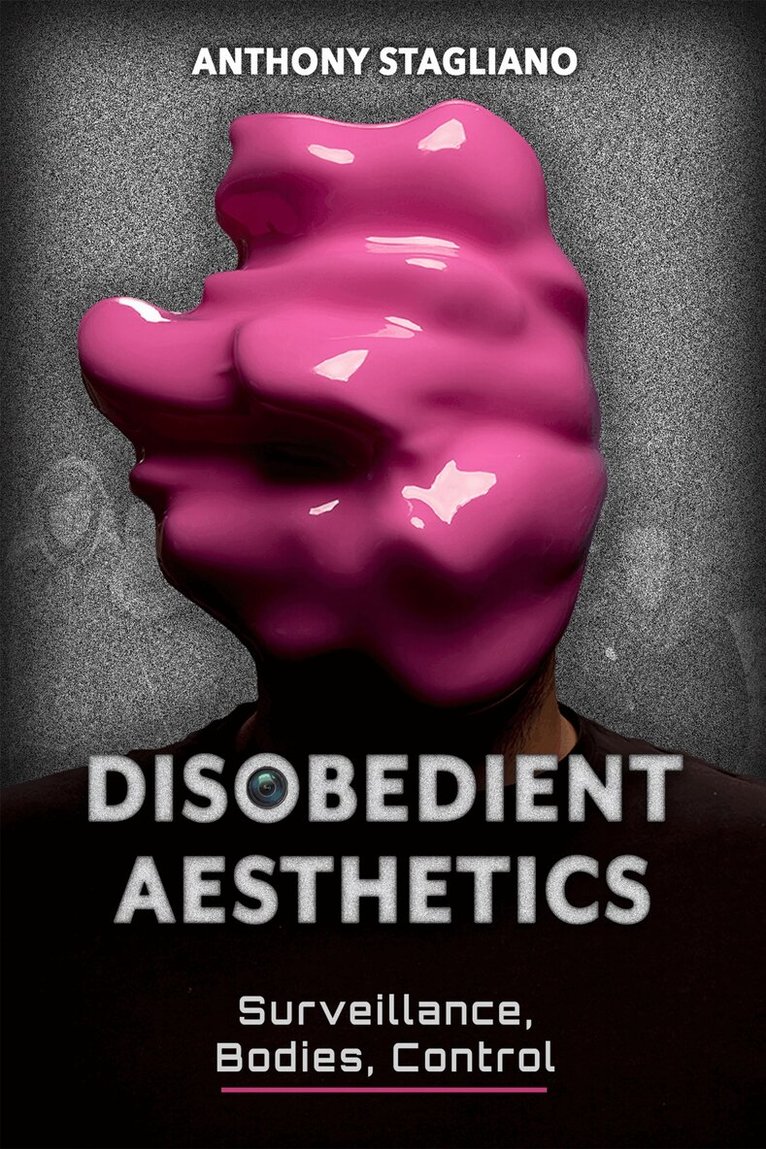
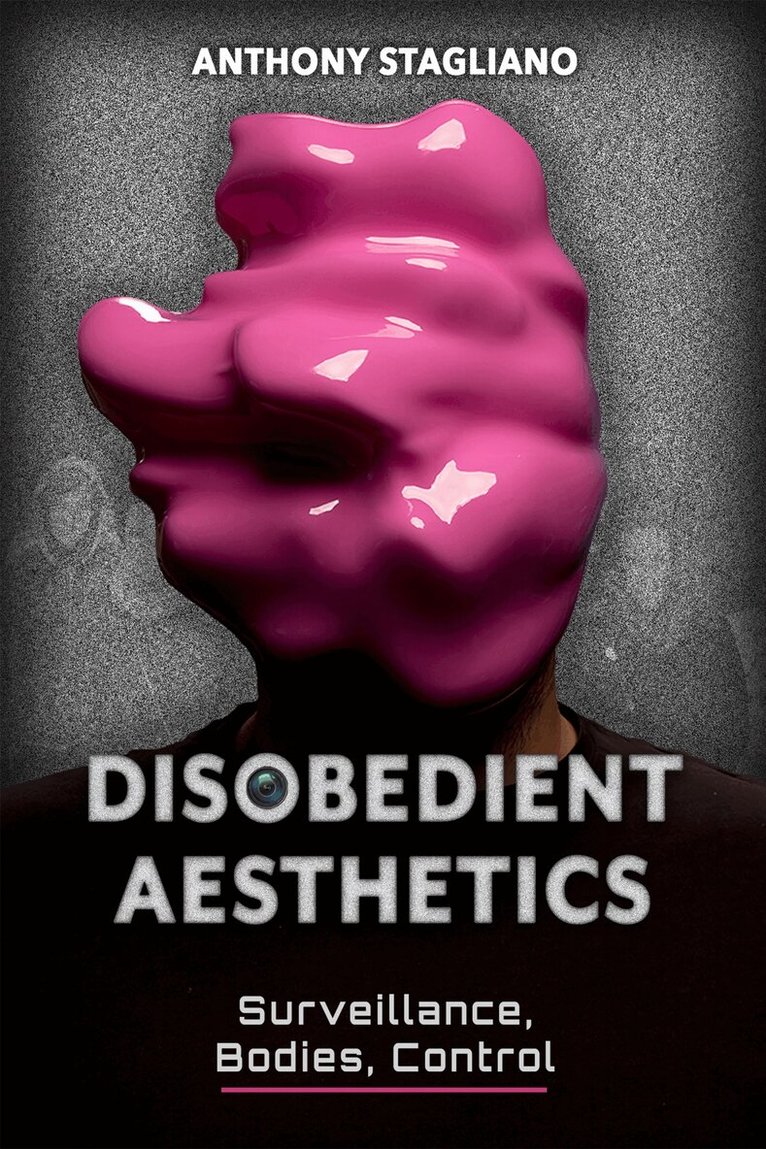
Examines emergent forms of creative civil disobedience that have arisen in response to digital tools of bodily surveillance and controlThe contemporary world bristles with tools of observation and manipulation. Security cameras, social media, data mining, biometric scans, and other instruments ensnare the individual in a web of surveillance. In Disobedient Aesthetics, Anthony Stagliano exposes the use of human lives as sites of data exploitation and outlines paths of resistance. From the thermal-vision systems used on military drones, which use human body heat itself as a media object, to facial recognition platforms that use human faces as data mines, and from law enforcement tools of DNA analysis to data-driven urban governance, the realm of algorithmic surveillance and control is wide and subtle.Disobedient Aesthetics outlines interventions into the technical systems subtending data-driven surveillance and control. Stagliano maps not only the surveillant regimes afforded by recent networked technologies, but also the inventive, artistic research into ways of undermining, upending, or redirecting such technologies. The concluding chapter examines creative, critical, and collective efforts to democratize access to the technology that undergirds such scrutiny and enables ways to detect and contest its power.In a fascinating epilogue, Stagliano revisits current theories of control and offers an alternative reading of Gilles Deleuze’s oft-cited thesis on control societies: namely that it is not a matter of “finding new weapons” to undermine control but developing new techniques, new designs, new prototypes, and new modes of creative escape.
1 199 kr
Skickas inom 7-10 vardagar
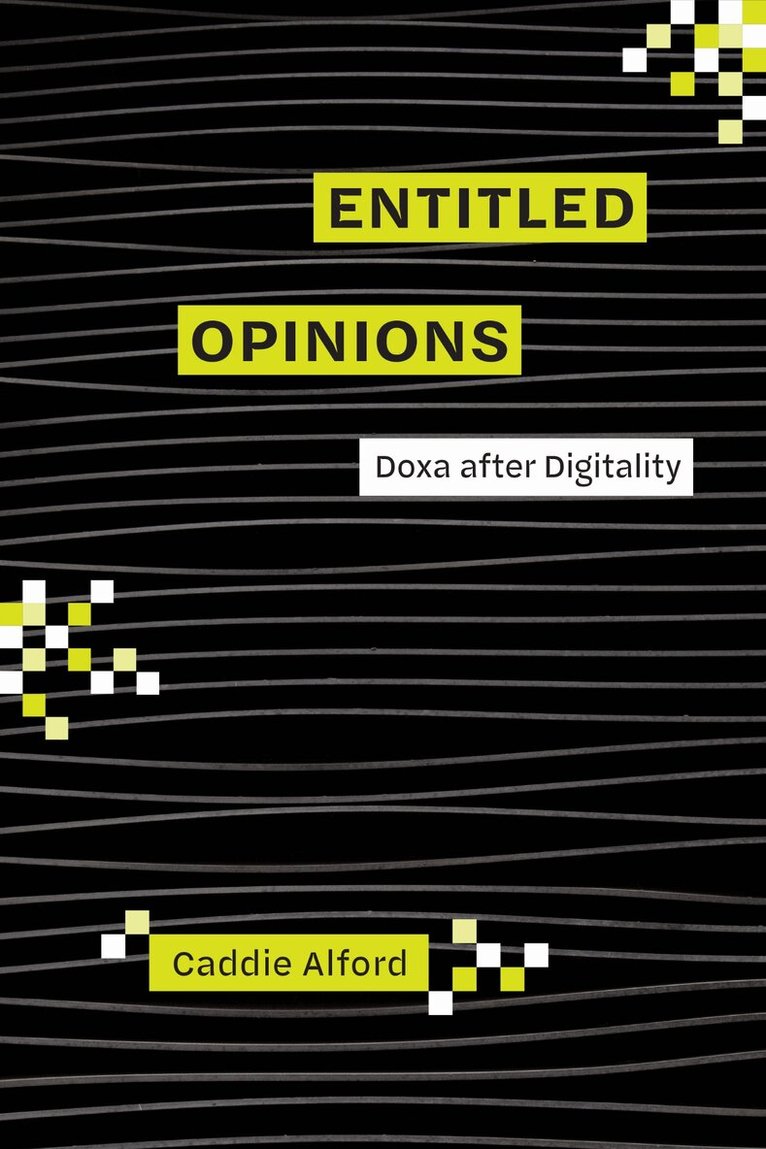
A landmark rhetorical theory of the formation and functioning of opinions in social media contextsEntitled Opinions: Doxa After Digitality offers a rhetorical theory of opinions, especially as opinions operate within social media. Many urgent contemporary issues—from demagoguery to white ethno-nationalism—compel us to consider opinions seriously. Yet while clichÉs like “he tells it like it is” and newer imperatives such as #BlackLivesMatter seem straightforward, haptics, emoji, and “like” buttons belie unexamined collective assumptions about how opinions in the digital realm function. Caddie Alford illuminates this function by deploying the ancient Greek term for opinions: doxa. Doxa translates to “opinion,” but the term can also signal seemingness and expectations. Doxa’s capacious meanings reveal opinions to be more than static or monolithic: With doxa, opinions become emergent, dynamic, relational, and pluralistic. Masterfully combining rhetorical frameworks as well as scholarship on opinions and digital media entanglements, Alford puts opinions into conversation with such case studies as algorithms, infrastructure, digital illiteracy, virality, and activism. She shows how “doxa” reveals gradations of opinions, from more reputable to less reputable. She demonstrates that these gradations are multifaceted and susceptible to interventions. Entitled Opinions sheds much of the baggage associated with opinions while opening up more fertile pathways of inquiry. In a world that says, “don’t read the comments,” this book reads the comments, taking seriously content that could be easily dismissed otherwise and alchemizing judgments into implications.
1 164 kr
Skickas inom 7-10 vardagar
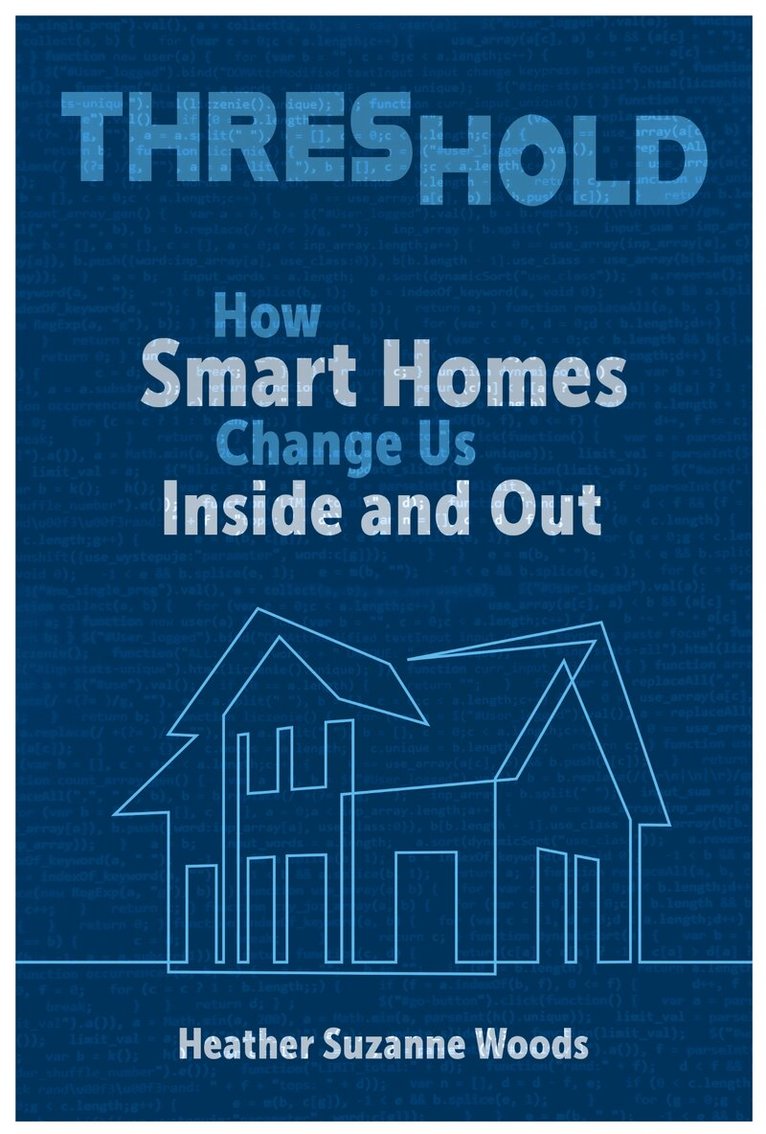
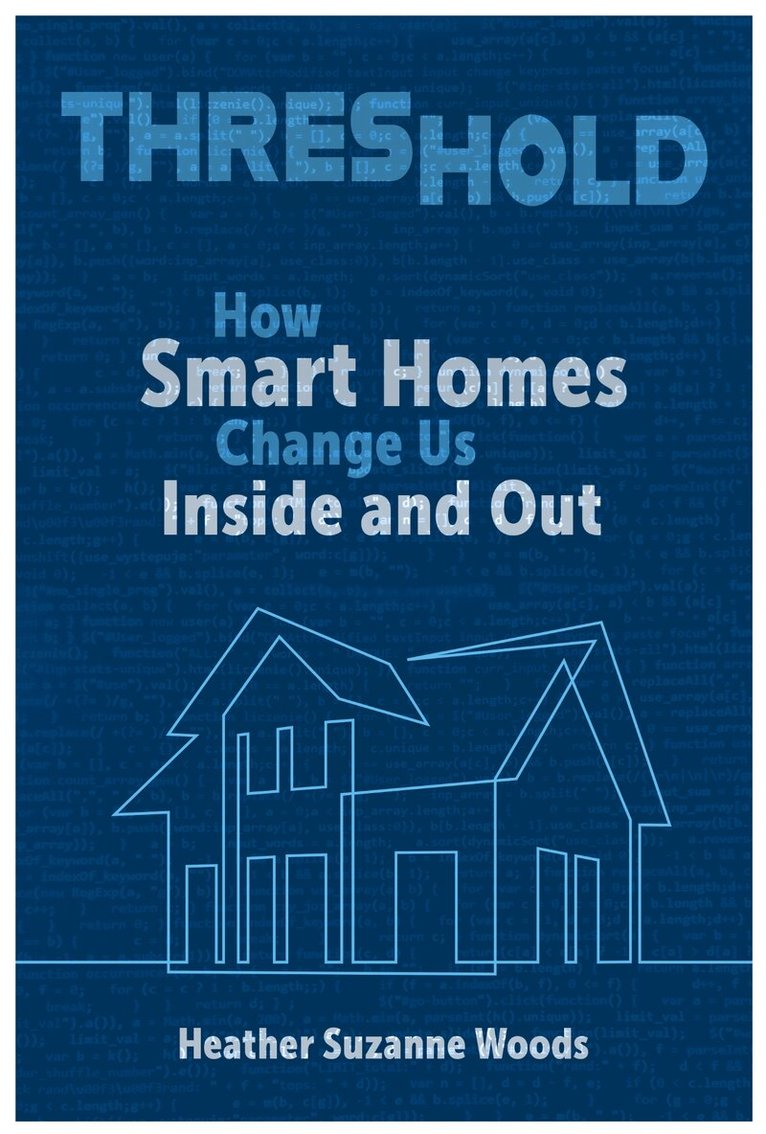
An urgent and cautionary examination of the totalizing effect of smart home technology on the lives of those who live in them—and those who don’tSmart homes are here—domestic spaces bristling with networked technologies that appear to enhance work, entertainment, logistics, health, and security. But these technologies may also extract a cost in attention, money, and privacy. In Threshold, communication and technology expert Heather Suzanne Woods applies rhetorical theory to answer the urgent question of how swiftly proliferating smart homes alter those who inhabit them.Building on extensive research into smart homes in the United States, Woods recounts how smart homes arose and predicts the trajectory of their future form. She pulls back the curtain on the technology, probes who is in control, and questions whether a home can be too smart. She reveals how smart homes incentivize ubiquitous computing as a daily practice, priming smart home occupants for permanent transactional existence largely controlled by corporate interests.Woods suggests a dynamic cultural framework for understanding smart homes that takes into account sociotechnical variables such as gender, class, income, race, criminal justice, and more through which smart homes shape human life. Woods’s framework reveals how smart homes both reflect social norms about technology as well as whet consumer appetites for an ever more totalizing relationship with technology. She argues that this progression leads to “living in digitality,” a cultural state of constant use and reliance on technology.Written for homeowners, policymakers, technology enthusiasts, and scholars, Threshold interweaves meticulously researched critical analysis with matter-of-fact graphics that map relationships between digital tools and social life. Readers will appreciate this bracing assessment of smart technologies that empowers smart home users to make informed decisions about their dwellings.
1 199 kr
Skickas inom 7-10 vardagar
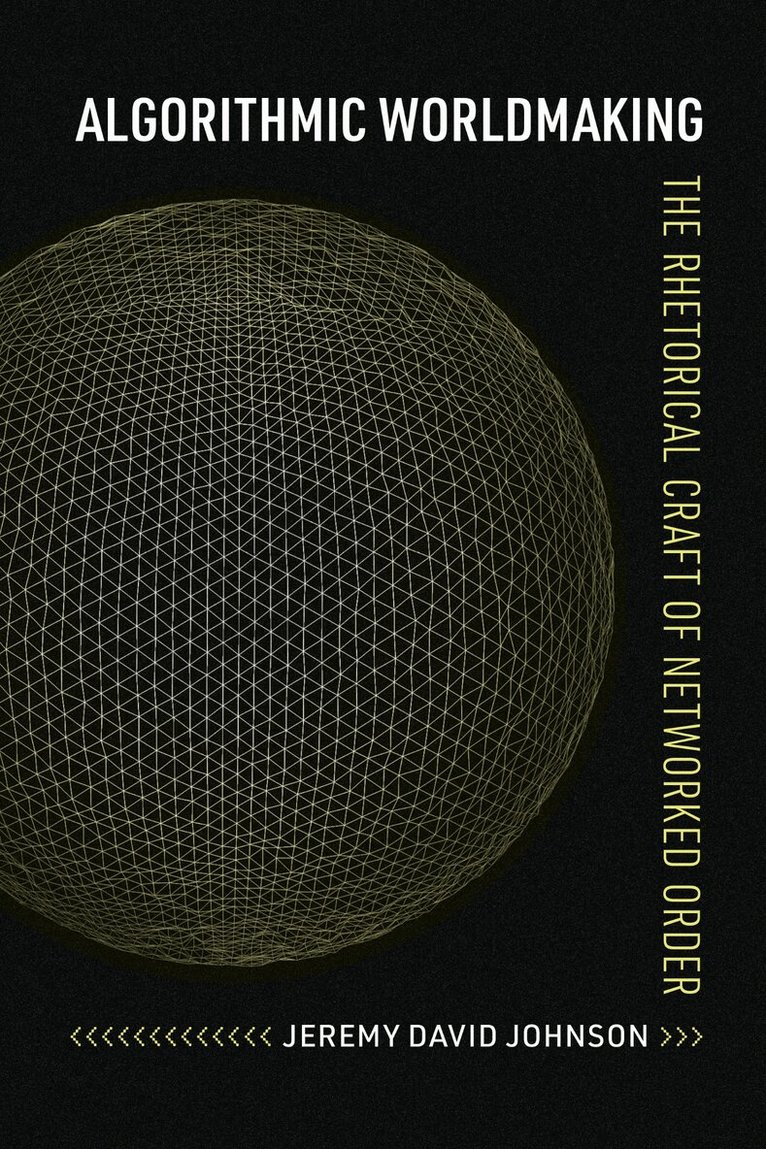
How algorithms shape democratic discourse and determine the ways we think, talk, and act in networked spaces.
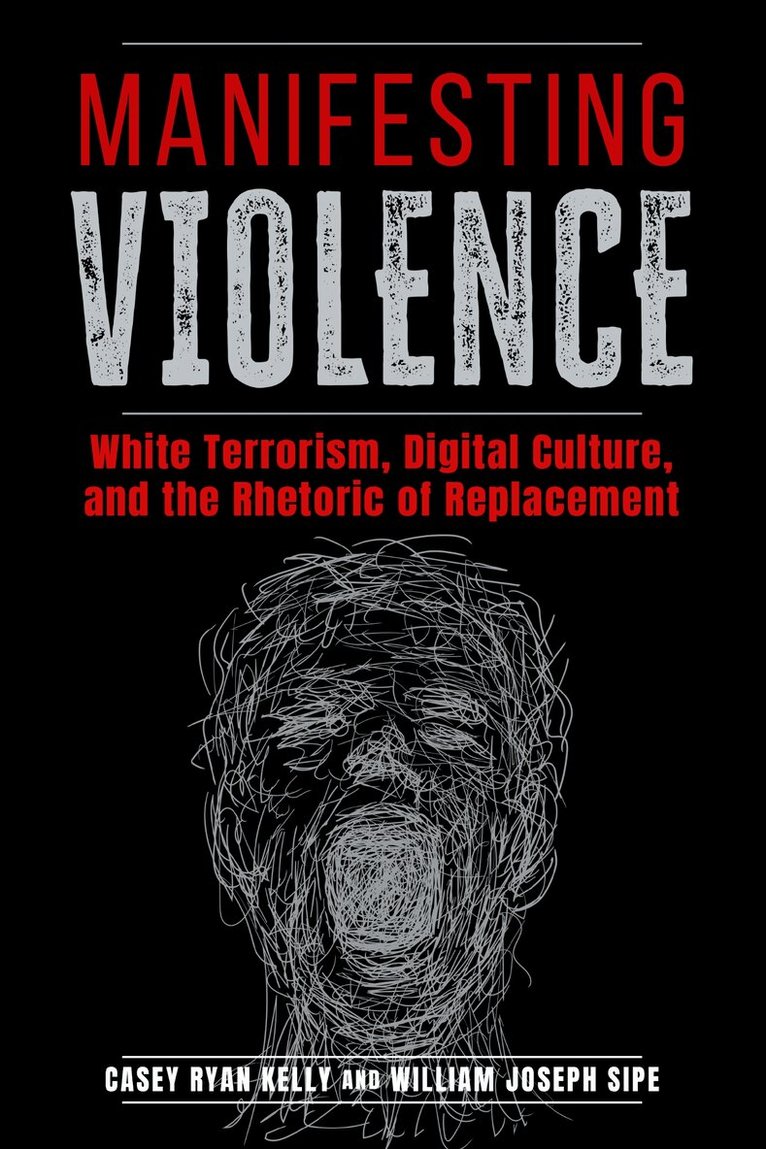
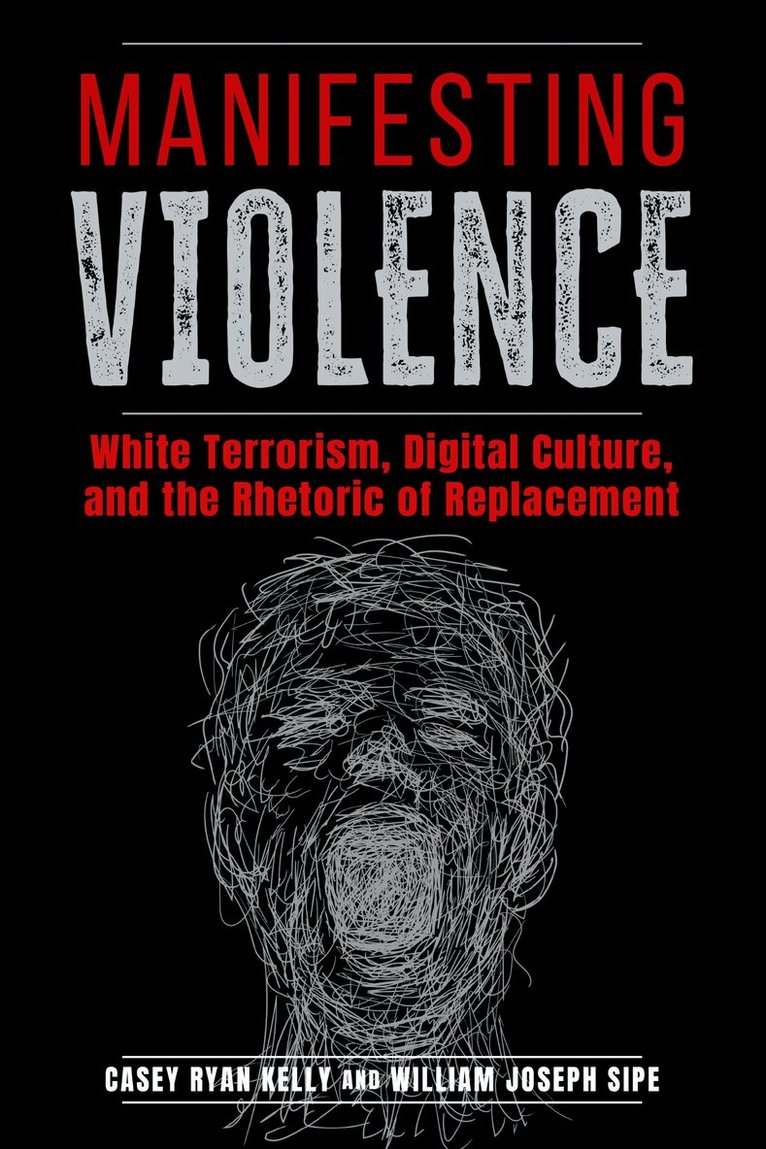
Manifesting Violence
White Terrorism, Digital Culture, and the Rhetoric of Replacement
Inbunden, Engelska, 2025
1 164 kr
Skickas inom 7-10 vardagar
Manifesting Violence explores the digital world as a fertile location where white supremist groups spread manifestos and screeds about a supposed white genocide.
1 164 kr
Skickas inom 7-10 vardagar
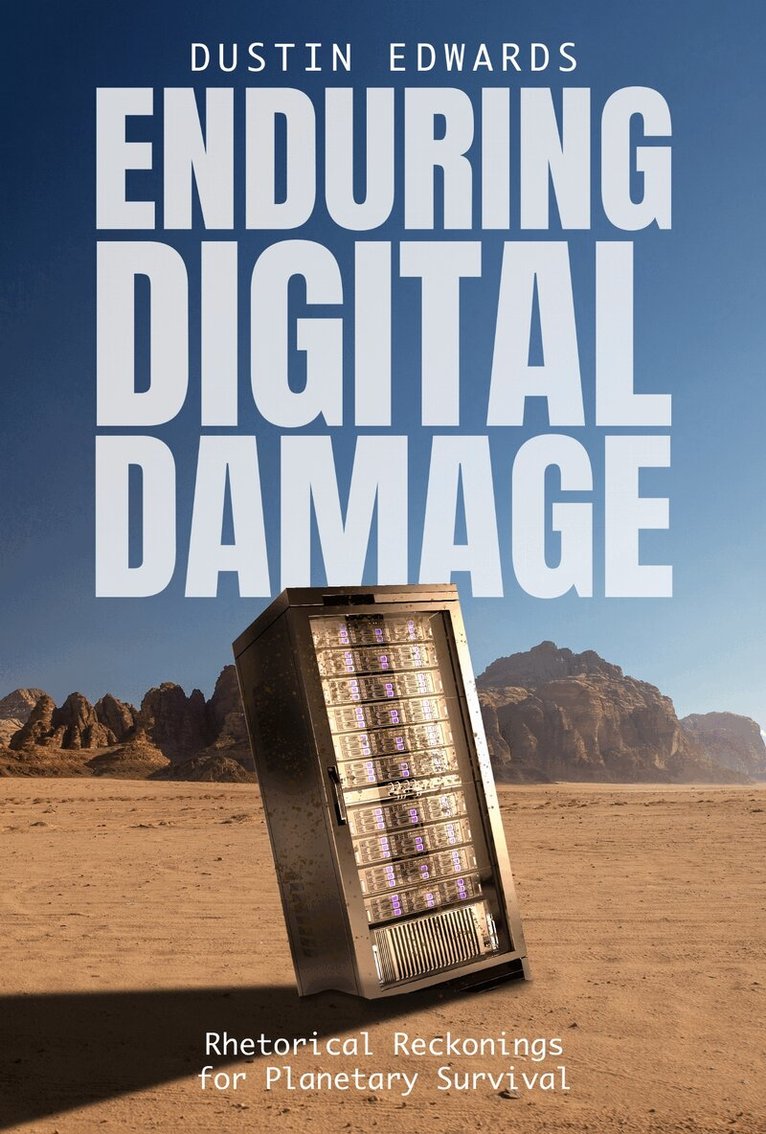
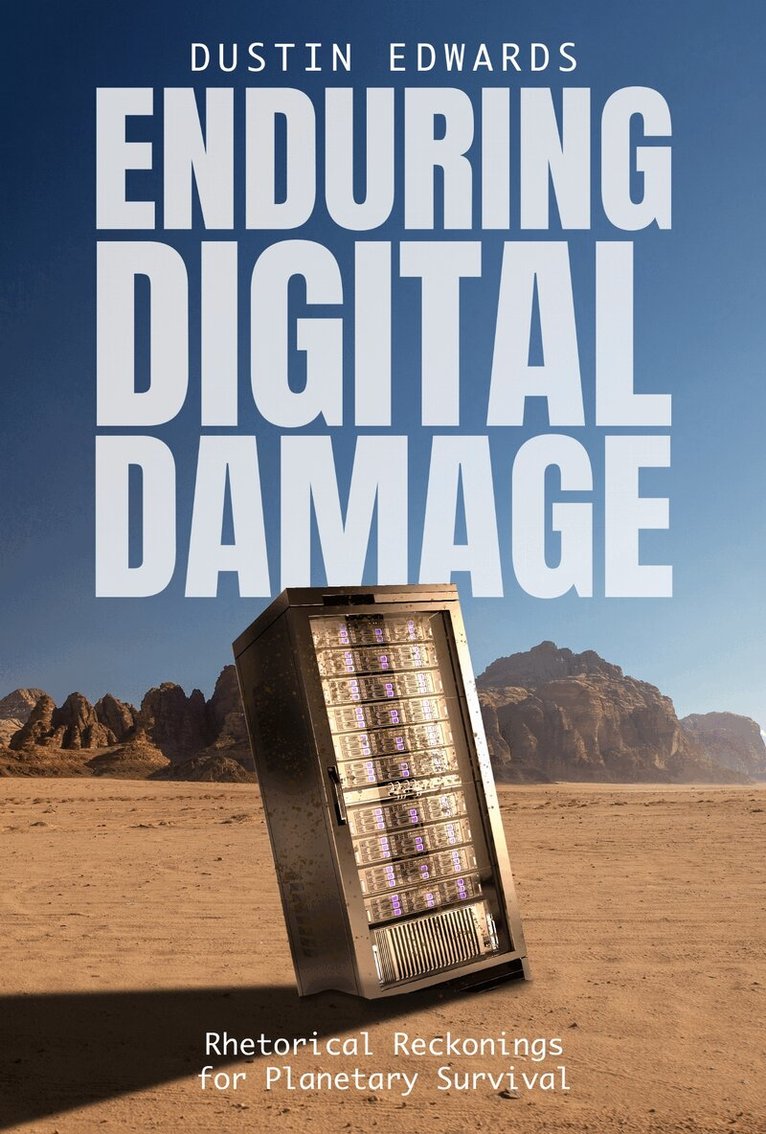
Networks the intricate relationship between rapidly advancing digital technologies and environmental degradation and reveals the costs of our globally connected world.Taking a step back from the screens of electronic devices and exploring the profound impacts of digital technologies on our environment, Enduring Digital Damage lifts the veil on the "hidden costs" in our modern technological world.Dustin Edwards traces key moments in the lifecycle of technology—such as the extraction of raw materials to the disposal of electronic waste—to uncover the often overlooked consequence of our digital age. He illuminates how data centers, mining operations, and other digital infrastructures contribute to environmental harm and how the rapidly increasing demand for land use and water access is essential to sustain our growing digital needs. Weaving together narratives of technological advancement and ecological destruction, Edwards presents a comprehensive analysis of the true cost of our digital lives. By drawing on case studies, cultural critique, and a critical examination of labor and sustainability, Enduring Digital Damage reveals the deeper histories and ongoing struggles that make our digital lives possible, urging readers to imagine the possibility of a less harmful and extractive world.
362 kr
Skickas inom 7-10 vardagar
Examines emergent forms of creative civil disobedience that have arisen in response to digital tools of bodily surveillance and controlThe contemporary world bristles with tools of observation and manipulation. Security cameras, social media, data mining, biometric scans, and other instruments ensnare the individual in a web of surveillance. In Disobedient Aesthetics, Anthony Stagliano exposes the use of human lives as sites of data exploitation and outlines paths of resistance. From the thermal-vision systems used on military drones, which use human body heat itself as a media object, to facial recognition platforms that use human faces as data mines, and from law enforcement tools of DNA analysis to data-driven urban governance, the realm of algorithmic surveillance and control is wide and subtle.Disobedient Aesthetics outlines interventions into the technical systems subtending data-driven surveillance and control. Stagliano maps not only the surveillant regimes afforded by recent networked technologies, but also the inventive, artistic research into ways of undermining, upending, or redirecting such technologies. The concluding chapter examines creative, critical, and collective efforts to democratize access to the technology that undergirds such scrutiny and enables ways to detect and contest its power.In a fascinating epilogue, Stagliano revisits current theories of control and offers an alternative reading of Gilles Deleuze’s oft-cited thesis on control societies: namely that it is not a matter of “finding new weapons” to undermine control but developing new techniques, new designs, new prototypes, and new modes of creative escape.
373 kr
Skickas inom 7-10 vardagar
A landmark rhetorical theory of the formation and functioning of opinions in social media contextsEntitled Opinions: Doxa After Digitality offers a rhetorical theory of opinions, especially as opinions operate within social media. Many urgent contemporary issues—from demagoguery to white ethno-nationalism—compel us to consider opinions seriously. Yet while clichÉs like “he tells it like it is” and newer imperatives such as #BlackLivesMatter seem straightforward, haptics, emoji, and “like” buttons belie unexamined collective assumptions about how opinions in the digital realm function. Caddie Alford illuminates this function by deploying the ancient Greek term for opinions: doxa. Doxa translates to “opinion,” but the term can also signal seemingness and expectations. Doxa’s capacious meanings reveal opinions to be more than static or monolithic: With doxa, opinions become emergent, dynamic, relational, and pluralistic.Masterfully combining rhetorical frameworks as well as scholarship on opinions and digital media entanglements, Alford puts opinions into conversation with such case studies as algorithms, infrastructure, digital illiteracy, virality, and activism. She shows how “doxa” reveals gradations of opinions, from more reputable to less reputable. She demonstrates that these gradations are multifaceted and susceptible to interventions. Entitled Opinions sheds much of the baggage associated with opinions while opening up more fertile pathways of inquiry. In a world that says, “don’t read the comments,” this book reads the comments, taking seriously content that could be easily dismissed otherwise and alchemizing judgments into implications.
362 kr
Skickas inom 7-10 vardagar
An urgent and cautionary examination of the totalizing effect of smart home technology on the lives of those who live in them—and those who don’tSmart homes are here—domestic spaces bristling with networked technologies that appear to enhance work, entertainment, logistics, health, and security. But these technologies may also extract a cost in attention, money, and privacy. In Threshold, communication and technology expert Heather Suzanne Woods applies rhetorical theory to answer the urgent question of how swiftly proliferating smart homes alter those who inhabit them.Building on extensive research into smart homes in the United States, Woods recounts how smart homes arose and predicts the trajectory of their future form. She pulls back the curtain on the technology, probes who is in control, and questions whether a home can be too smart. She reveals how smart homes incentivize ubiquitous computing as a daily practice, priming smart home occupants for permanent transactional existence largely controlled by corporate interests.Woods suggests a dynamic cultural framework for understanding smart homes that takes into account sociotechnical variables such as gender, class, income, race, criminal justice, and more through which smart homes shape human life. Woods’s framework reveals how smart homes both reflect social norms about technology as well as whet consumer appetites for an ever more totalizing relationship with technology. She argues that this progression leads to “living in digitality,” a cultural state of constant use and reliance on technology.Written for homeowners, policymakers, technology enthusiasts, and scholars, Threshold interweaves meticulously researched critical analysis with matter-of-fact graphics that map relationships between digital tools and social life. Readers will appreciate this bracing assessment of smart technologies that empowers smart home users to make informed decisions about their dwellings.
373 kr
Skickas inom 7-10 vardagar
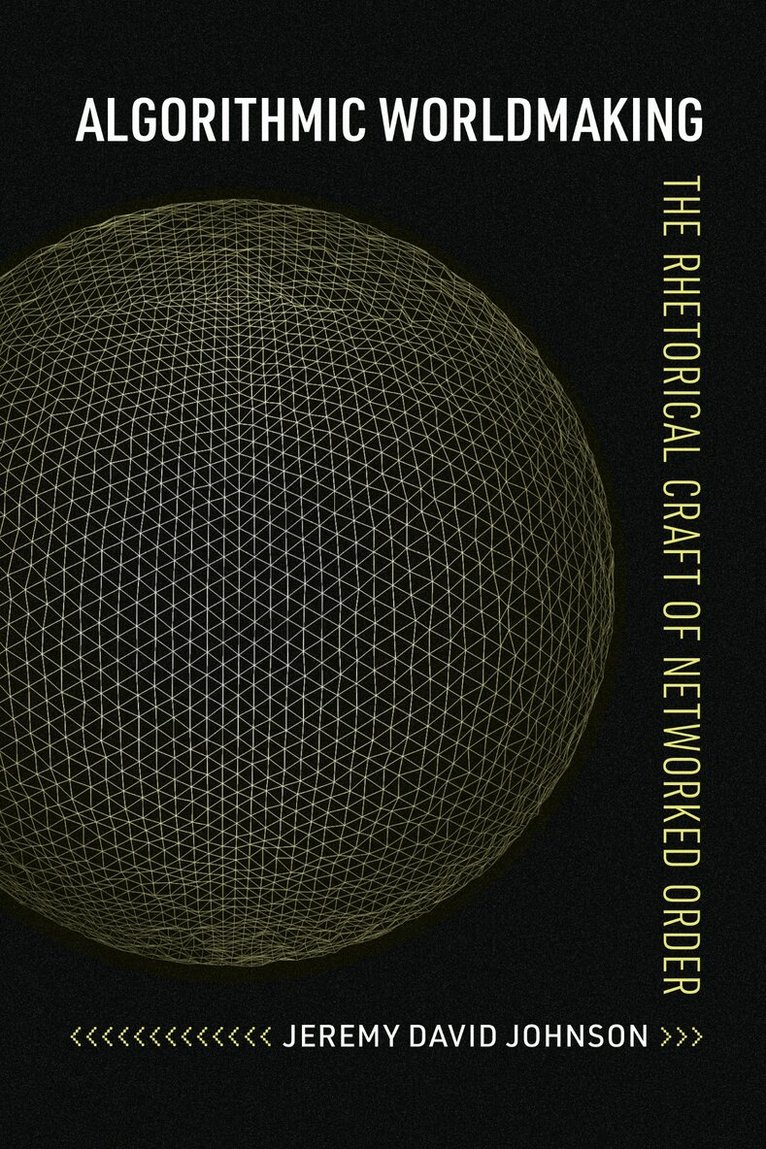
Illuminates how algorithms, intertwined with human biases, damage political discourse and civic engagement.Algorithmic Worldmaking is an urgent exploration of the dynamic relationship between algorithms that encode their human creators' assumptions and the humans whose choices are shaped by these algorithms in search engines, social media, and other digital spaces. Transcending discussions of one or the other, Jeremy David Johnson traces the corrupting political and social influences that arise from their mutual interaction.Johnson uses the concept of kosmos in its sense of a dynamic order to frame the interplay between algorithms, humans, and their environments. He first shows how algorithms, far from being objective or unbiased, perpetuate human errors. Johnson then suggests a framework of four parts—navigation, exploration, maintenance, and monetization—to map the variety of political consequences to a society influenced by these four factors.Citing controversies at major platforms such as Google, YouTube, and Facebook, Johnson demonstrates how algorithms limit and shape human thought. He makes several persuasive arguments. First, algorithms and humans share agency but humans have exceptional responsibility. Second, the algorithmic kosmos mirrors and shapes social oppression. Third, algorithms incentivize capitalist exploitation. Last, these influences damage democratic deliberation.This landmark study is essential for scholars and students of political science, media studies, and those interested in the perilous implications of algorithmic systems on civic and political life.
Manifesting Violence
White Terrorism, Digital Culture, and the Rhetoric of Replacement
Häftad, Engelska, 2025
362 kr
Skickas inom 7-10 vardagar
Exposes how white supremacist groups exploit digital platforms to radicalize individualsManifesting Violence: White Terrorism, Digital Culture, and the Rhetoric of Replacement by Casey Ryan Kelly and William Joseph Sipe is a compelling exploration of how the digital world has become a fertile ground for white supremacist ideology. Through an in-depth analysis of white supremacist manifestos, online rhetoric, and the myth of “white genocide,” Kelly and Sipe uncover the disturbing ways in which digital culture facilitates the spread of racist ideology and the radicalization of individuals. By examining the language of white nationalism—calls to defend the white race, family, and children—Kelly and Sipe reveal how these messages, often disguised as entertainment or humor, gradually transform passive consumers into active participants in a dangerous ideology. Manifesting Violence sheds light on the alarming shift from organized white supremacist groups to a decentralized digital arena where hate speech is disguised as humor and online conversations foster a culture of violence. Kelly and Sipe’s thorough investigation of this growing digital ecosystem offers a chilling glimpse into the dark underbelly of online extremism. A must-read for anyone seeking to understand the growing threat of hate-motivated violence and the urgent need to address its roots in digital culture, Kelly and Sipe offer rich insights to readers, researchers, academics, and policymakers concerned about extremism, online radicalization, and white supremacy.
362 kr
Skickas inom 7-10 vardagar
Networks the intricate relationship between rapidly advancing digital technologies and environmental degradation and reveals the costs of our globally connected world.Taking a step back from the screens of electronic devices and exploring the profound impacts of digital technologies on our environment, Enduring Digital Damage lifts the veil on the "hidden costs" in our modern technological world.Dustin Edwards traces key moments in the lifecycle of technology—such as the extraction of raw materials to the disposal of electronic waste—to uncover the often overlooked consequence of our digital age. He illuminates how data centers, mining operations, and other digital infrastructures contribute to environmental harm and how the rapidly increasing demand for land use and water access is essential to sustain our growing digital needs. Weaving together narratives of technological advancement and ecological destruction, Edwards presents a comprehensive analysis of the true cost of our digital lives. By drawing on case studies, cultural critique, and a critical examination of labor and sustainability, Enduring Digital Damage reveals the deeper histories and ongoing struggles that make our digital lives possible, urging readers to imagine the possibility of a less harmful and extractive world.