Routledge Research in Gender and Politics – Serie
Visar alla böcker i serien Routledge Research in Gender and Politics. Handla med fri frakt och snabb leverans.
13 produkter
13 produkter
594 kr
Skickas inom 10-15 vardagar
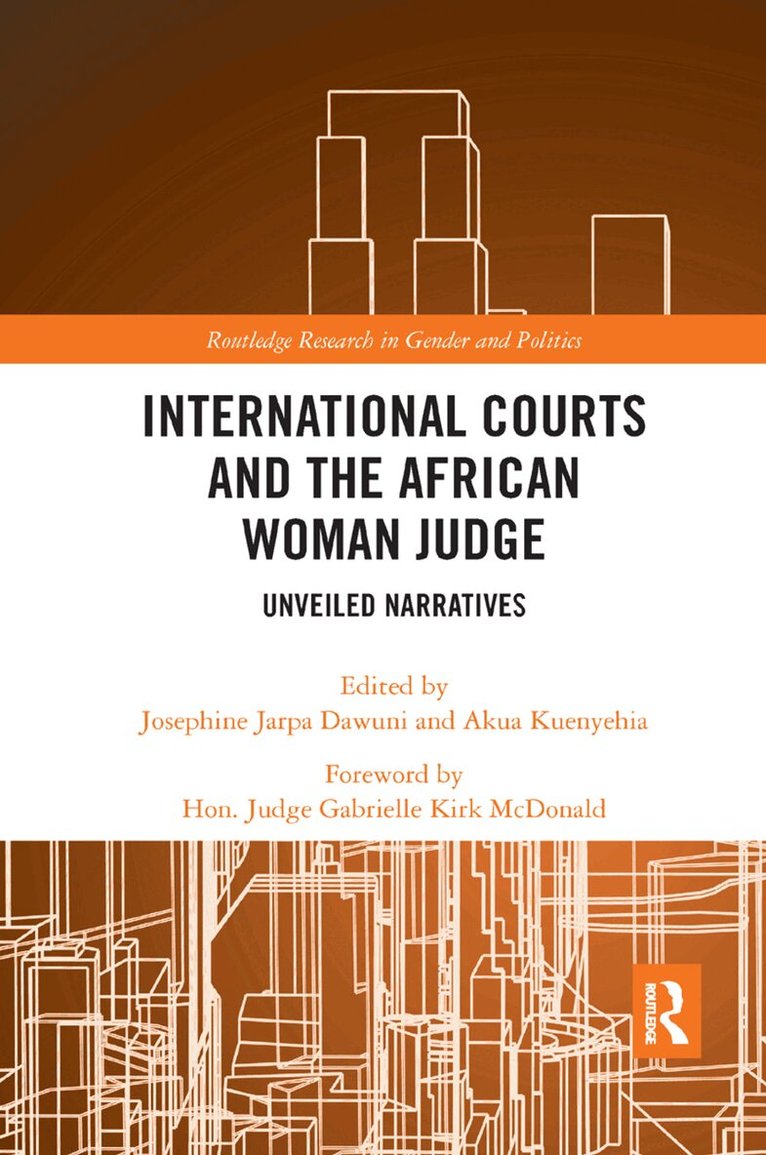
A sequel to Bauer and Dawuni's pioneering study on gender and the judiciary in Africa (Routledge, 2016), International Courts and the African Woman Judge examines questions on gender diversity, representative benches, and international courts by focusing on women judges from the continent of Africa.Drawing from postcolonial feminism, feminist institutionalism, feminist legal theory, and legal narratives, this book provides fresh and detailed narratives of seven women judges that challenge existing discourse on gender diversity in international courts. It answers important questions about how the politics of judicial appointments, gender, geographic location, class, and professional capital combine to shape the lives of women judges who sit on international courts and argues the need to disaggregate gender diversity with a view to understanding intra-group differences.International Courts and the African Woman Judge will be of interest to a variety of audiences including governments, policy makers, civil society organizations, students of gender studies, and feminist activists interested in all questions of gender and judging.
2 181 kr
Skickas inom 10-15 vardagar
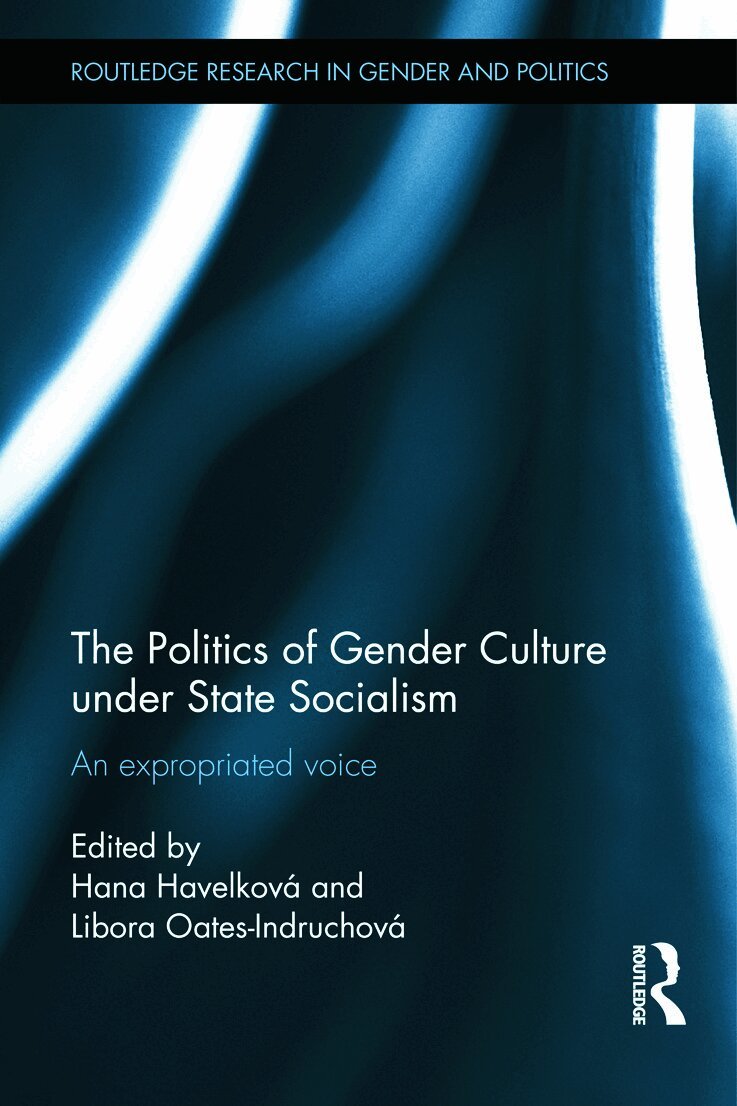
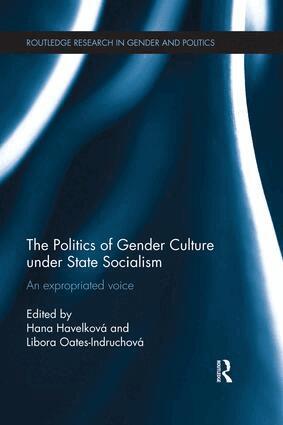
Though there has been much research on the incomplete emancipation project of state socialism in East and Central Europe, very little has been published on how the state and its institutions conceived of gender as a concept. This book seeks to understand if and how this conceptualization developed in the second half of the twentieth century, and what impact it had on everyday life and on culture. This study moves beyond the dichotomous gender perspectives and towards a nuanced understanding of the diverse discursive negotiations, agendas, actors and agency involved in state-socialist gender practices. Including a detailed case study on Czechoslovakia, contributors explore these issues in a series of independent, but collaboratively developed studies, placing their research in the context of other East Central European countries. The studies collected in the volume bring to light fresh material and consider it from the combined perspective of current gender theory and internal ideological dynamics of state socialism, breaking new ground in gender theory, cultural theory and studies of state socialism.This book will be of interest to students and scholars of gender studies, socialism, Cold-War politics and Eastern European politics and culture.
2 181 kr
Skickas inom 10-15 vardagar
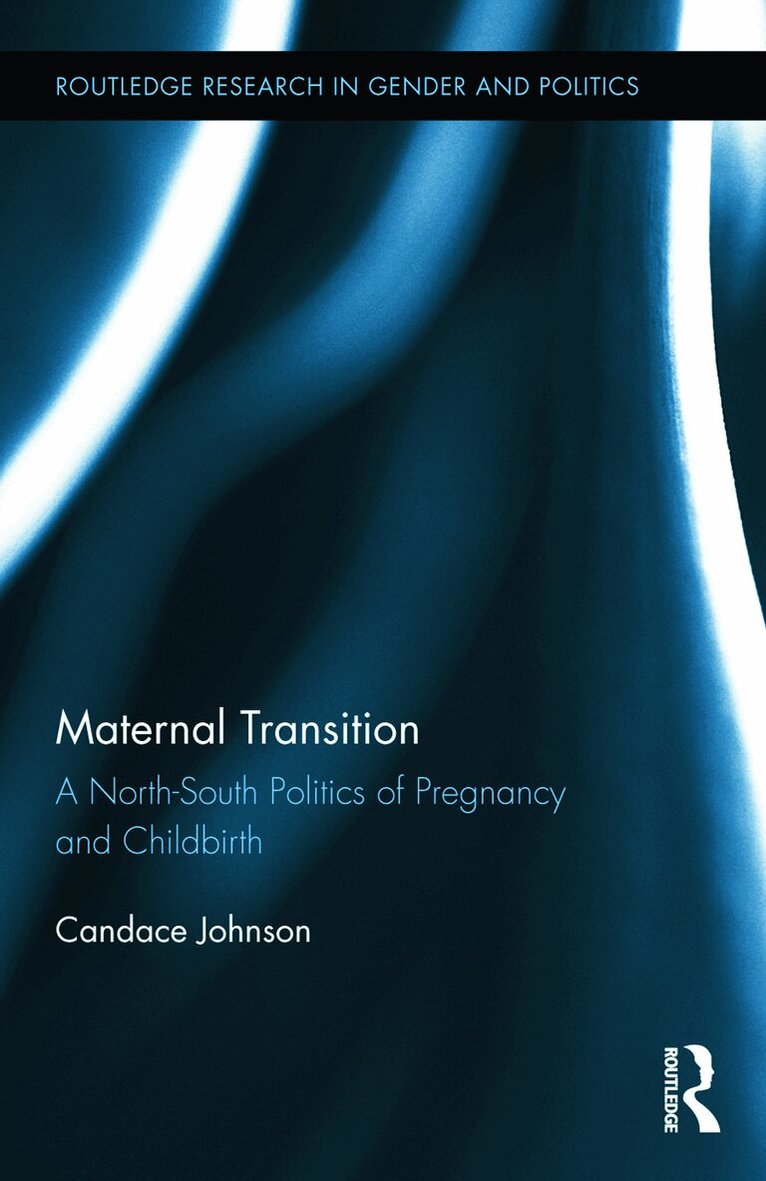
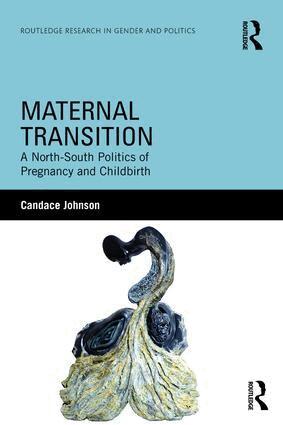
What are the political dimensions that are revealed in women’s preferences for health care during pregnancy and childbirth? The answers to this question vary from one community to the next, and often from woman to the next, although the trends in the Global North and South are strikingly different. Employing three conceptual frames; medicalization, the public-private distinction, and intersectionality, Candace Johnson examines these differences through the narratives of women in Canada, the United States, Cuba, and Honduras. In Canada and the United States, women from privileged and marginalized social groups demonstrate the differences across the North-South divide, and women in Cuba and Honduras speak to the realities of severely constrained decision-making in developing countries. Each case study includes narratives drawn from in-depth interviews with women who were pregnant or who had recently had children. Johnson argues that women’s expressed preferences in different contexts reveal important details about the inequality that they experience in that context, in addition to as various elements of identity. Both inequality and identity are affected by the ways in which women experience the division between public and private lives – the life of the community and the life of the home and family – as well as the consequences of intersectionality – the combinations of various sources of disadvantage and women’s reactions to these, either in the form of resistance or compliance. The rigorous and highly original cross cultural and comparative research on health, gender, poverty and social context makes Maternal Transition an excellent contribution to global maternal health policy debates.
Women's Movement in Protest, Institutions and the Internet
Australia in transnational perspective
Inbunden, Engelska, 2013
2 181 kr
Skickas inom 10-15 vardagar
The death of feminism is regularly proclaimed in the West. Yet at the same time feminism has never had such an extensive presence, whether in international norms and institutions, or online in blogs and social networking campaigns. This book argues that the women’s movement is not over; but rather social movement theory has led us to look in the wrong places.This book offers both methodological and theoretical innovations in the study of social movements, and analyses how the trajectories of protest activity and institution-building fit together. The rich empirical study, together with focused research on discursive activism, blogging, popular culture and advocacy networks, provides an extraordinary resource, showing how the women’s movements can survive the highs and lows and adapt in unexpected ways. Expert contributors explore the ways in which the movement is continuing to work its way through institutions, and persists within submerged networks, cultural production and in everyday living, sustaining itself in non-receptive political environments and maintaining a discursive feminist space for generations to come. Set in a transnational perspective, this book trace the legacies of the Australian women’s movement to the present day in protest, non-government organisations, government organisations, popular culture, the Internet and the Slut Walk.The Women’s Movement in Protest, Institutions and the Internet will be of interest to international students and scholars of gender politics, gender studies, social movement studies and comparative politics.
619 kr
Skickas inom 10-15 vardagar
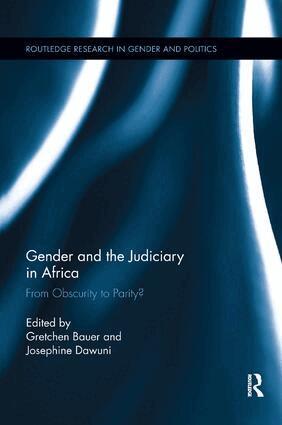
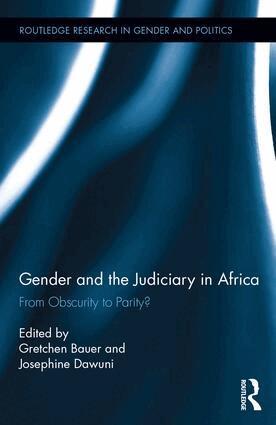
Between 2000 and 2015, women ascended to the top of judiciaries across Africa, most notably as chief justices of supreme courts in common law countries like Ghana, Nigeria, Sierra Leone, Gambia, Malawi, Lesotho and Zambia, but also as presidents of constitutional courts in civil law countries such as Benin, Burundi, Gabon, Niger and Senegal. Most of these appointments was a "first" in terms of the gender of the chief justice. At the same time, women are being appointed in record numbers as magistrates, judges and justices across the continent. While women’s increasing numbers and roles in African executives and legislatures have been addressed in a burgeoning scholarly literature, very little work has focused on women in judiciaries. This book addresses the important issue of the increasing numbers and varied roles of women judges and justices, as judiciaries evolve across the continent.Scholars of law, gender politics and African politics provide overviews of recent developments in gender and the judiciary in nine African countries that represent north, east, southern and west Africa as well as a range of colonial experiences, postcolonial trajectories and legal systems, including mixes of common, civil, customary, or sharia law. In the process, each chapter seeks to address the following questions: What has been the historical experience of the judicial system in a given country, from before colonialism until the present? What is the current court structure and where are the women judges, justices, magistrates and other women located? What are the selection or appointment processes for joining the bench and in what ways may these help or hinder women to gain access to the courts as judges and justices? Once they become judges, do women on the bench promote the rights of women through their judicial powers? What are the challenges and obstacles facing women judges and justices in Africa?Timely and relevant in this era in which governmental accountability and transparency are essential to the consolidation of democracy in Africa and when women are accessing significant leadership positions across the continent, this book considers the substantive and symbolic representation of women’s interests by women judges and the wider implications of their presence for changing institutional norms and advancing the rule of law and human rights.
2 113 kr
Skickas inom 10-15 vardagar
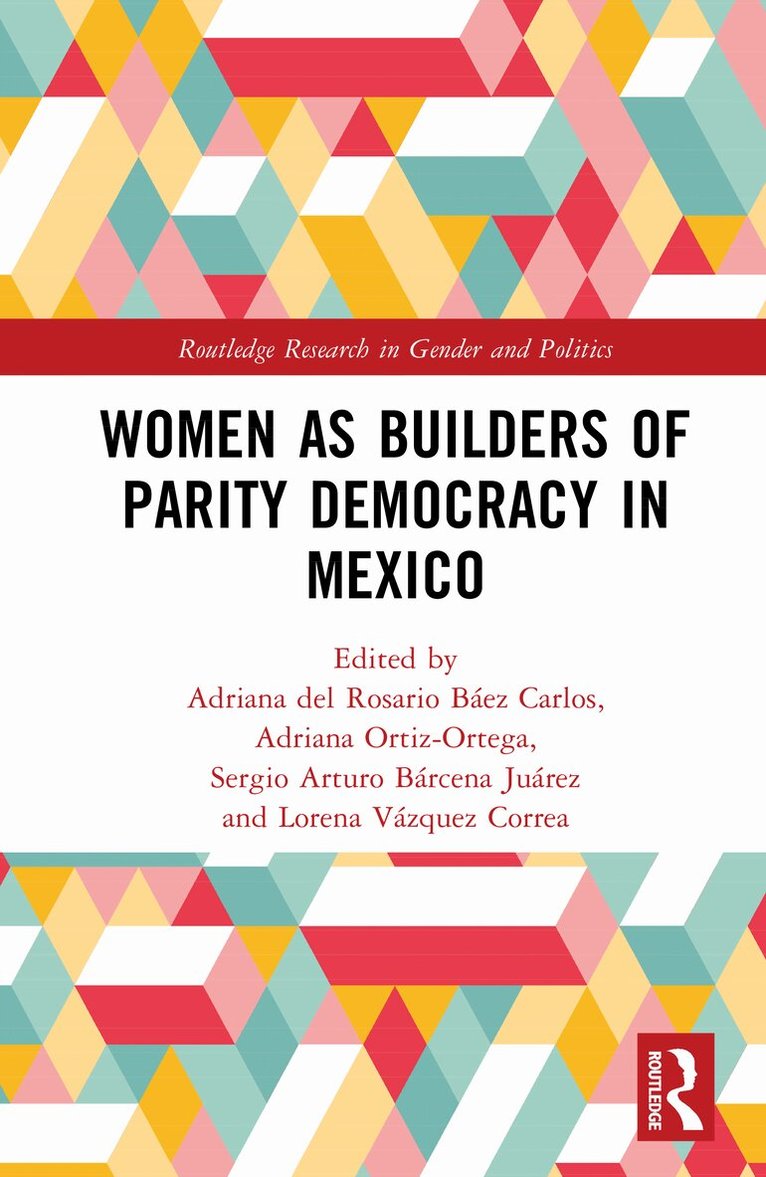
When Claudia Sheinbaum was sworn in as Mexico's 66th president and its first female leader, political analysts focused their research on the potential impact of her presidency on the advancement of social transformation and the deepening of gender equality.Featuring chapters from highly respected researchers, whose work has been critical to promoting gender parity in Mexico, Women as Constructors of Parity Democracy in Mexico chronicles the evolution of women's integration into Mexico’s public sphere during the nation’s democratic transition, scrutinizing the tangible impacts of women's political representation within the initial years of the parity model, while dissecting the political currents that either advanced or impeded the women's agenda. The book is divided into three parts and consists of nine chapters that follow a common framework, highlighting how women politicians and activists operate within the legislative and executive branchs to bring about change in the field of gender politics.Women as Builders of Parity Democracy in Mexico will be of interest to researchers and postgraduates studying gender and politics in Mexico.
673 kr
Skickas inom 10-15 vardagar
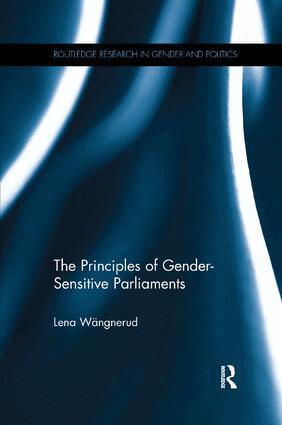
Gender serves as a lens that makes visible important issues in the field of representation: Whom do elected politicians represent? What is at stake in the parliamentary process? What do we know about the interplay between parliaments and the everyday lives of citizens? It is widely understood that women’s presence in government matters but we need to understand the conditions under which it matters more clearly. Using Sweden as a case study, a country where the number of women elected to the national parliament has steadily risen since the 1970s, Lena Wängnerud presents a novel approach on which characteristics inside a parliament help translate physical representation into substantive representation for women. Using three guiding principles: (i) the implementation of equal opportunities for women and men to influence internal parliamentary working procedures; (ii) the creation of room for women’s interests and concerns on the political agenda; and (iii) the production of gender-sensitive legislation, Wängnerud shows what are the necessary conditions for women’s needs, interests, and concerns to be adequately integrated into parliamentary processes.The Principles of Gender-Sensitive Parliaments book adds fuel to all these classical debates within the field of political representation and will bring attention to a wider audience on why electing women matters.
673 kr
Skickas inom 10-15 vardagar
Though there has been much research on the incomplete emancipation project of state socialism in East and Central Europe, very little has been published on how the state and its institutions conceived of gender as a concept. This book seeks to understand if and how this conceptualization developed in the second half of the twentieth century, and what impact it had on everyday life and on culture. This study moves beyond the dichotomous gender perspectives and towards a nuanced understanding of the diverse discursive negotiations, agendas, actors and agency involved in state-socialist gender practices. Including a detailed case study on Czechoslovakia, contributors explore these issues in a series of independent, but collaboratively developed studies, placing their research in the context of other East Central European countries. The studies collected in the volume bring to light fresh material and consider it from the combined perspective of current gender theory and internal ideological dynamics of state socialism, breaking new ground in gender theory, cultural theory and studies of state socialism.This book will be of interest to students and scholars of gender studies, socialism, Cold-War politics and Eastern European politics and culture.
659 kr
Skickas inom 10-15 vardagar
What are the political dimensions that are revealed in women’s preferences for health care during pregnancy and childbirth? The answers to this question vary from one community to the next, and often from woman to the next, although the trends in the Global North and South are strikingly different. Employing three conceptual frames; medicalization, the public-private distinction, and intersectionality, Candace Johnson examines these differences through the narratives of women in Canada, the United States, Cuba, and Honduras. In Canada and the United States, women from privileged and marginalized social groups demonstrate the differences across the North-South divide, and women in Cuba and Honduras speak to the realities of severely constrained decision-making in developing countries. Each case study includes narratives drawn from in-depth interviews with women who were pregnant or who had recently had children. Johnson argues that women’s expressed preferences in different contexts reveal important details about the inequality that they experience in that context, in addition to as various elements of identity. Both inequality and identity are affected by the ways in which women experience the division between public and private lives – the life of the community and the life of the home and family – as well as the consequences of intersectionality – the combinations of various sources of disadvantage and women’s reactions to these, either in the form of resistance or compliance. The rigorous and highly original cross cultural and comparative research on health, gender, poverty and social context makes Maternal Transition an excellent contribution to global maternal health policy debates.
Women's Movement in Protest, Institutions and the Internet
Australia in transnational perspective
Häftad, Engelska, 2015
809 kr
Skickas inom 10-15 vardagar
The death of feminism is regularly proclaimed in the West. Yet at the same time feminism has never had such an extensive presence, whether in international norms and institutions, or online in blogs and social networking campaigns. This book argues that the women’s movement is not over; but rather social movement theory has led us to look in the wrong places.This book offers both methodological and theoretical innovations in the study of social movements, and analyses how the trajectories of protest activity and institution-building fit together. The rich empirical study, together with focused research on discursive activism, blogging, popular culture and advocacy networks, provides an extraordinary resource, showing how the women’s movements can survive the highs and lows and adapt in unexpected ways. Expert contributors explore the ways in which the movement is continuing to work its way through institutions, and persists within submerged networks, cultural production and in everyday living, sustaining itself in non-receptive political environments and maintaining a discursive feminist space for generations to come. Set in a transnational perspective, this book trace the legacies of the Australian women’s movement to the present day in protest, non-government organisations, government organisations, popular culture, the Internet and the Slut Walk.The Women’s Movement in Protest, Institutions and the Internet will be of interest to international students and scholars of gender politics, gender studies, social movement studies and comparative politics.
1 944 kr
Skickas inom 10-15 vardagar
A sequel to Bauer and Dawuni's pioneering study on gender and the judiciary in Africa (Routledge, 2016), International Courts and the African Woman Judge examines questions on gender diversity, representative benches, and international courts by focusing on women judges from the continent of Africa.Drawing from postcolonial feminism, feminist institutionalism, feminist legal theory, and legal narratives, this book provides fresh and detailed narratives of seven women judges that challenge existing discourse on gender diversity in international courts. It answers important questions about how the politics of judicial appointments, gender, geographic location, class, and professional capital combine to shape the lives of women judges who sit on international courts and argues the need to disaggregate gender diversity with a view to understanding intra-group differences.International Courts and the African Woman Judge will be of interest to a variety of audiences including governments, policy makers, civil society organizations, students of gender studies, and feminist activists interested in all questions of gender and judging.
2 181 kr
Skickas inom 10-15 vardagar
Gender serves as a lens that makes visible important issues in the field of representation: Whom do elected politicians represent? What is at stake in the parliamentary process? What do we know about the interplay between parliaments and the everyday lives of citizens? It is widely understood that women’s presence in government matters but we need to understand the conditions under which it matters more clearly. Using Sweden as a case study, a country where the number of women elected to the national parliament has steadily risen since the 1970s, Lena Wängnerud presents a novel approach on which characteristics inside a parliament help translate physical representation into substantive representation for women. Using three guiding principles: (i) the implementation of equal opportunities for women and men to influence internal parliamentary working procedures; (ii) the creation of room for women’s interests and concerns on the political agenda; and (iii) the production of gender-sensitive legislation, Wängnerud shows what are the necessary conditions for women’s needs, interests, and concerns to be adequately integrated into parliamentary processes.The Principles of Gender-Sensitive Parliaments book adds fuel to all these classical debates within the field of political representation and will bring attention to a wider audience on why electing women matters.
2 131 kr
Skickas inom 10-15 vardagar
Between 2000 and 2015, women ascended to the top of judiciaries across Africa, most notably as chief justices of supreme courts in common law countries like Ghana, Nigeria, Sierra Leone, Gambia, Malawi, Lesotho and Zambia, but also as presidents of constitutional courts in civil law countries such as Benin, Burundi, Gabon, Niger and Senegal. Most of these appointments was a "first" in terms of the gender of the chief justice. At the same time, women are being appointed in record numbers as magistrates, judges and justices across the continent. While women’s increasing numbers and roles in African executives and legislatures have been addressed in a burgeoning scholarly literature, very little work has focused on women in judiciaries. This book addresses the important issue of the increasing numbers and varied roles of women judges and justices, as judiciaries evolve across the continent.Scholars of law, gender politics and African politics provide overviews of recent developments in gender and the judiciary in nine African countries that represent north, east, southern and west Africa as well as a range of colonial experiences, postcolonial trajectories and legal systems, including mixes of common, civil, customary, or sharia law. In the process, each chapter seeks to address the following questions: What has been the historical experience of the judicial system in a given country, from before colonialism until the present? What is the current court structure and where are the women judges, justices, magistrates and other women located? What are the selection or appointment processes for joining the bench and in what ways may these help or hinder women to gain access to the courts as judges and justices? Once they become judges, do women on the bench promote the rights of women through their judicial powers? What are the challenges and obstacles facing women judges and justices in Africa?Timely and relevant in this era in which governmental accountability and transparency are essential to the consolidation of democracy in Africa and when women are accessing significant leadership positions across the continent, this book considers the substantive and symbolic representation of women’s interests by women judges and the wider implications of their presence for changing institutional norms and advancing the rule of law and human rights.