Routledge Studies in Chinese Archaeology – serie
Visar alla böcker i serien Routledge Studies in Chinese Archaeology. Handla med fri frakt och snabb leverans.
4 produkter
4 produkter
2 176 kr
Skickas inom 10-15 vardagar
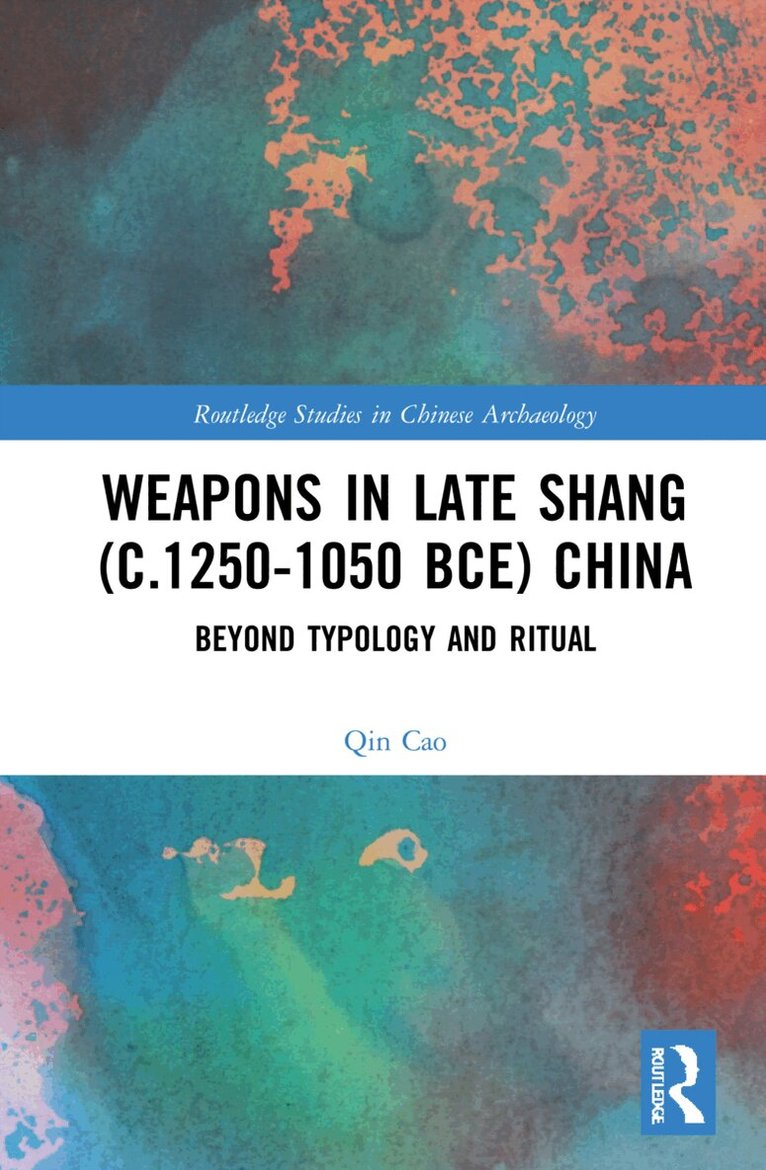
Weapons in Late Shang (c.1250-1050 BCE) China: Beyond Typology and Ritual explores the large quantities of bronze and jade weapons, such as dagger-axes, spears and arrows, found at the World Heritage site of Yinxu, the late Shang capital located near today’s Anyang city in central China.Qin Cao’s innovative research presents new insights into these weapons, moving beyond perceptions of them being primarily symbols of power and rank. Through the lens of weapons, this book argues for the significance of martial prowess and leadership within late Shang society. The author considers Shang weapons from an object biographical perspective, tracing their life histories for the first time. This book synthesises archaeological data, scientific analyses, and inscriptions on oracle bones and bronzes, uncovering a more nuanced understanding of the complex roles weapons played in society. What traces of evidence can be detected on weapons that demonstrate their ability to cause bodily harm? Why were tens of thousands of weapons placed in tombs? What led to certain individuals, including high-ranking royal females, being buried with weapons?This book will be of interest to academics, students (both undergraduates and postgraduates), and researchers in archaeology, particularly those focused on China, East Asia, or comparative studies, as well as a more general readership in Chinese archaeology.
595 kr
Skickas inom 10-15 vardagar
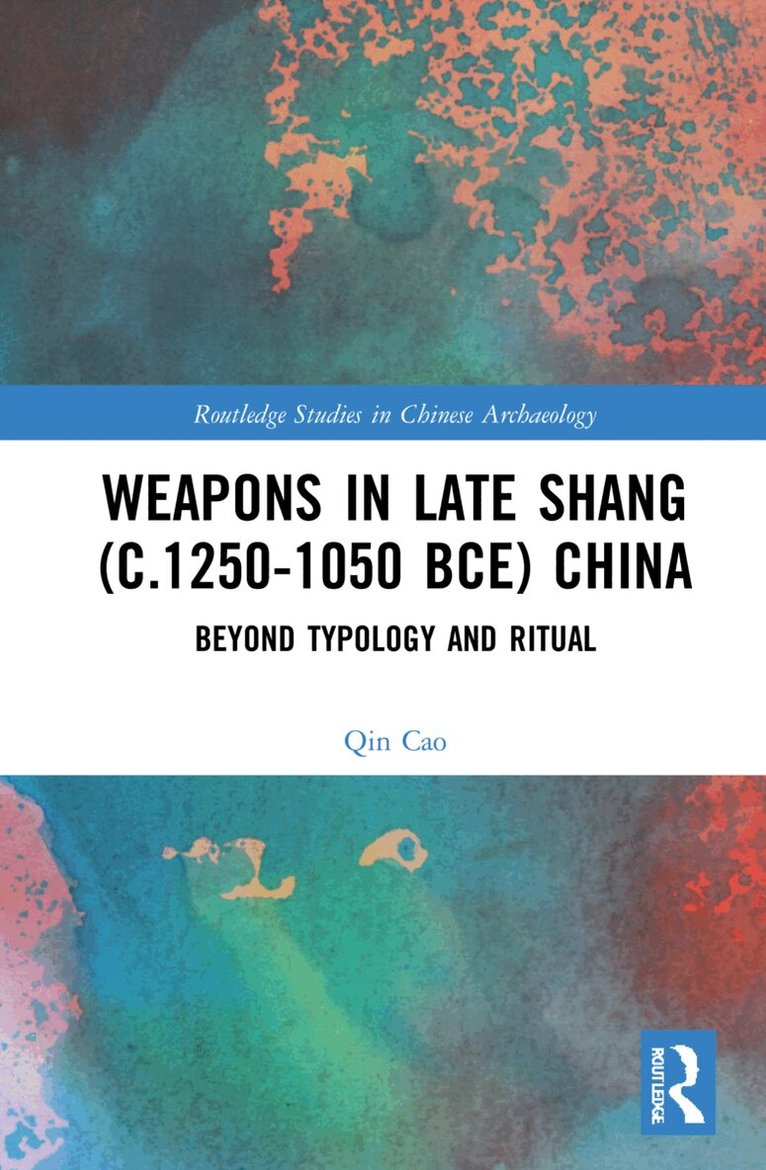
Weapons in Late Shang (c.1250-1050 BCE) China: Beyond Typology and Ritual explores the large quantities of bronze and jade weapons, such as dagger-axes, spears and arrows, found at the World Heritage site of Yinxu, the late Shang capital located near today’s Anyang city in central China.Qin Cao’s innovative research presents new insights into these weapons, moving beyond perceptions of them being primarily symbols of power and rank. Through the lens of weapons, this book argues for the significance of martial prowess and leadership within late Shang society. The author considers Shang weapons from an object biographical perspective, tracing their life histories for the first time. This book synthesises archaeological data, scientific analyses, and inscriptions on oracle bones and bronzes, uncovering a more nuanced understanding of the complex roles weapons played in society. What traces of evidence can be detected on weapons that demonstrate their ability to cause bodily harm? Why were tens of thousands of weapons placed in tombs? What led to certain individuals, including high-ranking royal females, being buried with weapons?This book will be of interest to academics, students (both undergraduates and postgraduates), and researchers in archaeology, particularly those focused on China, East Asia, or comparative studies, as well as a more general readership in Chinese archaeology.
2 176 kr
Skickas inom 10-15 vardagar
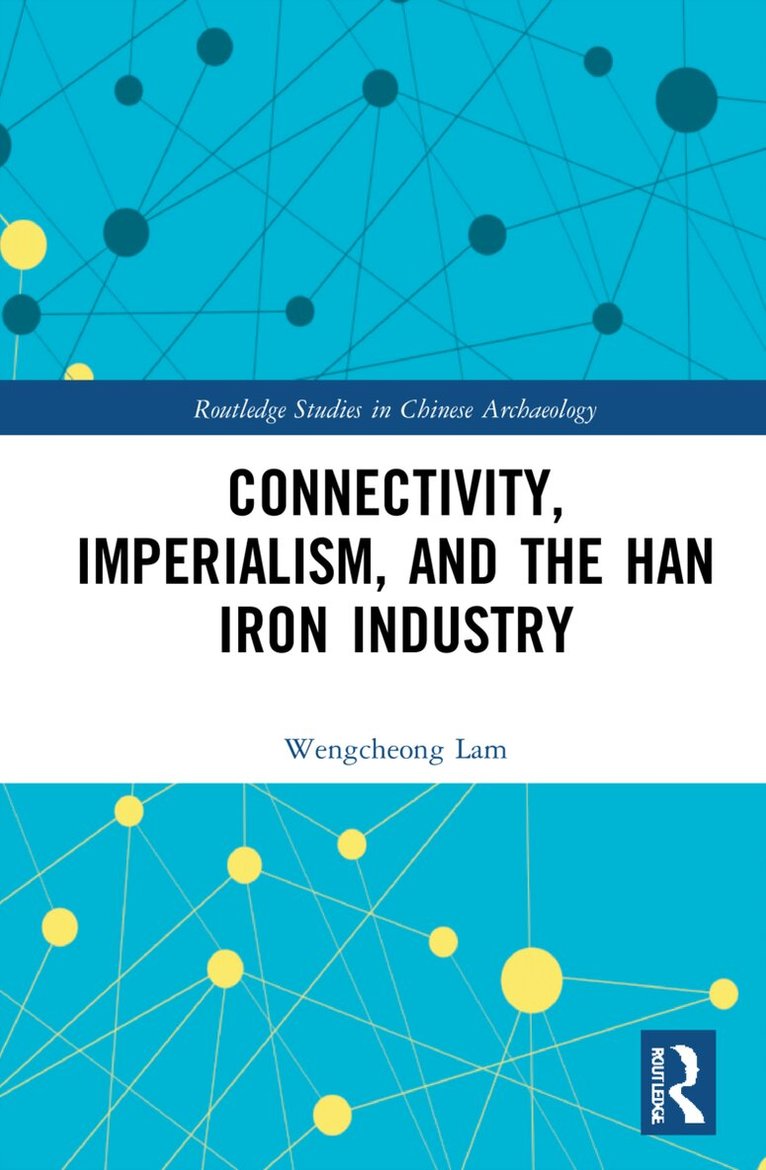
This book examines the rise of the iron industry during the Warring States and Western Han periods (ca. 400 BCE–9 CE) in ancient China, which is characterized not only by various technological innovations but also as a remarkable phenomenon, leading to the widespread distribution of iron implements and the emergence of massive ironworks that were rarely seen in later periods.With Connectivity, Imperialism, and the Han Iron Industry, Lam Wengcheong combines archaeological and historical analyses to piece together fragmentary evidence and to refocus our gaze onto the economic and political mechanism that gave birth to an iron industry unique in the ancient world. Guiding readers through the macroscopic social settings of the iron industry and distribution patterns of iron implements to the microscopic organization of workplace and workers’ foodways, Lam explores how iron production and transportation processes intersected with the transformation of the Han capital region in the Guanzhong basin. Using various lines of evidence of iron production in Guanzhong and its connection with other production centers, this book shows how the production and transportation of iron at various scales played a significant role in generating the "connectivity" between various parts of the Western Han empire, and casts new light on the workings of the economic system in imperial China.Connectivity, Imperialism, and the Han Iron Industry will appeal to anyone interested in Chinese archaeology, the history of the Han empire, and the history of science and engineering in ancient China, as well as to scholars working on the comparative study of ancient imperialism, market exchange, and economic history.
595 kr
Skickas inom 10-15 vardagar
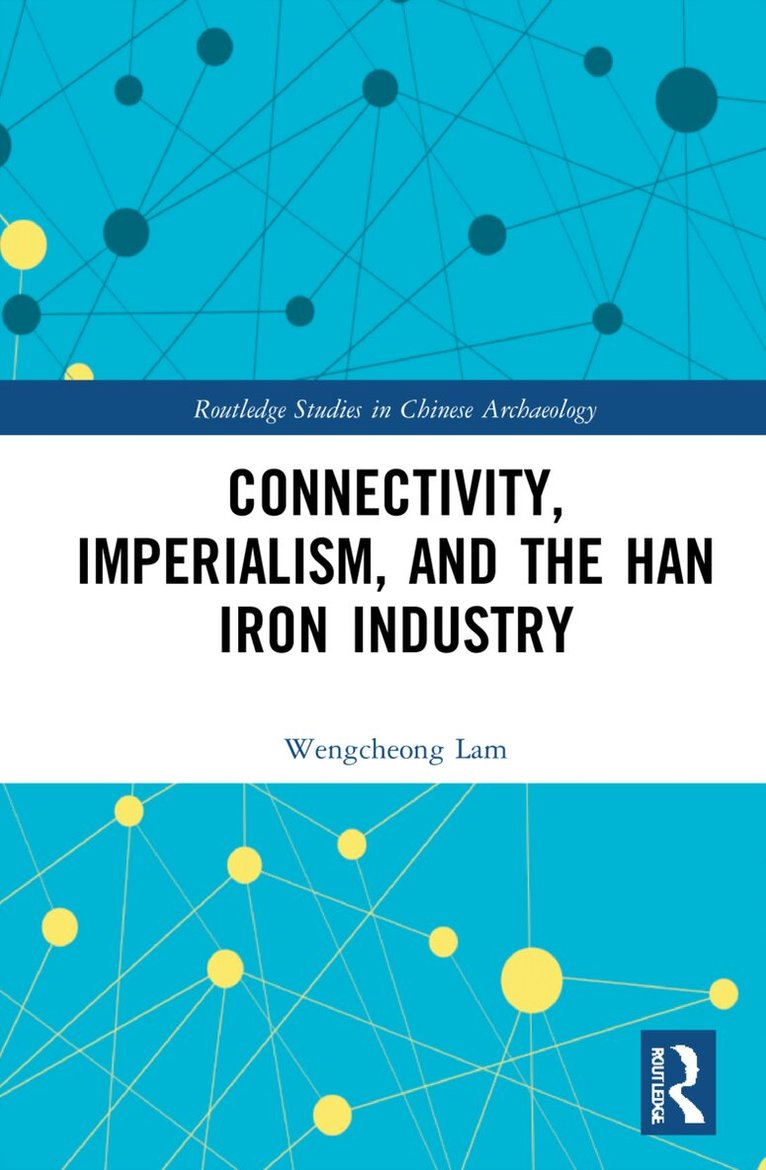
This book examines the rise of the iron industry during the Warring States and Western Han periods (ca. 400 BCE–9 CE) in ancient China, which is characterized not only by various technological innovations but also as a remarkable phenomenon, leading to the widespread distribution of iron implements and the emergence of massive ironworks that were rarely seen in later periods.With Connectivity, Imperialism, and the Han Iron Industry, Lam Wengcheong combines archaeological and historical analyses to piece together fragmentary evidence and to refocus our gaze onto the economic and political mechanism that gave birth to an iron industry unique in the ancient world. Guiding readers through the macroscopic social settings of the iron industry and distribution patterns of iron implements to the microscopic organization of workplace and workers’ foodways, Lam explores how iron production and transportation processes intersected with the transformation of the Han capital region in the Guanzhong basin. Using various lines of evidence of iron production in Guanzhong and its connection with other production centers, this book shows how the production and transportation of iron at various scales played a significant role in generating the "connectivity" between various parts of the Western Han empire, and casts new light on the workings of the economic system in imperial China.Connectivity, Imperialism, and the Han Iron Industry will appeal to anyone interested in Chinese archaeology, the history of the Han empire, and the history of science and engineering in ancient China, as well as to scholars working on the comparative study of ancient imperialism, market exchange, and economic history.