Routledge Studies on Islam and Muslims in Southeast Asia – serie
Visar alla böcker i serien Routledge Studies on Islam and Muslims in Southeast Asia. Handla med fri frakt och snabb leverans.
11 produkter
11 produkter
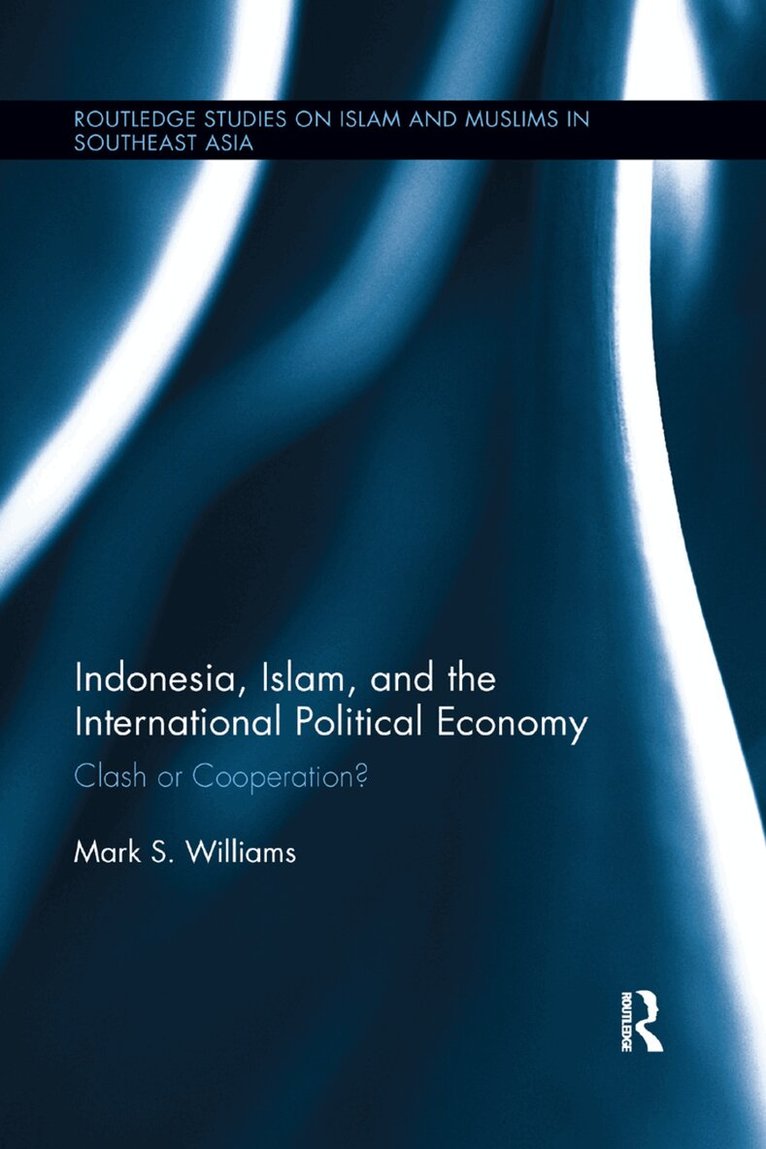
Indonesia, Islam, and the International Political Economy
Clash or Cooperation?
Häftad, Engelska, 2019
673 kr
Skickas inom 10-15 vardagar
The Republic of Indonesia is a rising great power in the Asia-Pacific, set to become the eighth largest economy in the world in the coming decades. It is the most populous Muslim majority country in the world. The largest Islamic organizations and parties have supported Indonesia’s participation with global markets, but this has not come from an ideological support for capitalism or economic liberalization. Islamic political culture has denounced the injustices caused by global capitalism and its excesses. In fact, support for Indonesia’s engagement with the international political economy is born from political pragmatism, and from Indonesia’s struggles to achieve economic development. This book examines the role of Islamic identity in Indonesia’s foreign economic relations and in its engagement with the world order. There is no single expression of Islam in Indonesia, the politics espoused by Islamic parties and organizations are far from monolithic. Islamic sentiment has been invoked by the state to justify heinous acts of brutality, as well as by violent, subnational revolutionary groups. However, these expressions of Islam have deviated from the dominant narrative, which is in favour of international cooperation and economic development. Economic exploitation, political alienation, financial volatility, and aggression toward Muslims around the world that has caused some Islamic groups to radicalize. The political culture of Islam in Indonesia is a social force that is helping to foster a peaceful rise for Indonesia. However, a peaceful expression of Islam is not inevitable for the republic, nor can it be assumed that Islamic identity in Indonesia will unwaveringly support the global economic order, regardless of what might occur in global politics.
673 kr
Skickas inom 10-15 vardagar
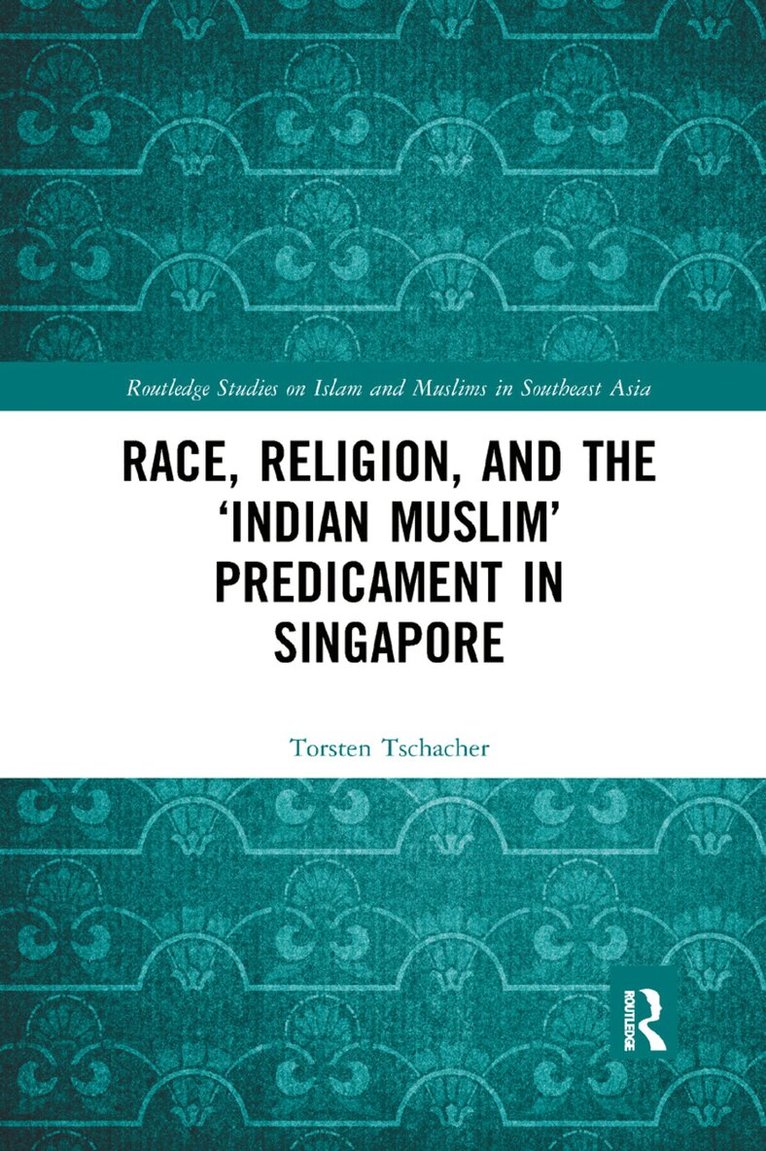
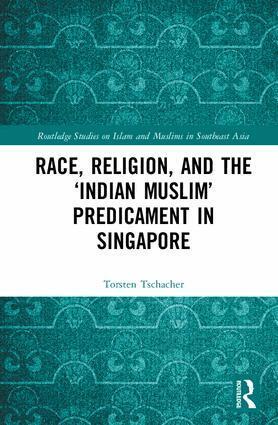
Indian Muslims form the largest ethnic minority within Singapore’s otherwise largely Malay Muslim community. Despite its size and historic importance, however, Singaporean Indian Muslims have received little attention by scholarship and have also felt side-lined by Singapore’s Malay-dominated Muslim institutions. Since the 1980s, demands for a better representation of Indian Muslims and access to religious services have intensified, while there has been a concomitant debate over who has the right to speak for Indian Muslims. This book traces the negotiations and contestations over Indian Muslim difference in Singapore and examines the conditions that have given rise to these debates. Despite considerable differences existing within the putative Indian Muslim community, the way this community is imagined is surprisingly uniform. Through discussions of the importance of ethnic difference for social and religious divisions among Singaporean Indian Muslims, the role of ‘culture’ and ‘race’ in debates about popular religion, the invocation of language and history in negotiations with the wider Malay-Muslim context, and the institutional setting in which contestations of Indian Muslim difference take place, this book argues that these debates emerge from the structural tensions resulting from the intersection of race and religion in the public organization of Islam in Singapore.
Indonesia, Islam, and the International Political Economy
Clash or Cooperation?
Inbunden, Engelska, 2017
2 113 kr
Skickas inom 10-15 vardagar
The Republic of Indonesia is a rising great power in the Asia-Pacific, set to become the eighth largest economy in the world in the coming decades. It is the most populous Muslim majority country in the world. The largest Islamic organizations and parties have supported Indonesia’s participation with global markets, but this has not come from an ideological support for capitalism or economic liberalization. Islamic political culture has denounced the injustices caused by global capitalism and its excesses. In fact, support for Indonesia’s engagement with the international political economy is born from political pragmatism, and from Indonesia’s struggles to achieve economic development. This book examines the role of Islamic identity in Indonesia’s foreign economic relations and in its engagement with the world order. There is no single expression of Islam in Indonesia, the politics espoused by Islamic parties and organizations are far from monolithic. Islamic sentiment has been invoked by the state to justify heinous acts of brutality, as well as by violent, subnational revolutionary groups. However, these expressions of Islam have deviated from the dominant narrative, which is in favour of international cooperation and economic development. Economic exploitation, political alienation, financial volatility, and aggression toward Muslims around the world that has caused some Islamic groups to radicalize. The political culture of Islam in Indonesia is a social force that is helping to foster a peaceful rise for Indonesia. However, a peaceful expression of Islam is not inevitable for the republic, nor can it be assumed that Islamic identity in Indonesia will unwaveringly support the global economic order, regardless of what might occur in global politics.
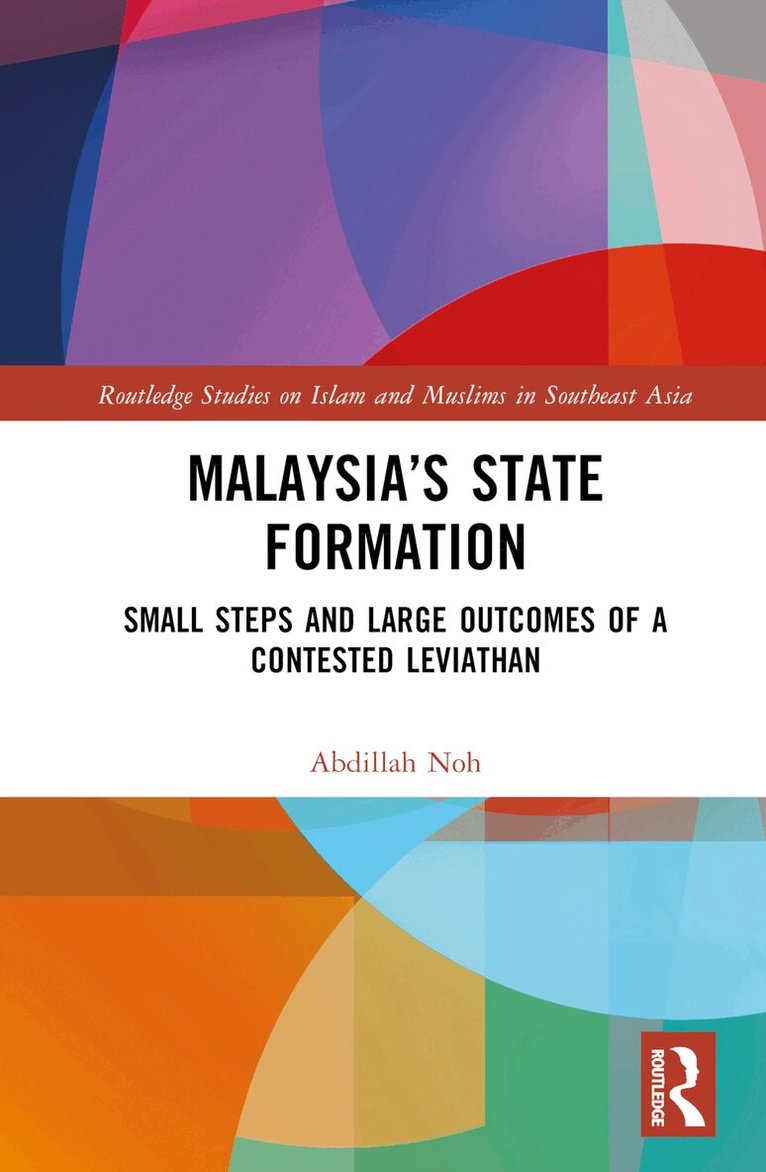
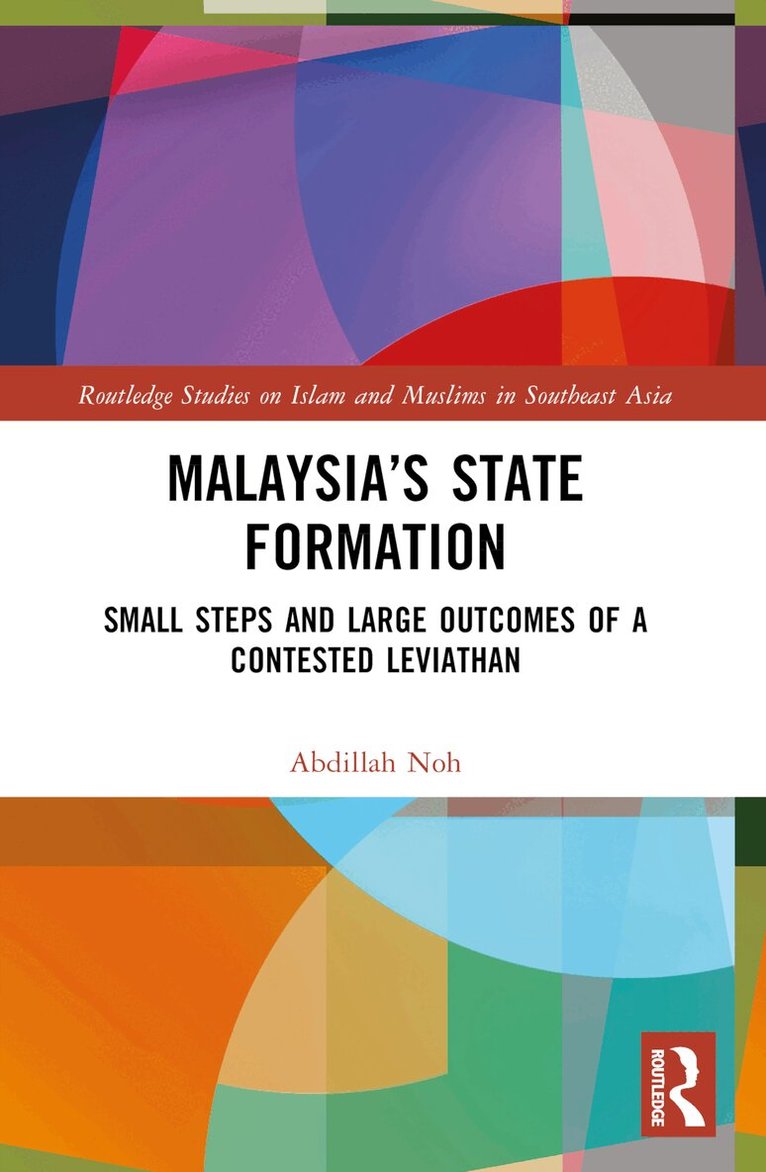
Malaysia’s State Formation
Small Steps and Large Outcomes of a Contested Leviathan
Inbunden, Engelska, 2024
2 176 kr
Skickas inom 10-15 vardagar
This book comes up with the Contested Leviathan Framework to describe the essence of Malaysia’s political economy. The framework is developed from tracing Malaysia’s political economy over approximately 157 years (1800–1957) and tested against the many issues confronting post-colonial Malaysia. Using concepts of timing, sequence, path dependence and increasing returns the book explains that Malaysia’s political economy is the result of deep institutional processes, not a contrived act that was hatched at the point of independence. The book explains that whilst British administration made short-term rational choices, it failed to take into consideration the path-dependent nature of policy choices and their long-term unintended consequences that preserved Malaysia’s terms of reference and produced autonomous communities with mutually exclusive political, economic and social institutions. These institutional qualities made it imperative for actors, at some point, to embark on some form of power-sharing arrangement. Applying the Contested Leviathan Framework the book explains that recent events – the first electoral turnover in 2018 and the formation of a unity government in 2022 – have done little to dismantle the character of Malaysia’s political economy; a state that still sees political, economic and social life along ethnic imperatives driven by mutually exclusive institutions and interests.A valuable read for scholars of Malaysian history and politics, as well as for scholars of postcolonial state formation and public policy more broadly.
Malaysia’s State Formation
Small Steps and Large Outcomes of a Contested Leviathan
Häftad, Engelska, 2025
651 kr
Skickas inom 10-15 vardagar
This book comes up with the Contested Leviathan Framework to describe the essence of Malaysia’s political economy. The framework is developed from tracing Malaysia’s political economy over approximately 157 years (1800–1957) and tested against the many issues confronting post-colonial Malaysia. Using concepts of timing, sequence, path dependence and increasing returns the book explains that Malaysia’s political economy is the result of deep institutional processes, not a contrived act that was hatched at the point of independence. The book explains that whilst British administration made short-term rational choices, it failed to take into consideration the path-dependent nature of policy choices and their long-term unintended consequences that preserved Malaysia’s terms of reference and produced autonomous communities with mutually exclusive political, economic and social institutions. These institutional qualities made it imperative for actors, at some point, to embark on some form of power-sharing arrangement. Applying the Contested Leviathan Framework the book explains that recent events – the first electoral turnover in 2018 and the formation of a unity government in 2022 – have done little to dismantle the character of Malaysia’s political economy; a state that still sees political, economic and social life along ethnic imperatives driven by mutually exclusive institutions and interests.A valuable read for scholars of Malaysian history and politics, as well as for scholars of postcolonial state formation and public policy more broadly.
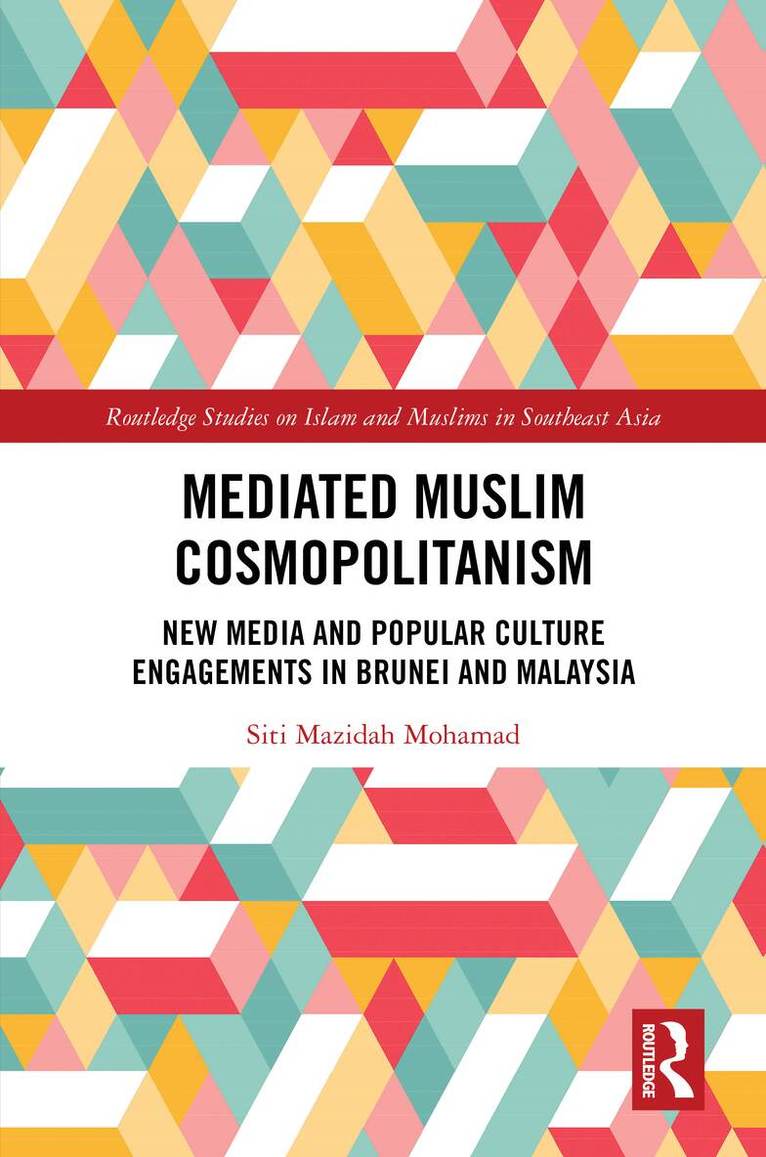
Mediated Muslim Cosmopolitanism
New Media and Popular Culture Engagements in Brunei and Malaysia
Inbunden, Engelska, 2024
2 036 kr
Skickas inom 10-15 vardagar
Mohamad examines the day-to-day experience of virtual and non-tangible mobilities of young Bruneian Malay Muslim and Malaysians, as enabled by popular culture and digital media. Cosmopolitanism has garnered interest from sociology, political studies, religious studies, geography, and education scholars. Despite this, there are three gaps in the study of Muslim cosmopolitanism. Firstly, young Muslims' cosmopolitanism in the digital age has not been intensively studied. Secondly, existing research overlooks Southeast Asia, especially Brunei Darussalam. Thirdly, the focus has not sufficiently engaged with popular culture and new media. This book addresses these gaps by exploring the everyday lives of Bruneian Malay Muslim and Malaysian youths, shaped by local, transcultural, and global practices. It expands the Muslim cosmopolitanism concept by examining the daily concerns, challenges, and practices these youths experience, offering new forms of mediated Muslim cosmopolitanism. Grounded in robust empirical data from two extensive research projects (2010-2024), this book employs diverse research approaches (ethnography and phenomenology) and methods (Qualitative Content Analysis and Interviews), ensuring reliable and in-depth findings.Scholars in geography, sociology, religious studies, and youth studies will find this book invaluable for its insights into cosmopolitanism, popular culture, new media, digital youth, and contemporary Southeast Asia.
Mediated Muslim Cosmopolitanism
New Media and Popular Culture Engagements in Brunei and Malaysia
Häftad, Engelska, 2026
695 kr
Kommande
Mohamad examines the day-to-day experience of virtual and non-tangible mobilities of young Bruneian Malay Muslim and Malaysians, as enabled by popular culture and digital media. Cosmopolitanism has garnered interest from sociology, political studies, religious studies, geography, and education scholars. Despite this, there are three gaps in the study of Muslim cosmopolitanism. Firstly, young Muslims' cosmopolitanism in the digital age has not been intensively studied. Secondly, existing research overlooks Southeast Asia, especially Brunei Darussalam. Thirdly, the focus has not sufficiently engaged with popular culture and new media. This book addresses these gaps by exploring the everyday lives of Bruneian Malay Muslim and Malaysian youths, shaped by local, transcultural, and global practices. It expands the Muslim cosmopolitanism concept by examining the daily concerns, challenges, and practices these youths experience, offering new forms of mediated Muslim cosmopolitanism. Grounded in robust empirical data from two extensive research projects (2010-2024), this book employs diverse research approaches (ethnography and phenomenology) and methods (Qualitative Content Analysis and Interviews), ensuring reliable and in-depth findings.Scholars in geography, sociology, religious studies, and youth studies will find this book invaluable for its insights into cosmopolitanism, popular culture, new media, digital youth, and contemporary Southeast Asia.
2 176 kr
Skickas inom 10-15 vardagar
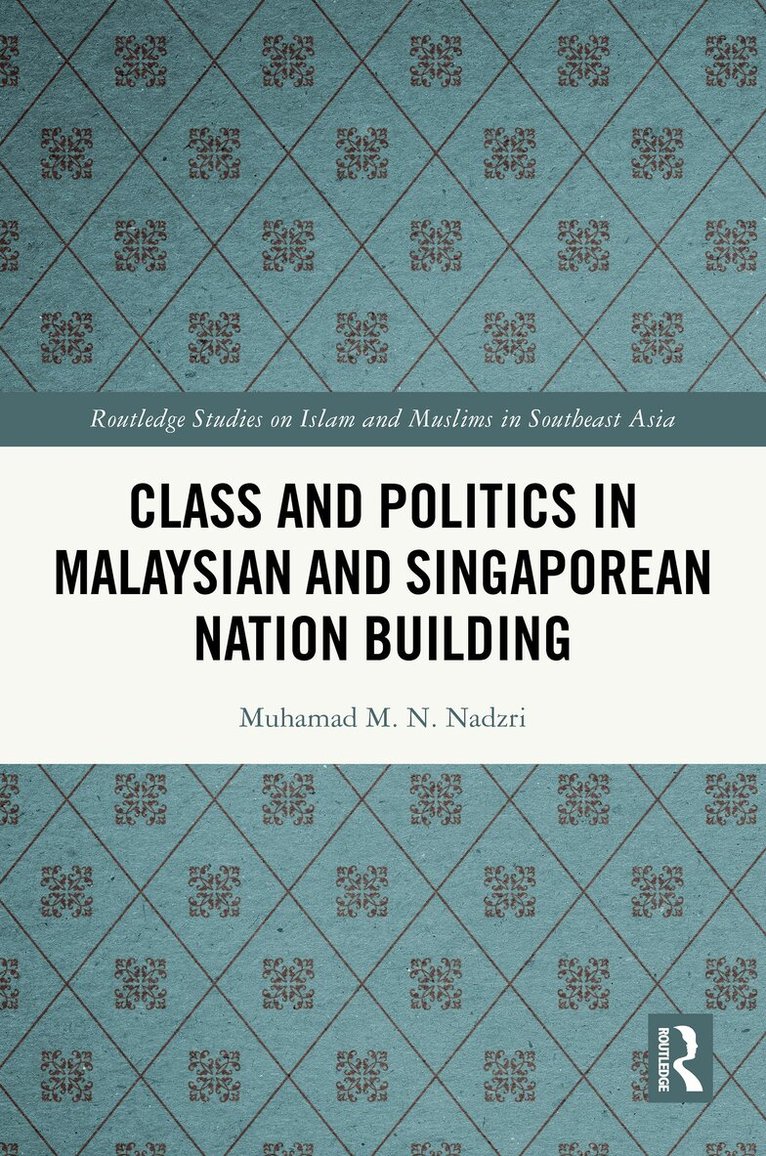
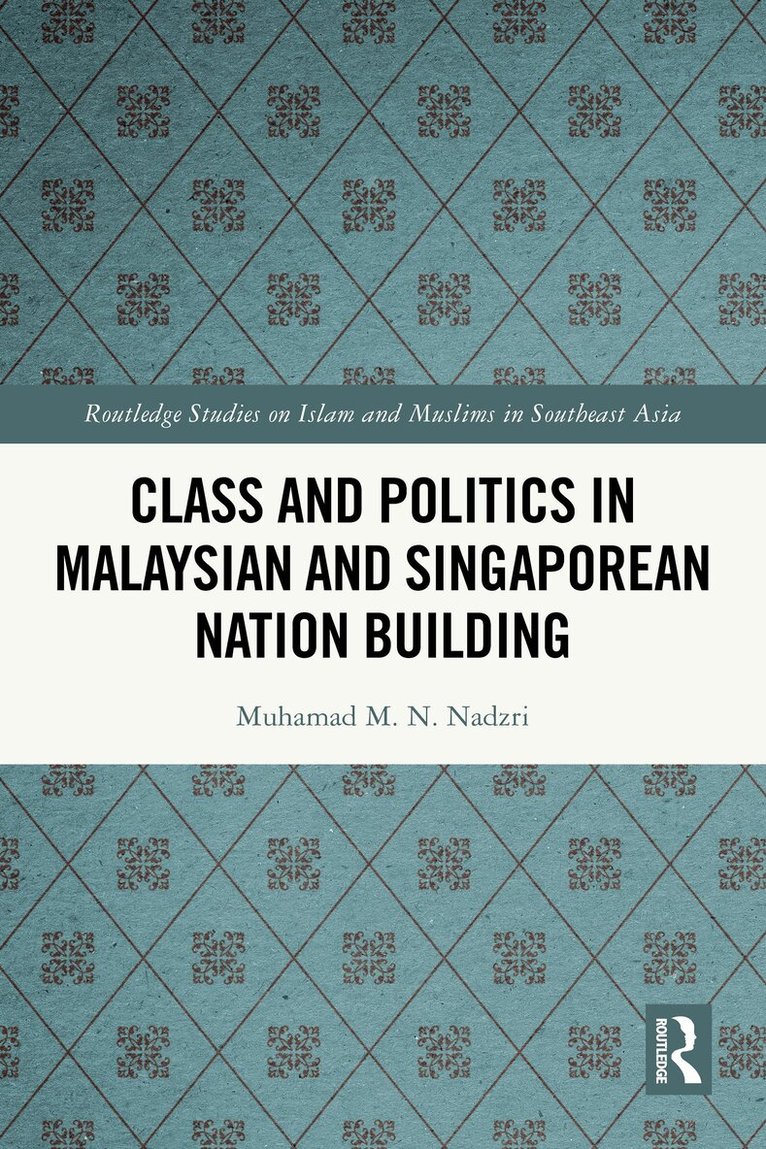
Nadzri explores a range of factors that have influenced nation building in Malaysia and Singapore, with principal emphasis on the importance of social and economic class.In contrast to previous studies on nation building, which overwhelming rely on the explanatory power of culture, race and ethnic community, the book foregrounds the importance of social and economic status. The three main themes explored in this book are: how the nation building projected in each country is driven by the class interests of its ruling elites; how elections have impacted the politics of nation building; and how each country’s nation-building policies are designed to build political loyalty and support for the ruling elites. The comparability of analytical outcomes using the prism of class interests uncovers the limitations of the explanatory power of race, ethnic community and culture in understanding the social and political dynamics of the two countries.A valuable read for scholars and students of politics in Malaysia and Singapore, that will also be of interest to scholars of comparative approaches to nation building.
2 588 kr
Skickas inom 10-15 vardagar
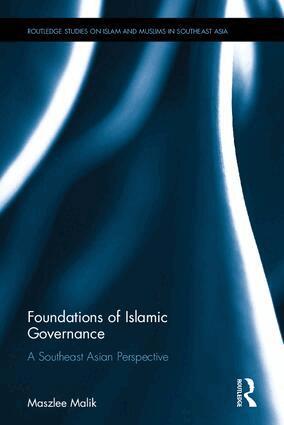
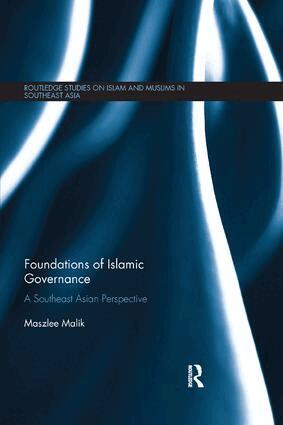
The aim of this book is to explore and analyze the Islamic axioms, foundation principles and values underpinning the field of governance in an attempt to construct the architectonics of a new systemic and dynamic theory and formulate the articulation of ‘Islamic governance’. This discursive and abstract, rather than being an empirical exercise, assumes to produce a ‘good governance’ framework within its own formulation through a value-shaped dynamic model according to maqasid al-Shari’ah (higher objective of Shari’ah) by going beyond the narrow remit of classical and contemporary discussions produced on the topic, which propose a certain institutional model of governance based on the classical juristic (fiqh) method. Through an exclusive analytical discursive approach in this book, readers will find that Islam as one of the major religions in the contemporary world with the claim of promising the underpinning principles and philosophical foundations of worldly affairs and institutions through a micro method of producing homoIslamicus could contribute towards development of societies by establishing a unique model of governance from its explicit ontological worldview through a directed descriptive epistemology.
2 113 kr
Skickas inom 10-15 vardagar
Indian Muslims form the largest ethnic minority within Singapore’s otherwise largely Malay Muslim community. Despite its size and historic importance, however, Singaporean Indian Muslims have received little attention by scholarship and have also felt side-lined by Singapore’s Malay-dominated Muslim institutions. Since the 1980s, demands for a better representation of Indian Muslims and access to religious services have intensified, while there has been a concomitant debate over who has the right to speak for Indian Muslims. This book traces the negotiations and contestations over Indian Muslim difference in Singapore and examines the conditions that have given rise to these debates. Despite considerable differences existing within the putative Indian Muslim community, the way this community is imagined is surprisingly uniform. Through discussions of the importance of ethnic difference for social and religious divisions among Singaporean Indian Muslims, the role of ‘culture’ and ‘race’ in debates about popular religion, the invocation of language and history in negotiations with the wider Malay-Muslim context, and the institutional setting in which contestations of Indian Muslim difference take place, this book argues that these debates emerge from the structural tensions resulting from the intersection of race and religion in the public organization of Islam in Singapore.
700 kr
Skickas inom 10-15 vardagar
The aim of this book is to explore and analyze the Islamic axioms, foundation principles and values underpinning the field of governance in an attempt to construct the architectonics of a new systemic and dynamic theory and formulate the articulation of ‘Islamic governance’. This discursive and abstract, rather than being an empirical exercise, assumes to produce a ‘good governance’ framework within its own formulation through a value-shaped dynamic model according to maqasid al-Shari’ah (higher objective of Shari’ah) by going beyond the narrow remit of classical and contemporary discussions produced on the topic, which propose a certain institutional model of governance based on the classical juristic (fiqh) method. Through an exclusive analytical discursive approach in this book, readers will find that Islam as one of the major religions in the contemporary world with the claim of promising the underpinning principles and philosophical foundations of worldly affairs and institutions through a micro method of producing homoIslamicus could contribute towards development of societies by establishing a unique model of governance from its explicit ontological worldview through a directed descriptive epistemology.