Rule of Law in Context – serie
Visar alla böcker i serien Rule of Law in Context. Handla med fri frakt och snabb leverans.
12 produkter
12 produkter
1 174 kr
Skickas inom 10-15 vardagar
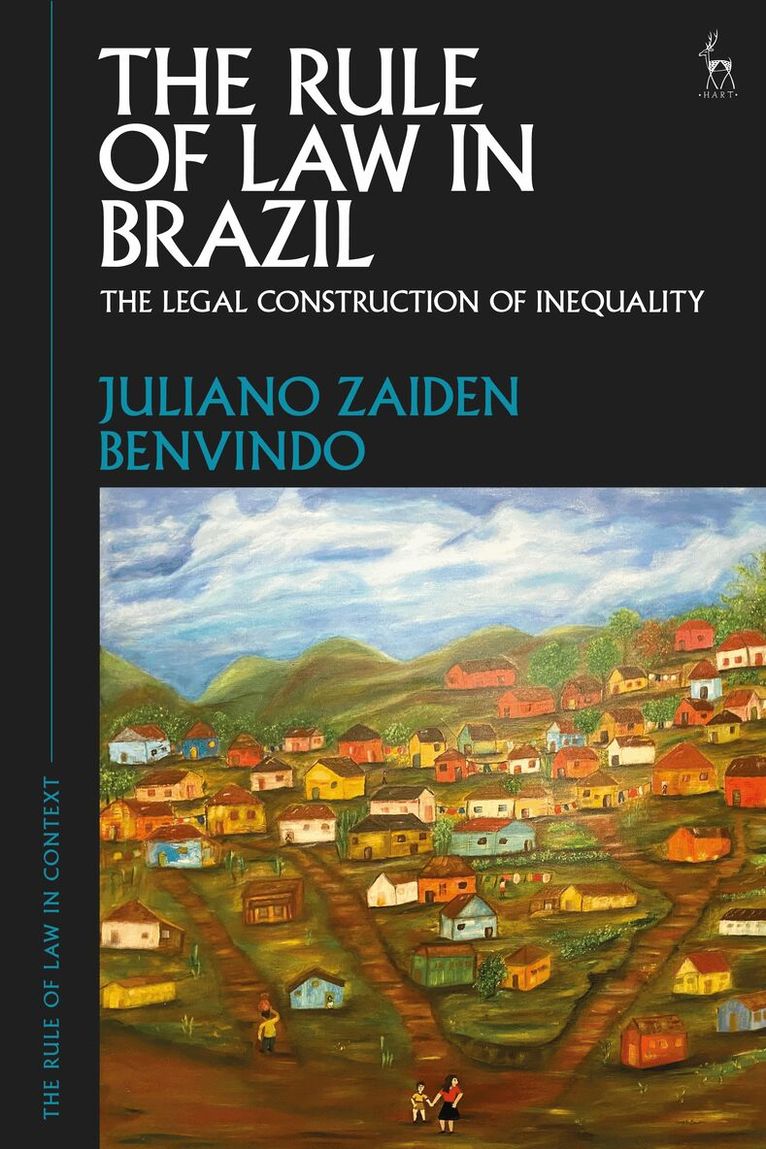
This book provides a broad perspective of the functioning, evolution, and dynamics of the rule of law in Brazil. It stresses not only how the rule of law has developed in the legal system, but also how the political institutions and extra-legal organisations have transformed its foundations. The rule of law is not a simple concept when it comes to defining the political, economic, and legal developments of a country like Brazil. Similar to many other Latin American countries, Brazil is a young democracy struggling with its longstanding extractive institutions and entrenched interests. It features, however, one of Latin America’s richest constitutional moments, when civil society actively participated in drafting the most democratic constitution in the country’s history. Brazil has since strengthened its institutions and the rule of law, but the road toward consolidating them has been challenged by inequality and the legacies of that authoritarian past. The book explores how Brazilian democracy has dealt with the high levels of social inequality and the authoritarian mindset that still play a big role in its fate, and asks whether the country’s democratic achievements and institutional framework are sufficiently strong to enforce the rule of law as an imperative for Brazil’s development, especially in times when the country is most in need of them.
1 174 kr
Skickas inom 10-15 vardagar
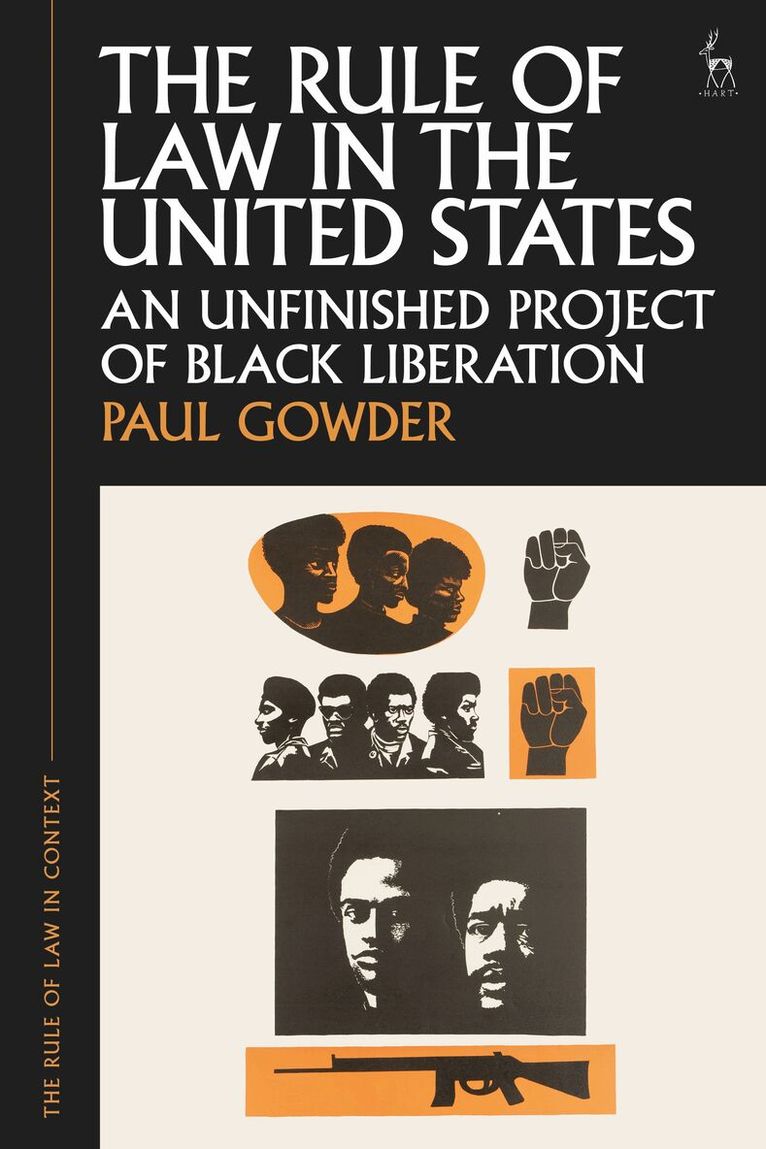
What is the American rule of law? Is it a paradigm case of the strong constitutionalism concept of the rule of law or has it fallen short of its rule of law ambitions?This open access book traces the promise and paradox of the American rule of law in three interwoven ways.It focuses on explicating the ideals of the American rule of law by asking: how do we interpret its history and the goals of its constitutional framers to see the rule of law ambitions its foundational institutions express?It considers those constitutional institutions as inextricable from the problem of race in the United States and the tensions between the rule of law as a protector of property rights and the rule of law as a restrictor on arbitrary power and a guarantor of legal equality. In that context, it explores the distinctive role of Black liberation movements in developing the American rule of law.Finally, it considers the extent to which the American rule of law is compromised at its frontiers, and the extent that those compromises undermine legal protections Americans enjoy in the interior. It asks how America reflects the legal contradictions of capitalism and empire outside its borders, and the impact of those contradictions on its external goals.The eBook editions of this book are available open access under a CC BY-NC-ND 4.0 licence on www.bloomsburycollections.com. Open access was funded by Northwestern University Pritzker School of Law and the Northwestern Open Access Fund, provided by Northwestern University Libraries.
1 294 kr
Kommande
What has replaced liberal conceptions of the rule of law in China’s emerging legal-political order?How are liberal rule of law ideas and practices based on domestic and international law enduring among officials, legal practitioners, civil society advocates and other citizens whose lives are touched by the ‘political-legal system’?What are the implications of the changes as a result of the answers to these two questions, not only for domestic, but also for global and transnational rule of law?This book provides the reader with answers to these questions and in doing provides a fresh perspective on the internal dynamics of the struggle for the rule of law as it plays out domestically in China and the future of the Chinese legal-political system. Giving China’s rising influence in the world, it will inform the global debate about the role of law in other countries, and will help us assess the chances of survival of the institutions currently supporting the rule of law at the international level.
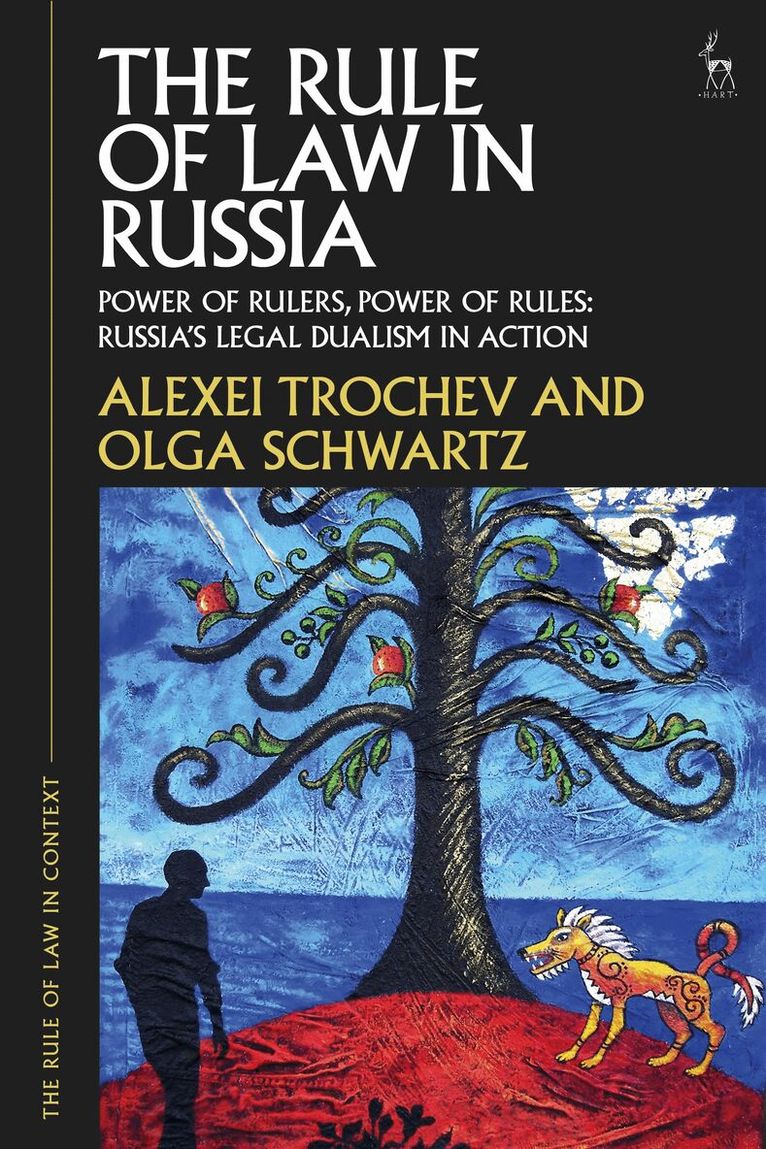
Rule of Law in Russia
Power of Rulers, Power of Rules: Russia’s Legal Dualism in Action
Inbunden, Engelska, 2027
1 066 kr
Kommande
How and why do the rule of law ideas shape the origins and functioning of the Russian state and society? This book explores how, over two centuries, the Russian meaning of the rule of law has been reflected in the legal doctrine, legislation, formal and informal practices of legal and political institutions, and also everyday life and the perceptions of Russian citizens at large and certain minority groups. The authors argue that legal dualism – the tension between constitutionalism and political expediency – explains the rise and fall of multiple ways in which the parts of the Russian state interact with each other and with citizens, and in which citizens and businesses interact among themselves both at home and abroad. Explaining the peaceful co-existence of these multiple ways of law, this book goes beyond the mainstream accounts of instrumental uses of law and lawlessness in Russia and offers novel ways of understanding the myriad ways in which law may matter in authoritarian regimes.
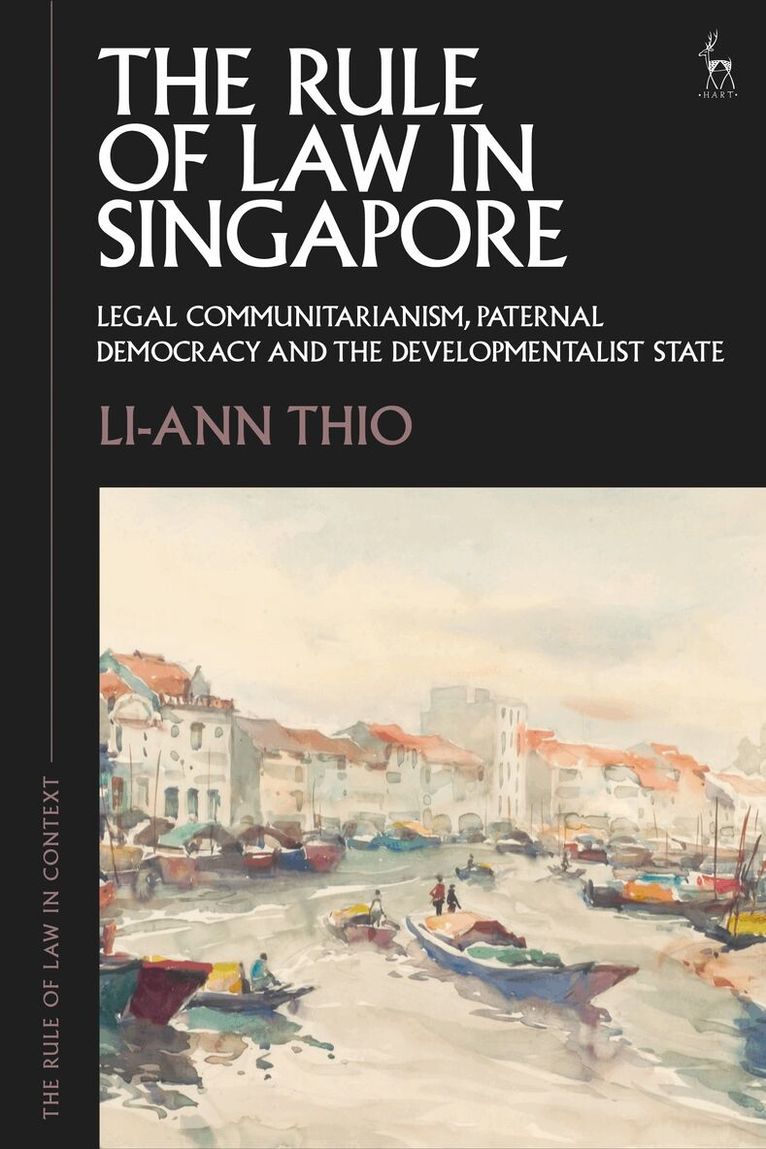
Rule of Law in Singapore
Legal Communitarianism, Paternal Democracy and the Developmentalist State
Inbunden, Engelska, 2025
1 113 kr
Skickas inom 10-15 vardagar
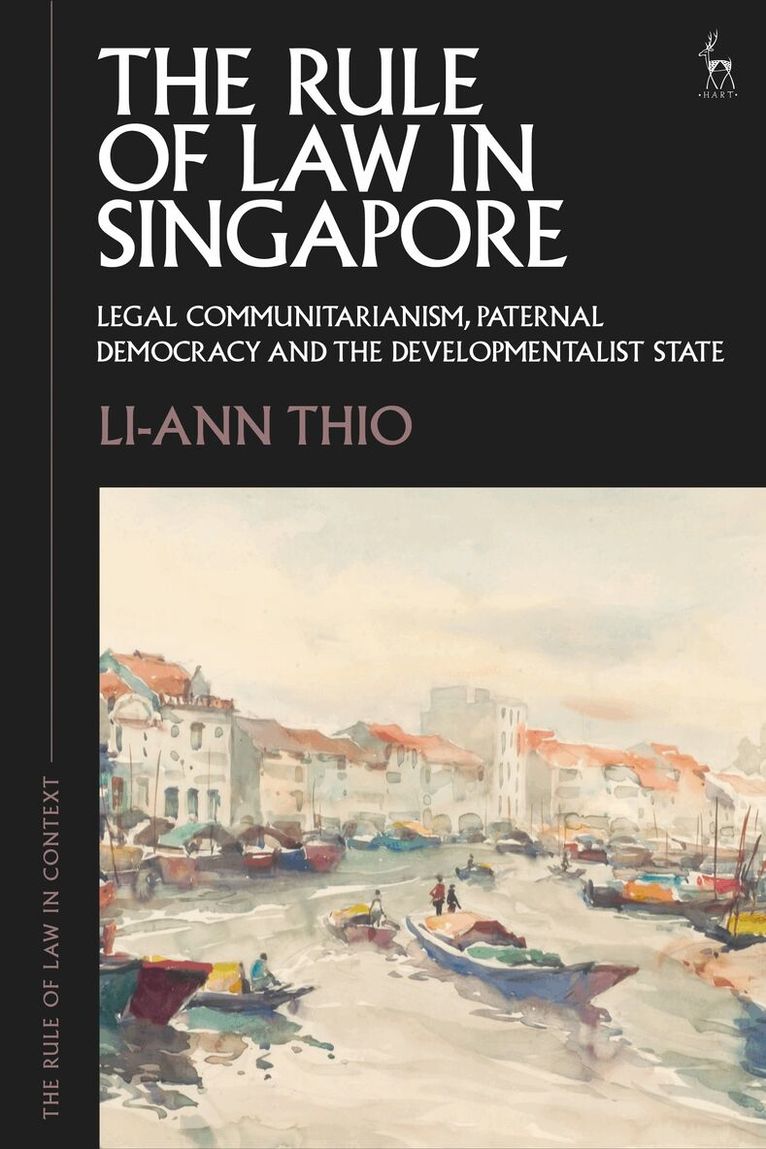
This book examines the operation of the rule of law in the non-liberal democracy of Singapore.The rule of law in Singapore has been both lauded for anchoring efficient and effective government and lambasted for being procedural and statist. 21st-century Singapore has experienced modest political liberalisation, manifesting a paternal democracy where the governor-governed relationship is evolving, from a ‘father knows best’ paternalistic mindset to a more consultative approach to governance, where dialogue rather than diktat is the norm in a post-deferential era. The Singapore case study helps pluralise the rule of law as a universal principle which moderates power, and may be variously implemented. The book examines the reception of the rule of law within the Singapore legal order, and how it interacts with constitutional principles like the separation of powers and democracy in the design of constitutional institutions and forging of structural and rights-oriented judicial review. It considers how the rule of law, contoured by legal communitarianism, sustains a managed democracy in relation to legislation governing internal security, public assemblies, religious harmony and online falsehoods. It questions whether the chilling of political speech by strict laws on political defamation and contempt of court has been significantly defrosted by important developments which seek ordered liberty through a more calibrated form of review.Lucid and engaging, this book will be of interest to researchers working in constitutional law.
Rule of Law in Singapore
Legal Communitarianism, Paternal Democracy and the Developmentalist State
Häftad, Engelska, 2026
688 kr
Kommande
This book examines the operation of the rule of law in the non-liberal democracy of Singapore.The rule of law in Singapore has been both lauded for anchoring efficient and effective government and lambasted for being procedural and statist. 21st-century Singapore has experienced modest political liberalisation, manifesting a paternal democracy where the governor-governed relationship is evolving, from a ‘father knows best’ paternalistic mindset to a more consultative approach to governance, where dialogue rather than diktat is the norm in a post-deferential era. The Singapore case study helps pluralise the rule of law as a universal principle which moderates power, and may be variously implemented. The book examines the reception of the rule of law within the Singapore legal order, and how it interacts with constitutional principles like the separation of powers and democracy in the design of constitutional institutions and forging of structural and rights-oriented judicial review. It considers how the rule of law, contoured by legal communitarianism, sustains a managed democracy in relation to legislation governing internal security, public assemblies, religious harmony and online falsehoods. It questions whether the chilling of political speech by strict laws on political defamation and contempt of court has been significantly defrosted by important developments which seek ordered liberty through a more calibrated form of review.Lucid and engaging, this book will be of interest to researchers working in constitutional law.
547 kr
Skickas inom 10-15 vardagar
What is the American rule of law? Is it a paradigm case of the strong constitutionalism concept of the rule of law or has it fallen short of its rule of law ambitions?This open access book traces the promise and paradox of the American rule of law in three interwoven ways.It focuses on explicating the ideals of the American rule of law by asking: how do we interpret its history and the goals of its constitutional framers to see the rule of law ambitions its foundational institutions express?It considers those constitutional institutions as inextricable from the problem of race in the United States and the tensions between the rule of law as a protector of property rights and the rule of law as a restrictor on arbitrary power and a guarantor of legal equality. In that context, it explores the distinctive role of Black liberation movements in developing the American rule of law.Finally, it considers the extent to which the American rule of law is compromised at its frontiers, and the extent that those compromises undermine legal protections Americans enjoy in the interior. It asks how America reflects the legal contradictions of capitalism and empire outside its borders, and the impact of those contradictions on its external goals.The eBook editions of this book are available open access under a CC BY-NC-ND 4.0 licence on www.bloomsburycollections.com. Open access was funded by Northwestern University Pritzker School of Law and the Northwestern Open Access Fund, provided by Northwestern University Libraries.
1 294 kr
Kommande
This book explores the contentious history of the rule of law in the geographic and socio-political space that becomes South Africa. This is a history of contestation over the idea and use of indigenous, colonial, and constitutional law by official institutions. It explores the multitude of social movements, political organisations, and communities that have turned to the law to defend against abuses of power or to challenge authority and assert claims. These claims have been based on both official and unofficial law and have been asserted in the name of tradition, common law, human rights, and/or international law.As reflected in the practice and academic analysis of law in South Africa in the past and present, the contested conceptions of the rule of law and its relationship to the legacies of colonial apartheid are central to the continuing political and social conflict in post-apartheid South Africa. The book addresses the rule of law under colonialism and apartheid during the democratic transition and under South Africa’s existing constitutional order. It also considers extra-legal influences on the rule of law, such as the political economy of the country, and delves into the lived experience of the rule of law in a society where legal pluralism shapes the lives of large portions of the population.
547 kr
Skickas inom 10-15 vardagar
This book provides a broad perspective of the functioning, evolution, and dynamics of the rule of law in Brazil. It stresses not only how the rule of law has developed in the legal system, but also how the political institutions and extra-legal organisations have transformed its foundations. The rule of law is not a simple concept when it comes to defining the political, economic, and legal developments of a country like Brazil. Similar to many other Latin American countries, Brazil is a young democracy struggling with its longstanding extractive institutions and entrenched interests. It features, however, one of Latin America’s richest constitutional moments, when civil society actively participated in drafting the most democratic constitution in the country’s history. Brazil has since strengthened its institutions and the rule of law, but the road toward consolidating them has been challenged by inequality and the legacies of that authoritarian past. The book explores how Brazilian democracy has dealt with the high levels of social inequality and the authoritarian mindset that still play a big role in its fate, and asks whether the country’s democratic achievements and institutional framework are sufficiently strong to enforce the rule of law as an imperative for Brazil’s development, especially in times when the country is most in need of them.
1 051 kr
Skickas inom 10-15 vardagar
The rule of law, or Rechtsstaatsprinzip, is one of Germany’s oldest constitutional principles and forms part of Germany’s constitutional self-understanding. This book critically examines to what extent this key constitutional principle has translated into a reality for all.The book provides a comprehensive insight into rule of law experiences and discourses in Germany. It explores Germany’s long rule of law tradition and highlights where the German state has fallen short of its rule of law promise, using historical and contemporary examples. It also shows that Germany’s rule of law experience is tightly interwoven with European and international rule of law debates. By integrating historical, socio-legal and doctrinal perspectives, the book provides a nuanced account of a foundational principle in German constitutional thought.Dedicated chapters explore the history and doctrine of the rule of law, challenges to the rule of law in today’s Germany, the rule of law experience in the former German Democratic Republic and in the context of reunification, the relationship of the German rule of law practice with the rule of law on the European and international level, and the rule of law in times of crisis. This includes challenges to the rule of law through anti-terrorism measures, as well as the more recent COVID-19 pandemic and the so-called migration crisis, but also how the rule of law has been discursively (mis-)used in those situations. In concluding, the book highlights digitalisation as a challenge to the future of the rule of law in Germany.
658 kr
Kommande
The rule of law, or Rechtsstaatsprinzip, is one of Germany’s oldest constitutional principles and forms part of Germany’s constitutional self-understanding. This book critically examines to what extent this key constitutional principle has translated into a reality for all.The book provides a comprehensive insight into rule of law experiences and discourses in Germany. It explores Germany’s long rule of law tradition and highlights where the German state has fallen short of its rule of law promise, using historical and contemporary examples. It also shows that Germany’s rule of law experience is tightly interwoven with European and international rule of law debates. By integrating historical, socio-legal and doctrinal perspectives, the book provides a nuanced account of a foundational principle in German constitutional thought.Dedicated chapters explore the history and doctrine of the rule of law, challenges to the rule of law in today’s Germany, the rule of law experience in the former German Democratic Republic and in the context of reunification, the relationship of the German rule of law practice with the rule of law on the European and international level, and the rule of law in times of crisis. This includes challenges to the rule of law through anti-terrorism measures, as well as the more recent COVID-19 pandemic and the so-called migration crisis, but also how the rule of law has been discursively (mis-)used in those situations. In concluding, the book highlights digitalisation as a challenge to the future of the rule of law in Germany.
1 799 kr
Kommande
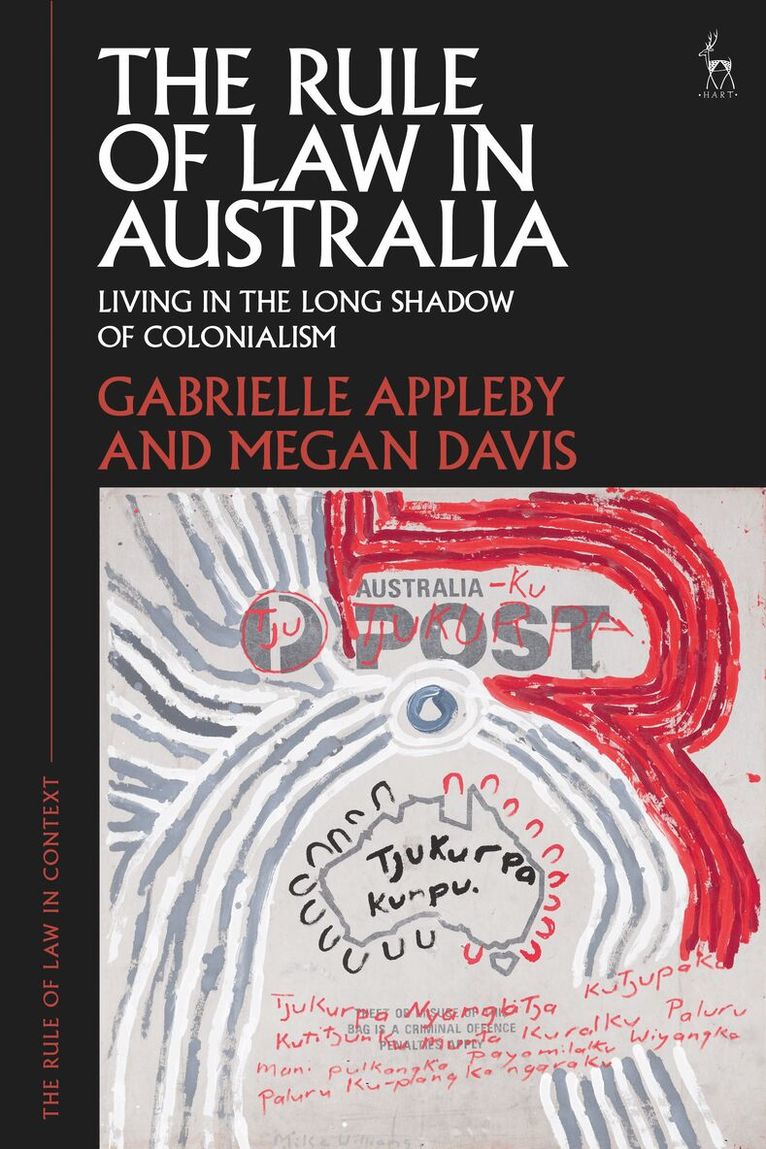
This book investigates core legal-political cultural myths of the Australian nation by canvassing, challenging and recasting some of the well-understood debates around, and invocations of, ‘the rule of law’ in Australia. It foregrounds one of the most enduring and prominent manifestations of these debates: claims to state sovereignty and rule of law in a system that has an incoherent legal foundation in its intentional ignorance of, and arbitrary violence perpetrated against, First Nations, their people, their sovereignty and their law. It examines the claims and celebrations of colonial rule of law achievements; constitutional rule of law protections; and the rule of law as tool to delineate and circumscribe the role of judges in the State. It presents a survey of the constitutional and legal principles and institutions and explores the socio-political aspects of rule of law in the country and how rule of law is experienced. With a focus on the legacy of the treatment of First Nations people, the book looks at how the Australia’s rule of law institutions and machinery continue to exclude and fail vulnerable, marginalised and publicly reviled groups. Exploring these arguments through historical and contemporary case studies, including native title negotiations, anti-terrorism regimes, the government’s response to the COVID-19 pandemic, the push for constitutional enshrinement of a First Nations Voice, and the Royal Commission into the government’s ‘Robodebt’ inquiry, this book shows the inescapable messiness of rule of law in Australia as a legal and political concept, instrumentalised and weaponised across its history.