Rural Studies Series – serie
Visar alla böcker i serien Rural Studies Series. Handla med fri frakt och snabb leverans.
8 produkter
8 produkter
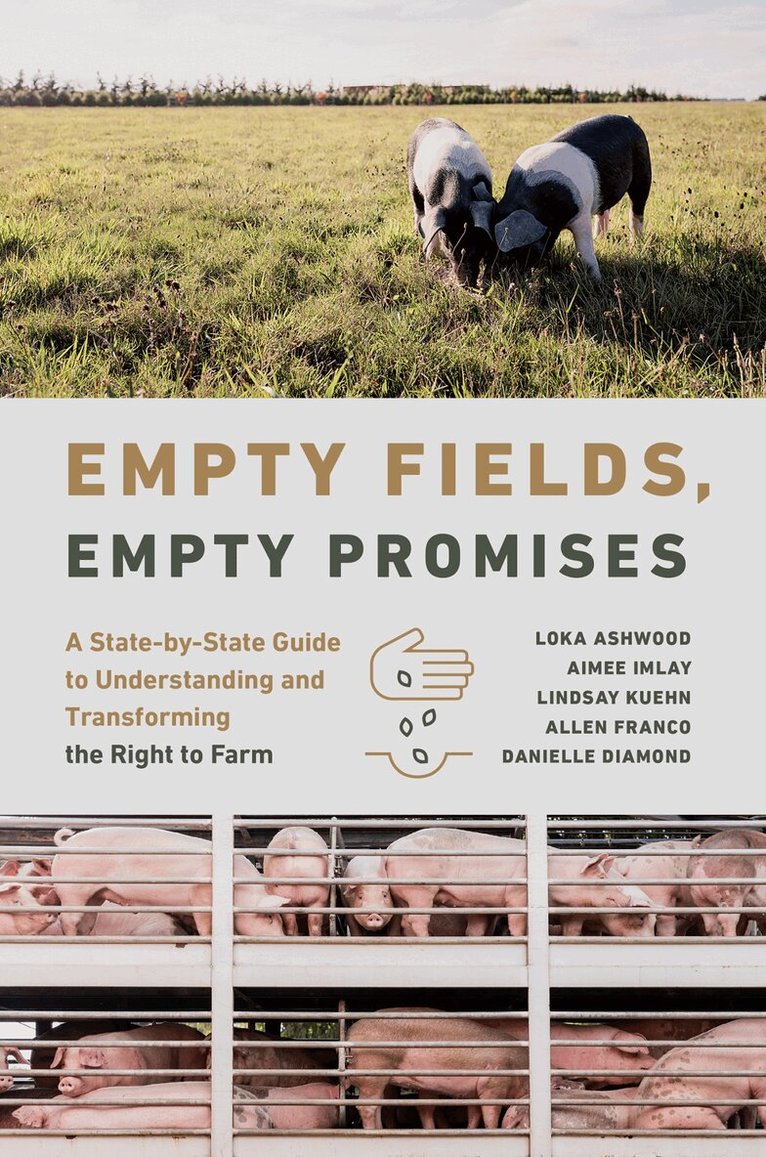
Empty Fields, Empty Promises
A State-by-State Guide to Understanding and Transforming the Right to Farm
Inbunden, Engelska, 2023
1 063 kr
Skickas inom 10-15 vardagar
The right to farm is essential to everyone's survival. Since the late 1970s, states across the nation have adopted so-called right-to-farm laws to limit nuisance suits loosely related to agriculture. But since their adoption, there has yet to be a comprehensive analysis of what these laws do and who they benefit. This book offers the first national analysis and guide to these laws. It reveals that they generally benefit the largest operators, like processing plants, while traditional farmers benefit the least. Disfavored most of all are those seeking to defend their homes and environment against multinational corporations that use right-to-farm laws to strip neighboring owners of their property rights. Through what the book calls the "midburden," right-to-farm laws dispossess the many in favor of the few, paving the path to rural poverty. Empty Fields, Empty Promises summarizes every state's right-to-farm laws to help readers track and navigate their local and regional legal landscape. The book concludes by offering paths forward for a more distributed and democratic agrifood system that achieves agricultural, rural, and environmental justice.
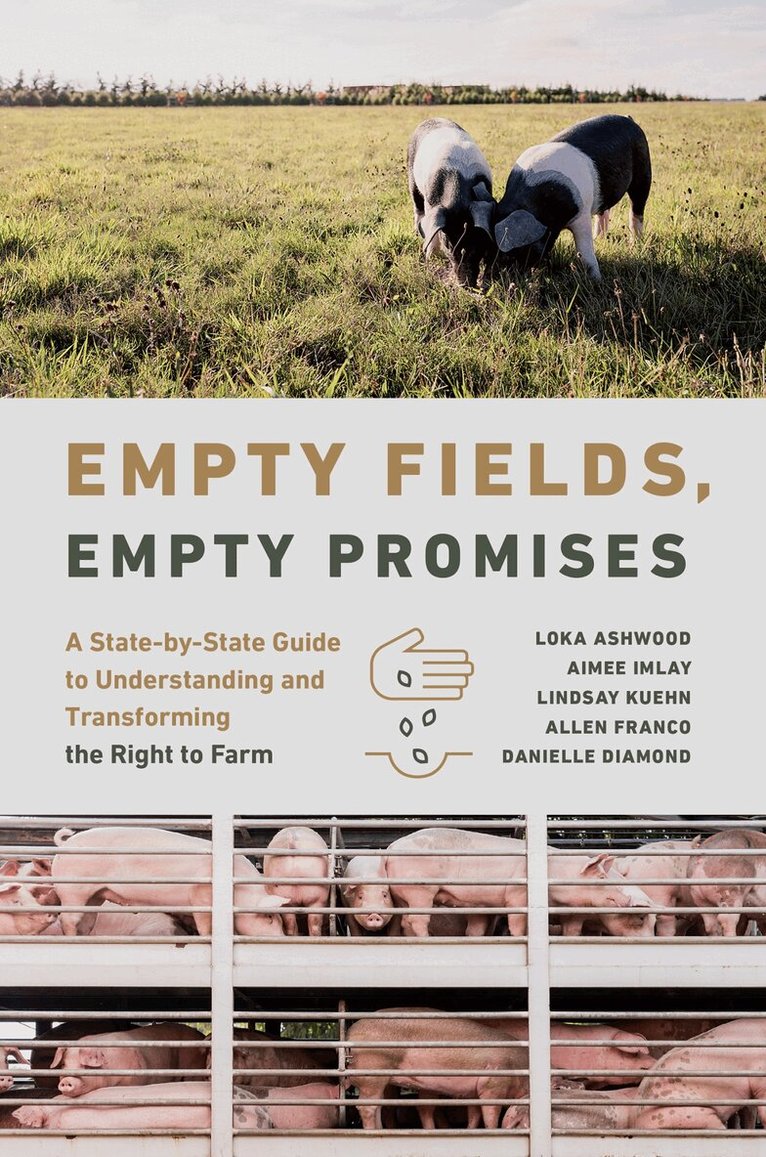
Empty Fields, Empty Promises
A State-by-State Guide to Understanding and Transforming the Right to Farm
Häftad, Engelska, 2023
257 kr
Skickas inom 7-10 vardagar
The right to farm is essential to everyone's survival. Since the late 1970s, states across the nation have adopted so-called right-to-farm laws to limit nuisance suits loosely related to agriculture. But since their adoption, there has yet to be a comprehensive analysis of what these laws do and who they benefit. This book offers the first national analysis and guide to these laws. It reveals that they generally benefit the largest operators, like processing plants, while traditional farmers benefit the least. Disfavored most of all are those seeking to defend their homes and environment against multinational corporations that use right-to-farm laws to strip neighboring owners of their property rights. Through what the book calls the "midburden," right-to-farm laws dispossess the many in favor of the few, paving the path to rural poverty. Empty Fields, Empty Promises summarizes every state's right-to-farm laws to help readers track and navigate their local and regional legal landscape. The book concludes by offering paths forward for a more distributed and democratic agrifood system that achieves agricultural, rural, and environmental justice.
1 063 kr
Skickas inom 10-15 vardagar
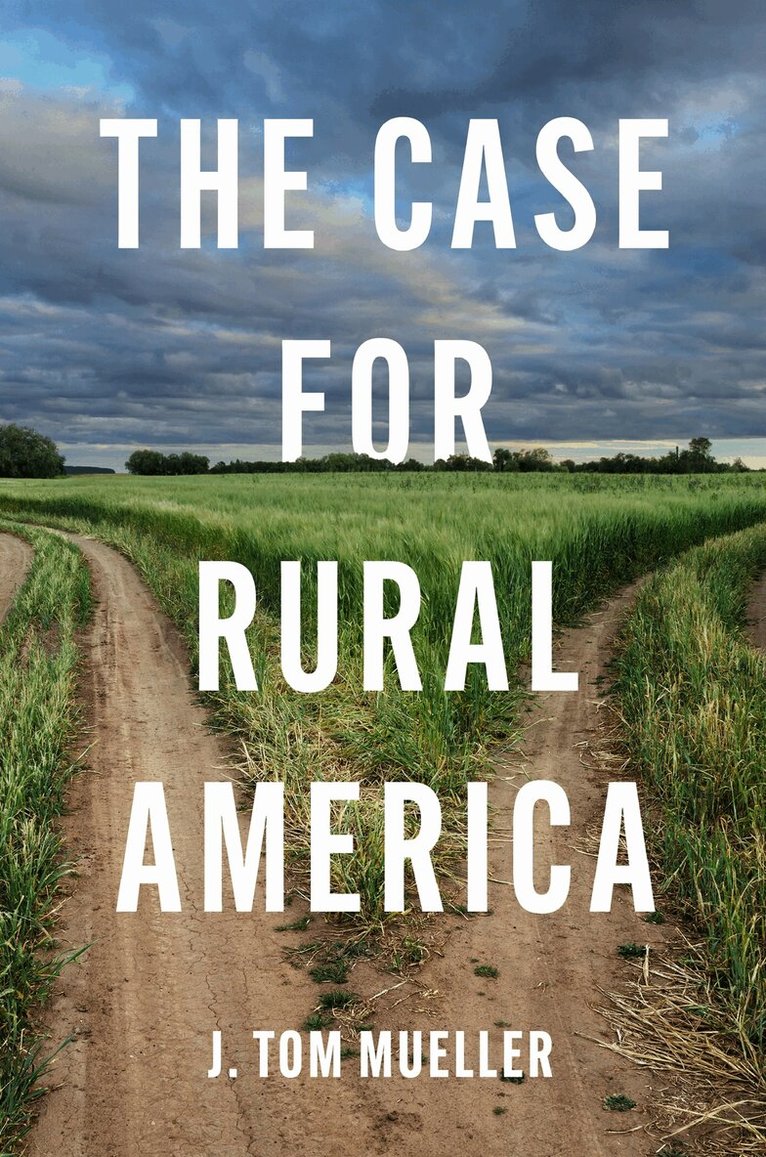
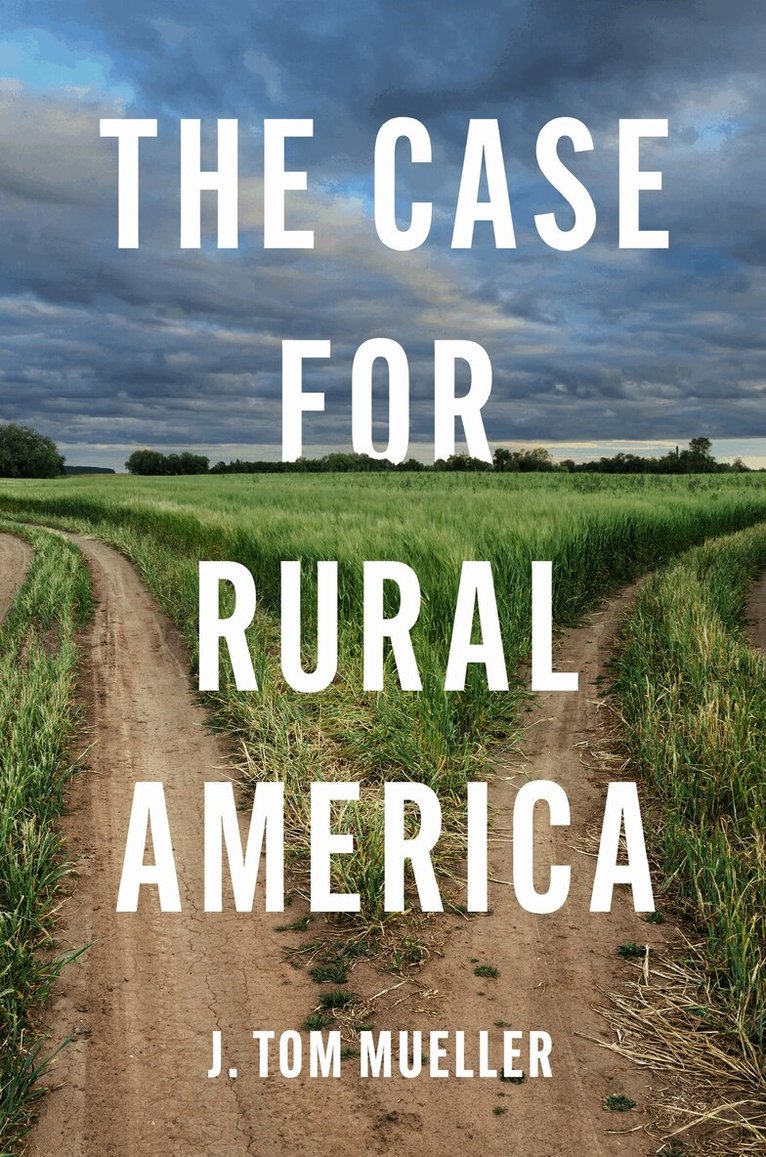
Rural America is at a crossroads: either it will manage to sustain itself long-term, or—as current trends suggest—it will continue to disappear through depopulation and urbanization. There have been calls for economic redevelopment, but even with these proposals, J. Tom Mueller argues that policymakers, politicians, and academics rarely make a clear case for why rural America matters and is worth saving in the first place. In this provocative book, Mueller meets these issues head-on by presenting a critique of conventional economic development efforts while also articulating why rural America is worthy of preservation.The Case for Rural America outlines the actions necessary to save our rural places and the people who live there. By suggesting approaches that would benefit urban populations as well as rural—such as establishing a universal basic income and implementing single-payer healthcare—Mueller offers a nuanced understanding of the complex needs of rural America while providing solutions that would benefit us all.
288 kr
Skickas inom 10-15 vardagar
Rural America is at a crossroads: either it will manage to sustain itself long-term, or—as current trends suggest—it will continue to disappear through depopulation and urbanization. There have been calls for economic redevelopment, but even with these proposals, J. Tom Mueller argues that policymakers, politicians, and academics rarely make a clear case for why rural America matters and is worth saving in the first place. In this provocative book, Mueller meets these issues head-on by presenting a critique of conventional economic development efforts while also articulating why rural America is worthy of preservation.The Case for Rural America outlines the actions necessary to save our rural places and the people who live there. By suggesting approaches that would benefit urban populations as well as rural—such as establishing a universal basic income and implementing single-payer healthcare—Mueller offers a nuanced understanding of the complex needs of rural America while providing solutions that would benefit us all.
1 078 kr
Kommande
Originally published in 2020, Jim Crow Sociology is a lauded history of how “Black sociology” came into existence. Diving into the history of four historically Black colleges and universities and their roles in pioneering a new intellectual field, Earl Wright II argues that the roots of sociology lie not in the primarily white Ivies but in HBCUs. Wright’s work is foundational in tracing the roots of sociology at distinct institutions. Tuskegee Institute, for example, established the first program of applied rural sociology under the leadership of Booker T. Washington. Fisk University, under the guidance of first George Edmund Haynes and then Charles S. Johnson, developed one of the earliest and most influential programs of applied urban sociology. The history of W. E. B. Du Bois’s Atlanta Sociological Laboratory reveals the contributions of women to the first American school of sociology. In exploring the histories of these institutions and programs, Wright upends old ideas about the roots of an academic discipline and makes the case that sociology began in the United States as a Black and Southern enterprise.
297 kr
Kommande
Originally published in 2020, Jim Crow Sociology is a lauded history of how “Black sociology” came into existence. Diving into the history of four historically Black colleges and universities and their roles in pioneering a new intellectual field, Earl Wright II argues that the roots of sociology lie not in the primarily white Ivies but in HBCUs. Wright’s work is foundational in tracing the roots of sociology at distinct institutions. Tuskegee Institute, for example, established the first program of applied rural sociology under the leadership of Booker T. Washington. Fisk University, under the guidance of first George Edmund Haynes and then Charles S. Johnson, developed one of the earliest and most influential programs of applied urban sociology. The history of W. E. B. Du Bois’s Atlanta Sociological Laboratory reveals the contributions of women to the first American school of sociology. In exploring the histories of these institutions and programs, Wright upends old ideas about the roots of an academic discipline and makes the case that sociology began in the United States as a Black and Southern enterprise.
1 078 kr
Kommande
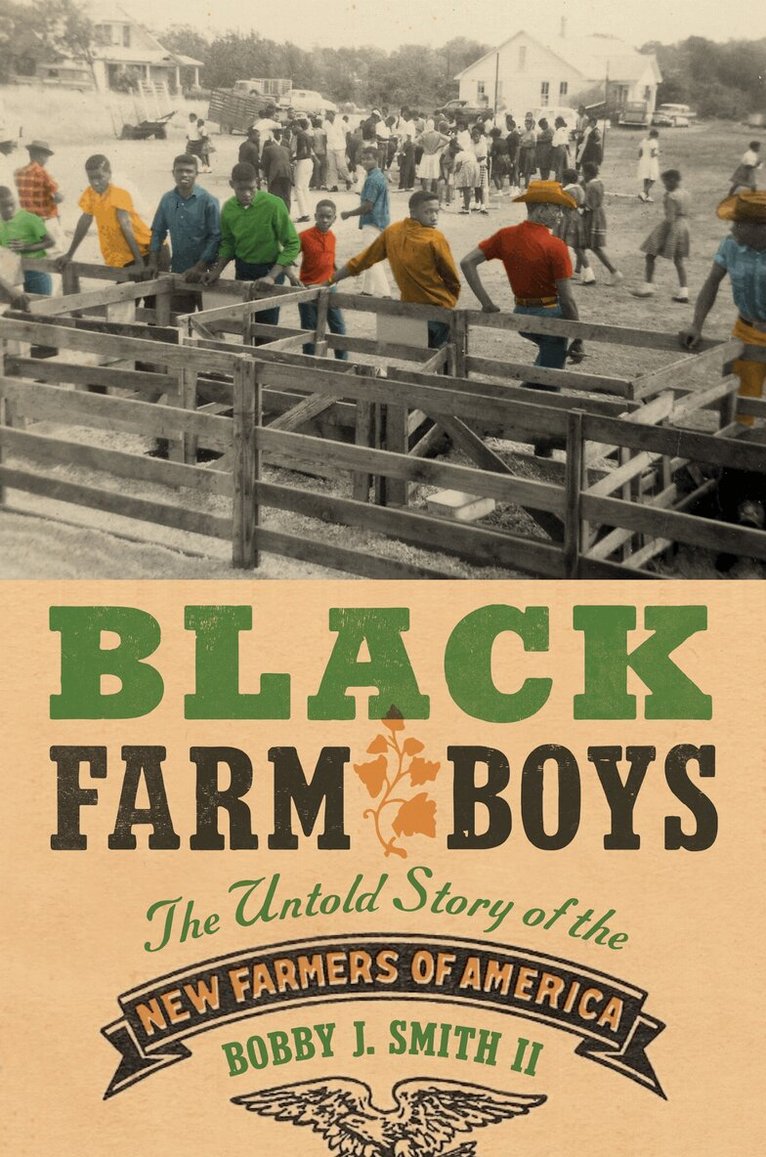
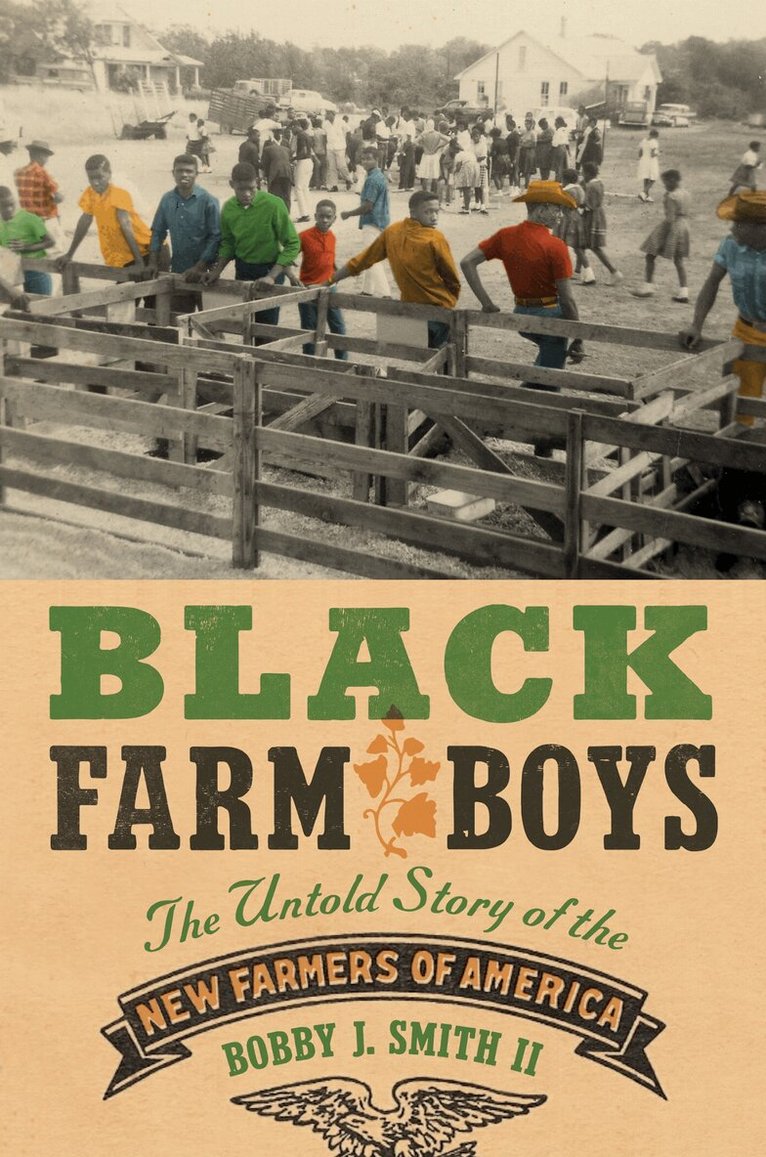
Founded in 1935, the New Farmers of America (NFA) was the first national organization for Black farm boys studying vocational agriculture at segregated public high schools across the South—and as far north as New Jersey. Sociologist and award-winning author Bobby J. Smith II charts new terrain in Black history by uncovering the hidden story of the organization, which grew to an annual membership of more than 55,000 members and empowered Black boys to challenge racial exclusion in agriculture by becoming farmers and pursuing careers in agriculture. But by 1965, the NFA had vanished—unraveled by a hostile takeover by the predominantly white Future Farmers of America (FFA). The NFA, and the generation of Black agricultural leaders it helped shape, were largely erased from the historical record. In vivid prose, Smith confronts the haunting paradox of the NFA: an organization that transformed rural Black life yet remains almost entirely absent from American memory. Reconstructing the NFA’s rise, influence, and disappearance, Black Farm Boys reshapes the history of the Black agricultural experience and restores a vital chapter in the story of education, rural life, and racial justice in the United States.
246 kr
Kommande
Founded in 1935, the New Farmers of America (NFA) was the first national organization for Black farm boys studying vocational agriculture at segregated public high schools across the South—and as far north as New Jersey. Sociologist and award-winning author Bobby J. Smith II charts new terrain in Black history by uncovering the hidden story of the organization, which grew to an annual membership of more than 55,000 members and empowered Black boys to challenge racial exclusion in agriculture by becoming farmers and pursuing careers in agriculture. But by 1965, the NFA had vanished—unraveled by a hostile takeover by the predominantly white Future Farmers of America (FFA). The NFA, and the generation of Black agricultural leaders it helped shape, were largely erased from the historical record. In vivid prose, Smith confronts the haunting paradox of the NFA: an organization that transformed rural Black life yet remains almost entirely absent from American memory. Reconstructing the NFA’s rise, influence, and disappearance, Black Farm Boys reshapes the history of the Black agricultural experience and restores a vital chapter in the story of education, rural life, and racial justice in the United States.