Signale|minima - Böcker
Visar alla böcker i serien Signale|minima. Handla med fri frakt och snabb leverans.
2 produkter
2 produkter
239 kr
Skickas inom 10-15 vardagar
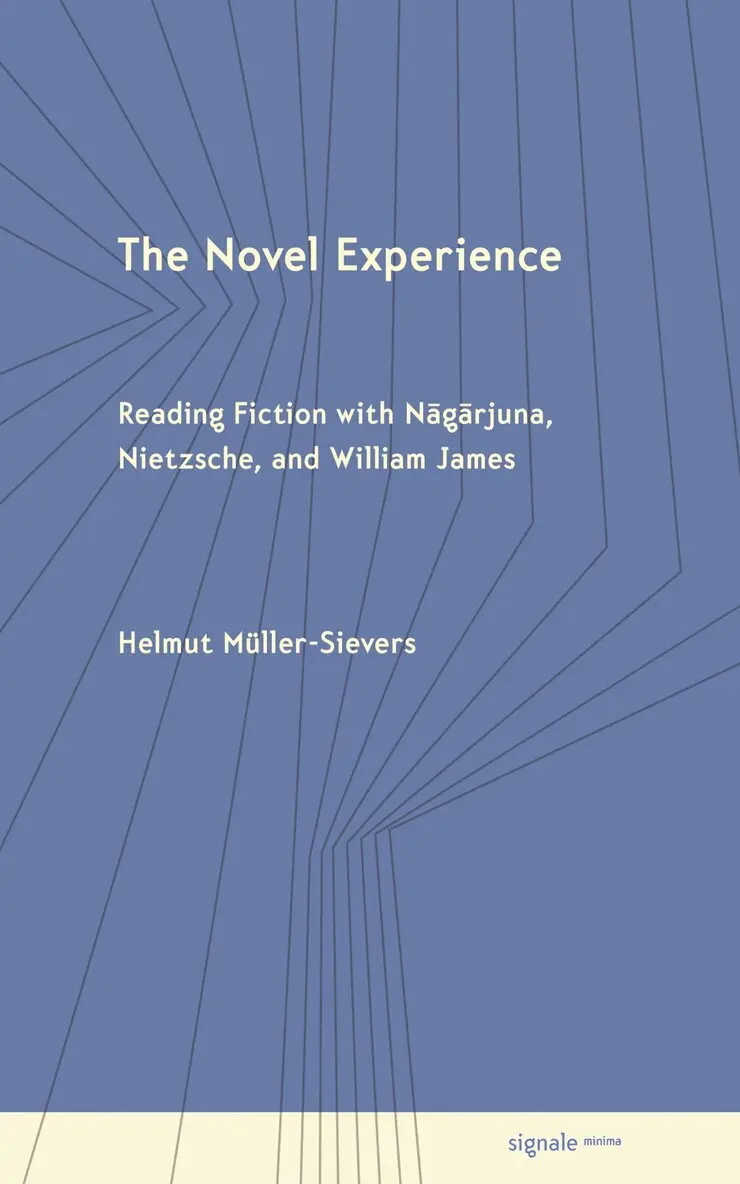
The Novel Experience introduces new approaches to the study of narrative fiction, for scholars, critics, teachers, and readers. At the heart of this concise book is a conception of experience that is influenced by the musings of third-century Buddhist thinker Nāgārjuna on the fictionality of truth and the emptiness of reality. Combining this insight with Nietzsche's method of intellectual genealogy and William James's transformation of emotion into "pure experience," Helmut Müller-Sievers proposes a way to talk about the experience of reading a novel that suspends the rush to judgment and ever-new "turn" in modes of interpretation. In its meditative corporeality, it is also beyond the grasp of any AI.For Müller-Sievers, every experience is novel and every novel is an experience. He explicates this parallelism through philosophical works that privilege experience over knowledge (without denying the importance of understanding). Interspersing analyses of Nāgārjuna, Nietzsche, and James with personal essays about the lived experience of reading works like Ralph Ellison's Invisible Man and Heinrich von Kleist's The Marquise of O, The Novel Experience shows that reading about experiences in novels has a transformative effect on the reader's understanding of what it is to experience. Teachers and readers should attend to these changes, acknowledging their singularity while creating a community within which they can abide.
596 kr
Skickas inom 3-6 vardagar
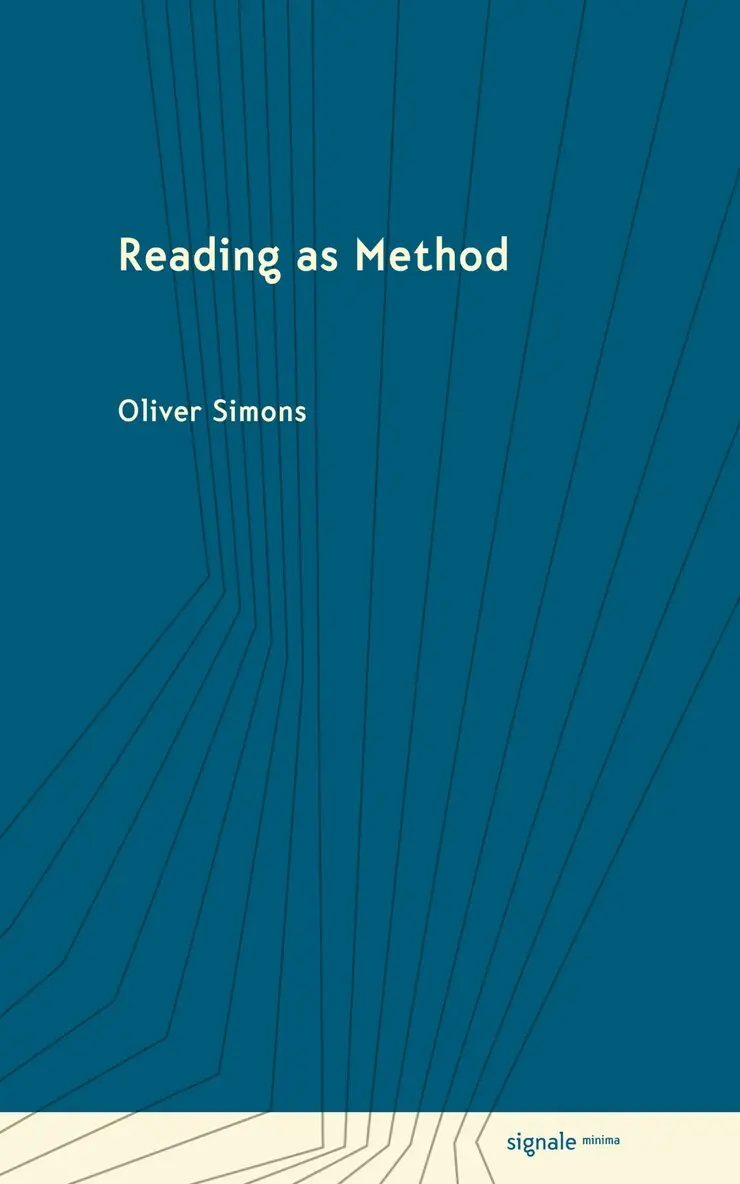
Reading as Method provides a concise and systematic account of how readers engage with texts, exploring the most paradigmatic techniques taught in the past and today and guiding readers on developing their own critical approach to literature. Oliver Simons argues that behind the dizzying variety of reading methods – deep interpretation, surface reading, symptomatic or scattered reading, close textual analysis – are three distinctions: depth versus surface, text versus context, and close versus distant. By tracing these recurring distinctions, Simons offers students and instructors alike a lucid map for getting through the landscape of literary analysis.Throughout the book, Simons returns to Franz Kafka's unsettling 1920 story, "A Country Doctor," in which a wound glimpsed from afar becomes a tangle of imagination and fact upon closer scrutiny. The analysis of this wound is a lesson in reading itself: The more precisely we look, the more our own assumptions shape what we find. Reading as Method equips its readers to see how critics think, question the blind spots in every technique, and reclaim reading as an active, even subversive, pleasure.