Sound Matters - Böcker
Visar alla böcker i serien Sound Matters. Handla med fri frakt och snabb leverans.
4 produkter
4 produkter
318 kr
Skickas inom 11-20 vardagar
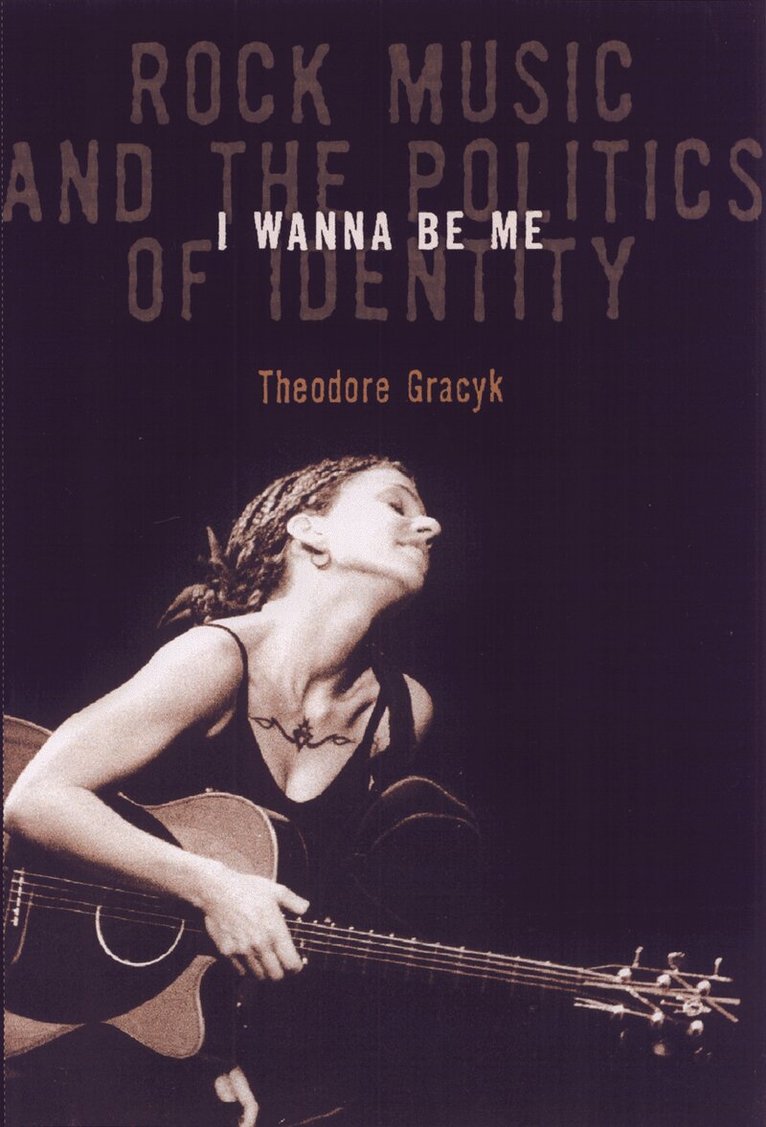
As someone who feels the emotional power of rock and who writes about it as an art form, Theodore Gracyk has been praised for launching "plainspoken arguments destined to change the future of rock and roll," (Publishers Weekly). In I Wanna Be Me, his second book about the music he cares so much about, Gracyk grapples with the ways that rock shapes-limits and expands-our notions of who we can be in the world. Gracyk sees rock as a mass art, open-ended and open to diverse (but not unlimited) interpretations. Recordings reach millions, drawing people together in communities of listeners who respond viscerally to its sound and intellectually to its messages. As an art form that proclaims its emotional authenticity and resistance to convention, rock music constitutes part of the cultural apparatus from which individuals mold personal and political identities. Going to the heart of this relationship between the music's role in its performers' and fans' self-construction, Gracyk probes questions of gender and appropriation. How can a feminist be a Stones fan or a straight man enjoy the Indigo Girls?Does borrowing music that carries a "racial identity" always add up to exploitation, a charge leveled at Paul Simon's Graceland? Ranging through forty years of rock history and offering a trove of anecdotes and examples, I Wanna Be Me, like Gracyk's earlier book, "should be cherished, and read, by rockers everywhere" (Salon).
317 kr
Skickas inom 7-10 vardagar
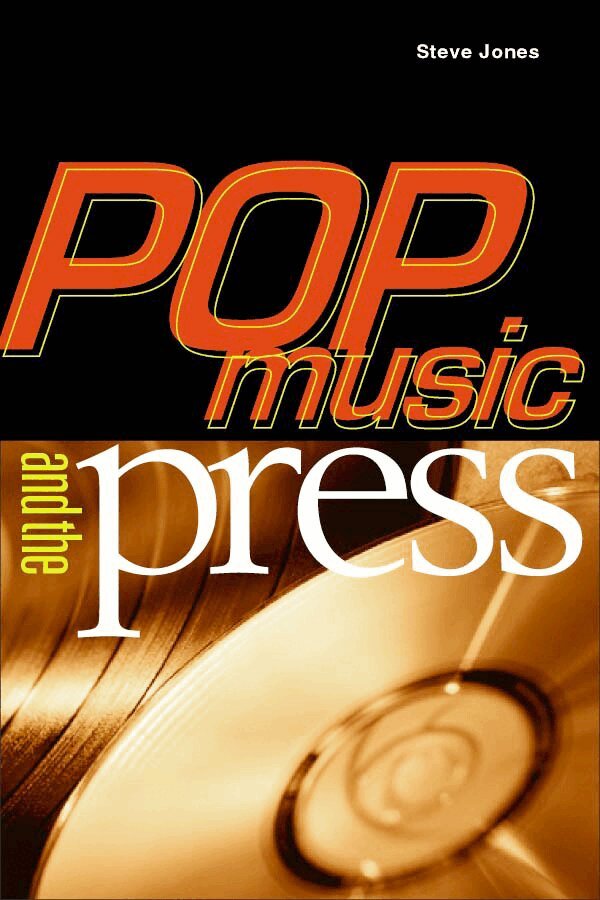
Since the 1950s, writing about popular music has become a staple of popular culture. Rolling Stone, Vibe, and The Source as well as music columns in major newspapers target consumers who take their music seriously. Rapidly proliferating fanzines, websites, and internet discussion groups enable virtually anyone to engage in popular music criticism. Until now, however, no one has tackled popular music criticism as a genre of journalism with a particular history and evolution. Pop Music and the Press looks at the major publications and journalists who have shaped this criticism, influencing the public's ideas about the music's significance and quality. The contributors to the volume include academics and journalists; several wear both hats, and some are musicians as well. Their essays illuminate the complex relationships of the music industry, print media, critical practice, and rock culture. (And they repeatedly dispel the notion that being a journalist is the next best thing to being a rock star.) Author note: Steve Jones is Professor of Communication at the University of Illinois, Chicago.Among his books are CyberSociety: Computer-Mediated Communication and Community (editor) and Rock Formation: Popular Music, Technology, and Mass Communication.
883 kr
Skickas inom 7-10 vardagar
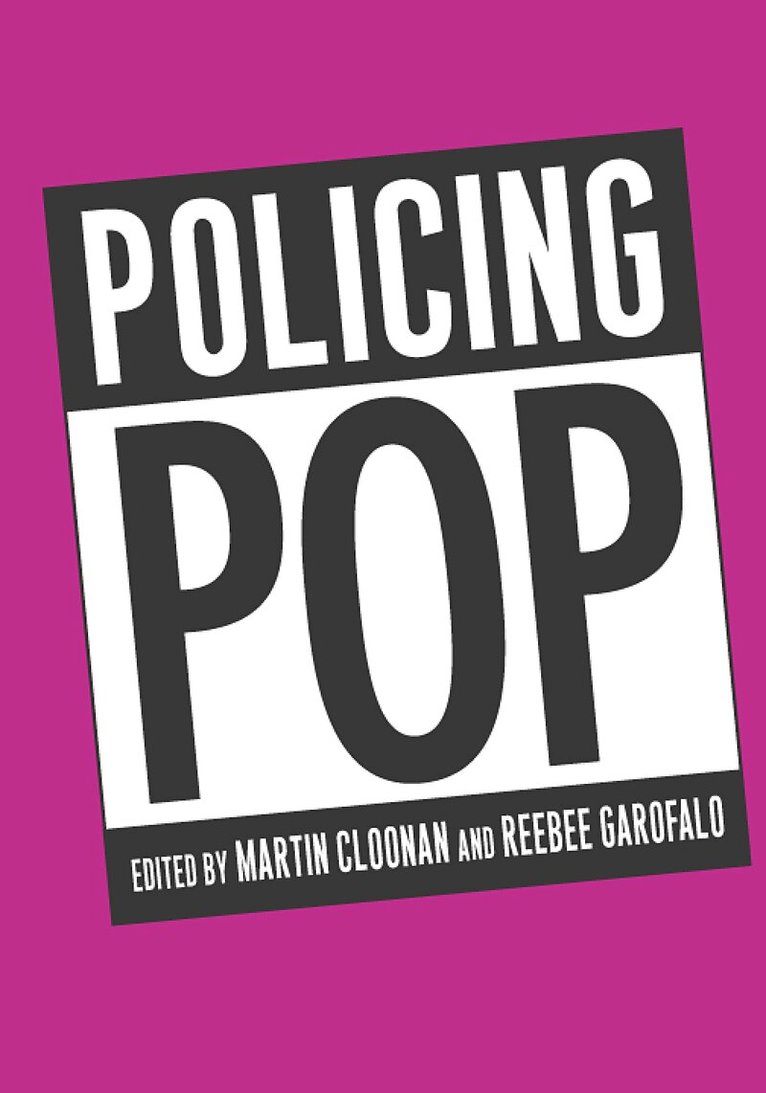
Fans and detractors of popular music tend to agree on one thing: popular music is a bellwether of an individual's political and cultural values. In the United States, for example, one cannot think of the counterculture apart from its music. For that reason, in virtually every country in the world, some group identifies popular music as a source of potential danger and wants to regulate it. Policing Pop looks into the many ways in which popular music and artists around the world are subjected to censorship, ranging from state control and repression to the efforts of special interest or religious groups to limit expression.The essays collected here focus on the forms of censorship as well as specific instances of how the state and other agencies have attempted to restrict the types of music produced, recorded and performed within a culture. Several show how even unsuccessful attempts to exert the power of the state can cause artists to self-censor. Others point to material that taxes even the most liberal defenders of free speech. Taken together, these essays demonstrate that censoring agents target popular music all over the world, and they raise questions about how artists and the public can resist the narrowing of cultural expression.
411 kr
Skickas inom 7-10 vardagar
Fans and detractors of popular music tend to agree on one thing: popular music is a bellwether of an individual's political and cultural values. In the United States, for example, one cannot think of the counterculture apart from its music. For that reason, in virtually every country in the world, some group identifies popular music as a source of potential danger and wants to regulate it. Policing Pop looks into the many ways in which popular music and artists around the world are subjected to censorship, ranging from state control and repression to the efforts of special interest or religious groups to limit expression. The essays collected here focus on the forms of censorship as well as specific instances of how the state and other agencies have attempted to restrict the types of music produced, recorded and performed within a culture. Several show how even unsuccessful attempts to exert the power of the state can cause artists to self-censor. Others point to material that taxes even the most liberal defenders of free speech.Taken together, these essays demonstrate that censoring agents target popular music all over the world, and they raise questions about how artists and the public can resist the narrowing of cultural expression. Author note: Martin Cloonan teaches Popular Music Culture at the University of Glasgow and is the author of Banned! Censorship of Popular Music in Britain, 1967-1992. Reebee Garofalo is Professor at the College of Public and Community Service and is affiliated with the American Studies Program at the University of Massachusetts, Boston; his most recent book is Rockin' Out: Popular Music in the USA.