South Asia Development Forum - Böcker
Visar alla böcker i serien South Asia Development Forum. Handla med fri frakt och snabb leverans.
12 produkter
12 produkter
Glaciers of the Himalayas
Climate Change, Black Carbon, and Regional Resilience
Häftad, Engelska, 2021
432 kr
Skickas inom 10-15 vardagar
Melting glaciers, loss of seasonal snow, and precipitation changes pose significant risks to the stability of water resources in the South Asia region. Glaciers help to moderate river flows in the region's major rivers by providing a source of meltwater in hot, dry years and storing water during colder, wetter years. The dependence on glaciers and snow makes these rivers particularly vulnerable to climate change. In addition to threats from global climate change, black carbon produced and circulated within the region is both increasing the absorption of solar radiation by the glaciers through decreasing the glacier surfaces’ reflectance and raising air temperatures, which also increases melt. In these ways, black carbon is becoming a significant factor in the retreat of some Himalayan glaciers.The purpose of this study is to identify the causes of potential changes to the glacier and snow dynamics in the Himalaya, Karakoram, and Hindu Kush mountain ranges, present scenarios of possible glacier and snow changes under different climate change and black carbon scenarios, and determine implications for water resources within the Indus, Ganges, and Brahmaputra basins. Since changes in regional climates are largely linked to global-scale actions and processes, the response of glaciers and snow changes must be approached in the context of the need to reduce global greenhouse gas emissions; however, there are local actions that may reduce or offset the impacts in the short term. The overall objective is to provide sound analytical underpinnings for policy making, investments, and other initiatives that could be further supported by Bank-financed operations.
273 kr
Skickas inom 10-15 vardagar
This report documents the dynamics of violence against women in South Asia across the life cycle, from early childhood to old age. It explores the different types of violence that women may face throughout their lives, as well as the associated perpetrators (male and female), risk and protective factors for both victims and perpetrators, and interventions to address violence across all life cycle stages.The report also analyses the societal factors that drive the primarily male - but also female - perpetrators to commit violence against women in the region. For each stage and type of violence, the report critically reviews existing research from Afghanistan, Bangladesh, Bhutan, India, Maldives, Nepal, Pakistan and Sri Lanka, supplemented by original analysis and select literature from outside the region. Policies and programmes that address violence against women and girls are analyzed in order to highlight key actors and promising interventions.Finally, the report identifies critical gaps in research, programme evaluations, and interventions in order to provide strategic recommendations for policy makers, civil society, and other stakeholders working to mitigate violence against women in South Asia.
390 kr
Skickas inom 10-15 vardagar
Electricity shortages are among the biggest barriers to South Asia's development. Did you know that 30 percent of households in South Asia are not connected to the power grid? Even households and firms that are connected often experience long hours of blackouts. How much do power sector distortions cost South Asian economies? Previous research considers a narrow definition of the power sector which includes generation, transmission, and distribution, but often does not account for the upstream distortions in coal and gas production, downstream distortions from the lack of electricity access, or the pollution generated by fossil-fuel plants. They also address only the fiscal costs of distortions though many distortions do not have a direct fiscal cost. This study offers a comprehensive assessment of the economic cost of energy sector distortions in Bangladesh, India, and Pakistan. It uses microeconomic data from utilities, households, and firms to estimate key parameters for each country. It then uses these parameters to generate precise estimates of the cost of regulatory, institutional, and social and environmental distortions. The study finds that some of the most costly distortions are upstream and downstream. Urgent power sector reforms should be a top priority because they can rapidly and effectively promote economic growth. Smart reforms would reduce the need for massive investments in generation because existing capacity is currently poorly utilized. The report finds that price distortions are often not the most important source of economic cost. Institutional reforms would have a greater and more sustainable effect than energy pricing liberalization alone. Removing price distortions and addressing environmental costs could, however, lead to a sharp increase in electricity prices. Therefore, improving efficiency and providing targeted social assistance to poor and vulnerable households should be prioritized. In the absence of privatization, incentive regulation is likely to be more effective than corporatization to improve efficiency.
485 kr
Skickas inom 10-15 vardagar
By using state-of-the-art modeling techniques, this study simulates population, housing, economic activity, commuting times, transport and trade across the 266 unions that constitute Great Dhaka, taking into account flood vulnerability, traffic congestion and other location conditions.
445 kr
Skickas inom 10-15 vardagar
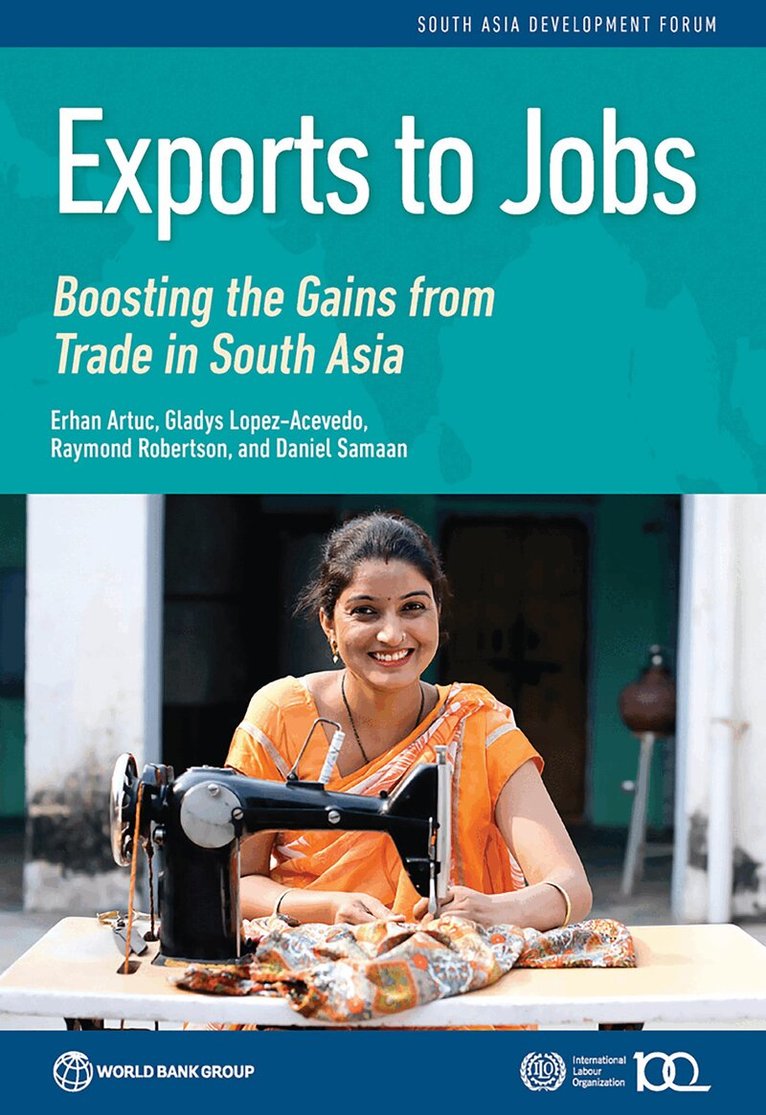
Very few studies focus on the growth of labor market opportunities that follow from exports. Entangled is one of the first to systematically examine the localized effects of long-run export growth in South Asia. The basic premise is that adjustment costs matter. If adjustment costs matter, then we would expect to see significant and persistent differences in wages across industries and regions. We would expect tosee that exporting industries and regions tend to pay higher wages and that these differences would only slowly dissipate over time (if at all). We would expect to see that increases in exports would increase the demand for workers. An increase in demand for workers could increase either wages, employment, or both, depending on the ability and willingness of workers to switch industries and regions. If workers face high adjustment costs, the increase in labor demand from exports would be associated with higher wage growth, but not necessarily higher employment growth, because workers would not move into expanding industries. As a result, firms would have to raise wages to attract the workers they need. Since expanding takes more time than contracting, we would expect to see the strongest positive wage effects over the longest time horizon, because exports take longer to affect labour markets than import competition. The report evaluates these predictions using data from Bangladesh, India, and Sri Lanka. The results are consistent with the presence of very significant worker-level adjustment costs in South Asia and suggest that the gains from exports to date have still been modest.
390 kr
Skickas inom 10-15 vardagar
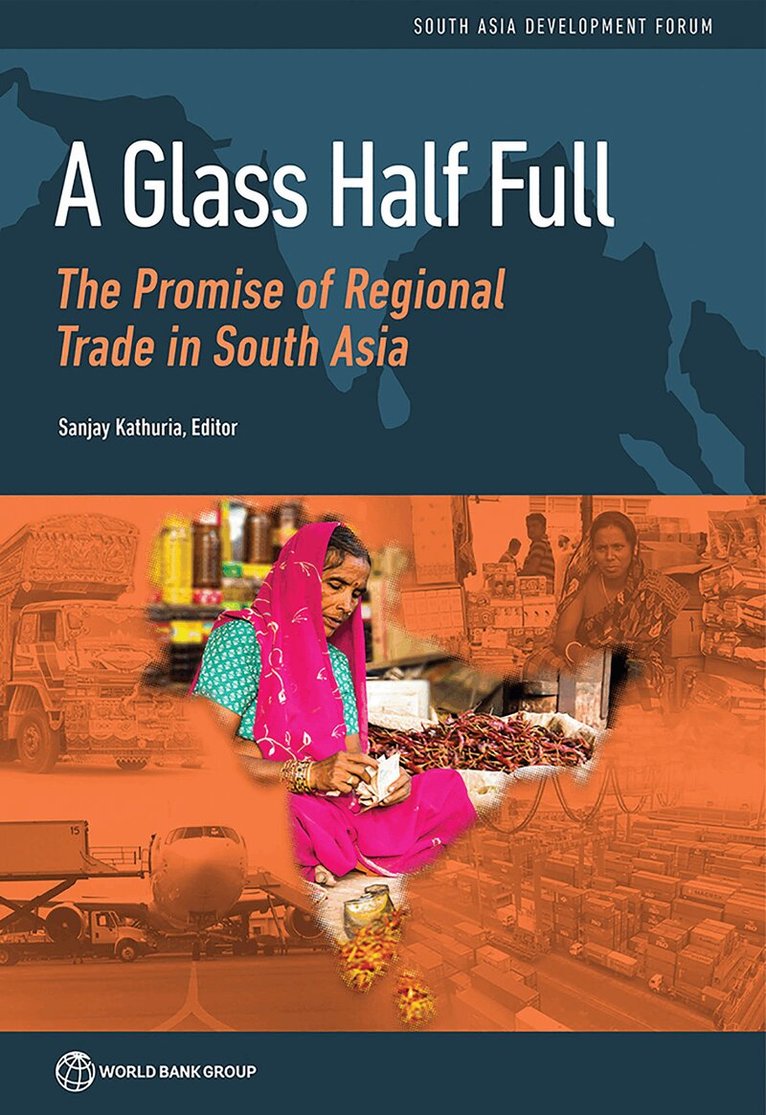
Trade has played a critical role in global poverty reduction. In harnessing the potential of trade, some of the most successful countries have developed strong trade relationships with their neighbors. However, many South Asian countries have trade regimes that often offset the positive impact of geography and proximity.A Glass Half Full documents systematically the gaps between current and potential trade in South Asia and addresses important specific barriers that have held trade back. These barriers include tariffs and paratariffs, real and perceived nontariff barriers, connectivity costs, and the broader trust deficit. This policy-focused report unpacks these critical barriers to effective trade integration in South Asia through four in-depth studies that produce new, detailed, on-the-ground knowledge. Three of the studies are based on extensive stakeholder consultations. Two also rely on tailored surveys. The fourth study, on tariffs, benefits from new data on paratariffs.The report also marshals new evidence showing how trading regimes in South Asia discriminate against one another. Given the South Asian context, incremental, yet concrete steps aimed at tapping the potential of deeper integration are appropriate. The report has been drafted in this spirit. It offers precise, actionable policy recommendations that could help achieve measurable progress in key areas of trade and integration that would be to the advantage of all countries in the region.
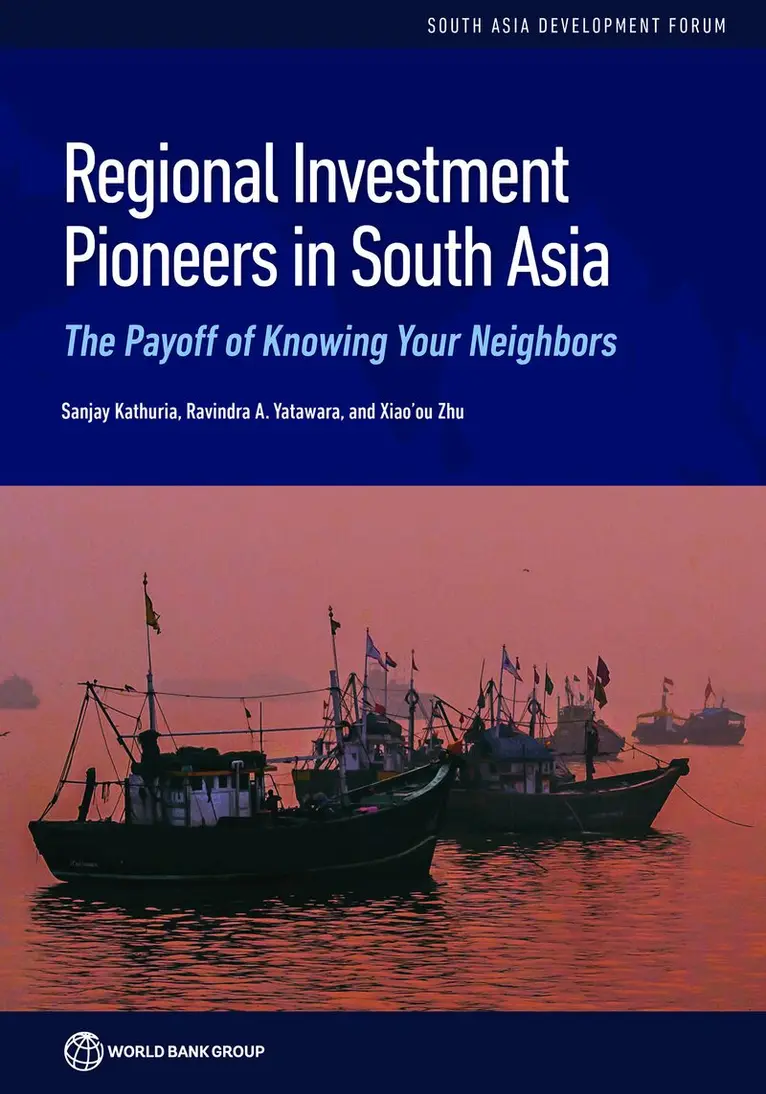
Regional Investment Pioneers in South Asia
The Payoff of Knowing Your Neighbors
Häftad, Engelska, 2021
445 kr
Skickas inom 10-15 vardagar
This report is framed within the same context as its predecessor, A Glass Half Full: The Promise of Regional Trade in South Asia, namely, the sub-optimal level of economic engagement within South Asia. It focuses on intraregional investment, from an outward investment lens, using a unifying framework of international engagement strategies.
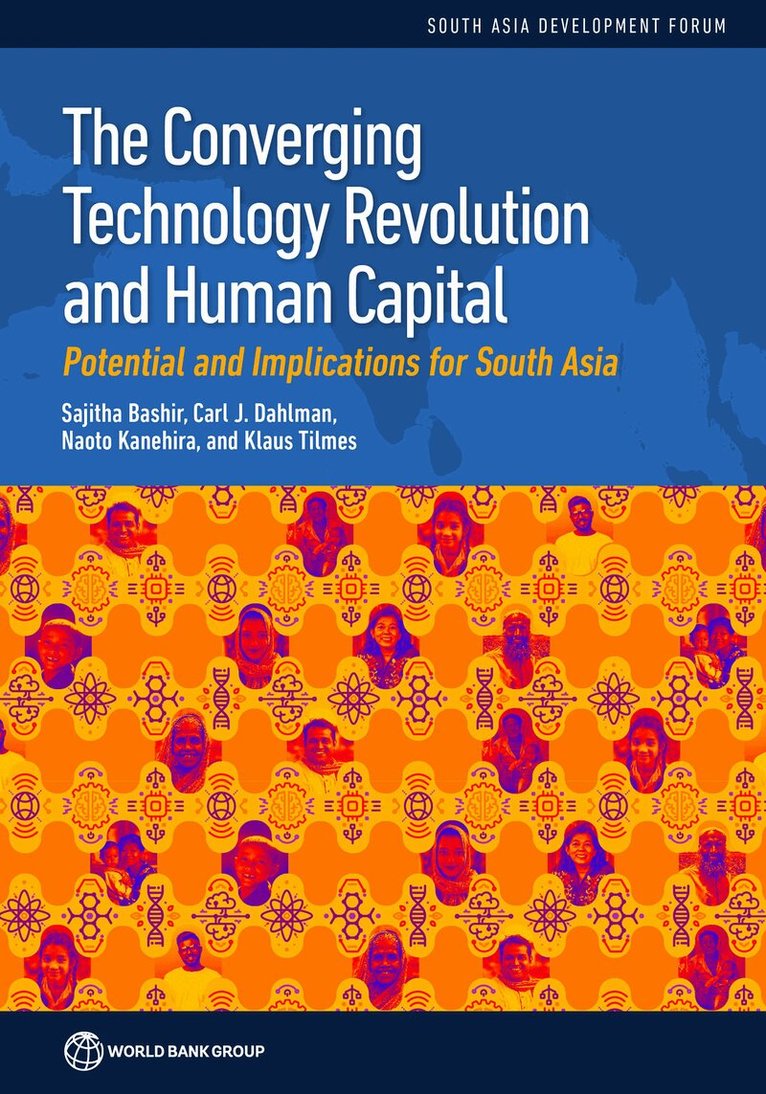
Converging Technology Revolution and Human Capital
Potential and Implications for South Asia
Häftad, Engelska, 2021
432 kr
Skickas inom 10-15 vardagar
Converging technologies promise a new era of delivering education, health, and social services to millions of digitally excluded. Hard hit by the COVID-19 pandemic and beset with low human development outcomes, how can South Asia bring these benefits to vulnerable groups, adapt technologies, and build trust and protection against risks?
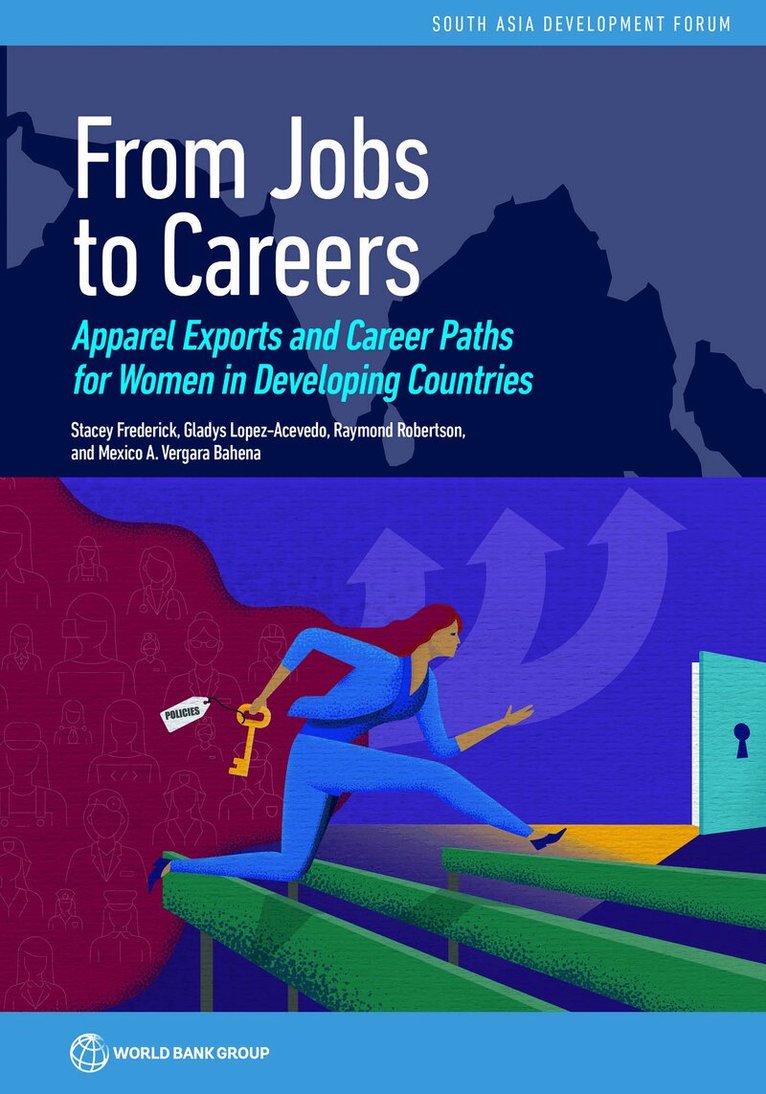
From Jobs to Careers
Apparel Exports and Career Paths for Women in Developing Countries
Häftad, Engelska, 2021
432 kr
Skickas inom 10-15 vardagar
This report shifts the paradigm of how we think of women's participation in the labor force by demonstrating the importance of the distinction between jobs and careers and analyzing how an apparel-led export strategy contributes to the transition.
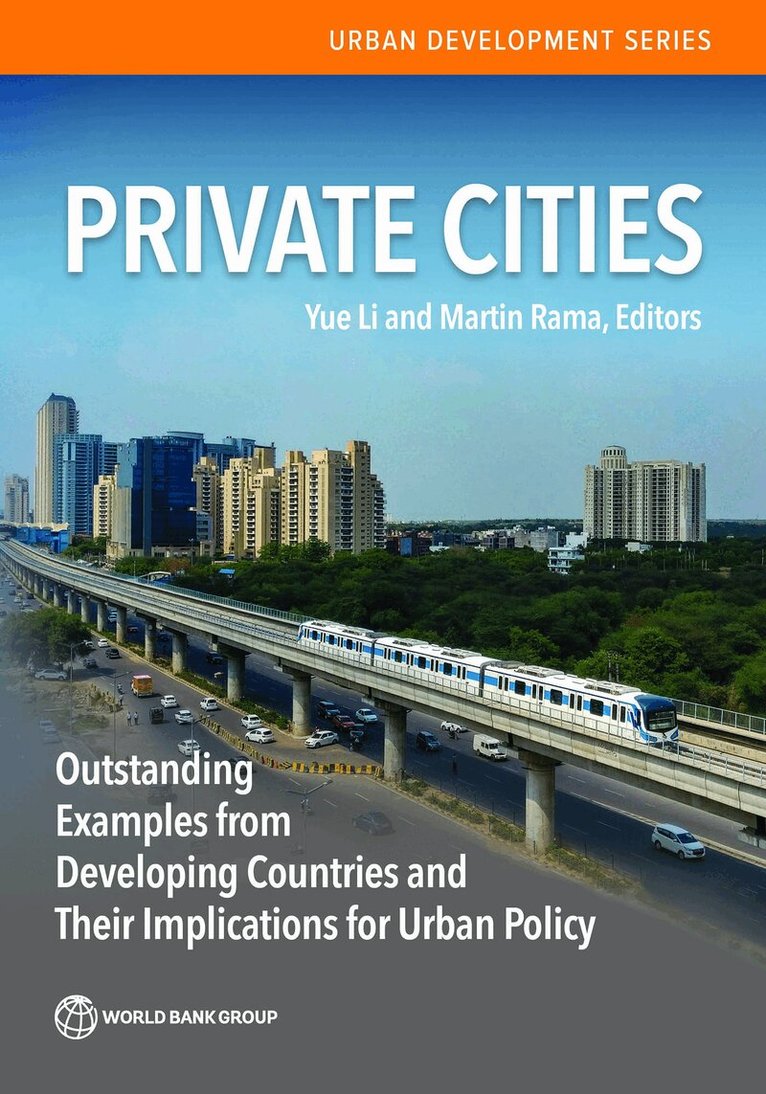
Private Cities
Outstanding Examples from Developing Countries and Their Implications for Urban Policy
Häftad, Engelska, 2023
432 kr
Skickas inom 10-15 vardagar
Institutional weaknesses limit the capacity of local governments to support efficient urbanization in developing countries. They also lead to the emergence of large developers with the clout to build entire cities. This paper analyzes the urbanization process when local governments are weak and large developers are powerful. Results from a non-cooperative game setting with minimal assumptions show that multiple equilibria can emerge depending on key institutional parameters of the model and the nature of the game, but all of them are inefficient. In this simple setting, increasing the capacity of the local government may not lead to better outcomes, because it may crowd out urban land development by the more effective private investor. Subsidizing the large investor can ensure efficiency, but it makes the rest of society worse off. Selling the rights to the city can be Pareto efficient, but only provided that the price at which the rights are sold are sufficiently high. However, more analytical and empirical work is needed before these analyses can be deemed relevant in practice. Competition among jurisdictions, time consistency challenges, and the social implications of private cities deserve special attention.
445 kr
Skickas inom 10-15 vardagar
317 kr
Skickas inom 10-15 vardagar
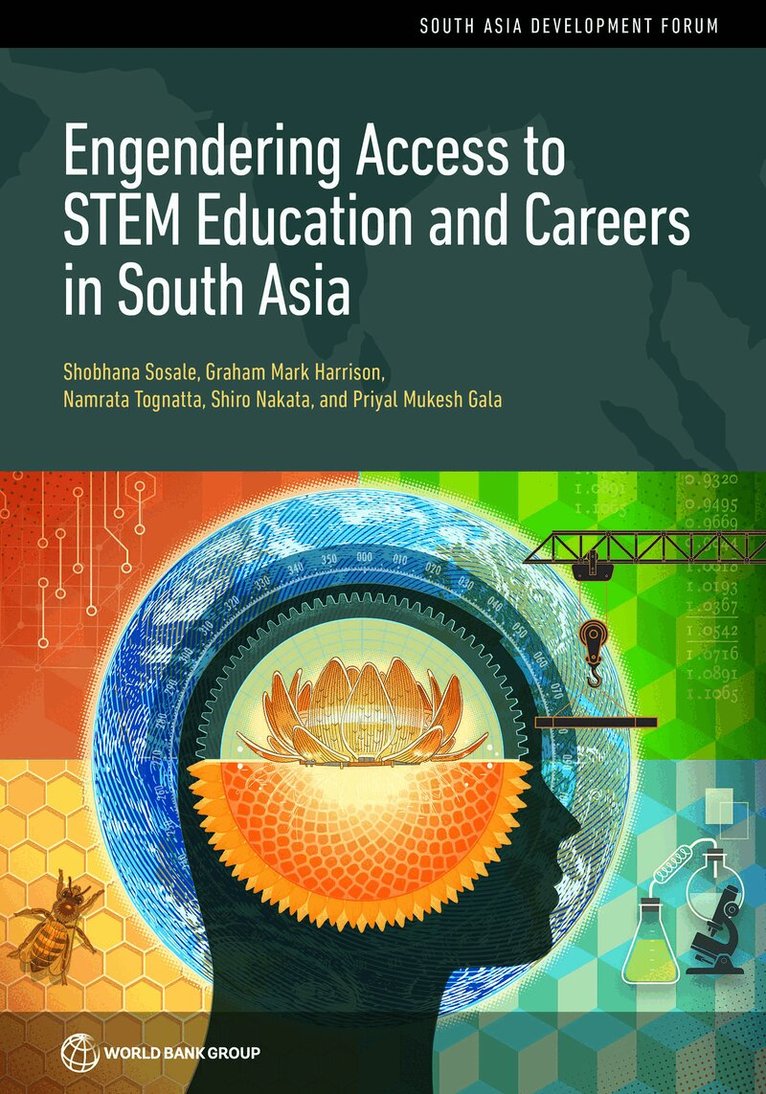
Science, technology, engineering, and mathematics (STEM) are crucial fields for economic development and social inclusion. This report is intended for policymakers and development partners to consider the importance of investing in STEM education.