South Asian Screen Studies – Serie
Visar alla böcker i serien South Asian Screen Studies. Handla med fri frakt och snabb leverans.
2 produkter
2 produkter
1 127 kr
Skickas inom 7-10 vardagar
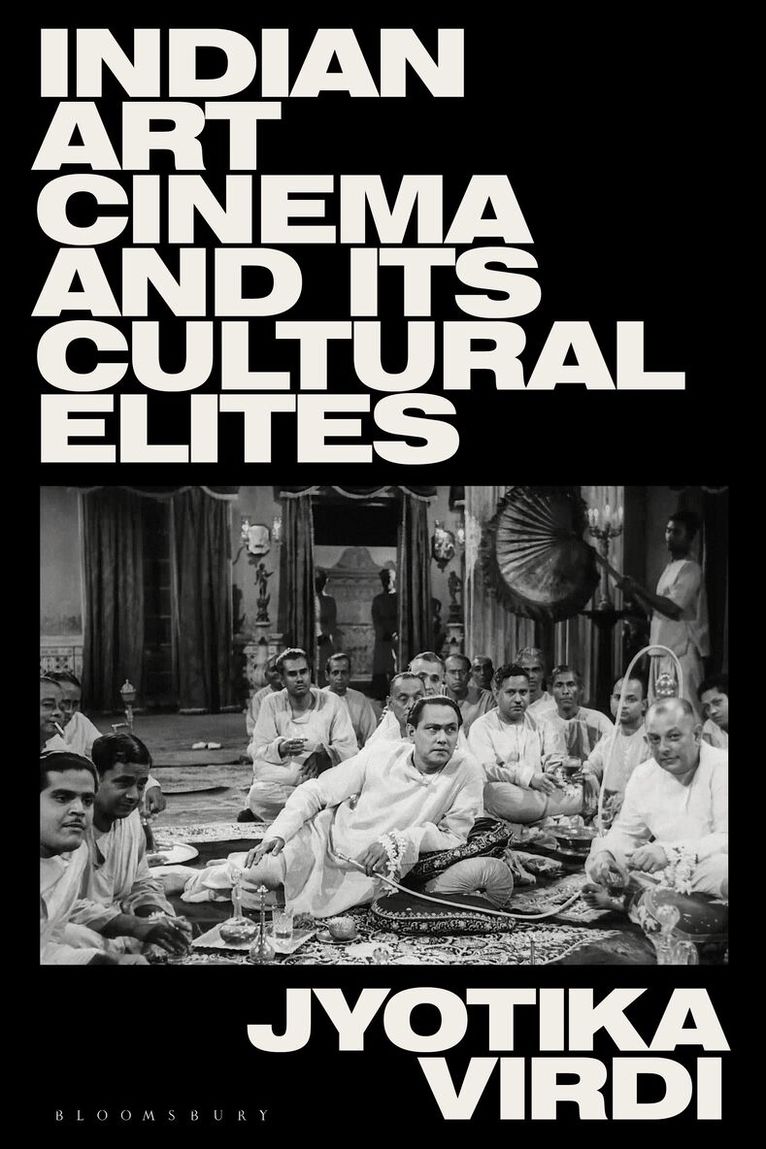
Repositioning Indian art cinema as a genre that articulated an elite, middle-class social imaginary, Indian Art Cinema and its Cultural Elites examines the form's contentious position within Indian society, at once exclusionary in its outlook and yet instrumental in bringing Indian film into global prominence in the latter half of the twentieth century.Drawing on Bourdieu's theory of cultural production, Jyotika Virdi looks at how a closed producer-critic-consumer circuit reinforced class distinction through a presumption of superior taste. She traces the trajectory of art cinema in India from the 1950s, when new institutions under Nehru's socialist ideals catalysed its emergence, through the New Wave movement of the 1970s and 1980s, and finally to its gradual decline in the 1990s as economic liberalization once again transformed the social landscape. By examining films like The Apu Trilogy (1955-1959) and Ardh Satya (Half Truth, 1983), she showcases the complex contradictions of the middle class, who were both the creative producers and consumers of alternative cinema, especially during the political turbulence of the late 1960s and 1970s.Combining a meticulous examination of key auteurs such as Satyajit Ray, Mrinal Sen, and Shyam Benegal, among others, with a broader study of cultural shifts and institutional frameworks, this book reevaluates the intricate relationship between art films, the state that sustains them, and the ruling cultural elite whose influence far exceeds its size.
1 197 kr
Skickas inom 7-10 vardagar
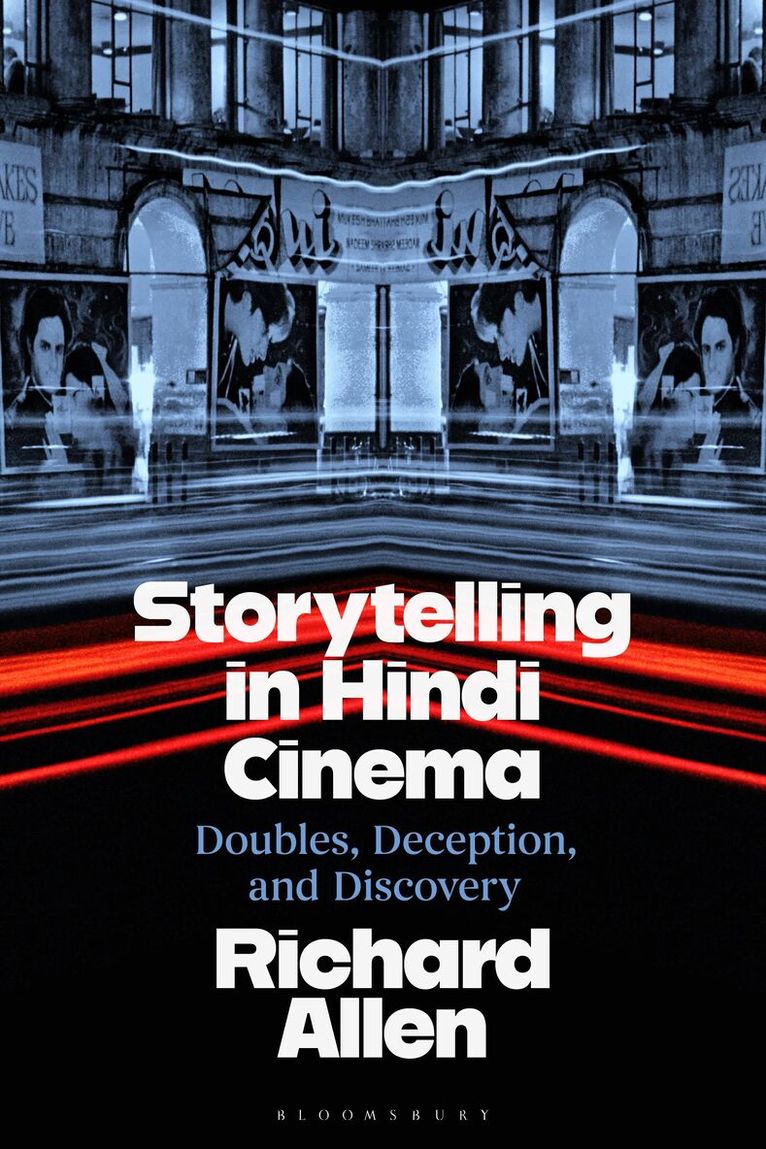
From physical duplicates to role reversals and sexual masquerades, Storytelling in Hindi Cinema provides a comprehensive overview of Hindi films centered around the figure of the double.Richard Allen dissects the cultural significance of these double-themed plots, considering how they reflect questions of social mobility, the expression of desire, social justice, and national identity in the post-colonial period. He considers the wide array of influences that shape the genre, from Sanskrit Kathasaritsagara story-telling traditions, folk Nautanki theatres, and Tales of the Arabian Nights to colonial and post-colonial roots from Shakespeare to Hollywood melodrama. He asserts the influence of Bengali cinema, particularly of filmmaker Hrishikesh Mukherjee, and South Indian films like Hello Brother (1994) in providing diverse perspectives that enrich these narratives.Examining a broad range of films, from 1947 to present, including Mahal (1949), Madhumati (1958), Chupke Chupke (1975), Angoor (1982), Banjaran (1991), Kal Ho Na Ho (2003) and Dostana (2008), Allen traces the evolution of the trope, even incorporating transgressive narratives like cross-dressing and gender disguise. In doing so, he highlights how these cinematic motifs navigate the complexities of traditional worldviews and modern experiences.