Sports & Popular Culture – serie
Visar alla böcker i serien Sports & Popular Culture. Handla med fri frakt och snabb leverans.
12 produkter
12 produkter
641 kr
Skickas inom 10-15 vardagar
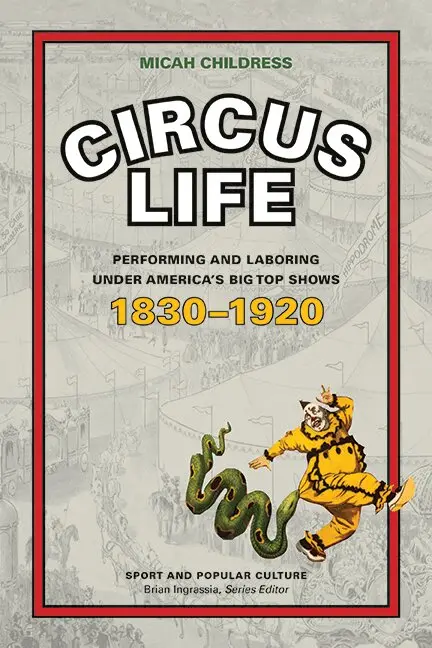
The nineteenth century saw the American circus move from a reviled and rejected form of entertainment to the “Greatest Show on Earth.” Circus Life by Micah D. Childress looks at this transition from the perspective of the people who owned and worked in circuses and how they responded to the new incentives that rapid industrialization made possible.The circus has long been a subject of fascination for many, as evidenced by the millions of Americans that have attended circus performances over many decades since 1870 when the circus established itself as a truly unique entertainment enterprise. Yet the few analyses of the circus that do exist have only examined the circus as its own closed microcosm—the “circus family.” Circus Life, on the other hand, places circus employees in the larger context of the history of US workers and corporate America. Focusing on the circus as a business-entertainment venture, Childress pushes the scholarship on circuses to new depths, examining the performers, managers, and laborers’ lives and how the circus evolved as it grew in popularity over time. Beginning with circuses in the antebellum era, Childress examines changes in circuses as gender balances shifted, industrialization influenced the nature of shows, and customers and crowds became increasingly more middle-class.As a study in sport and social history, Childress’s account demonstrates how the itinerant nature of the circus drew specific types of workers and performers, and how the circus was internally in constant upheaval due to the changing nature of its patrons and a changing economy.
434 kr
Skickas inom 10-15 vardagar
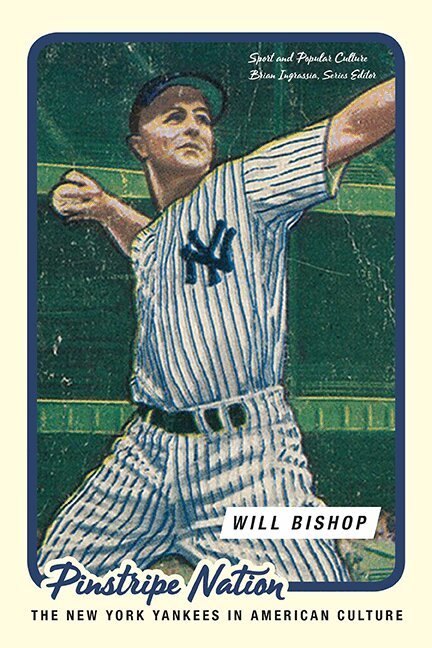
Whether loved or reviled, the New York Yankees have had an impact on American culture that extends well beyond baseball. Since the early twentieth century, movies, novels, memoirs, pop songs, and even TV sitcoms have either dealt directly with the Bronx club and its star players or incorporated key elements of Yankee iconography. In Pinstripe Nation, Will Bishop explores the myriad of ways in which the Yankees and their successes (or spectacular failures) became interwoven with the nation’s larger cultural narrative.In 1920, with their acquisition of Babe Ruth, the Yankees rose to prominence. With his power-hitting style attracting legions of new fans, the “Great Bambino” became a national hero of the Roaring Twenties. In contrast to Ruth’s flamboyance, his less flashy successors Lou Gehrig and Joe DiMaggio captured the spirit of striving and courage that carried America through the Depression and WWII years. The Pride of the Yankees, a popular movie celebrating Gehrig’s career, and the Hemingway novella The Old Man and the Sea, whose protagonist reveres DiMaggio, typified the trend.Mirroring the nation’s postwar swagger and confidence, the club of the Mickey Mantle–era remained hugely popular, but “Yankee hating” set in as well. Novels like Mark Harris’s The Southpaw and Douglas Wallop’s The Year the Yankees Lost the Pennant signified a widespread resentment of the team’s outsized dominance. Amid the national turmoil of the 1960s, the Yankees also went into decline. In the following decades, as player salaries soared and team infighting grabbed headlines, the once-glowing portrayals of the team gave way to tell-all books like Ball Four and The Bronx Zoo. Yet, as this informative and entertaining book amply shows, the Yankees have, through all their ups and downs, retained a hold on the American imagination unmatched by any other sports franchise.
412 kr
Skickas inom 11-20 vardagar
338 kr
Skickas inom 10-15 vardagar
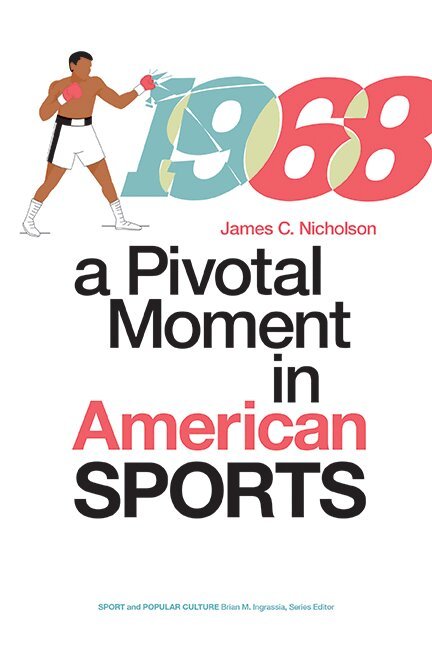
Opening with Vince Lombardi's last win as coach of the Packers in Super Bowl II and closing with Joe Namath's Super Bowl III guarantee, James Nicholson delivers an original portrait of a sensational closing decade in American culture. Controversies on the field and in the ring reflected broader political and social turmoil in the late-sixties United States. With one of the most contentious presidential elections in US history, the ongoing civil rights movement, and the Vietnam War all storming in the background, Nicholson charts a course through the oddly unsettled waters of American sports in 1968: the Masters golf tournament decided by the strict enforcement of an arcane rule to the detriment of a foreign player; the winner of the Kentucky Derby disqualified for a drug violation; Muhammad Ali waiting in sports exile while he appealed a criminal conviction for draft evasion; an unorthodox rendition of the national anthem at the World Series nearly overshadowing the game it preceded; and the silent gesture at the Mexico City Olympics made by Tommie Smith and John Carlos that shocked the nation
723 kr
Skickas inom 10-15 vardagar
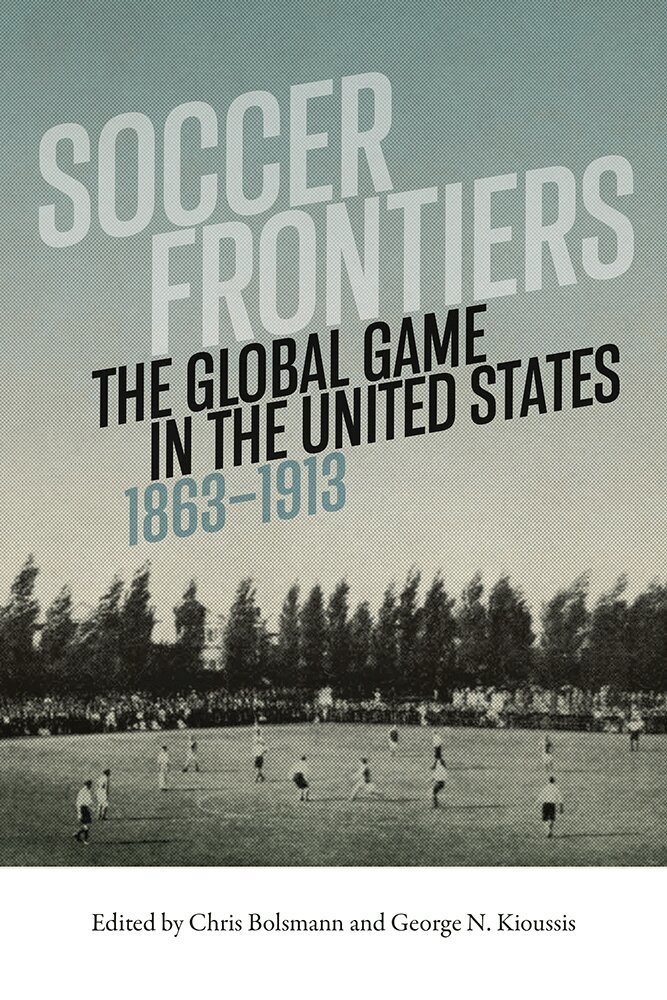
The early history of soccer in the United States has received relatively little scholarly attention. While the sport's failure to make cultural inroads has been the source of much reflection and retrospection, other pastimes such as baseball, basketball, and American football have been covered far more extensively. Soccer Frontiers helps to fill this gap and correct the widespread notion that soccer was unfamiliar in the United States before the late twentieth century.Editors Chris Bolsmann and George N. Kioussis's collection sheds light on America's little-known soccer history by focusing on the game's presence in major American cities between 1863 and 1913. As waves of immigrants arrived and American cities began to industrialize and become sizable cultural hubs, soccer, too, began to flourish. With essays focused on the years between the Civil War and World War I—a period which saw the creation of both the English Football Association and the US Soccer Federation—this volume also offers diverse regional representation, moving from New England to the South to the West Coast.Soccer Frontiers seeks to identify the distinctive yet understudied traits of American soccer, thereby contributing an important missing piece to the broader puzzle of American sport history.
567 kr
Skickas inom 7-10 vardagar
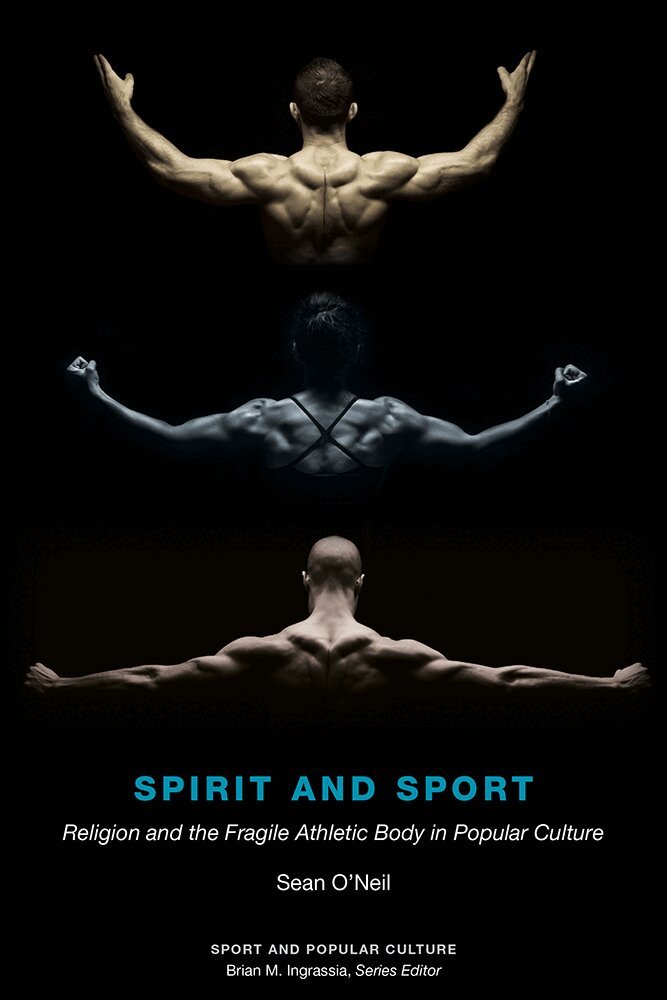
In Spirit and Sport: Religion and the Fragile Athletic Body in Popular Culture, Sean O’Neil studies the intersectionality of religion and disability as it exists within contemporary sports. To do so, he calls to the forefront various contemporary stories about trauma and disability—some fictional, others biographical—and examines how we tell and interpret these stories within the frameworks of athletic activity, competition, failure, and success. O’Neil studies a wide range of perspectives, from John Irving’s A Prayer for Owen Meany and the big-screen’s Signs to the experiences of real-life athletes like Tim Tebow, Muhammad Ali, and Bethany Hamilton. Woven throughout his examination of each is a consideration of religious belief and practice, especially within Christianity, as it relates to athletic ability—the lighthearted stories of victory and overcoming, the inspiring triumph over fragility and limitation so often couched in religious terms.O’Neil’s study draws upon his experiences as a hospital chaplain and his own battle with skin cancer. By blending personal experience with sociological observation, O’Neil argues that the intersection of religion, sports, and disability in popular culture is a revealing site of cultural struggle over competing myths, identities, and values related to the body—both the physical bodies we inhabit as well as the broader social bodies to which we subscribe.Spirit and Sport is a study with broad appeal: from O’Neil’s autoethnographic storytelling to the wide range of narrative media he examines, religious scholars, sports historians, and general audiences alike are sure to find it a thought-provoking and engaging read.
269 kr
Skickas inom 10-15 vardagar
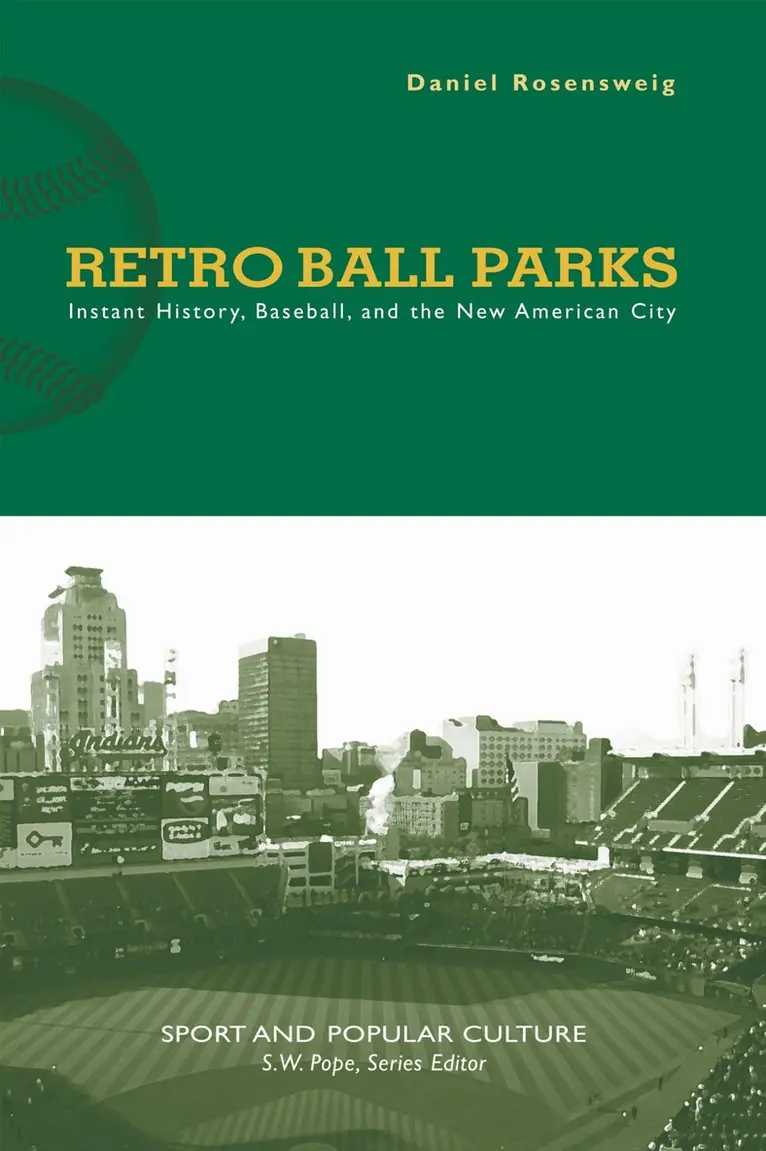
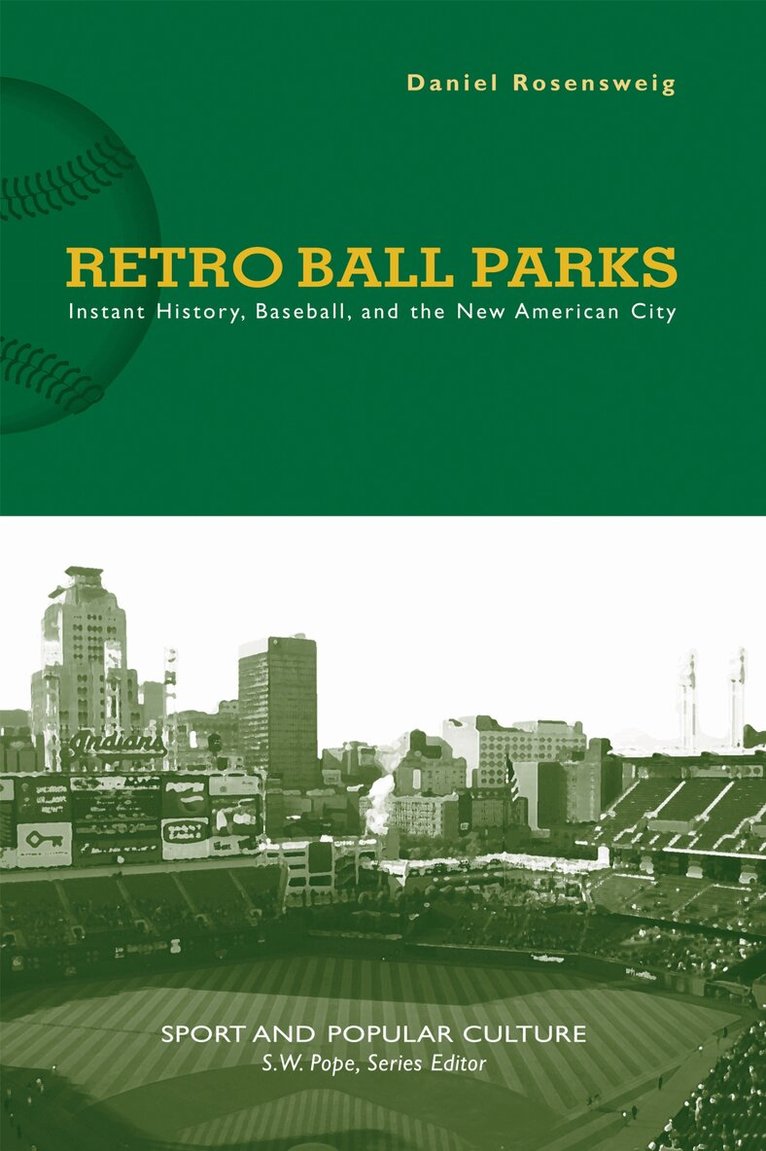
Oriole Park at Camden Yards in Baltimore opened in 1992 as an intentional antidote to the modern multiuse athletic stadium. Home to only one sport and featuring accents of classic parks of previous generations. Oriole Park attempted to reconstitute Baltimore’s past while serving as a cornerstone of downtown redevelopment. Since the gates opened at Camden yards, more than a dozen other American cities have constructed “new old” major league parks – Cleveland, Detroit, Seattle, Pittsburgh, Milwaukee, Atlanta, Denver, Phoenix, San Francisco, Cincinnati, Houston, Arlington, Texas, and San Diego. In Retro Ball Parks, Daniel Rosenweig explores the cultural and economic role of retro baseball parks and traces the cultural implications of re-creating the old in new urban spaces.According to Rosenweig, the new urban landscape around these retro stadiums often presents a more homogenous culture than the one the new park replaced. Indeed, whole sections of cities have razed in order to build stadiums that cater to clientele eager to enjoy a nostalgic urban experience. This mandate to draw suburban residents and tourists to the heart of downtown, combined with the accompanying gentrification of these newly redeveloped areas, has fundamentally altered historic urban centers.Focusing on Cleveland’s Jacobs Field as a case study, Rosenweig explores the political economy surrounding the construction of downtown ball parks, which have emerged as key components of urban entertainment-based development. Blending economic and cultural analysis, he considers the intersection of race and class in these new venues. For example, he shows that African American consumers in the commercial district around Jacobs Field have largely been replaced by symbolic representations of African American culture, such as piped-in rap music and Jackie Robinson replica jerseys. He concludes that the question of authenticity, the question of what it means to simultaneously commemorate and commodify the past in retro ball parks, mirrors larger cultural issues regarding the nature and implications of urban redevelopment and gentrification.
324 kr
Skickas inom 10-15 vardagar
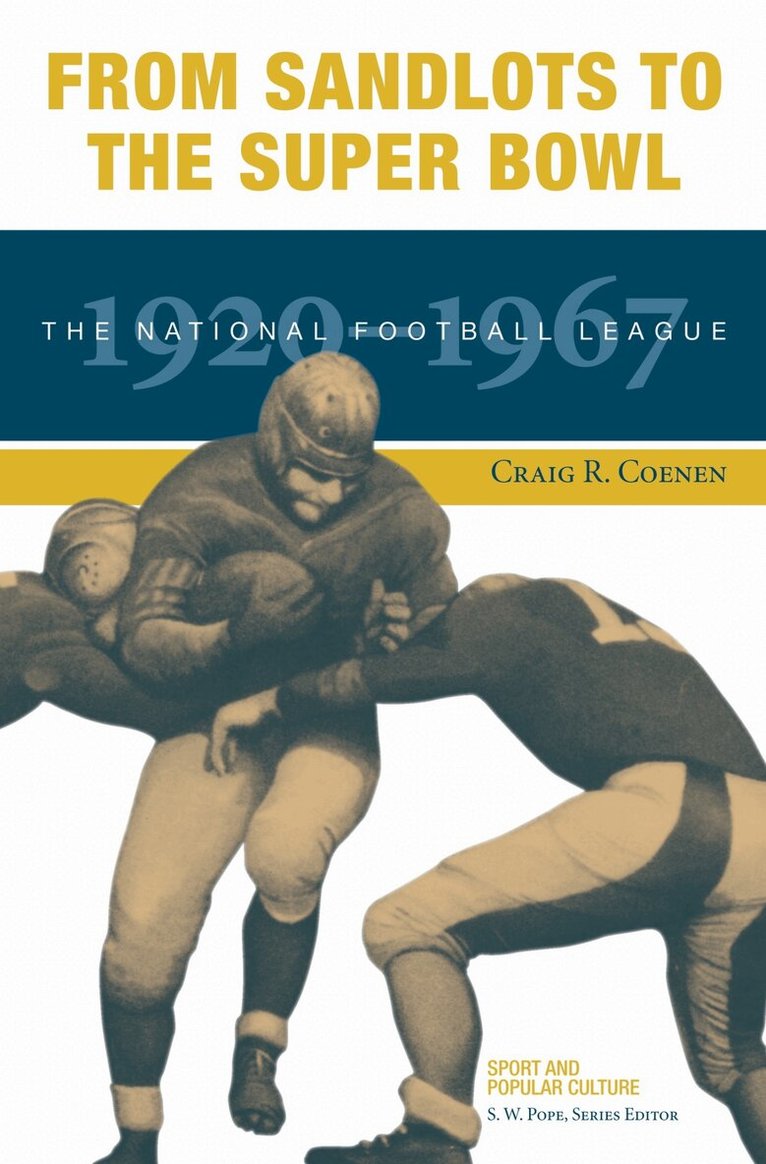
The National Football League that celebrated its first Super Bowl in 1967 bore scant resemblance to the league of its obscure origins. In its earliest years, the league was a ragtag collection of locally supported small-town teams that generated attention only in the locales in which they played, if they were lucky. Many teams received no support at all. Only after enduring a slow, often treacherous, journey did the enterprise of professional football reach its position as the king of the sports world by the late 1960s.In From Sandlots to the Super Bowl, Craig R. Coenen recounts the NFL’s ascension from a cash-strapped laughingstock to a perennial autumn obsession for millions of sports fans. It offers an in-depth summary of the NFL’s early years and its struggles to build an identity. This book shows how the fledgling NFL of the 1920s and 1930s attempted to build support both on a local and national scale. Considered a sport of hooligans and lower-class athletes, professional football paled in comparison to the reputations of competing sports such as college football and professional baseball. Even more difficult for the league, developing civic support for franchises proved an almost impossible task. Teams would spring up and disappear overnight, generating hardly any notice among sports fans.Coenen shows how the league’s survival depended on small town franchises being able to tap into the civic pride and larger economic interests of nearby, growing urban centers. This book also details how the league faced challenges from rival leagues, the government, and at times, itself. Finally, it documents how the NFL mastered the use of new technologies like television to market itself, generate new revenue, and secure its financial future.This book approaches the history of the National Football League not only with stats and scores but with what happened beyond the gridiron. Starting in Canton and Massillon and ending in Los Angeles with Super Bowl I, From Sandlots to the Super Bowl offers an entertaining and absorbing look at the first five decades of America’s most popular professional sport.
595 kr
Skickas inom 10-15 vardagar
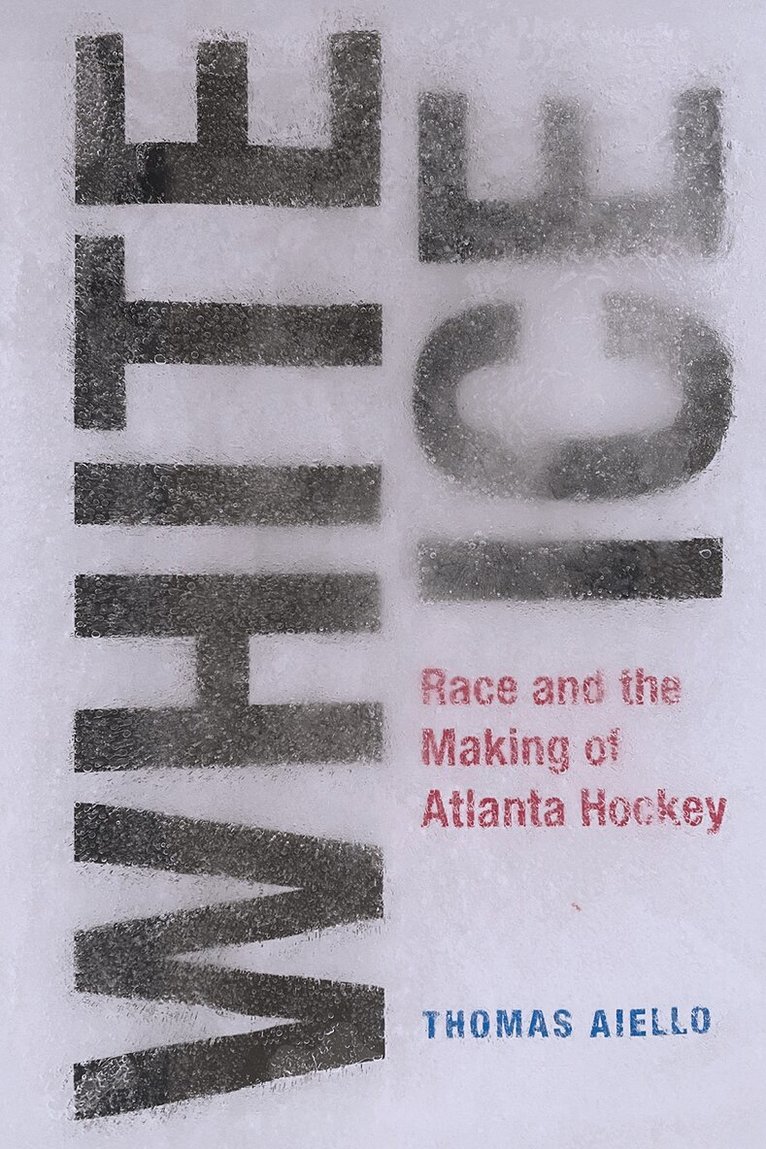
Having skyrocketed from six to fourteen teams between 1966 and 1970, leaders of the National Hockey League had planned to wait a few more years before expanding any further. But as its rivalry with the World Hockey Association intensified, competition for markets rose, and the race for continued expansion became too urgent to ignore. Not to be outdone, the NHL introduced two new teams in 1971: one in Long Island, New York, and one in Atlanta, Georgia.For its own part, Atlanta had been watching as White residents left the city for the suburbs over the course of the 1960s. As the turn of the decade approached, city leadership was searching for ways to mitigate white flight and bring residents of the surrounding suburbs back to the city center. So when a stereotypically White sport came to the Deep South in 1971 in the form of the Atlanta Flames, ownership saw a new opportunity to appeal to White audiences.But the challenge would be selling a game that was foreign to most of Atlanta’s longtime sports fans.Filling a significant gap in scholarly literature concerning race and hockey within US history, White Ice: Race and the Making of Atlanta Hockey is a response to two simple questions: How did a cold-climate sport like hockey end up in a majority Black city in the Deep South? And why did it come when it did? Over seven chronological chapters, Thomas Aiello unpacks the history, culture, and context surrounding these questions, teasing out what the story of the Atlanta Flames can teach us about the NHL, Atlanta, race, and the business of professional sports expansion.
338 kr
Skickas inom 10-15 vardagar
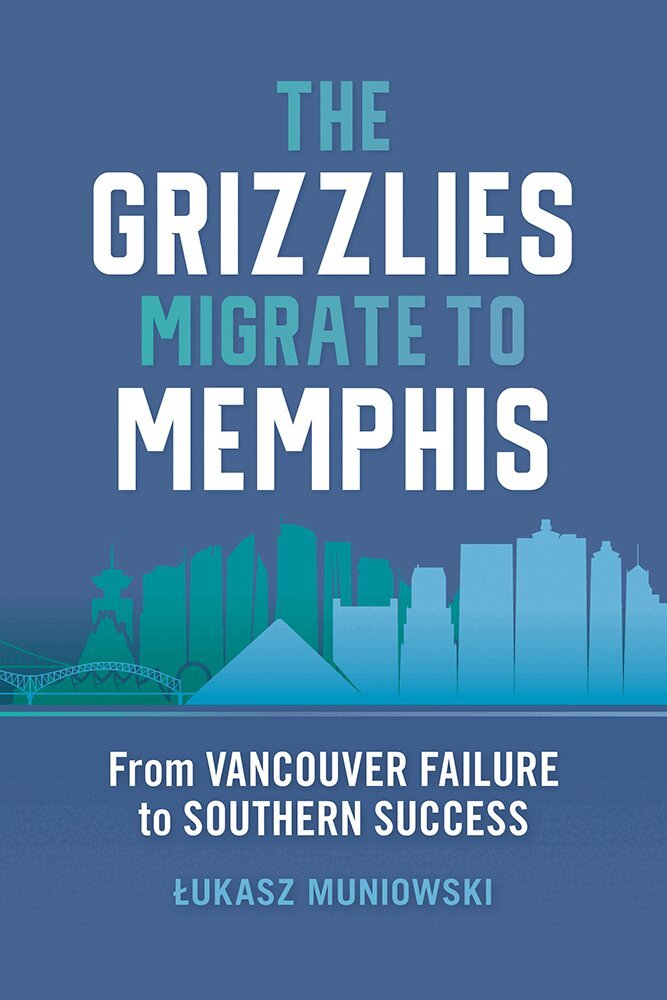
Following the 1992 Olympics in Barcelona and the success and celebrity of the Dream Team, the NBA became a global sensation. Around the same time, and despite ardent warnings from his parents, Arthur Griffiths purchased an NBA team that would become the expansion Vancouver Grizzlies. Who better to restore the Dream City, he thought, than the NBA?Expansion franchises went to Vancouver and Toronto—the Canadian cities of choice as the NBA grew its international brand. But while Toronto thrived under the rising star of Vince Carter, Vancouver floundered under serial mismanagement. Six seasons wasted, the Grizzlies relocated to Memphis, where they clawed their way to victories both on the court and in the hearts of the city’s eager fanbase. More than two decades later, the Memphis Grizzlies continue to win, claiming NBA records for defeating, as an eight-seed club, the one-seed San Antonio Spurs in the 2011 playoffs (only the fourth franchise to have done so) and for defeating, in 2021, the Oklahoma City Thunder 152–73, the largest margin of victory in NBA history.So why did the NBA fail in Vancouver but thrive in Memphis? This is the question Łukasz Muniowski seeks to answer in The Grizzlies Migrate to Memphis: From Vancouver Failure to Southern Success. In his pursuit, he explores how the Vancouver Grizzlies came to be, the team’s evolution and eventual relocation to Memphis, the success the Grizzlies found there, and the differences between the two phases of this NBA franchise.Rooted strongly in media coverage of the Grizzlies franchise in both Vancouver and Memphis, The Grizzlies Migrate to Memphis offers a thoughtful blend of storytelling and analysis that will interest scholars and NBA enthusiasts alike.
334 kr
Skickas inom 10-15 vardagar
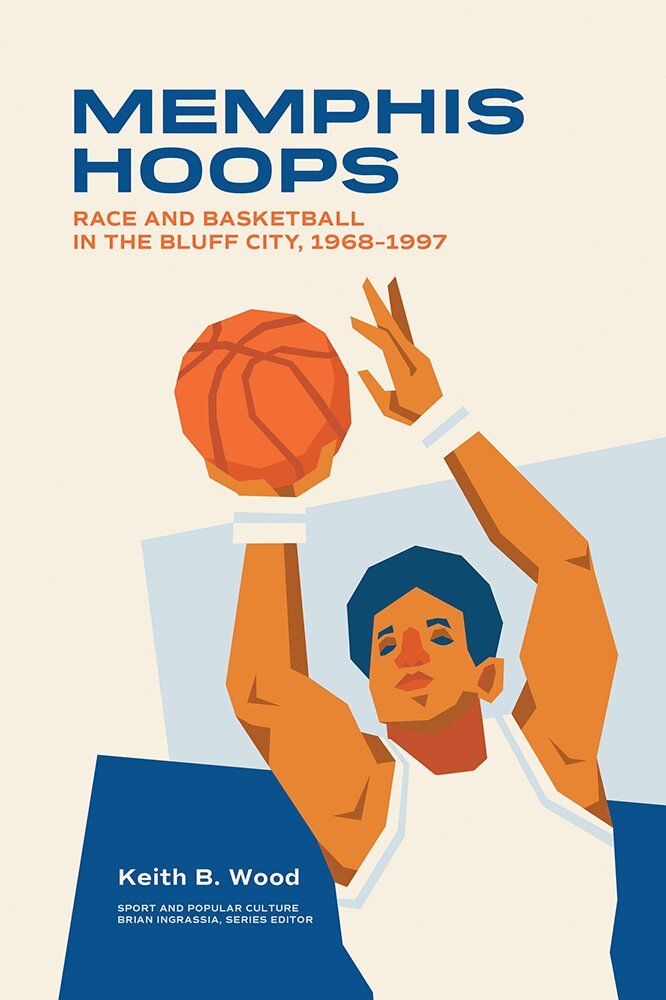
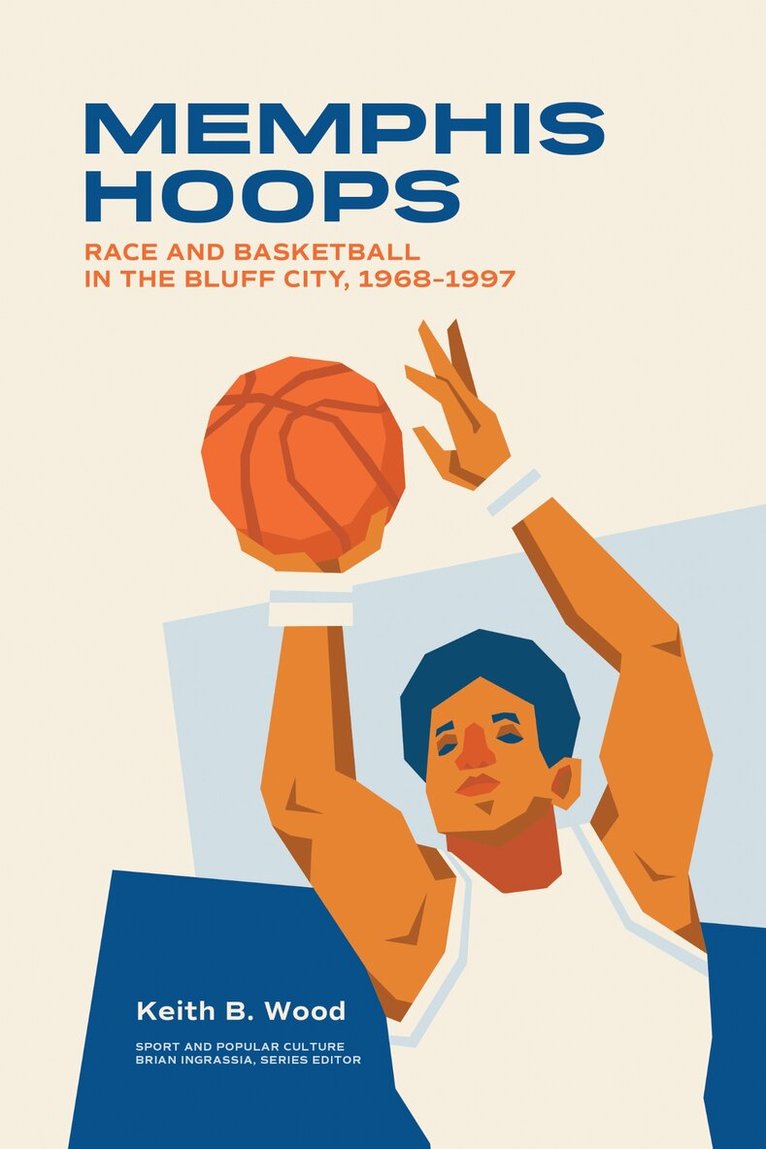
Memphis Hoops tells the story of basketball in Tennessee’s southwestern-most metropolis following the 1968 assassination of Martin Luther King Jr. Keith Brian Wood examines the city through the lens of the Memphis State University basketball team and its star player-turned-coach Larry Finch. Finch, a Memphis native and the first highly recruited black player signed by Memphis State, helped the team make the 1973 NCAA championship game in his senior year. In an era when colleges in the south began to integrate their basketball programs, the city of Memphis embraced its flagship university’s shift toward including black players. Wood interjects the forgotten narrative of LeMoyne-Owen’s (the city’s HBCU) 1975 NCAA Division III National Championship team as a critical piece to understanding this era. Finch was drafted by the Lakers following the 1973 NCAA championship but instead signed with the American Basketball Association’s Memphis Tams. After two years of playing professionally, Finch returned to the sidelines as a coach and would eventually become the head coach of the Memphis State Tigers. Wood deftly weaves together basketball and Memphis’s fraught race relations during the post–civil rights era. While many Memphians viewed the 1973 Tigers’ championship run as representative of racial progress, Memphis as a whole continued to be deeply divided on other issues of race and civil rights. And while Finch was championed as a symbol of the healing power of basketball that helped counteract the city’s turbulence, many black players and coaches would discover that even its sports mirrored Memphis’s racial divide. Today, as another native son of Memphis, Penny Hardaway, has taken the reigns of the University of Memphis’s basketball program, Wood reflects on the question of progress in the city that saw King’s assassination little more than forty years ago. In this important examination of sports and civil rights history, Wood summons social memory from an all-too-recent past to present the untold—and unfinished—story of basketball in the Bluff City.
324 kr
Skickas inom 10-15 vardagar
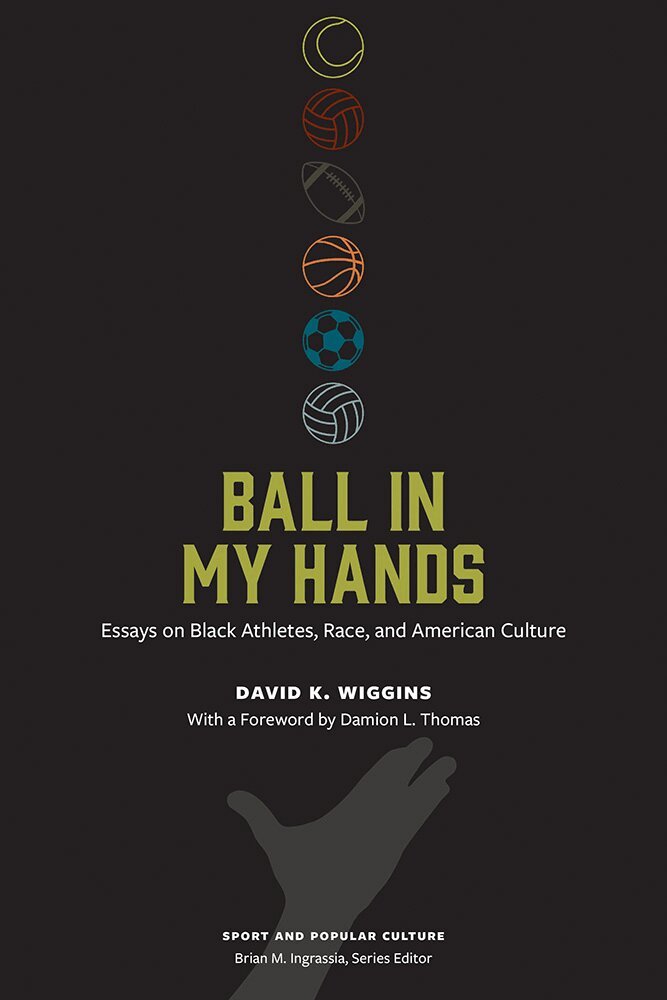
When David K. Wiggins released his first anthology of previously published essays on race and sport in 1997, African American athletes were receiving more popular interest and scholarly attention. The growth of sport history as an academic discipline, combined with an increased interest in Black life and history, had led to the publication of numerous biographies of African American athletes, studies on Negro League Baseball, and one survey text on the Black athletic experience, to name a few.Almost thirty years later, Wiggins’s second anthology is a comprehensive collection that examines the complex intersection of race, sport, and American culture, discussing the experiences, challenges, and victories of Black athletes throughout the twentieth century. Featuring eleven previously published essays, Ball in My Hands: Black Athletes, Race, and American Culture weaves storytelling and scholarly discussion together in its exploration of well-known figures like Olympic decathlon champion Milt Campbell, professional tennis icon Arthur Ashe, Olympic sprinter Vince Matthews, civil rights activist Harry Edwards, basketball legend Kobe Bryant, and more. In his final essay, Wiggins reflects on his experiences as a White scholar who has spent his forty-year academic career analyzing and writing about experiences of African Americans in sport and the interconnection among race, sport, and American culture.With an original introduction and a foreword from Damion L. Thomas, Museum Curator of Sports at the Smithsonian’s National Museum of African American History and Culture, Ball in My Hands is not simply a collection of biographies on individual athletes or write-ups on athletic institutions—rather, it offers a wide-ranging discussion of the history and meaning of African American sport that will engage not only scholars of African American history and sport history, but educators, sports enthusiasts, and general readers alike.