Studies in East Asian Buddhism – serie
Visar alla böcker i serien Studies in East Asian Buddhism. Handla med fri frakt och snabb leverans.
9 produkter
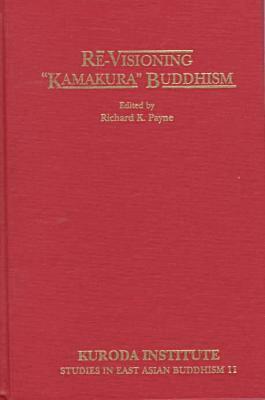
Re-visioning Kamakura Buddhism
Häftad, 1998
216 kr
Lägg i varukorg
This collection of essays forms an historiographical examination of various aspects of Japanese Buddhism during the Kamakura era. Aspects such as religious practice, literature and institutional history help to illustrate the complexity and richness of Buddhism during this era and as a whole.
Tsung-mi and the Sinification of Buddhism
Häftad, 2002
232 kr
Lägg i varukorg
This study of Tsung-mi is part of the Studies in East Asian Buddhism series. Author Peter Gregory makes extensive use of Japanese secondary sources, which complements his work on the complex Chinese materials that form the basis of the study.
Buddhism in the Sung
Av Daniel A. Getz Jr, Peter N. Gregory m. fl.
Häftad, 2002
218 kr
Lägg i varukorg
The study of Buddhism during the Sung Dynasty (960-1279) has lagged behind that of other periods of Chinese history. One reason for the neglect of this important aspect of Sung society is undoubtedly the tenacity of the view that the Sung marked the beginning of an inexorable decline of Buddhism in …
Original Enlightenment and the Transformation of Medieval Japanese Buddhism
Häftad, 2003
218 kr
Lägg i varukorg
Original enlightenment thought (hongaku shiso) dominated Buddhist intellectual circles throughout Japan’s medieval period. Enlightenment, this discourse claims, is neither a goal to be achieved nor a potential to be realized but the true status of all things. Every animate and inanimate object …
""Scripture on the Ten Kings"" and the Making of Purgatory in Medieval Chinese Buddhism
Häftad, 2003
218 kr
Lägg i varukorg
An examination of medieval Chinese Buddhist thanatonic practices. Bridging area studies and the history of religions, Teiser explores the concerns, practices and beliefs of 9th- and 10th-century Chinese Buddhists.
Burning for the Buddha
Self-immolation in Chinese Buddhism
Inbunden, 2007
809 kr
Lägg i varukorg
Burning for the Buddha is the first book-length study of the theory and practice of ""abandoning the body"" (self-immolation) in Chinese Buddhism. It examines the hagiographical accounts of all those who made offerings of their own bodies and places them in historical, social, cultural, and …
Coming to Terms with Chinese Buddhism
A Reading of the Treasure Store Treatise
Häftad, 2005
218 kr
Lägg i varukorg
Re-Visioning “Kamakura“ Buddhism
Inbunden, 1998
774 kr
Tillfälligt slut
This collection of essays forms an historiographical examination of various aspects of Japanese Buddhism during the Kamakura era. Aspects such as religious practice, literature and institutional history help to illustrate the complexity and richness of Buddhism during this era and as a whole.