Studies in Eighteenth-Century America and the Atlantic World – serie
Visar alla böcker i serien Studies in Eighteenth-Century America and the Atlantic World. Handla med fri frakt och snabb leverans.
19 produkter
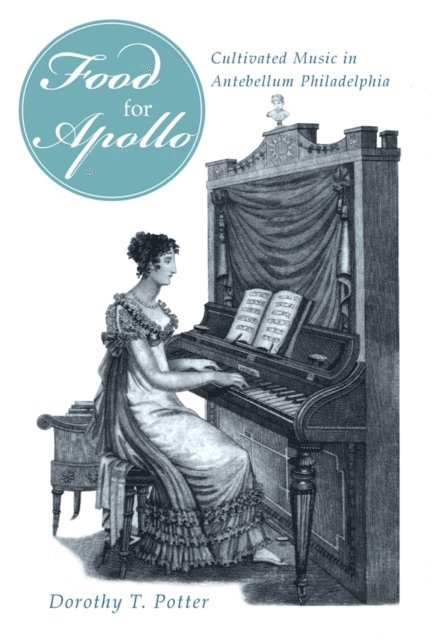
'Food for Apollo'
Cultivated Music in Antebellum Philadelphia
E-bok, 2011
1127 kr
Lägg i varukorg
Food for Apollo by Dorothy Potter, describes and evaluates the growth and scope of cultivated music in Philadelphia, from the early eighteenth-century to the advent of the Civil War. In many works dealing with American culture, discussion of music''s influence is limited to a few significant …
Founding Friends
Families, Staff, And Patients at the Friends Asylum in Early Nineteenth-century Philadelphia
Inbunden, 2006
1157 kr
Lägg i varukorg
Founding Friends is a history of day-to-day life inside the Friends Asylum for the Insane in early nineteenth-century Philadelphia. By building on an extraordinarily rich data source—the daily diaries that the asylum’s lay superintendents kept between 1814 and 1850—this book offers a new …
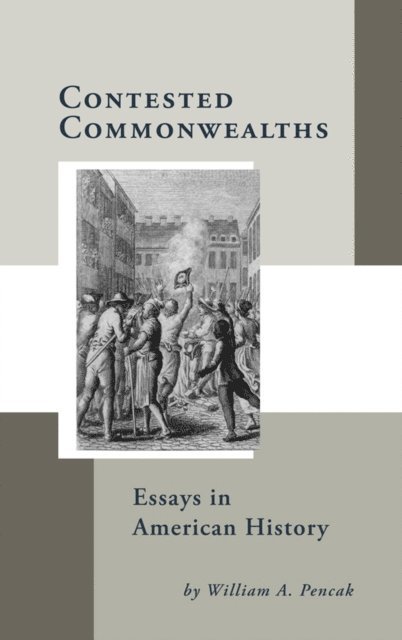
Contested Commonwealths
Essays in American History
E-bok, 2011
1470 kr
Lägg i varukorg
United States historian William Pencak here collects thirteen of his essays, written beginning in 1976. Some deal with colonial and revolutionary crowds and communities in Massachusetts—the impressment riot of 1747, the popular uprisings of the 1760s and 1770s, and Shays'' Rebellion. Others discuss …
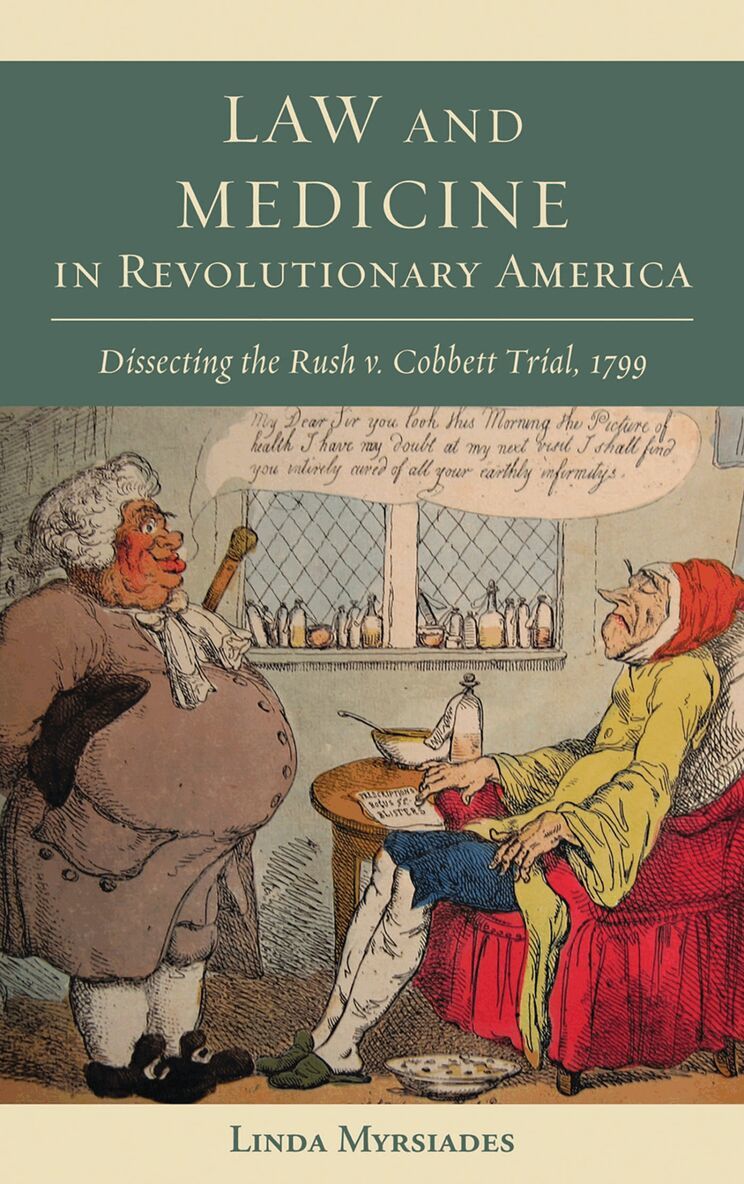
Law and Medicine in Revolutionary America
Dissecting the Rush v. Cobbett Trial, 1799
Inbunden, 2012
1458 kr
Lägg i varukorg
Law and Medicine in Revolutionary America: Dissecting the Rush v. Cobbett Trial, 1799 offers the first deep analysis of the most important libel trial in post-revolutionary America and an approach to understanding a much-studied revolutionary figure, Benjamin Rush, in a new light as a legal …
Law and Medicine in Revolutionary America
Dissecting the Rush v. Cobbett Trial, 1799
E-bok, 2012
1605 kr
Lägg i varukorg
Law and Medicine in Revolutionary America: Dissecting the Rush v. Cobbett Trial, 1799 offers the first deep analysis of the most important libel trial in post-revolutionary America and an approach to understanding a much-studied revolutionary figure, Benjamin Rush, in a new light as a legal …
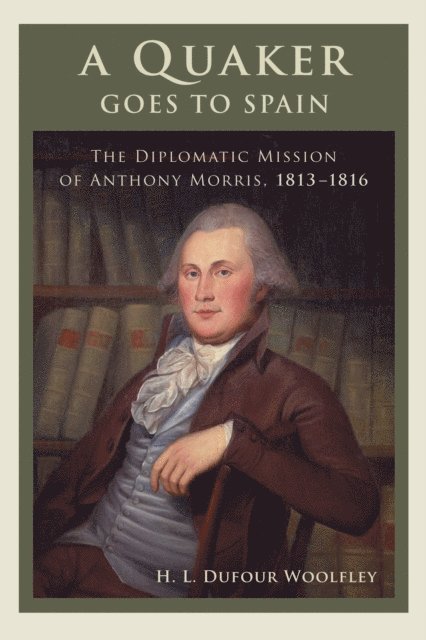
Quaker Goes to Spain
The Diplomatic Mission of Anthony Morris, 1813–1816
E-bok, 2013
827 kr
Lägg i varukorg
In the summer of 1813, as war with Britain intensified, President James Madison secretly dispatched an envoy to the Regency government of Spain with the urgent goal of thwarting a feared British bid to use Spanish Florida as a base from which to attack the United States, and with the further hope …
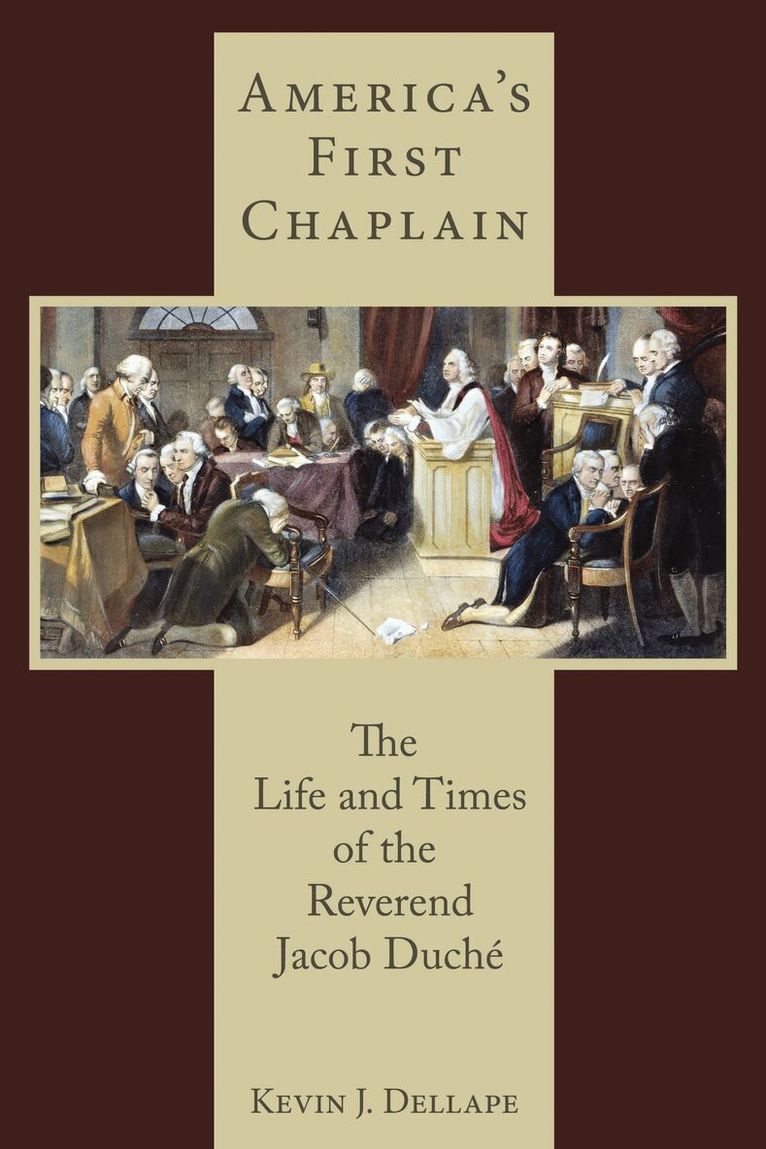
America's First Chaplain
The Life and Times of the Reverend Jacob Duché
Inbunden, 2013
1353 kr
Lägg i varukorg
America’s First Chaplain is a biography of the life of Philadelphia’s Jacob Duché, the Anglican minister who offered the most famous prayer and wrote one of the most infamous letters of the American Revolution. For the prayer to open the First Continental Congress, Duché was declared a national …
America's First Chaplain
The Life and Times of the Reverend Jacob Duché
E-bok, 2013
1395 kr
Lägg i varukorg
America’s First Chaplain is a biography of the life of Philadelphia’s Jacob Duché, the Anglican minister who offered the most famous prayer and wrote one of the most infamous letters of the American Revolution. For the prayer to open the First Continental Congress, Duché was declared a national …
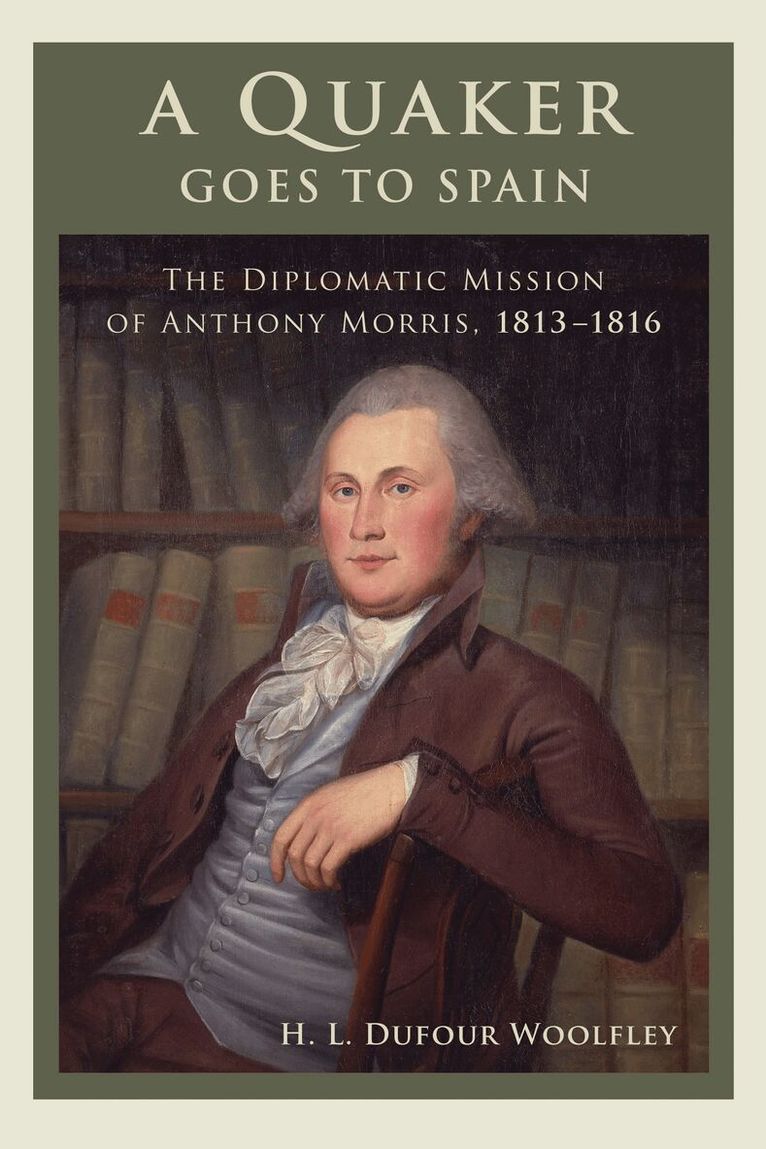
Quaker Goes to Spain
The Diplomatic Mission of Anthony Morris, 1813–1816
Häftad, 2015
755 kr
Lägg i varukorg
In the summer of 1813, as war with Britain intensified, President James Madison secretly dispatched an envoy to the Regency government of Spain with the urgent goal of thwarting a feared British bid to use Spanish Florida as a base from which to attack the United States, and with the further hope …
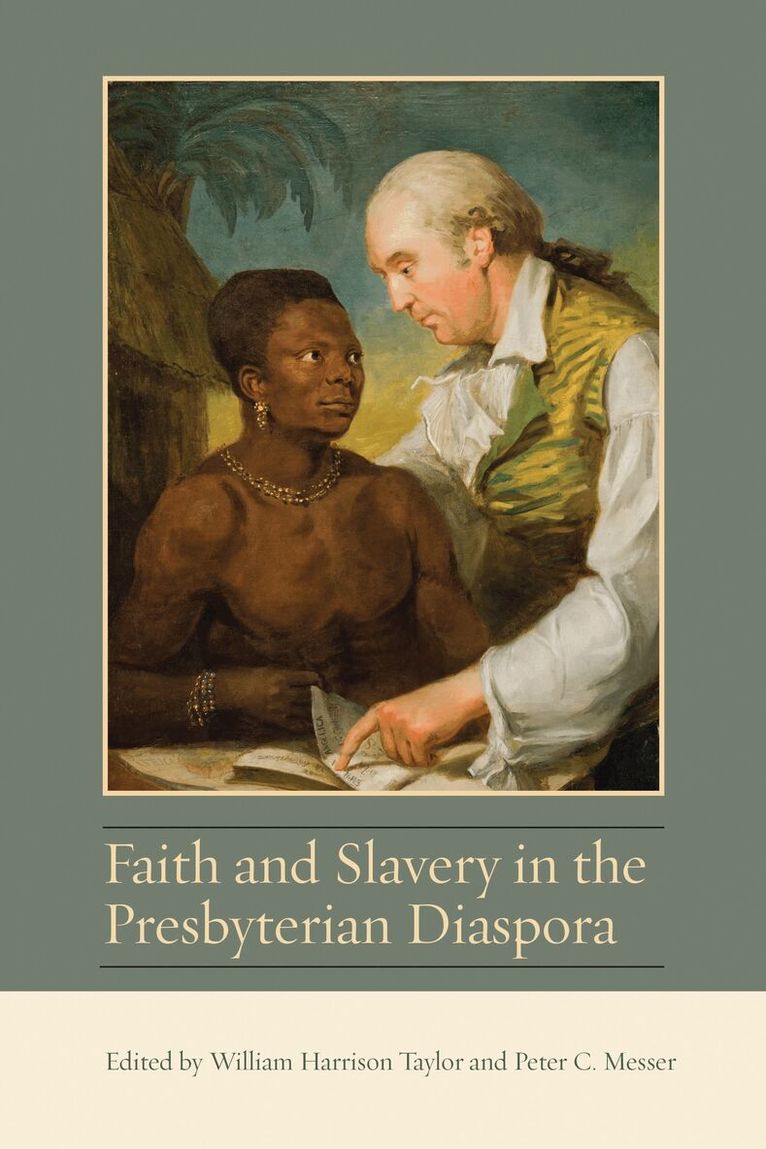
Faith and Slavery in the Presbyterian Diaspora
Av William Harrison Taylor, Peter C. Messer
Inbunden, 2016
1275 kr
Lägg i varukorg
Faith and Slavery in the Presbyterian Diaspora considers how, in areas as diverse as the New Hebrides, Scotland, the United States, and East Central Africa, men’s and women’s shared Presbyterian faith conditioned their interpretations of and interactions with the institution of chattel slavery. The …
Faith and Slavery in the Presbyterian Diaspora
Av William Harrison Taylor, Peter C. Messer
E-bok, 2016
1613 kr
Lägg i varukorg
Faith and Slavery in the Presbyterian Diaspora considers how, in areas as diverse as the New Hebrides, Scotland, the United States, and East Central Africa, men’s and women’s shared Presbyterian faith conditioned their interpretations of and interactions with the institution of chattel slavery. The …
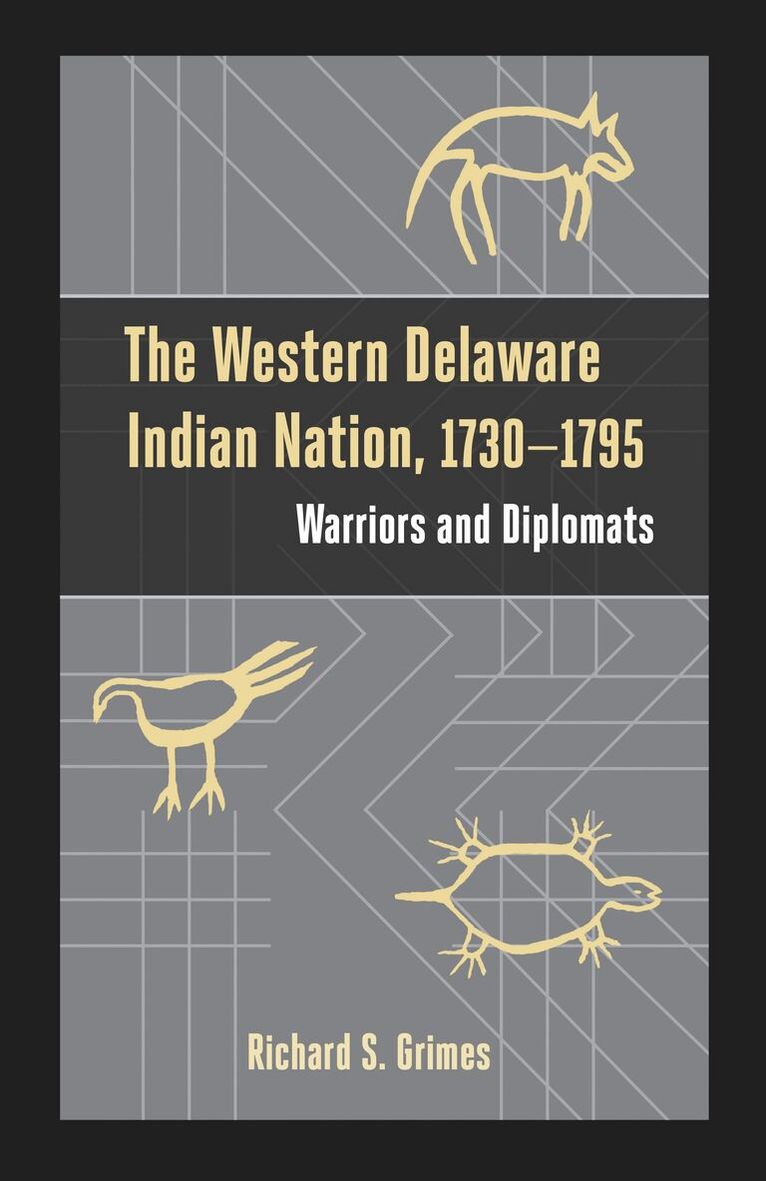
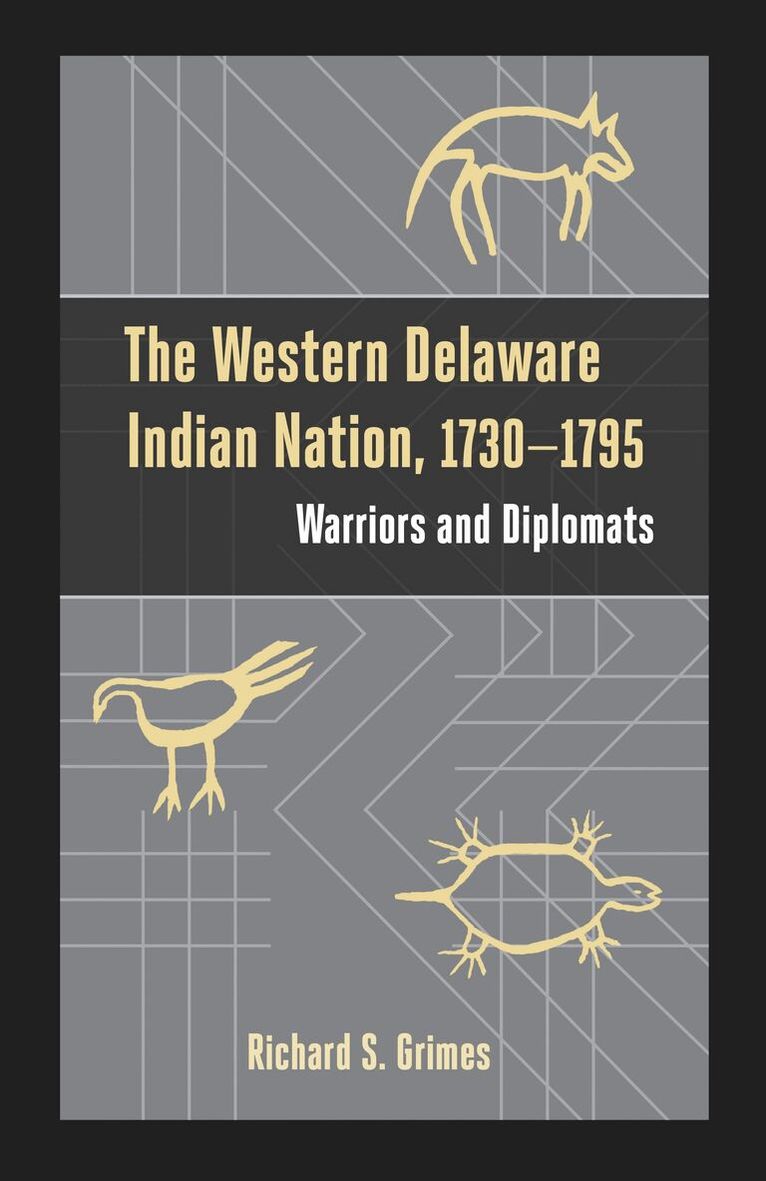
Western Delaware Indian Nation, 1730–1795
Warriors and Diplomats
Inbunden, 2017
1603 kr
Lägg i varukorg
During the early eighteenth century, three phratries or tribes (Turtle, Turkey, and Wolf) of Delaware Indians left their traditional homeland in the Delaware River watershed and moved west to the Allegheny Valley of western Pennsylvania and eventually across the Ohio River into the Muskingum River …
Western Delaware Indian Nation, 1730–1795
Warriors and Diplomats
E-bok, 2017
660 kr
Lägg i varukorg
During the early eighteenth century, three phratries or tribes (Turtle, Turkey, and Wolf) of Delaware Indians left their traditional homeland in the Delaware River watershed and moved west to the Allegheny Valley of western Pennsylvania and eventually across the Ohio River into the Muskingum River …
Western Delaware Indian Nation, 1730–1795
Warriors and Diplomats
Häftad, 2020
616 kr
Lägg i varukorg
During the early eighteenth century, three phratries or tribes (Turtle, Turkey, and Wolf) of Delaware Indians left their traditional homeland in the Delaware River watershed and moved west to the Allegheny Valley of western Pennsylvania and eventually across the Ohio River into the Muskingum River …
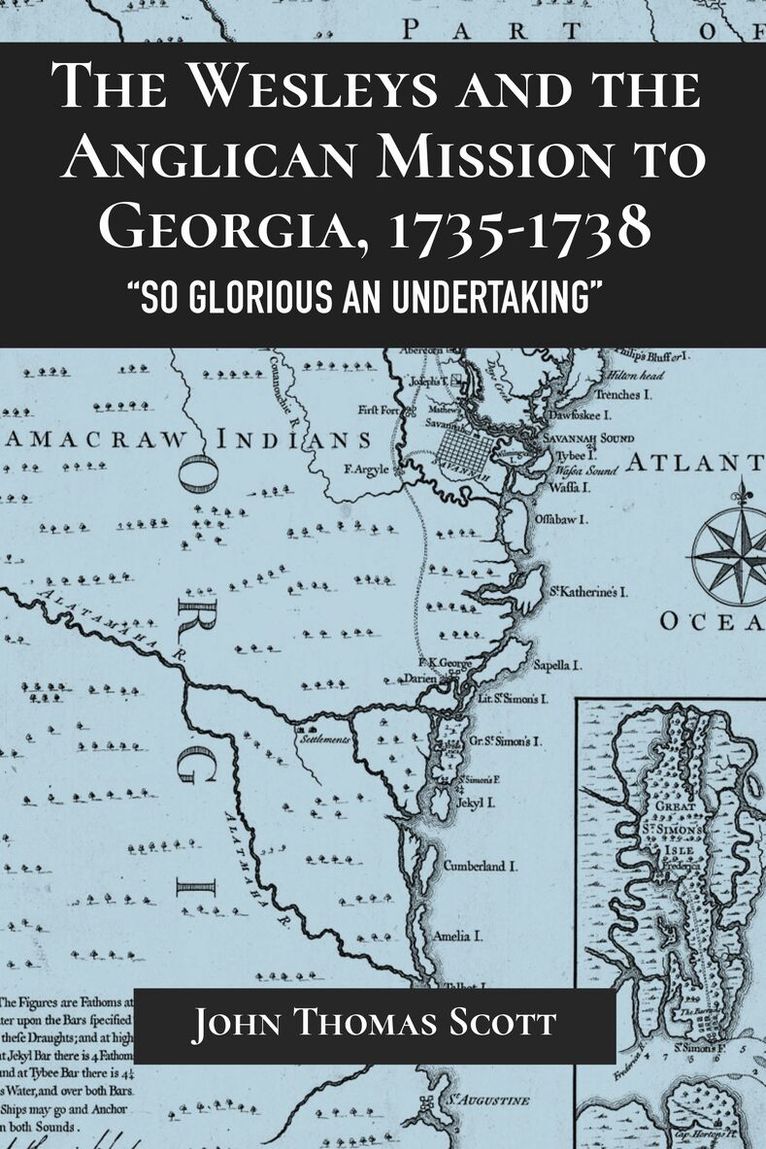
Wesleys and the Anglican Mission to Georgia, 1735–1738
"So Glorious an Undertaking"
Inbunden, 2020
1697 kr
Lägg i varukorg
The Wesleys and the Anglican Mission to Georgia, 1735-1738 considers the fascinating early history of a small group of men commissioned by trustees in England to spread Protestantism both to new settlers and indigenous people living in Georgia. Four minister-missionaries arrived in 1736, but after …
Wesleys and the Anglican Mission to Georgia, 1735–1738
"So Glorious an Undertaking"
E-bok, 2020
1830 kr
Lägg i varukorg
The Wesleys and the Anglican Mission to Georgia, 1735-1738 considers the fascinating early history of a small group of men commissioned by trustees in England to spread Protestantism both to new settlers and indigenous people living in Georgia. Four minister-missionaries arrived in 1736, but after …
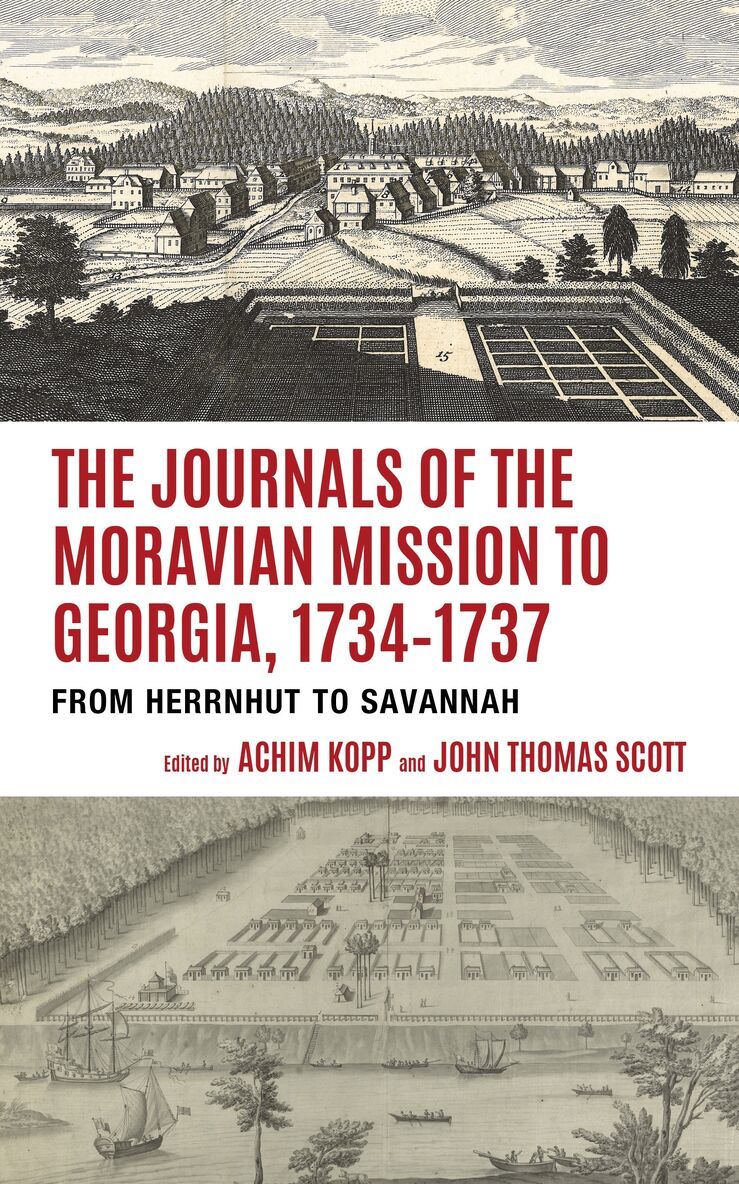
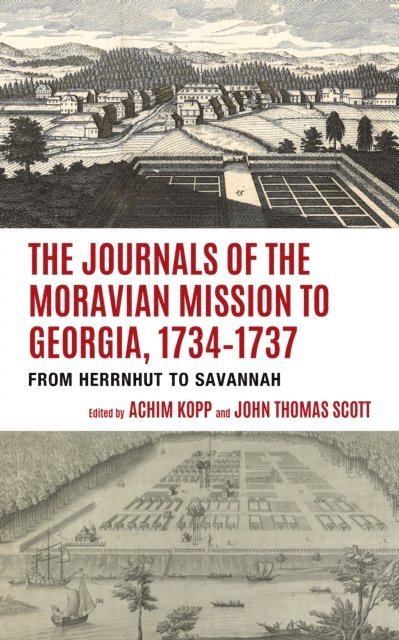
Journals of the Moravian Mission to Georgia, 1734–1737
From Herrnhut to Savannah
Av Achim Kopp, John Thomas Scott
Inbunden, 2023
1428 kr
Lägg i varukorg
This book offers the first English translation of journals written by four leading figures in the Moravian Church who spent time in the British colony of Georgia between 1735 and 1737. Authored by August Gottlieb Spangenberg, David Nitschmann, Johann Töltschig, and Johann Andreas Dober, these …
Journals of the Moravian Mission to Georgia, 1734–1737
From Herrnhut to Savannah
Av Achim Kopp, John Thomas Scott
E-bok, 2023
1538 kr
Lägg i varukorg
This book offers the first English translation of journals written by four leading figures in the Moravian Church who spent time in the British colony of Georgia between 1735 and 1737. Authored by August Gottlieb Spangenberg, David Nitschmann, Johann Töltschig, and Johann Andreas Dober, these …
Reading the West Indies
Empire, Slavery, and the Novel
Inbunden, 2028
1383 kr
Kommande
At the center of some of the most influential literature of the eighteenth-century Atlantic world, the Caribbean influenced and shaped the development of modern genres of the novel familiar to us to this day.Exploring the intersection of British Atlantic modernity and the transatlantic novel in the …