Peter C. Messer – författare
Visar alla böcker från författaren Peter C. Messer. Handla med fri frakt och snabb leverans.
3 produkter
3 produkter
1 103 kr
Läs direkt efter köp
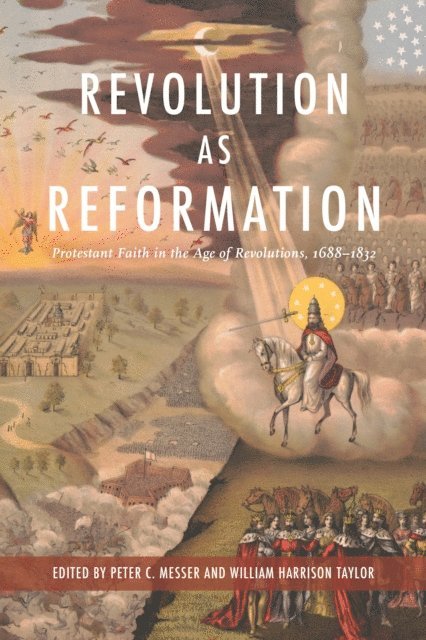
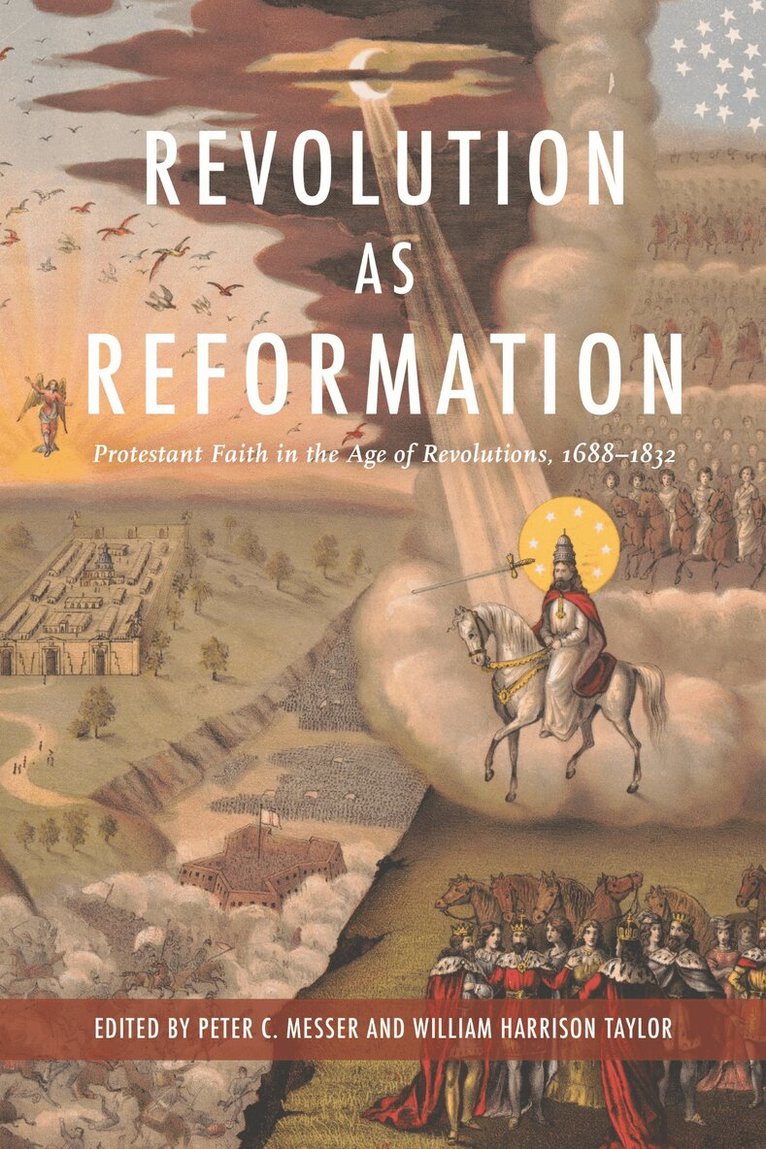
Essays that explore how Protestants responded to the opportunities and perils of revolution in the transatlantic age Revolution as Reformation: Protestant Faith in the Age of Revolutions, 1688–1832 highlights the role that Protestantism played in shaping both individual and collective responses to revolution. These essays explore the various ways that the Protestant tradition, rooted in a perpetual process of recalibration and reformulation, provided the lens through which Protestants experienced and understood social and political change in the Age of Revolutions. In particular, they call attention to how Protestants used those changes to continue or accelerate the Protestant imperative of refining their faith toward an improved vision of reformed religion. The editors and contributors define faith broadly: they incorporate individuals as well as specific sects and denominations, and as much of “life experience” as possible, not just life within a given church. In this way, the volume reveals how believers combined the practical demands of secular society with their personal faith and how, in turn, their attempts to reform religion shaped secular society. The wide-ranging essays highlight the exchange of Protestant thinkers, traditions, and ideas across the Atlantic during this period. These perspectives reveal similarities between revolutionary movements across and around the Atlantic. The essays also emphasize the foundational role that religion played in people’s attempts to make sense of their world, and the importance they placed on harmonizing their ideas about religion and politics. These efforts produced novel theories of government, encouraged both revolution and counterrevolution, and refined both personal and collective understandings of faith and its relationship to society.
Inbunden, Engelska, 2016
1 256 kr
Skickas inom 10-15 vardagar
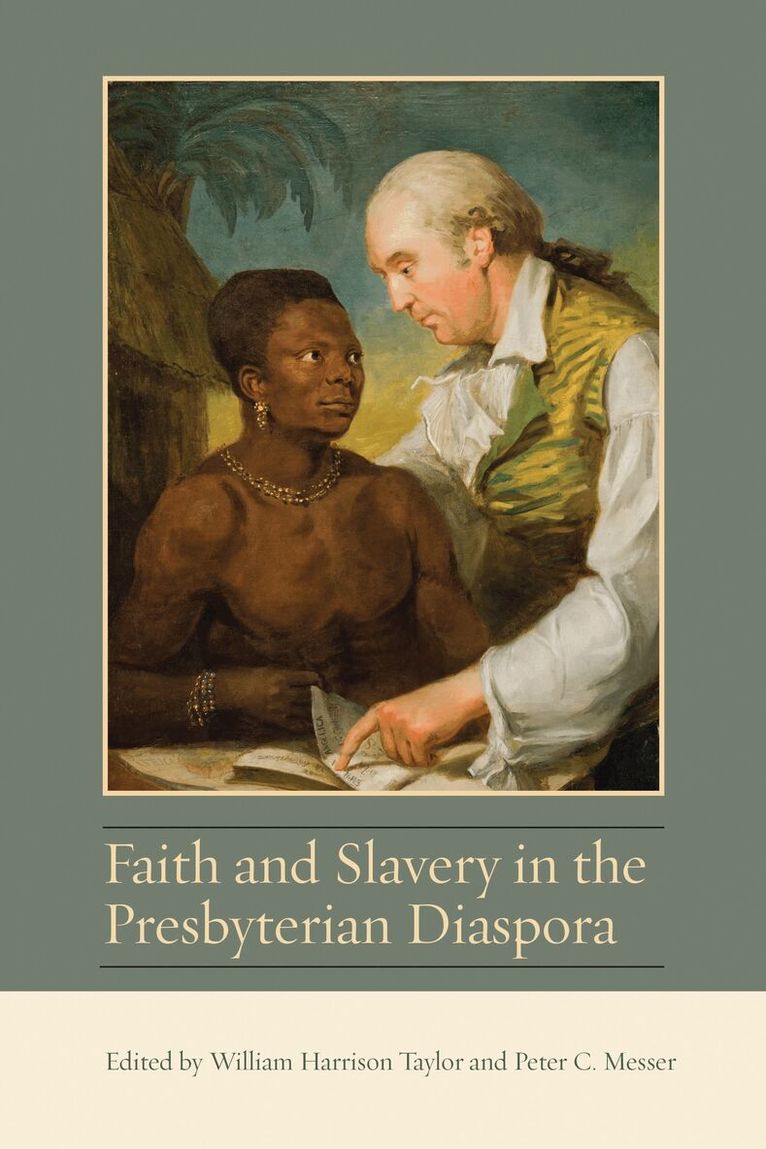
Faith and Slavery in the Presbyterian Diaspora considers how, in areas as diverse as the New Hebrides, Scotland, the United States, and East Central Africa, men’s and women’s shared Presbyterian faith conditioned their interpretations of and interactions with the institution of chattel slavery. The chapters highlight how Presbyterians’ reactions to slavery –which ranged from abolitionism, to indifference, to support—reflected their considered application of the principles of the Reformed Tradition to the institution. Consequently, this collection reveals how the particular ways in which Presbyterians framed the Reformed Tradition made slavery an especially problematic and fraught issue for adherents to the faith. Faith and Slavery, by situating slavery at the nexus of Presbyterian theology and practice, offers a fresh perspective on the relationship between religion and slavery. It reverses the all too common assumption that religion primarily served to buttress existing views on slavery, by illustrating how groups’ and individuals reactions to slavery emerged from their understanding of the Presbyterian faith. The collection’s geographic reach—encompassing the experiences of people from Europe, Africa, America, and the Pacific—filtered through the lens of Presbyterianism also highlights the global dimensions of slavery and the debates surrounding it. The institution and the challenges it presented, Faith and Slavery stresses, reflected less the peculiar conditions of a particular place and time, than the broader human condition as people attempt to understand and shape their world.
E-bok
Engelska, 20161 566 kr
Läs direkt efter köp
Faith and Slavery in the Presbyterian Diaspora considers how, in areas as diverse as the New Hebrides, Scotland, the United States, and East Central Africa, men’s and women’s shared Presbyterian faith conditioned their interpretations of and interactions with the institution of chattel slavery. The chapters highlight how Presbyterians’ reactions to slavery –which ranged from abolitionism, to indifference, to support—reflected their considered application of the principles of the Reformed Tradition to the institution. Consequently, this collection reveals how the particular ways in which Presbyterians framed the Reformed Tradition made slavery an especially problematic and fraught issue for adherents to the faith. Faith and Slavery, by situating slavery at the nexus of Presbyterian theology and practice, offers a fresh perspective on the relationship between religion and slavery. It reverses the all too common assumption that religion primarily served to buttress existing views on slavery, by illustrating how groups’ and individuals reactions to slavery emerged from their understanding of the Presbyterian faith. The collection’s geographic reach—encompassing the experiences of people from Europe, Africa, America, and the Pacific—filtered through the lens of Presbyterianism also highlights the global dimensions of slavery and the debates surrounding it. The institution and the challenges it presented, Faith and Slavery stresses, reflected less the peculiar conditions of a particular place and time, than the broader human condition as people attempt to understand and shape their world.