Studies in Netherlandish Art and Cultural History – serie
Visar alla böcker i serien Studies in Netherlandish Art and Cultural History. Handla med fri frakt och snabb leverans.
4 produkter
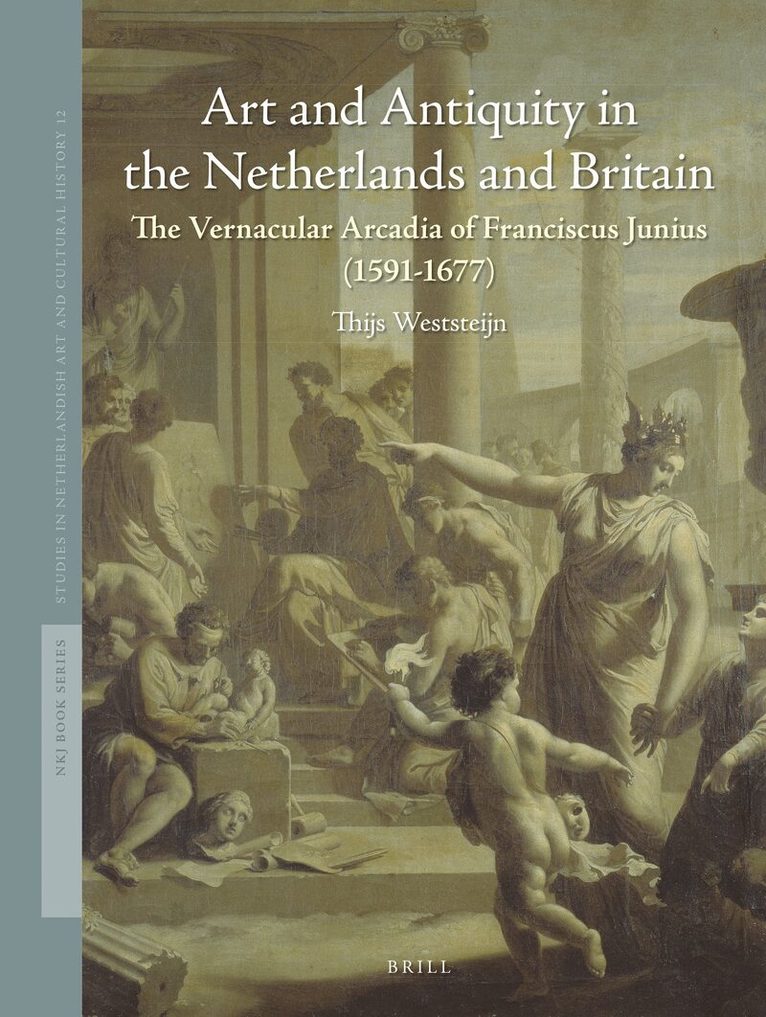
Art and Antiquity in the Netherlands and Britain
The Vernacular Arcadia of Franciscus Junius (1591–1677)
Inbunden, 2015
2794 kr
Lägg i varukorg
How did the classical tradition survive on the North Sea shores? This richly illustrated book explores the interplay between art and erudition in the seventeenth century. It analyses the sources, editions, and reception of Franciscus Junius’s writings to chart how ideas about Northern European …
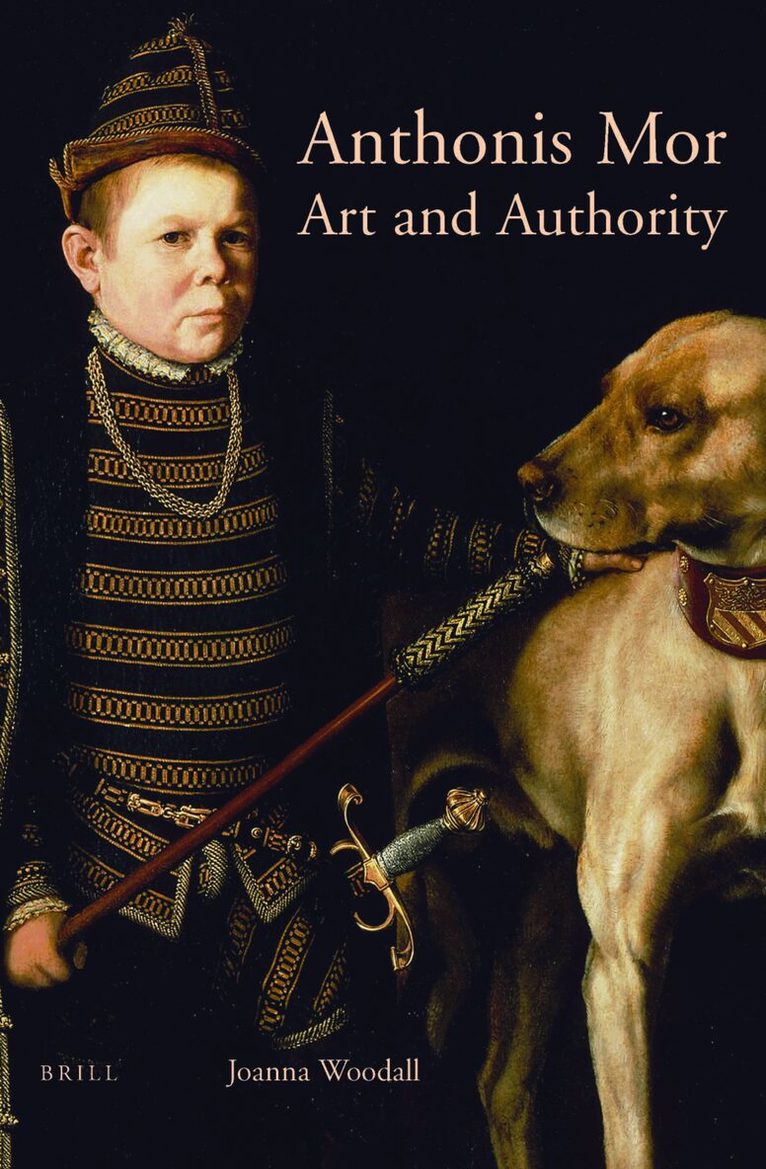
Anthonis Mor: Art and Authority
Häftad, 2016
1331 kr
Lägg i varukorg
'Painting contains a divine force which not only makes the absent present, as friendship is said to do, but moreover makes the dead seem almost alive.' Taking up Alberti's connection between divine power, mimesis and friendship, this study explores the artistry of the Utrecht portrait specialist …
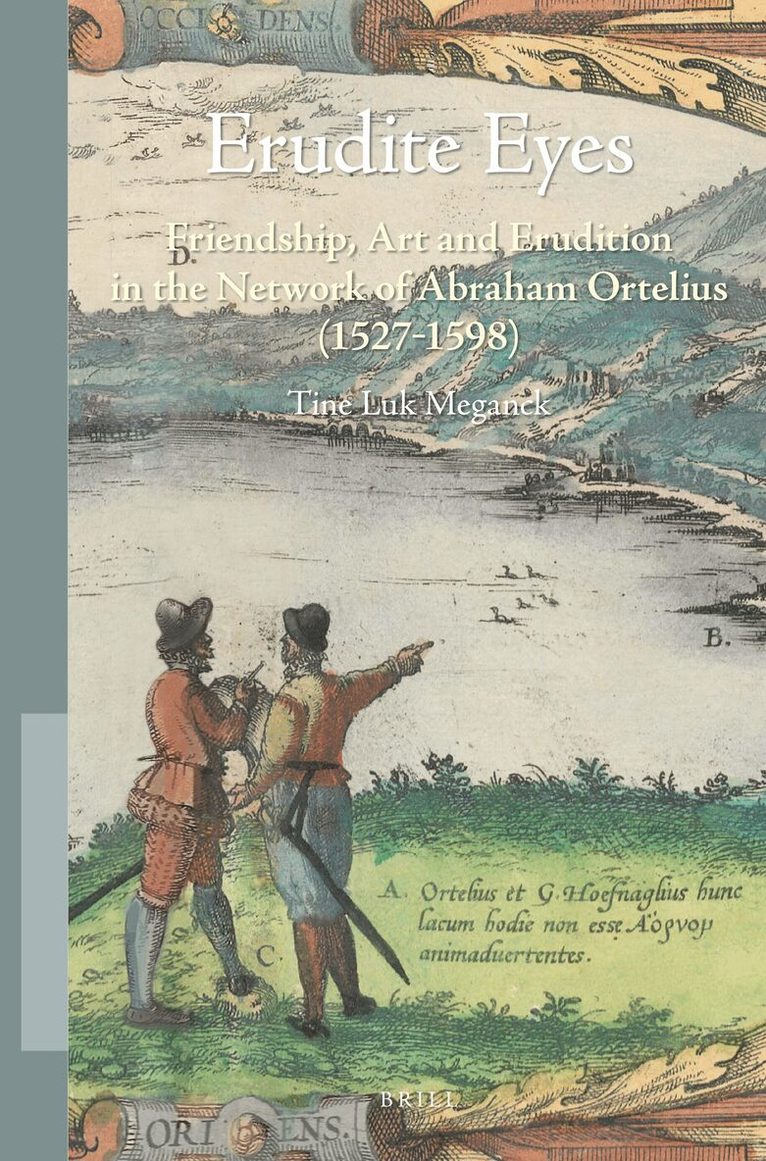
Erudite Eyes
Friendship, Art and Erudition in the Network of Abraham Ortelius (1527-1598)
Häftad, 2020
1197 kr
Lägg i varukorg
Erudite Eyes explores the network of the Antwerp cartographer Abraham Ortelius (1527-1598), a veritable trading zone of art and erudition. Populated by such luminaries as Pieter Bruegel, Joris Hoefnagel, Justus Lipsius and Benedictus Arias Montanus, among others, this vibrant antiquarian culture …
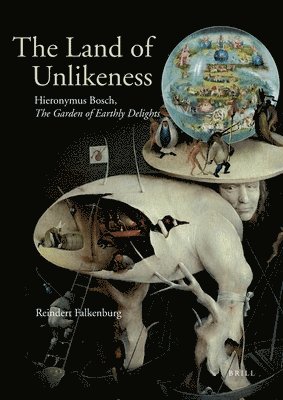
Land of Unlikeness
Hieronymus Bosch, The Garden of Earthly Delights
Häftad, 2022
1358 kr
Lägg i varukorg
Hieronymus Bosch's Garden of Earthly Delights is one of the most enigmatic paintings in the history of western art. Apart from a brief description by an eyewitness in 1517, there are no contemporary records that tell us anything about the original commission of the painting, its placement, function …