Supplements to the Memoirs of the American Academy in Rome – serie
Visar alla böcker i serien Supplements to the Memoirs of the American Academy in Rome. Handla med fri frakt och snabb leverans.
17 produkter
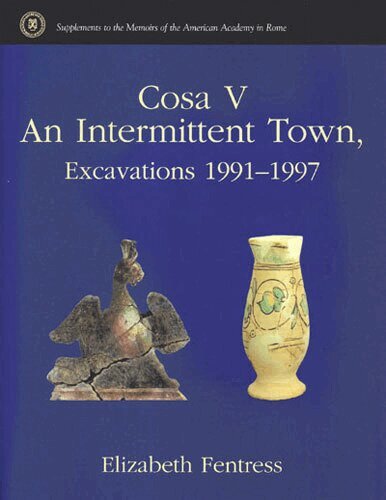
Cosa V
An Intermittent Town, Excavations 1991-1997
Inbunden, 2003
1509 kr
Lägg i varukorg
Since excavation began in 1948, the site of Cosa has become one of our most important sources on Roman colonization, urbanism, and daily life. These excavations illuminate every phase of the site's history, from the Republican and early imperial period, to a medieval castle destroyed in the 14th …
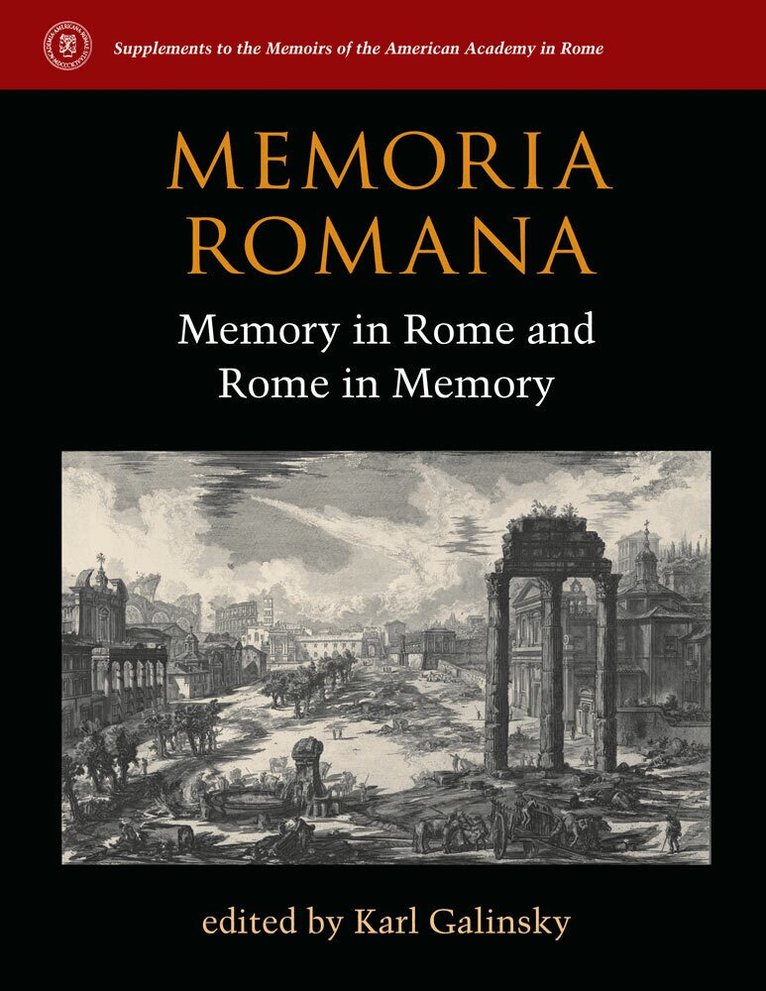
Memoria Romana
Memory in Rome and Rome in Memory
Inbunden, 2014
1448 kr
Lägg i varukorg
Concern with memory permeated Roman literature, history, rhetorical training, and art and architecture. This is the first book to look at the phenomenon from a variety of perspectives, including cognitive science. There is no orthodoxy in memory studies and the approaches are both empirical and …
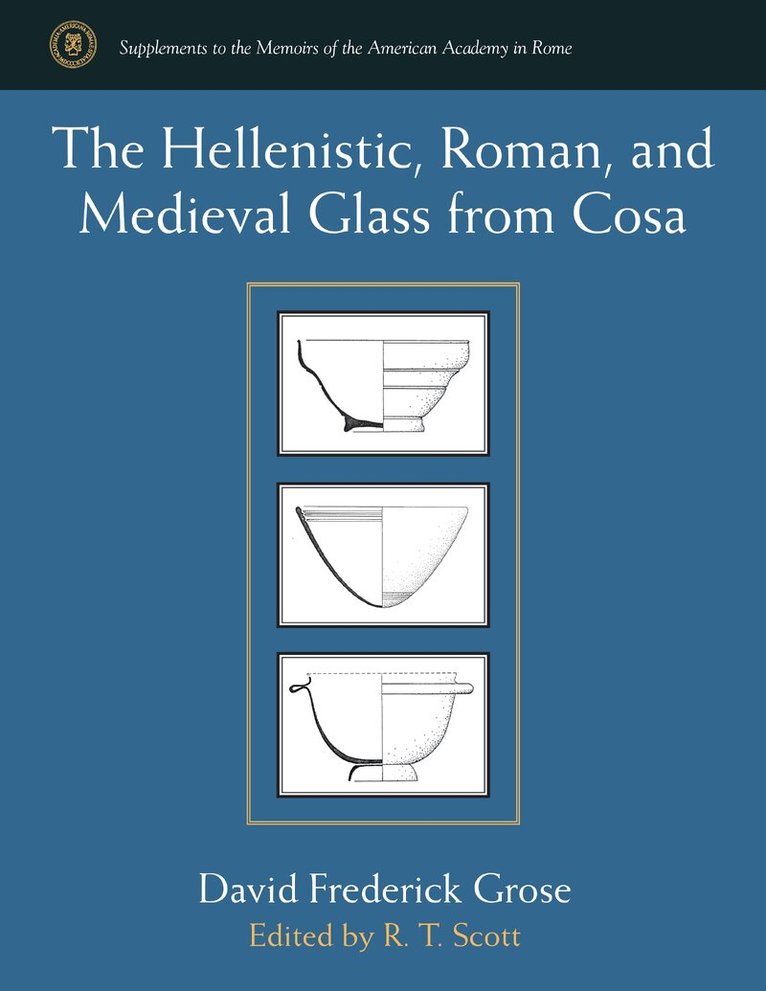
Hellenistic, Roman, and Medieval Glass from Cosa
Av David Frederick Grose, Russell Scott
Inbunden, 2017
1226 kr
Lägg i varukorg
The Hellenistic, Roman, and Medieval Glass from Cosa continues the exemplary record of publication by the American Academy in Rome on important classes of materials recovered in excavation from one of the principal archaeological sites of Roman Italy. Over 15,000 fragments of glass tableware, …
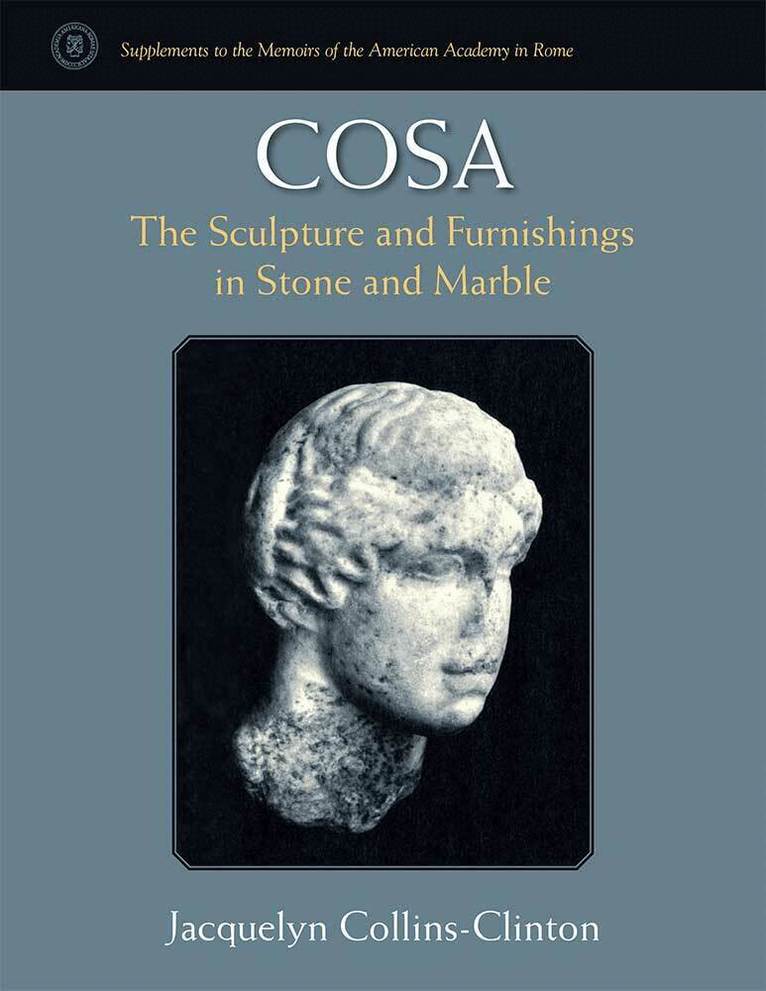
Cosa
The Sculpture and Furnishings in Stone and Marble
Inbunden, 2020
1792 kr
Lägg i varukorg
Cosa, a small Roman town, has been excavated since 1948 by the American Academy in Rome. This new volume presents the surviving sculpture and furniture in marble and other stones and examines their nature and uses. These artifacts provide an insight into not just life in a small Roman town but also …
Cosa III
The Buildings of the Forum: Colony, Municipium, and Village
Av Frank E. Brown, Emeline Richardson m. fl.
Inbunden, 1994
1309 kr
Tillfälligt slut
'The Memoirs of the American Academy in Rome' began in 1915 and were published almost annually, with the exception of the years of the two world wars. This volume demonstrates the Academy's dedication to the continuation of the series.
Cosa IV
The Houses
Av Vincent Bruno, Russell Scott
Inbunden, 1994
1377 kr
Tillfälligt slut
Cosa was a Latin colony founded by Rome in 273 B.C. in territory confiscated from the Etruscan city of Vulci. The fortification walls of the ancient town still dominate the coast some ninety miles north of Rome. The town itself became an agricultural and commercial center, whose trade can be traced …
Ancient Art of Emulation
Studies in Artistic Originality and Tradition from the Present to Classical Antiquity
Inbunden, 2002
1509 kr
Tillfälligt slut
This volume of essays examines the question of copying and other forms of artistic imitation and emulation in relation to Greek and Roman art, focusing particularly on sculpture and painting in the Roman period. It goes beyond recent studies of the subject in bringing to bear the views of early …
Cosa
The Italian Sigillata
Av Maria Teresa Marabini Moevs
Inbunden, 2006
1333 kr
Tillfälligt slut
This book details Maria Teresa Marabini Moevs's findings of Italian Sigillata pottery at the Cosa excavation site, an invaluable source of information on Roman colonization, urbanism, and daily life since excavation began in 1948. The exceptional external conditions at Cosa preserved archaeological …
Maritime World of Ancient Rome
Inbunden, 2008
1580 kr
Tillfälligt slut
It was not until the third century BCE that geopolitical realities beyond Italy forced Rome to recognize the importance of the sea to its own fate. Two centuries later, following the fall of Egypt in 30 BCE, Rome emerged as the dominant maritime power. Once in place, Rome's dominance of the sea …
Serpent and the Stylus
Essays on G. B. Piranesi
Av Heather Hyde Minor, Mario Bevilacqua m. fl.
Inbunden, 2007
1368 kr
Tillfälligt slut
Piranesi was an architect, engraver, antiquities restorer and dealer, draftsman, archaeologist, furniture and fireplace designer, author, and bookseller. His creations in paper and in stone garnered considerable renown in his own lifetime, allowing him to transform himself from a penniless son of a …
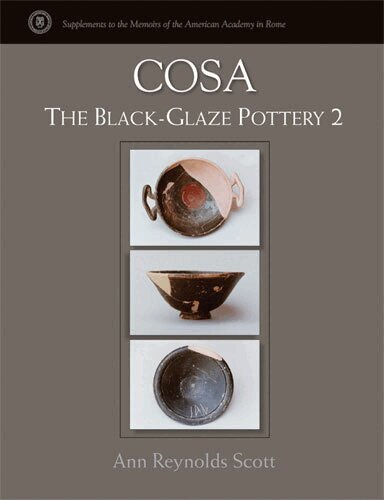
Cosa
The Black-Glaze Pottery 2
Inbunden, 2008
1333 kr
Tillfälligt slut
This study of an important class of ceramics from the key coastal colonial site of Cosa in southwest Tuscany documents the rise of republican Rome to dominance in central Italy in the third and second centuries B.C. The town and territory of Cosa constitute one of the most extensively explored …
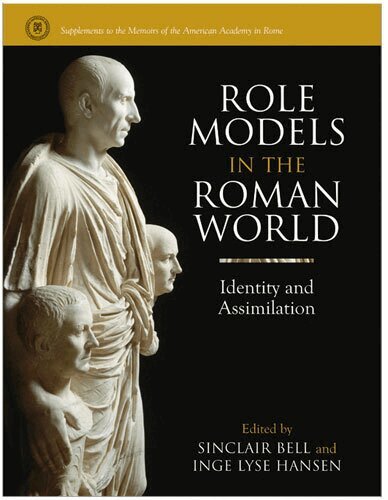
Role Models in the Roman World
Identity and Assimilation
Av Sinclair Bell, Inge Lyse Hansen
Inbunden, 2008
1527 kr
Tillfälligt slut
The tendency of ancient Romans to look to mythical and historical figures for role models is everywhere evident in their surviving literary and material culture. This book broadens the horizon of the long-standing scholarly interest in role models in several ways, looking beyond the more familiar …
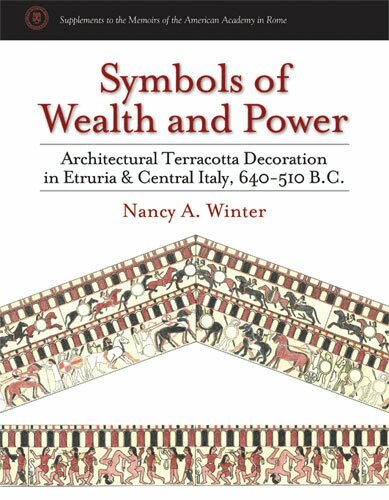
Symbols of Wealth and Power
Architectural Terracotta Decoration in Etruria and Central Italy, 640-510 B.C.
Inbunden, 2009
1439 kr
Tillfälligt slut
Although initially intended for the innovative, if prosaic, purpose of providing waterproof and fireproof cover for earlier thatch-roofed homes, fired clay tiles, in seventh- and sixth-century Etruria and Central Italy, combined with Etruscan love of adornment to create exceptional domestic and …
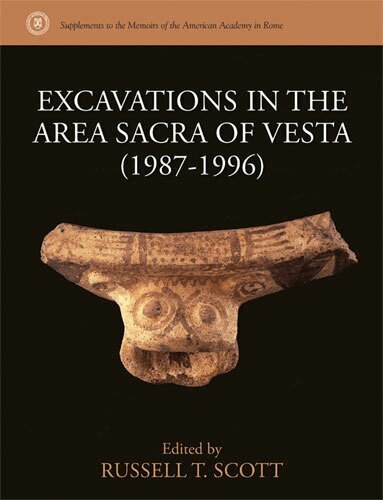
Excavations in the Area Sacra of Vesta (1987-1996)
Inbunden, 2009
1297 kr
Tillfälligt slut
Dedicated to Vesta, the goddess of the hearth, the temple of Vesta was one of the most ancient sanctuaries in the Roman Forum. The priestesses of Vesta, known as the Vestal Virgins---Rome's only female priests---were in charge of keeping the sacred fire housed in the temple, while they themselves …
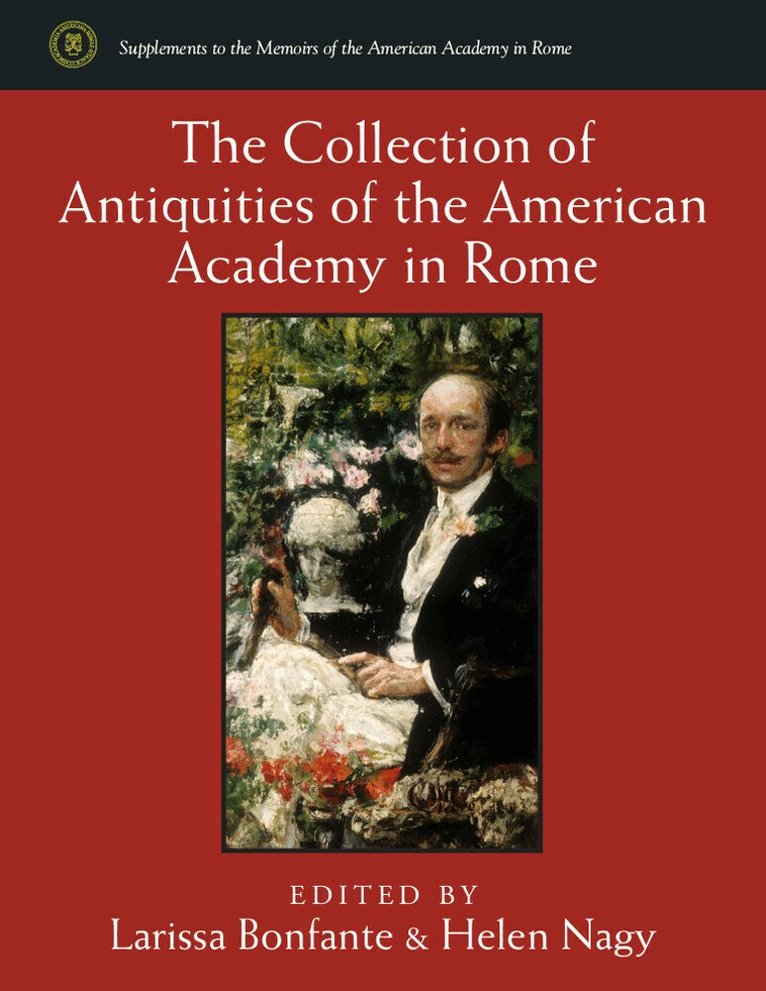
Collection of Antiquities of the American Academy in Rome
Av Larissa Bonfante, Helen Nagy
Inbunden, 2016
1156 kr
Tillfälligt slut
The foundation of the American Academy in Rome dates back more than one hundred years to the early decades of the last century. Over the years, the Academy has acquired a study collection of material goods from antiquity, including coins, statues and figurines, lamps, stucco and other architectural …
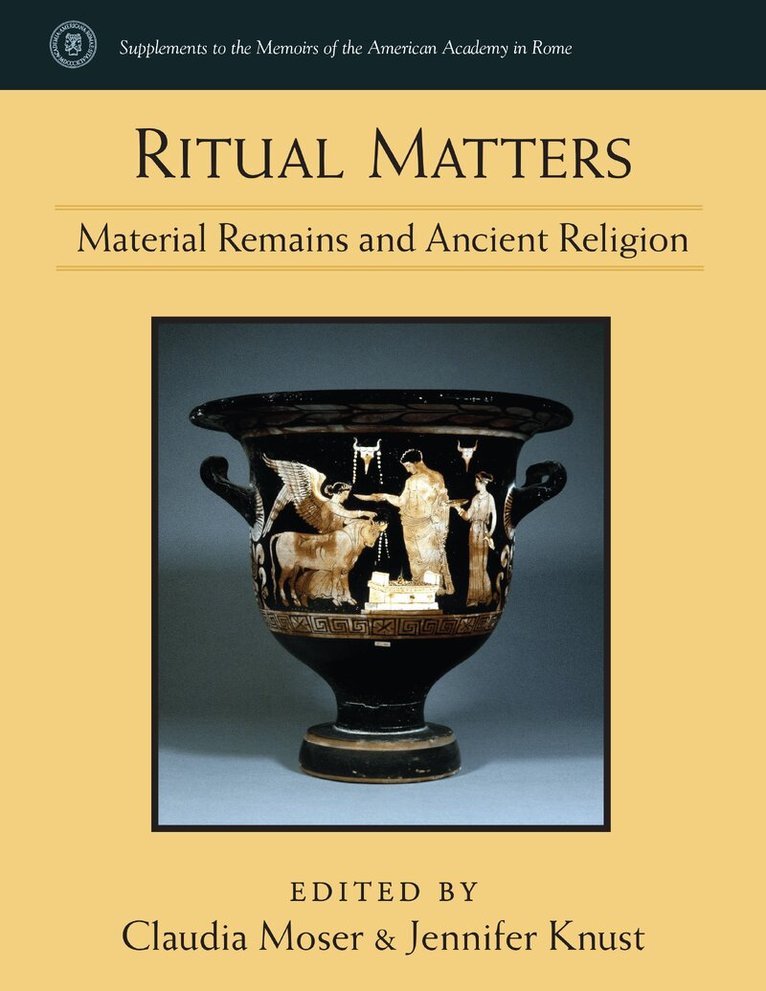
Ritual Matters
Material Remains and Ancient Religion
Av Jennifer Knust, Claudia Moser
Inbunden, 2017
985 kr
Tillfälligt slut
Ritual Matters interrupts the anachronistic binaries of religious practice and belief, the material and the theological, by taking a new approach to the study of archaeological remains of ancient religions. Focusing on the materiality of ritual—inherent in everything from monumental temples and …
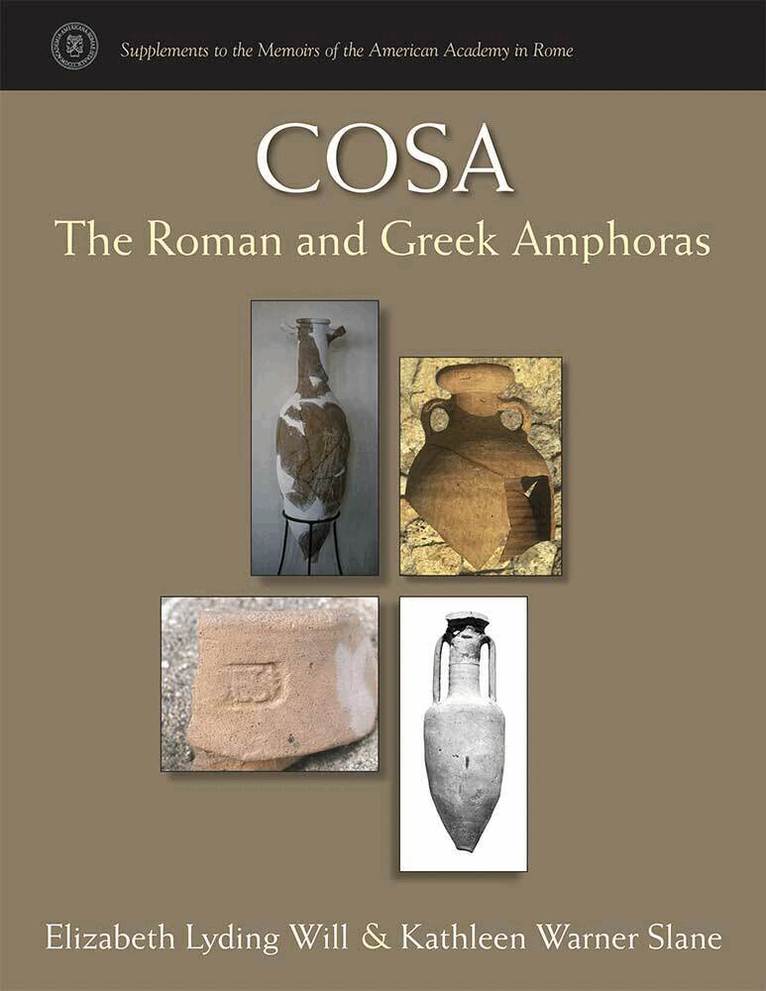
Cosa
The Roman and Greek Amphoras
Av Kathleen Slane, Elizabeth Lyding Will
Inbunden, 2019
1297 kr
Tillfälligt slut
This long-awaited volume presents the work of Elizabeth Lyding Will on the important group of transport amphoras found at Cosa. This town has been widely recognized as a prototypical colony of the later Roman Republic and a source for trade with Gaul and Spain, so this publication of its finds has …