Tang Center Series in Early China – Serie
Visar alla böcker i serien Tang Center Series in Early China. Handla med fri frakt och snabb leverans.
9 produkter
9 produkter
553 kr
Skickas inom 7-10 vardagar
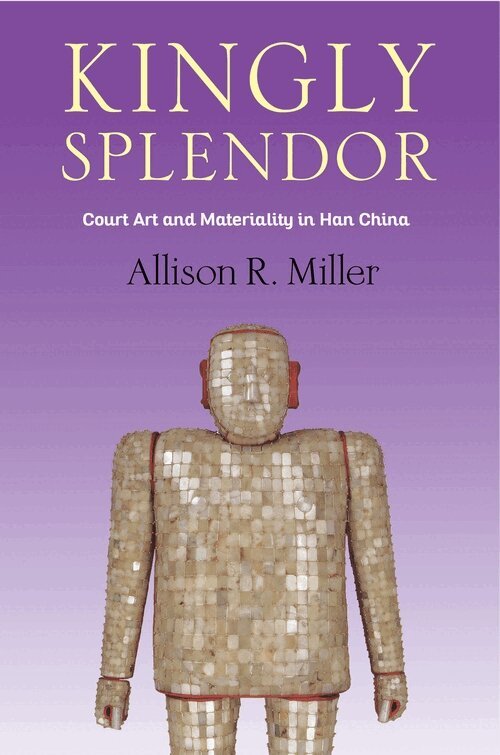
The Western Han dynasty (202 BCE–9 CE) was a foundational period for the artistic culture of ancient China, a fact particularly visible in the era’s funerary art. Iconic forms of Chinese art such as dazzling suits of jade; cavernous, rock-cut mountain tombs; fancifully ornate wall paintings; and armies of miniature terracotta warriors were prepared for the tombs of the elite during this period. Many of the finest objects of the Western Han have been excavated from the tombs of kings, who administered local provinces on behalf of the emperors.Allison R. Miller paints a new picture of elite art production by revealing the contributions of the kings to Western Han artistic culture. She demonstrates that the kings were not mere imitators of the imperial court but rather innovators, employing local materials and workshops and experimenting with new techniques to challenge the artistic hegemony of the imperial house. Tombs and funerary art, Miller contends, functioned as an important vehicle of political expression as kings strove to persuade the population and other elites of their legitimacy. Through case studies of five genres of royal art, Miller argues that the political structure of the early Western Han, with the emperor as one ruler among peers, benefited artistic production and innovation. Kingly Splendor brings together close readings of funerary art and architecture with nuanced analyses of political and institutional dynamics to provide an interdisciplinary revisionist history of the early Western Han.
537 kr
Skickas inom 7-10 vardagar
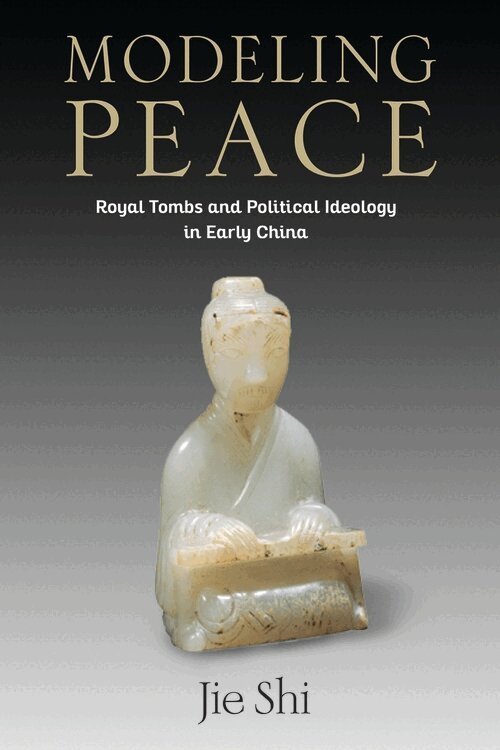
Among hundreds of thousands of ancient graves and tombs excavated to date in China, the Mancheng site stands out for its unparalleled complexity and richness. It features juxtaposed burials of the first king and queen of the Zhongshan kingdom (dated late second century BCE). The male tomb occupant, King Liu Sheng (d. 113 BCE), was sent by his father, Emperor Jing (r. 157–141 BCE), to rule the Zhongshan kingdom near the northern frontier of the Western Han Empire, neighboring the nomadic Xiongnu confederation.Modeling Peace interprets Western Han royal burial as a political ideology by closely reading the architecture and funerary content of this site and situating it in the historical context of imperialization in Western Han China. Through a study of both the archaeological materials and related received and excavated texts, Jie Shi demonstrates that the Mancheng site was planned and designed as a unity of religious, gender, and intercultural concerns. The site was built under the supervision of the future occupants of the royal tomb, who used these burials to assert their political ideology based on Huang-Lao and Confucian thought: a good ruler is one who pacifies himself, his family, and his country. This book is the first scholarly monograph on an undisturbed and fully excavated early Chinese royal burial site.
496 kr
Skickas inom 7-10 vardagar
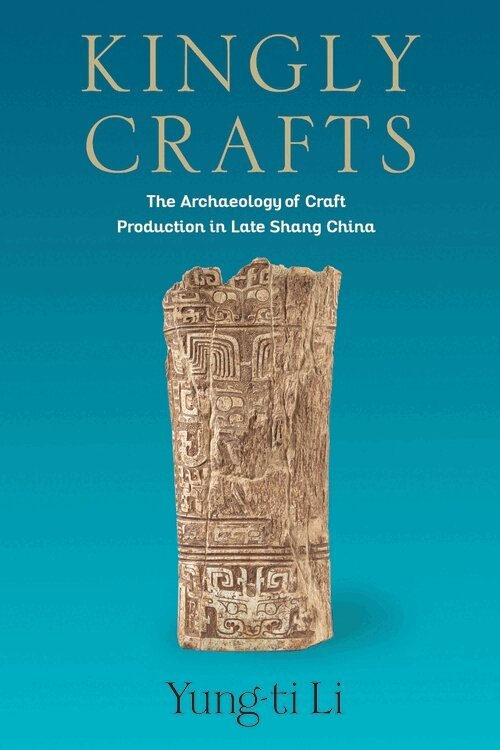
The site of Anyang, the last capital of the Shang dynasty, dated to around 1200 to 1000 BCE, is one of the most important sources of knowledge about craft production in Bronze Age China. Excavations and research of the settlement over the past ninety years demonstrate both the advanced level of Shang craft workers and the scale and capacity of the craft industries of the time. However, materials unearthed in Anyang by different expeditions have since been stored separately in China and Taiwan, making a thorough study of this important aspect of life in Shang China challenging. Despite efforts to integrate the data based on published material, the physical evidence rarely has been considered as a single group.Through a systematic analysis of the archaeological materials available in both China and Taiwan, Yung-ti Li provides a detailed picture of craft production in Anyang and paves the way for a new understanding of how the Shang capital functioned as a metropolis. Focusing on craft-producing activities, including bronze casting, bone working, shell and marble inlay working, lithic working, and pottery production, Kingly Crafts examines the material remains, the technology, and the production organization of the craft industries. Although the level of Shang craftsmanship can be seen in the finished products, Li demonstrates that it is necessary to study workshop remains and their archaeological context to reconstruct the social and political contexts of craft production. Offering a comprehensive investigation of these remains, Kingly Crafts sheds new light on the relationships between craft industries and political authority in the late Shang period.
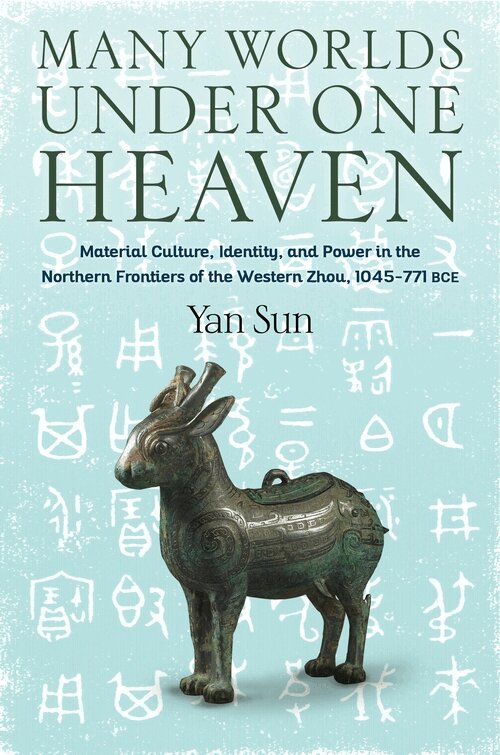
Many Worlds Under One Heaven
Material Culture, Identity, and Power in the Northern Frontiers of the Western Zhou, 1045–771 BCE
Inbunden, Engelska, 2021
537 kr
Skickas inom 7-10 vardagar
In the mid-eleventh century BCE, the Zhou overthrew the Shang, a dynastic power that had dominated much of northern and central China. Over the next three centuries, they would extend the borders of their political control significantly beyond those of the Shang. The Zhou introduced a political ideology centered on the Mandate of Heaven to justify their victory over the Shang and their territorial expansion, portraying the Zhou king as ruling the frontier from the center of civilization. Present-day scholarship often still adheres to this core-periphery perspective, emphasizing cultural assimilation and political integration during Zhou rule. However, recent archaeological findings present a more complex picture.Many Worlds Under One Heaven analyzes a wide range of newly excavated materials to offer a new perspective on political and cultural change under the Western Zhou. Examining tombs, bronze inscriptions, and other artifacts, Yan Sun challenges the Zhou-centered view with a frontier-focused perspective that highlights the roles of multiple actors. She reveals the complexity of identity construction and power relations in the northern frontiers of the Western Zhou, arguing that the border regions should be seen as a land of negotiation that witnessed cultural hybridization and experimentation. Rethinking a critical period for the formation of Chinese civilization, Many Worlds Under One Heaven unsettles the core-periphery model to reveal the diversity and flexibility of identity in early China.
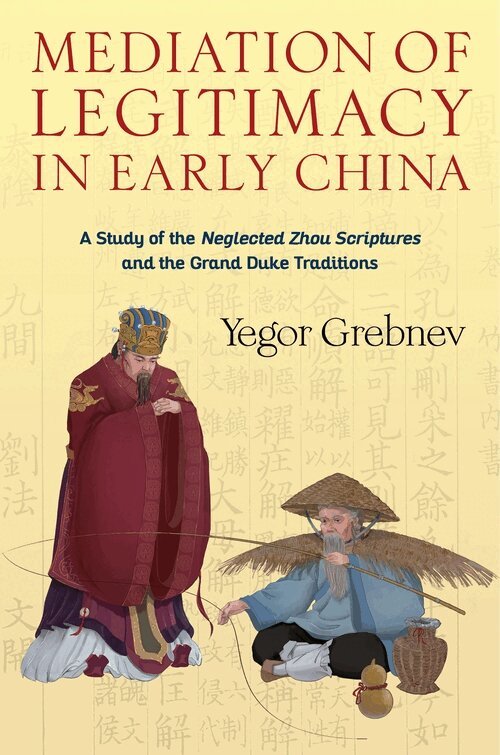
Mediation of Legitimacy in Early China
A Study of the Neglected Zhou Scriptures and the Grand Duke Traditions
Inbunden, Engelska, 2022
599 kr
Skickas inom 7-10 vardagar
Scholarship on early China has traditionally focused on a core group of canonical texts. However, understudied sources have the potential to shift perspectives on fundamental aspects of Chinese intellectual, religious, and political history. Yegor Grebnev examines crucial noncanonical texts preserved in the Yi Zhou shu (Neglected Zhou Scriptures) and the Grand Duke traditions, which represent scriptural traditions influential during the Warring States period but sidelined in later history. He develops an innovative framework for the study and interpretation of these texts, focusing on their role in the mediation of royal legitimacy and their formative impact on early Daoism.Grebnev demonstrates the centrality of the Yi Zhou shu in Chinese intellectual history by highlighting its simultaneous connections to canonical traditions and esoteric Daoism. He also shows that the Daoist rituals of textual transmission embedded in the Grand Duke traditions bear an imprint of the courtly environment of the Warring States period, where early Daoists strove for prestige and power, offering legitimacy through texts ascribed to the mythical sage rulers. These rituals appear to have emerged at the same period as the core Daoist philosophical texts and not several centuries later as conventionally believed, which calls for a reassessment of the history of Daoism’s interrelated religious and philosophical strands. Offering a far-reaching reconsideration of early Chinese intellectual and religious history, Mediation of Legitimacy in Early China sheds new light on the foundations of the Chinese textual tradition.
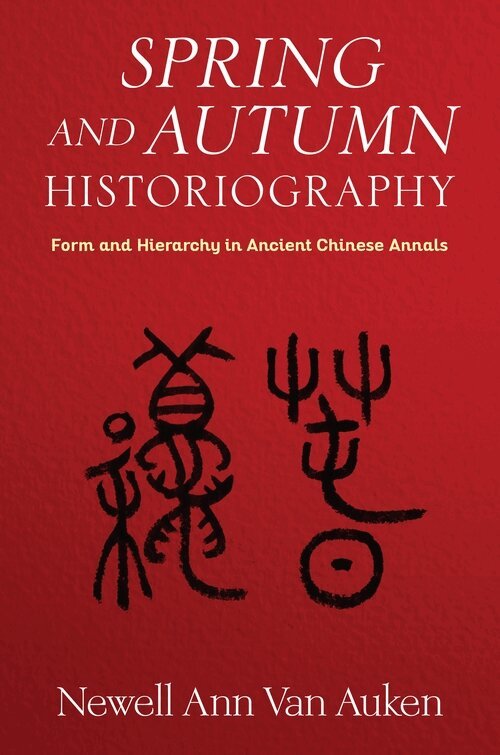
Spring and Autumn Historiography
Form and Hierarchy in Ancient Chinese Annals
Inbunden, Engelska, 2023
577 kr
Skickas inom 7-10 vardagar
The Spring and Autumn is an annals text composed of brief records covering the period 722–479 BCE and written from the perspective of the ancient Chinese state of Lu. A long neglected part of the Chinese canon, it is traditionally ascribed to Confucius, who is said to have embedded his evaluations of events within the text. However, the formulaic and impersonal records do not resemble the repository of moral judgments that they are alleged to be.Driven by her discovery that the Spring and Autumn is governed by a system of rules, Newell Ann Van Auken argues that Lu record-keepers—not a later editor—produced the formally regular core of the text. She demonstrates that the Spring and Autumn employs formulaic phrasing and selective omission to encode the priorities of Lu and to communicate the relative importance of individuals, states, and events, and that many of its records are derived from diplomatic announcements received in Lu from regional states and the Zhou court. The Spring and Autumn is fundamentally a document designed to enhance the prestige of Lu, and its records reveal a profound concern with relative rank, displaying an idealized hierarchy that positions the state of Lu and its rulers at the apex. By establishing the Spring and Autumn as a genuine Bronze Age record, this book transforms our understanding of its significance and purpose, and also offers new approaches to the study of ancient annals in early China and elsewhere.
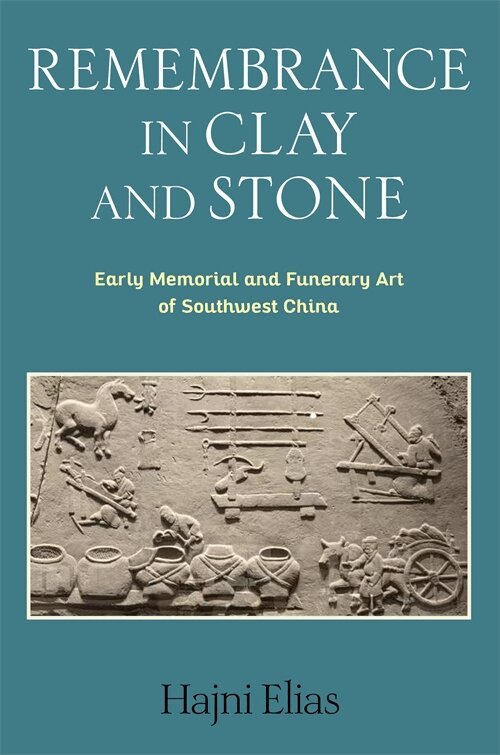
Remembrance in Clay and Stone
Early Memorial and Funerary Art of Southwest China
Inbunden, Engelska, 2025
537 kr
Skickas inom 7-10 vardagar
This book explores the memorial and funerary artistic traditions of Southwest China during the Eastern Han dynasty (25–220 CE). In early imperial times, the art of this region—present-day Sichuan province—differed in both style and content from tomb and memorial art produced in other parts of the Han empire, especially that of the Central Plains, considered the heartland of Chinese civilization. Although Southwest China was described in contemporaneous accounts as an uncultured backwater, it had a vibrant and sophisticated artistic tradition.Hajni Elias examines the Southwest’s rich material culture, which includes pictorial brick tiles, mingqi or spirit vessels, pottery figurines, decorated stone sarcophagi, architectural gate towers, and commemorative and ancestral stelae. She sheds light on the distinct traits and practices that arose from the region’s complex geographical, cultural, and economic tapestry. Elias also places the Southwest in a broader Han cultural framework, offering a new perspective on early Chinese society and its mortuary and memorial practices. Showcasing the quality and breadth of the achievements of the Southwest’s artisans and craftsmen, Remembrance in Clay and Stone reveals the distinctive and sophisticated ways in which people of this era recorded and memorialized their lives.
537 kr
Skickas inom 7-10 vardagar
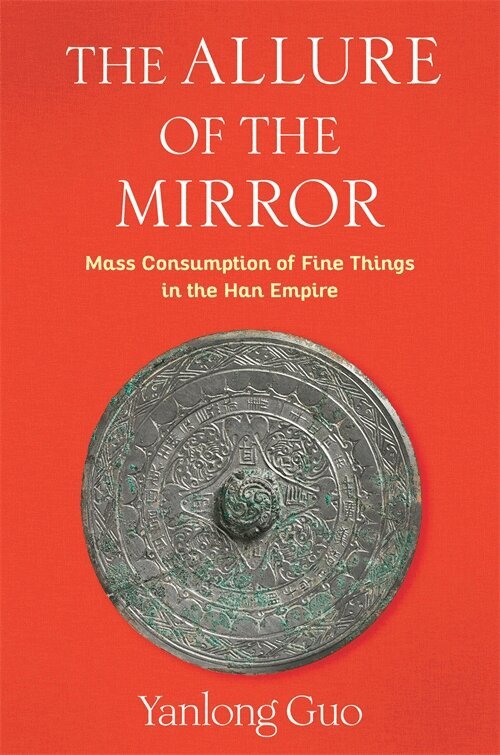
In Han China (202 BCE–220 CE), few luxury objects were as widely coveted as bronze mirrors. Typically circular and ranging from seven to thirty centimeters in diameter, these mirrors were crafted from high-tin bronze, with highly reflective surfaces on the front and intricate designs and auspicious inscriptions on the reverse.The Allure of the Mirror explores how and why these objects, historically known as haowu (“fine things”), became so beloved throughout early imperial China. Tracing their production and consumption—from manufacture in imperial, princely, and private workshops to their roles in life and death—Yanlong Guo uncovers the varied ways these seemingly trivial objects took on social and cultural significance. Across social classes, mirrors had a wide range of uses as status symbols, personal tools, romantic tokens, family heirlooms, auspicious amulets, treasured gifts, and funeral offerings. Guo demonstrates how these “fine things,” once exclusive to elites, gradually became accessible to a wider segment of society. Mirrors, he argues, connected people across the empire, fostering a shared cultural community of aesthetic tastes and social values from royal courts to rural households.Interdisciplinary and comprehensive, The Allure of the Mirror offers fresh insights into the relationship among art, society, and ideology in the Han Empire, revealing how decorative objects could bridge social divides and shape cultural identity.
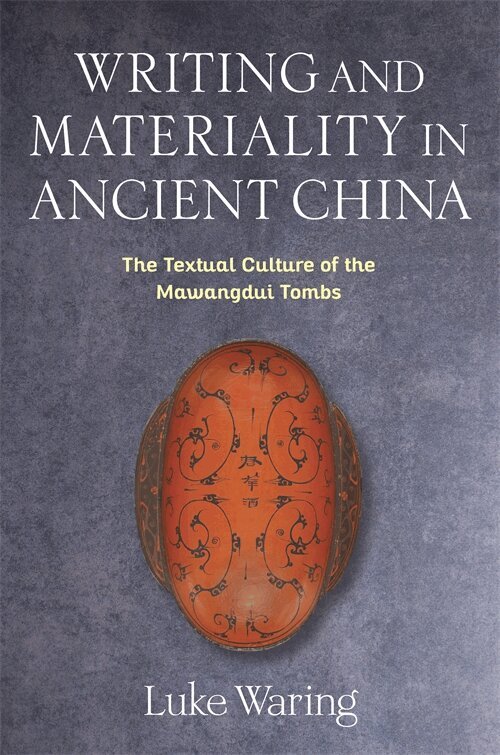
Writing and Materiality in Ancient China
The Textual Culture of the Mawangdui Tombs
Inbunden, Engelska, 2025
537 kr
Skickas inom 7-10 vardagar
Excavations at the famous Mawangdui tomb site in south-central China (early to mid-second century BCE) have unearthed many kinds of writing, including documents made of silk, wood, and bamboo as well as a wide range of inscribed artifacts. This book is an interdisciplinary study of these varied forms of writing, exploring the different roles that texts played in the lives and afterlives of Chinese elites during the Han dynasty.Examining documents and artifacts from the Mawangdui tombs in comparative perspective, Luke Waring demonstrates that early Chinese writing should be understood as part of the material and visual cultures of its time. Written texts were used to do more than simply preserve and transmit important information: they were also work tasks, storage items, performance aids, apotropaic talismans, aesthetically pleasing patterns, display pieces, possessions, and burial objects. Writing was even integrated into older, perhaps more powerful modes of cultural expression such as ritual performance and material display. Waring argues that manuscripts and inscribed objects were always things, artifacts that had powerful effects on the world that created them. Comprehensively researched and lavishly illustrated, Writing and Materiality in Ancient China offers a new understanding of the textual cultures of the early Western Han.