Inbunden, Engelska, 2025
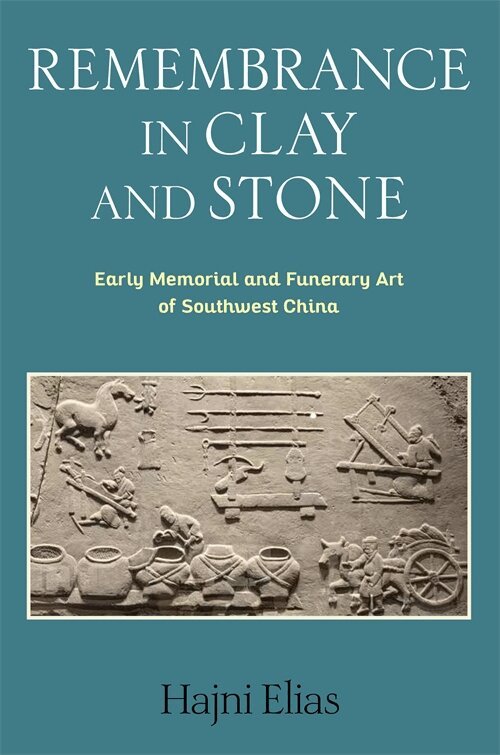
Remembrance in Clay and Stone
Early Memorial and Funerary Art of Southwest China
Av Hajni Elias
Del i serien Tang Center Series in Early China
570 kr
Beställningsvara. Skickas inom 7-10 vardagar. Fri frakt över 249 kr.
Beskrivning
Produktinformation
- Utgivningsdatum: 2025-03-25
- Mått: 156 x 235 x 36 mm
- Vikt: 862 g
- Format: Inbunden
- Språk: Engelska
- Serie: Tang Center Series in Early China
- Antal sidor: 360
- Förlag: Columbia University Press
- ISBN: 9780231217101
Utforska kategorier
Mer om författaren
Hajni Elias is an affiliated lecturer in Chinese art and material culture in the Faculty of Asian and Middle Eastern Studies and the History of Art Department at the University of Cambridge. She was previously senior international researcher in the Chinese Works of Art Department at Sotheby’s.
Recensioner i media
Southwestern tomb reliefs, clay figurines, and cemetery stelae here become springboards to vignettes about (for example) indigenous salt miners, bare-chested entertainers, and increasingly powerful regional governors, respectively. Yet as Elias adeptly argues, these artifacts aren’t just ideal representations or afterlife fantasies; they’re preserved pictures of daily life and lived ritual.
Betyg & recensioner
0 recensioner
Inga recensioner tillgängliga.