• Fri frakt över 249 kr
  • •
  • Snabba leveranser
  • •
  • Billiga böcker
Kundservice

Du är på sajten för privatpersoner.

Företag, bibliotek eller offentlig verksamhet?

Du handlar på classic.bokus.com, där alla dina funktioner finns intakta.
Till classic.bokus.com
Bokus logotyp. Gå till startsidan.
  • Erbjudanden
  • Nyheter
  • Student
  • Topplistor
  • Barn & ungdom
  • Bokus Play
  • E-böcker
  • Pocketböcker
  • Spel & pussel

10% rabatt på allt med kod: NYSTART10 →

Sidfot

Mina sidor

    Hjälp

    • Kundservice
    • Vanliga frågor och svar
    • Frakt och leverans
    • Retur vid ångerrätt
    • Reklamera vara
    • Betalning
    • Köpvillkor
    • Allmänna villkor
    • Information om webbplatsens tillgänglighet

    Om Bokus

    • Om oss
    • Pressrum
    • För studenter
    • För företag
    • För bibliotek och offentlig verksamhet
    • För leverantörer
    • Hållbarhet

    Populärt

    • Aktuella erbjudanden
    • Presentkort
    • Studentlitteratur
    • Nya böcker
    • Topplistor
    • Signerade böcker
    • Engelska böcker

    Inspiration

    • Boktips
    • BookTok
    • Populära bokserier
    • Barnbokskaraktärer
    • Populära författare
    Logotyp för Bokus
    Följ oss på Facebook (extern länk)Följ oss på Instagram (extern länk)Följ oss på YouTube (extern länk)Följ oss på TikTok (extern länk)
    bokus @ CookiesAnpassa cookiesIntegritetspolicyKöpvillkor
    Till Citymail hemsida (extern länk)Till Budbee hemsida (extern länk)Till Postnord hemsida (extern länk)Till Schenker hemsida (extern länk)Till Early Bird hemsida (extern länk)Till Walleys hemsida (extern länk)
    1. Kultur
    2. Konstböcker
    3. Konsthistoria

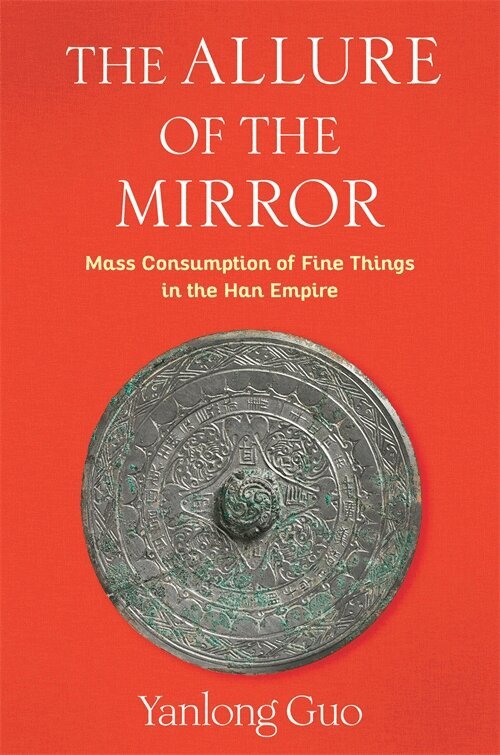
    The Allure of the Mirror

    Mass Consumption of Fine Things in the Han Empire

    AvYanlong Guo

    Inbunden, Engelska, 2025

    Del i serien Tang Center Series in Early China

    554 kr

    Beställningsvara. Skickas inom 5-8 vardagar. Fri frakt över 249 kr.

    Beskrivning

    In Han China (202 BCE–220 CE), few luxury objects were as widely coveted as bronze mirrors. Typically circular and ranging from seven to thirty centimeters in diameter, these mirrors were crafted from high-tin bronze, with highly reflective surfaces on the front and intricate designs and auspicious inscriptions on the reverse.The Allure of the Mirror explores how and why these objects, historically known as haowu (“fine things”), became so beloved throughout early imperial China. Tracing their production and consumption—from manufacture in imperial, princely, and private workshops to their roles in life and death—Yanlong Guo uncovers the varied ways these seemingly trivial objects took on social and cultural significance. Across social classes, mirrors had a wide range of uses as status symbols, personal tools, romantic tokens, family heirlooms, auspicious amulets, treasured gifts, and funeral offerings. Guo demonstrates how these “fine things,” once exclusive to elites, gradually became accessible to a wider segment of society. Mirrors, he argues, connected people across the empire, fostering a shared cultural community of aesthetic tastes and social values from royal courts to rural households.Interdisciplinary and comprehensive, The Allure of the Mirror offers fresh insights into the relationship among art, society, and ideology in the Han Empire, revealing how decorative objects could bridge social divides and shape cultural identity.

    Produktinformation

    • Utgivningsdatum:2025-09-23
    • Mått:156 x 235 x 31 mm
    • Vikt:710 g
    • Format:Inbunden
    • Språk:Engelska
    • Serie:Tang Center Series in Early China
    • Antal sidor:376
    • Förlag:Columbia University Press
    • ISBN:9780231217781

    Utforska kategorier

    • Konsthistoria inom Kultur
    • Asiens historia inom Historia och arkeologi
    • Forntidens historia inom Historia och arkeologi

    Mer om författaren

    Yanlong Guo is assistant professor of art history at Smith College.

    Recensioner i media

    From mine to marketplace to tomb, early Chinese bronze mirrors let us glimpse the aesthetic, economic, sociological, religious, and even philosophical discourses of their users; surviving by the thousands, they collectively form a robust database for exploring material and cultural values from two millennia ago. Yanlong Guo marshals hundreds of archeological reports, primary sources, and secondary studies to adeptly contextualize the early bronze mirror and here gives us its most thorough treatment to date. It will endure just as the mirror has.

    Innehållsförteckning

    • Introduction1. Making Mirrors2. Distributing Mirrors3. Handling Intimate Mirrors4. Seeing in Bright Mirrors5. Inscribing Auspicious Mirrors6. Gifting Precious Mirrors7. Burying Familiar MirrorsCodaAppendix: Typology and Chronology of Han MirrorsNotesBibliographyIndex