The Postcard Collection – serie
Visar alla böcker i serien The Postcard Collection. Handla med fri frakt och snabb leverans.
15 produkter
15 produkter
176 kr
Skickas
The ‘Fair City of Perth’ is aptly named. Situated on the banks of the Tay, Scotland’s longest river, Perth and its surrounding area boast some of the most beautiful scenery in the country. The city’s position on the River Tay ensured that it became a busy trading port, exporting salmon and wool and importing claret from Bordeaux. Its bustling harbour remains in use, the only inland harbour in Britain. Perth was once the capital of Scotland and there are many interesting historical sights to visit. The jewel in the crown is undoubtedly Scone Palace on the outskirts of town. Scone was the home of the Stone of Destiny for nearly 500 years, and the site where every Scottish king was crowned. Today, Perth is a major tourist centre and important staging post on the route north to the Highlands of Scotland. As such, it boasts many shops, bars and restaurants, as well as a thriving arts and cultural scene.In this book, author Jack Gillon takes the reader on an evocative journey into Perth’s past through a superb selection of old postcards. This fascinating window into the city’s history will appeal to residents and visitors alike.
177 kr
Skickas
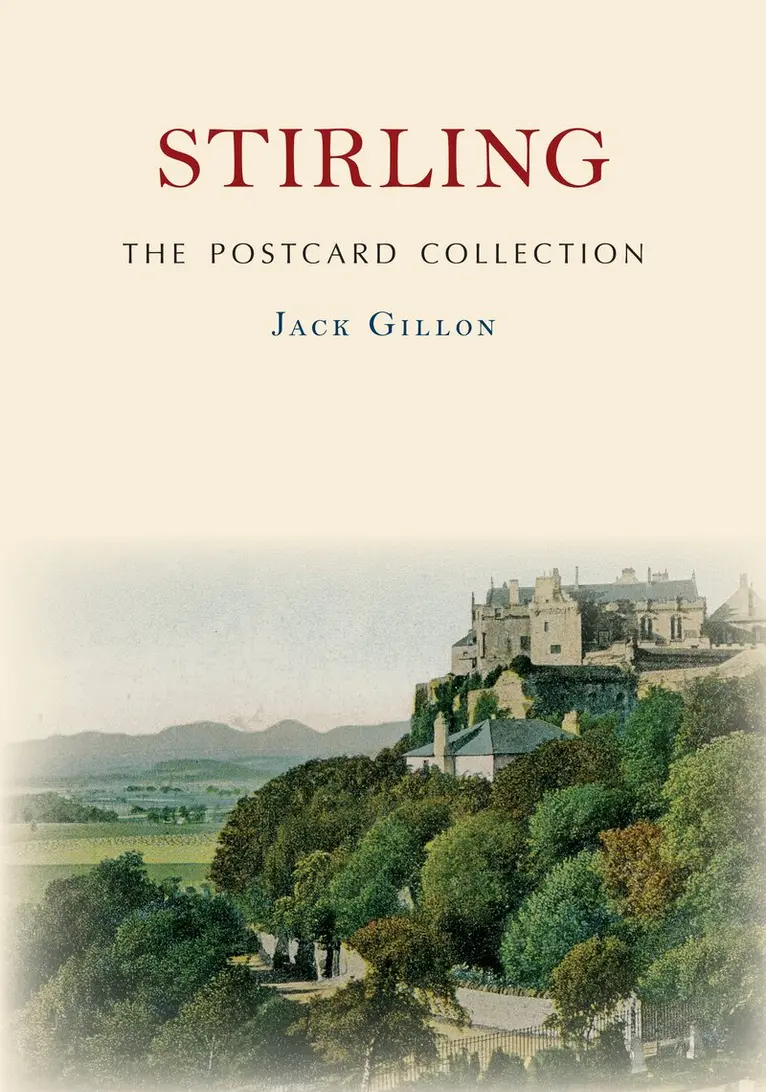
Having been granted city status during the Golden Jubilee celebrations in 2002, Stirling is Scotland’s smallest city, but has an enthralling wealth of architectural and historic heritage that would be the envy of much larger places in the country. Stirling’s heritage dates from the thirteenth century, when it was granted a royal charter and became a significant medieval settlement. Its strategic importance as the ‘Gateway to the Highlands’ also made it the much-fought over ‘Cockpit of Scotland’ and it has been witness to many of the most significant battles in Scottish history.Today, Stirling is a bustling and charming historic city that retains much of its ancient character and architectural quality. Using old postcards, Stirling The Postcard Collection shows how the city has changed and evolved over the years. These postcards are an invaluable visual record of a place’s past and provide a fascinating insight into the world of our ancestors. The old postcards of Stirling celebrate the town’s civic achievements and distinctive character in the form of public buildings, principal streets, parks, railway stations and historic landmarks.
177 kr
Skickas
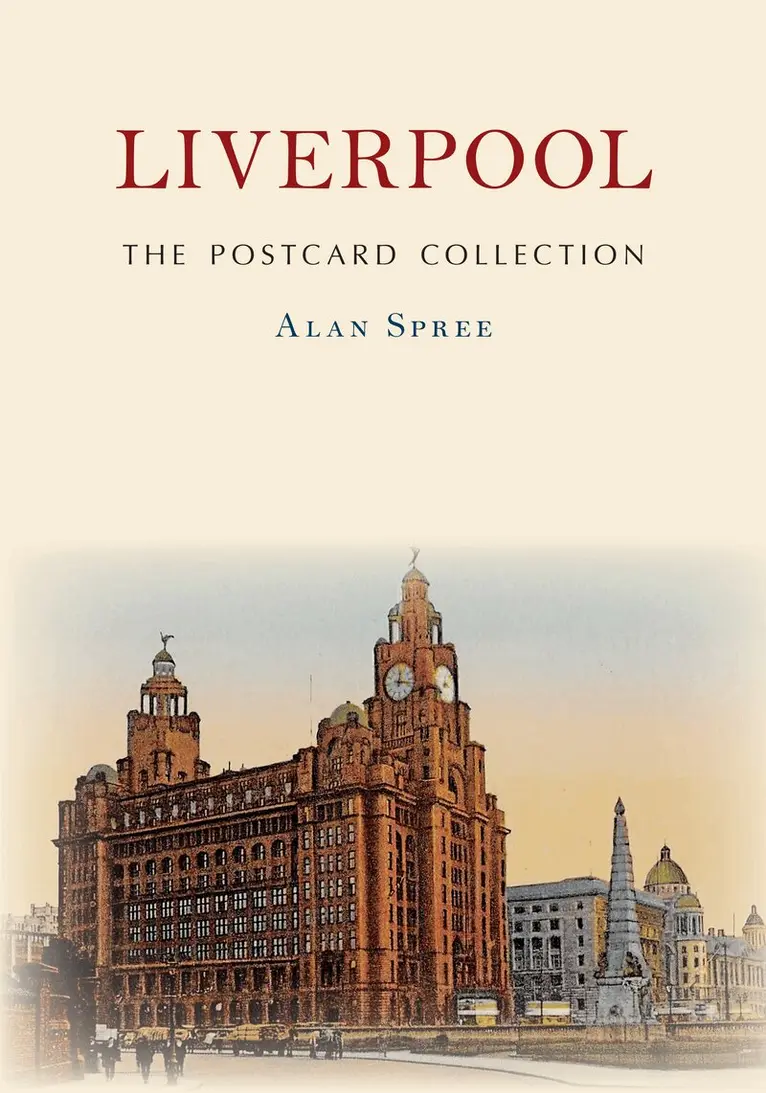
Liverpool was a small port on the River Mersey in the medieval period, but started to grow rapidly in the eighteenth century, benefitting from the expanding transatlantic trade. Wealthy merchants built large houses and invested in the city. During the Victorian age, Liverpool was the second largest city in England and there was a massive programme of civic building to demonstrate Liverpool’s standing. The city drew in people from around Britain and further afield and although it suffered heavily during the Second World War, when it was targeted for aerial bombardment by the Luftwaffe because of the importance of its docks and associated industries, and then in the post-war decades as docks declined, it is today a culturally vibrant city. Although much of old Liverpool was lost in the destruction of war and in the attempts to modernise the city post-war, it is once again a thriving commercial centre that is proud of its heritage.Liverpool: The Postcard Collection takes the reader on an evocative journey into Liverpool’s past through a selection of old postcards from the late nineteenth century to the 1940s, which offer a fascinating window into the history of this dynamic city.
177 kr
Skickas
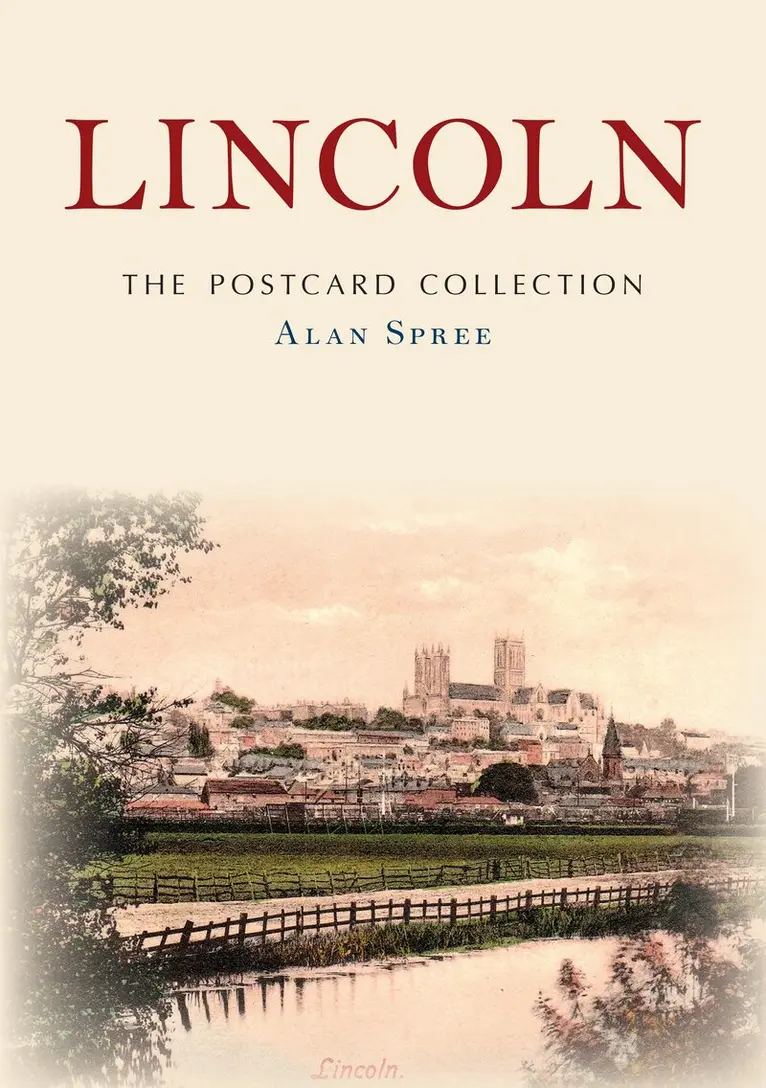
Lincoln can trace its history back to an Iron Age settlement by the River Witham, subsequently a Roman and Viking town. The Norman castle and medieval cathedral, built on a ridge, still dominate the city today, with the suburbs spread out below the hill. Medieval Lincoln was one of the wealthiest towns in the country and many buildings from this period survive today. The city experienced another boom during the Industrial Revolution and manufacturing is still an important part of the city today.In Lincoln: The Postcard Collection author Alan Spree has drawn on a remarkable selection of old postcards to give a pictorial record of life in Lincoln in the past. Although much of Lincoln has changed over the years, many landmarks have remained and will be familiar today. The postcards show the changes to Lincoln’s fabric and its community adapting and changing over the course of this period. This fascinating collection of images will be of interest to those who have lived in Lincoln or know it well.
177 kr
Skickas
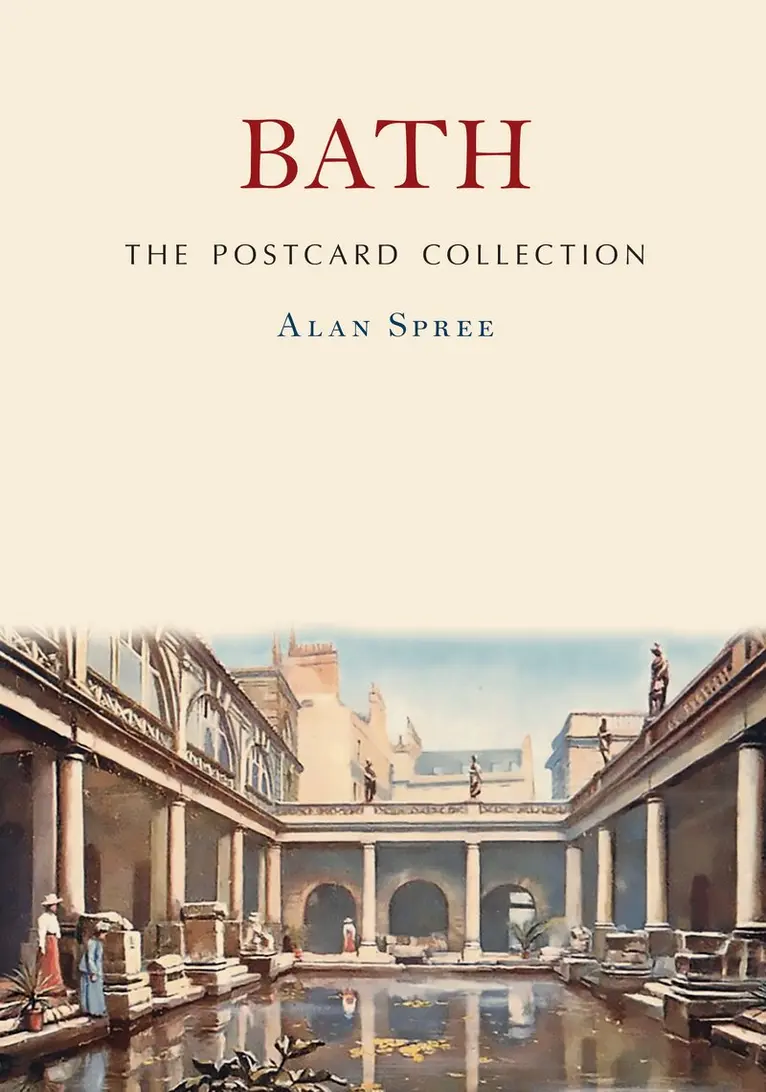
The spa town of Bath has drawn visitors since the Roman’s built baths and a temple at the site of hot springs in the Avon valley. Bath Abbey was founded in the seventh century but it was in the eighteenth century that the town became the fashion centre of England. Bath’s Georgian architecture is one of its chief glories today but the city has seen many changes in the intervening years, not least the destruction caused by aerial bombardment during the Second World War. Post-war years saw new housing and commercial redevelopment in the city, museums opened, fresh industries established and the expansion of its two universities.In Bath: The Postcard Collection author Alan Spree has drawn on a remarkable selection of old postcards to give a pictorial record of life in Bath in the past. Although some of historical Bath seen in these views has been lost, many landmarks have remained and will be familiar today. This fascinating collection of images will be of interest to those who have lived in Bath or know it well.
177 kr
Skickas
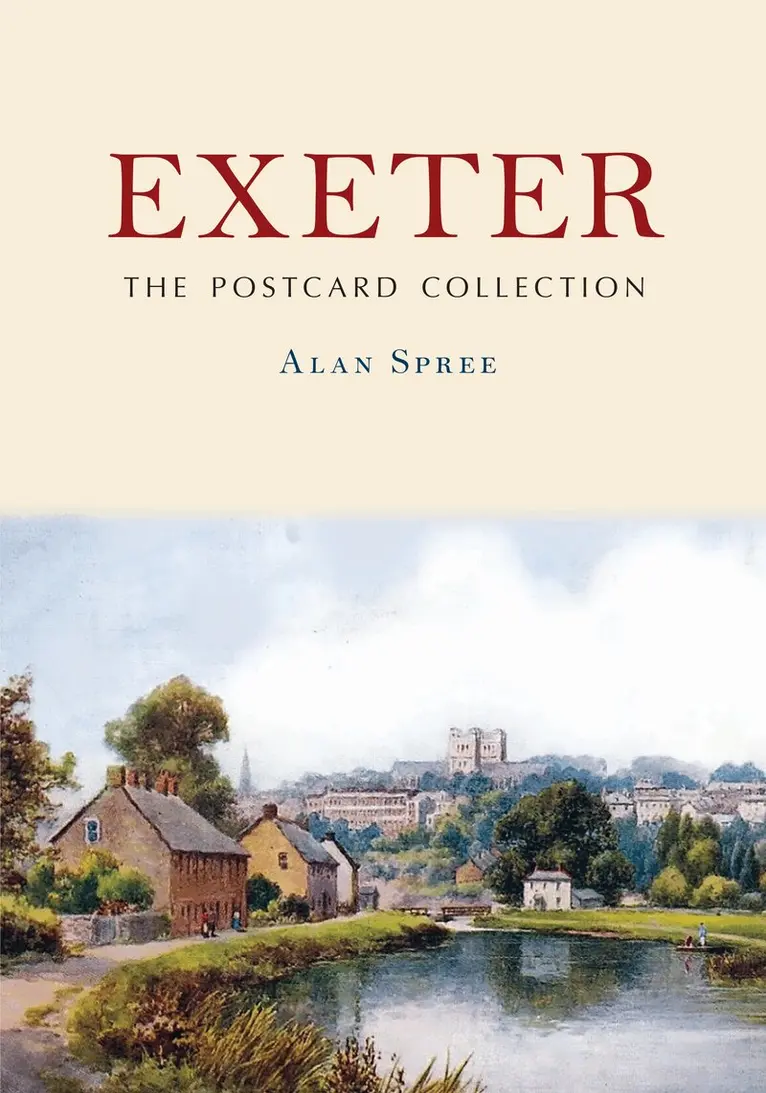
Exeter has long been an important city in Devon, centred around its medieval cathedral. Much of the historic city centre was lost during the Second World War and subsequent redevelopment, but some scenes of Exeter from the past would still be recognisable today. Historic buildings stand next to redeveloped commercial centres, though many landmarks of old Exeter were lost and even the street plan was altered in places. In Exeter: The Postcard Collection author Alan Spree has drawn on a remarkable selection of old postcards to give a pictorial record of life in this city’s past. Although some of the historic Exeter seen in these views has been lost, many landmarks have remained and will be familiar today. The postcards show how Exeter’s fabric and community have adapted and changed over the years. This fascinating collection of images will be of interest to those who have lived in Exeter or know it well.
176 kr
Skickas
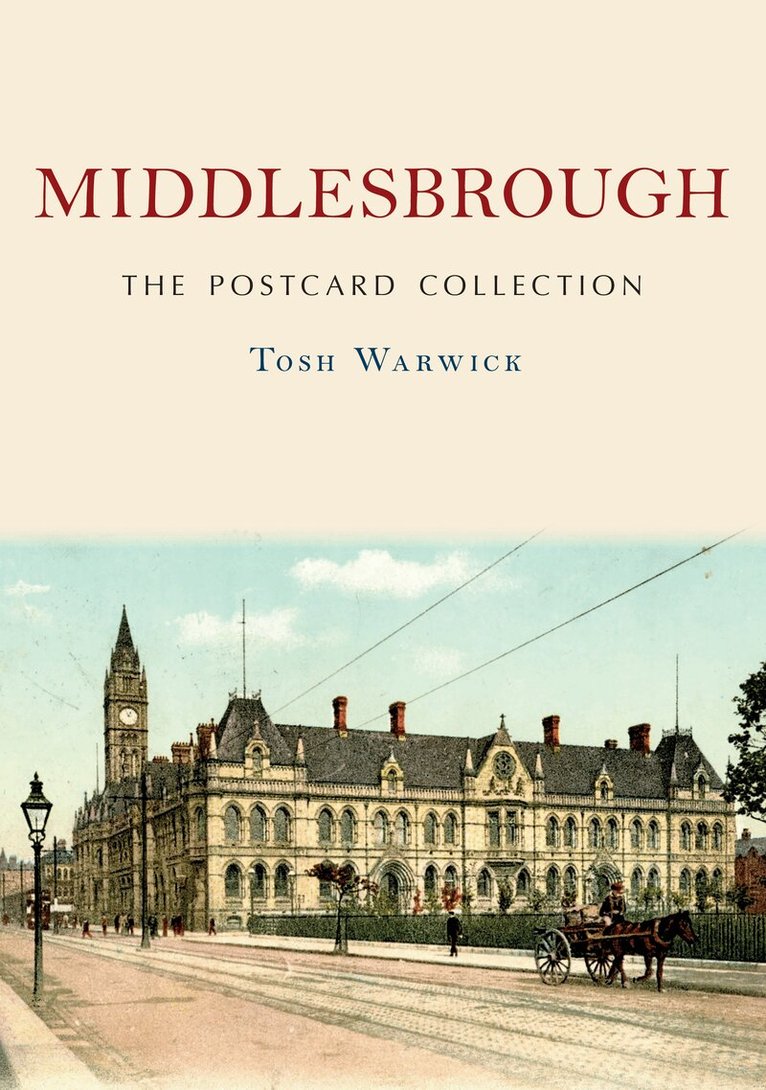
Middlesbrough boasts a rich, diverse history and heritage that brings together tales of unprecedented industrial development, rapid urban expansion, the cultivation of new cultural institutions and a proud sporting heritage that has helped put the town on the map. As Middlesbrough expanded from a small hamlet of just twenty-five people in 1801 to a town with a population exceeding 90,000 a century later, new landmarks emerged and communities grew to create a distinct industrial ‘boom town’ forged in iron and steel.In Middlesbrough: The Postcard Collection the author has drawn on a remarkable selection of old postcards to give a pictorial record of life in the past. Although some of the historical town seen in these views has been lost, many landmarks have remained and will be familiar today. This fascinating collection of images will be of interest to those who have lived in Middlesbrough or know it well, as well as those interested in postcards and industrial heritage.
177 kr
Skickas
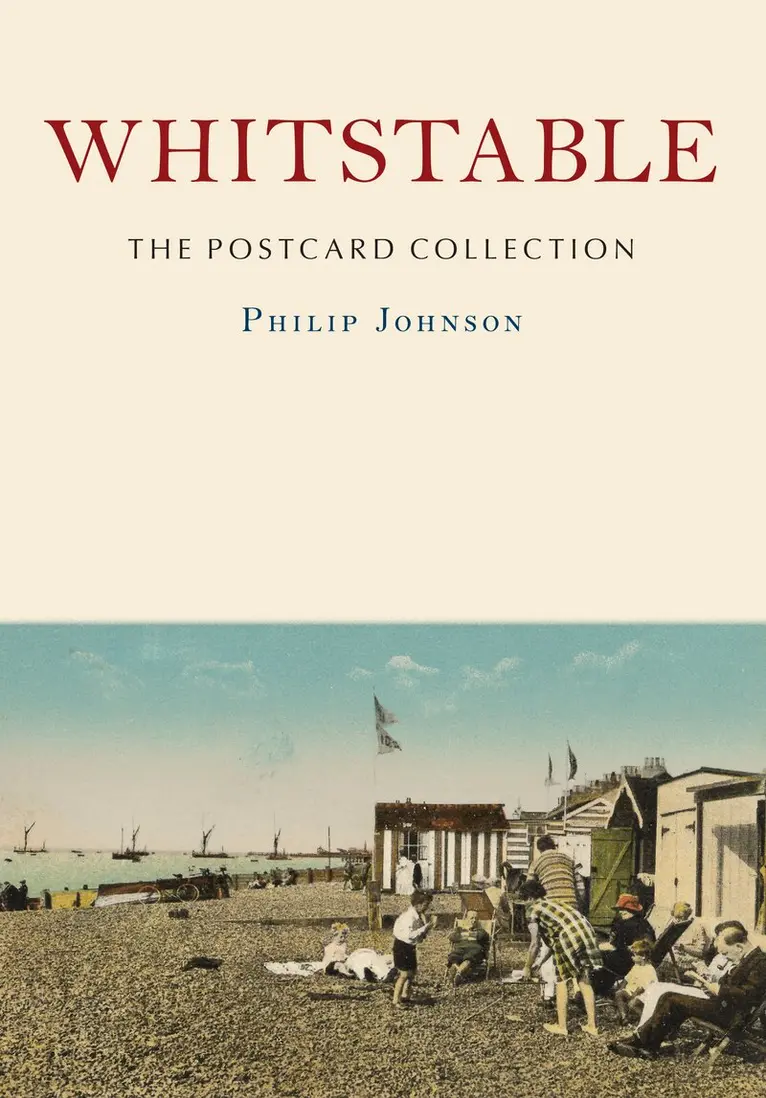
Whitstable, lying on the shore of the Thames Estuary on the North Kent coast, has long been famous for its oysters. The world’s first passenger steam railway connected Whitstable to Canterbury in 1830, serviced by a harbour that opened two years later in 1832. These events were the catalysts for growth and prosperity during the ensuing Victorian era, turning a small fishing community into a busy seaside town with maritime-based industries at its heart. Much about the town has changed over the years but its long, winding High Street, the maze of alleyways, an unpretentious seafront and its still-thriving harbour ensure that Whitstable’s charm and special character survives to this day.In Whitstable: The Postcard Collection, Philip Johnson has drawn on a remarkable collection of postcards of Whitstable and Tankerton and the surrounding villages of Swalecliffe, Chestfield and Seasalter, providing a window into the town’s past through the world of old picture postcards. This absorbing selection of images will be of interest to those who live in Whitstable, those who know it well or those who are just intrigued to find out more about this fascinating town.
176 kr
Skickas
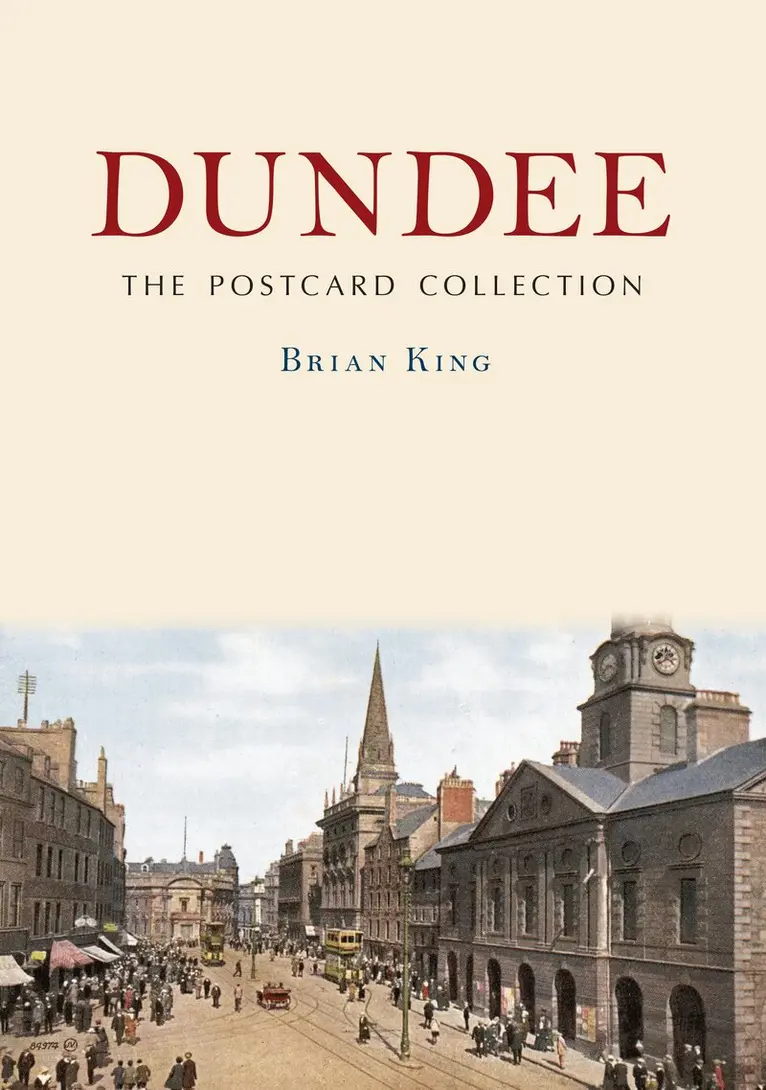
Dundee is a modern city with a long history. It became a royal burgh in the late twelfth century, but the town itself long predates this, and human settlement in the area can be traced back many hundreds of years earlier. In its eight centuries of official existence, Dundee has been a medieval burgh subjected to invasion and conflict, a thriving seaport and centre of trade, and a booming industrial town known worldwide for its ‘Jute, Jam and Journalism’. It officially became a city in 1889 and, shortly after this, began to be documented by the medium of the picture postcard.In many ways Dundee can be considered the home of the picture postcard. In the early years of the twentieth century when the craze for them was at its height, Valentines of Dundee was the world’s largest producer of postcards and their closest Scottish rival J. B. White Limited was also a local firm. Many photographs were taken for postcard production in Dundee and these images have become an invaluable historic archive for local historians. Dundee: The Postcard Collection dips into this archive and presents many rare and fascinating images of the city.
177 kr
Skickas
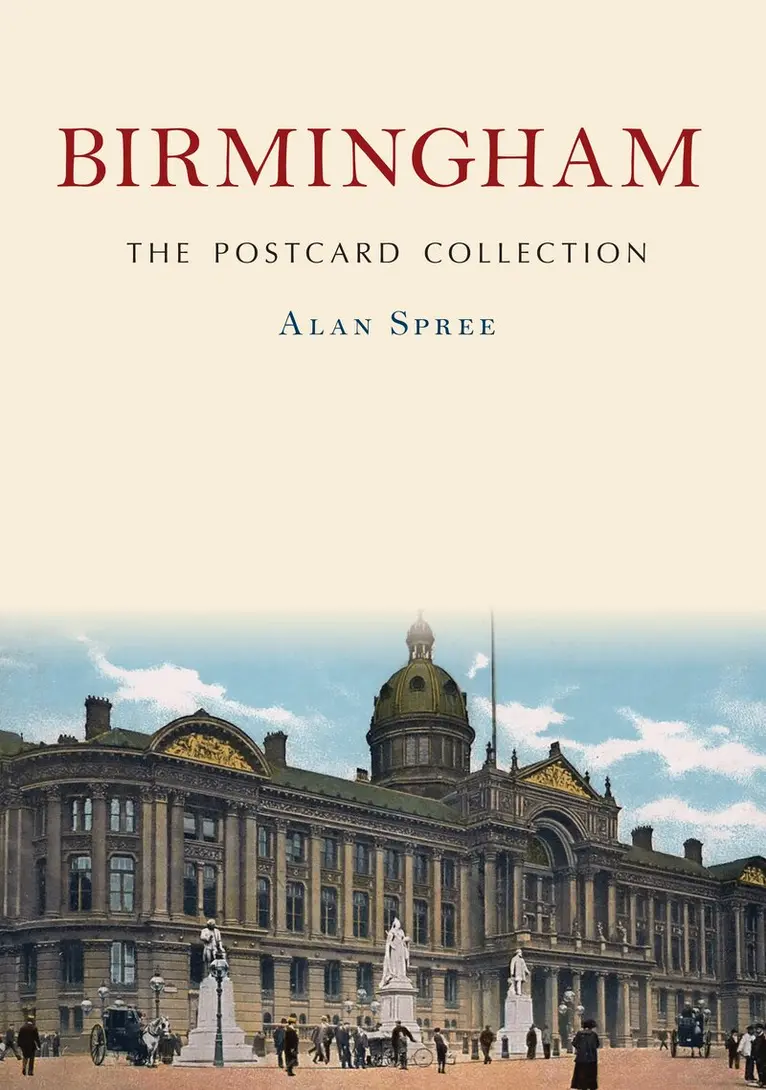
Birmingham expanded massively in the eighteenth and nineteenth centuries, becoming the second-largest city in Britain. It led the way in new technology and manufacturing during the Industrial Revolution, as well as being the cultural centre of the Midlands. Although the centre was severely damaged in aerial bombardment in the Second World War, and subsequently rebuilt in modern style in the post-war era, much of historical Birmingham remains alongside the city’s new buildings and streets, criss-crossed by its distinctive canal network.In Birmingham: The Postcard Collection author Alan Spree has drawn on a remarkable selection of old postcards to give a pictorial record of life in the city’s past. Although some of the historical Birmingham seen in these views has been lost, many landmarks have remained and will be familiar today. This fascinating collection of images will be of interest to those who have lived in Birmingham or know it well.
177 kr
Kommande
Walsingham is a large village in North Norfolk famous for its shrines of Mary. The original Shrine was built there in 1061 and attracted pilgrims from all over Europe. In the Middle Ages, it was said to be the fourth most important pilgrimage place after the Holy Land, Rome and Compostela in Spain. That all stopped with the Reformation in the 1530s, but memories remained. The Catholics refounded a Shrine at nearby Houghton in the 1890s and then the Anglicans did the same in Walsingham itself in the 1920s. Both shrines have grown since in popularity and size with many thousands of pilgrims visiting each year.In Walsingham and Around: The Postcard Collection the author has drawn on a remarkable selection of old postcards to give a pictorial record of life in Walsingham and the surrounding area in the past, including historical illustrations of the shrines, the village of Walsingham and its parish church before the shrine were refounded as well as the nearby villages of Great Walsingham, Warham and Wighton, East Barsham and Binham, Stiffkey and Hindringham. Although some of the buildings seen in these views have been lost, many landmarks remain, with changes, and will be familiar today. This fascinating collection of images will be of interest to those who visit or who have lived in the Walsingham area of North Norfolk.
177 kr
Kommande
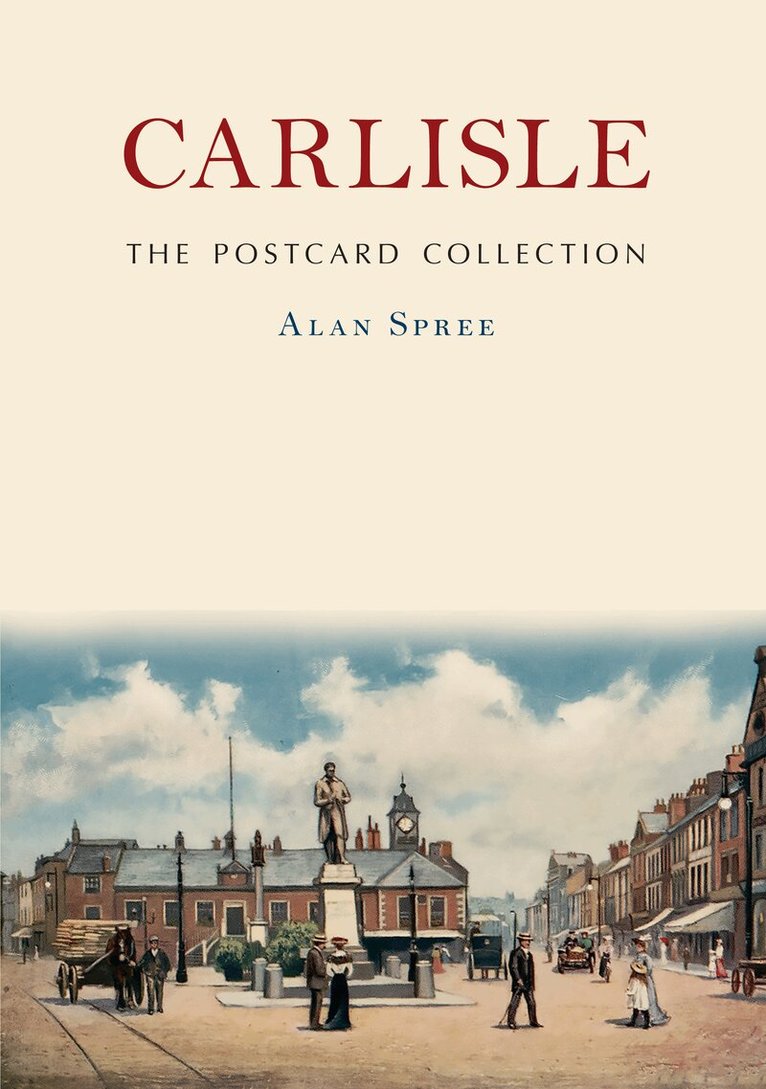
Carlisle has long been a strategically important border city. Close to the English border with Scotland the city was heavily fortified through the centuries, and its medieval castle and cathedral are still prominent. The city was industrialised in the nineteenth century and the Victorian era saw the city extended with large areas of new housing built for the workers. Although the city centre has been redeveloped in recent decades much of the historic city of Carlisle remains today.In Carlisle: The Postcard Collection the author has drawn on a remarkable selection of old postcards to give a pictorial record of life in Carlisle in the past. Although some of the historical Carlisle seen in these views has been lost, many landmarks have remained and will be familiar today. The postcards show the changes in Carlisle’s fabric and its community adapting and changing over the course of this period. This fascinating collection of images will be of interest to those who have lived in Carlisle or know it well.
165 kr
Skickas inom 11-20 vardagar
The picturesque fishing village of Robin Hood’s Bay is 5 miles south of Whitby and 15 miles north of Scarborough on the coast of North Yorkshire. Now a popular tourist destination with its distinctive maze of tiny streets tumbling down the cliffs, the village was once synonymous with smuggling and there is reputed to be a network of subterranean passageways linking the houses. Fishing, which had always been the main legitimate activity in the village, started to decline in the late nineteenth century and today most of the local income comes from tourism.Robin Hood’s Bay: The Postcard Collection takes the reader on an evocative journey into the former fishing village’s past through a selection of old postcards that offer a fascinating window into its history.
177 kr
Skickas
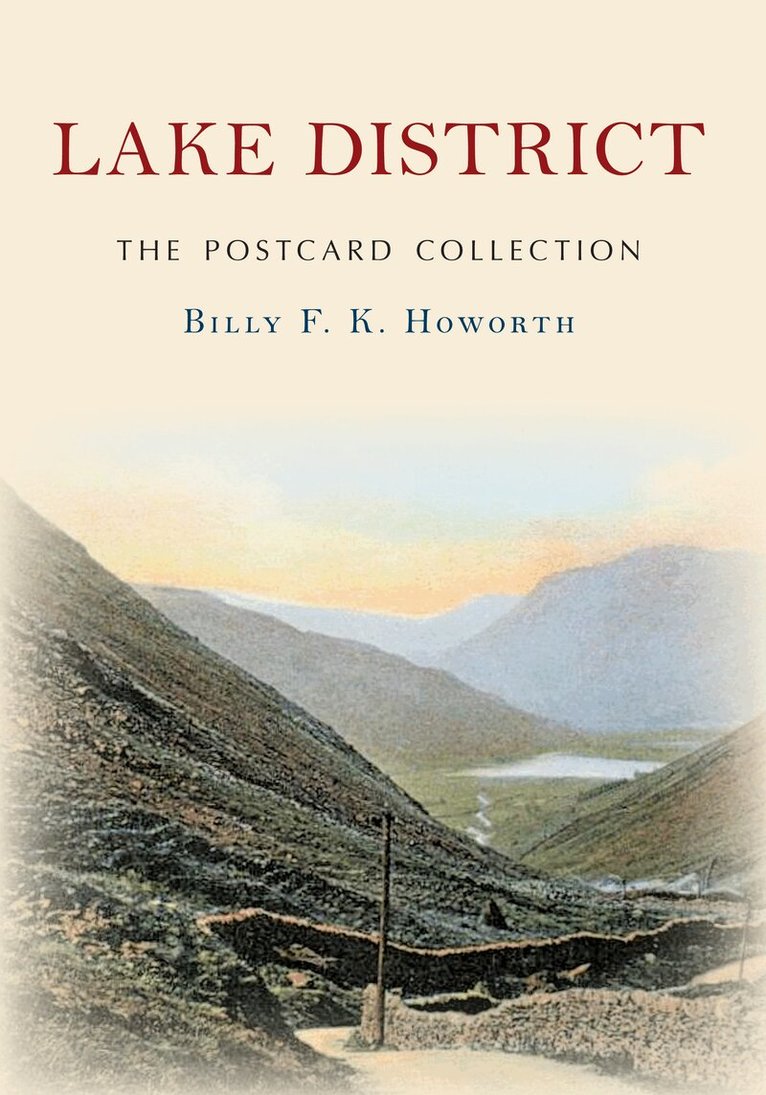
The Lake District is one of Britain’s most popular tourist gems, nestled at the heart of the North West. The villages and mountains have been an inspiration for writers, artists and climbers over the centuries, from Wordsworth and Coleridge, to Beatrix Potter and Ruskin. Throughout this period the Lakeland villages, including Windermere, Ambleside and Keswick, have grown and developed and the lives of locals have changed as the area has opened up to visitors, aided by the introduction of the railway and motor vehicles.Lake District: The Postcard Collection takes the reader on a nostalgic journey into the villages, mountains and landscapes through a selection of old postcards which offer a fascinating window into this beautiful area of the country.
304 kr
Skickas inom 3-6 vardagar
The Borough of Trafford includes Flixton, Urmston, Davyhulme, Stretford, Old Trafford, Ashton-on-Mersey, Sale, Bowdon, Hale, Hale Barns and Altrincham, as well as Partington, Carrington, Timperley and Trafford Park. North and South Trafford are separated by the River Mersey, the historic boundary between Lancashire and Cheshire until the Borough’s formation. Trafford is also home to Manchester United Football Club, Lancashire County Cricket Club, the Imperial War Museum North and the Trafford Centre.In Trafford: The Postcard Collection the various towns of the Borough are represented, including lesser-known views of the Trafford Park industrial estate and rural views of Carrington, Ashton-on-Mersey and Partington, which are often overlooked. The book takes the reader on an evocative journey into Trafford’s past through a selection of old postcards that offer a fascinating window into the history of this area of north-west England.