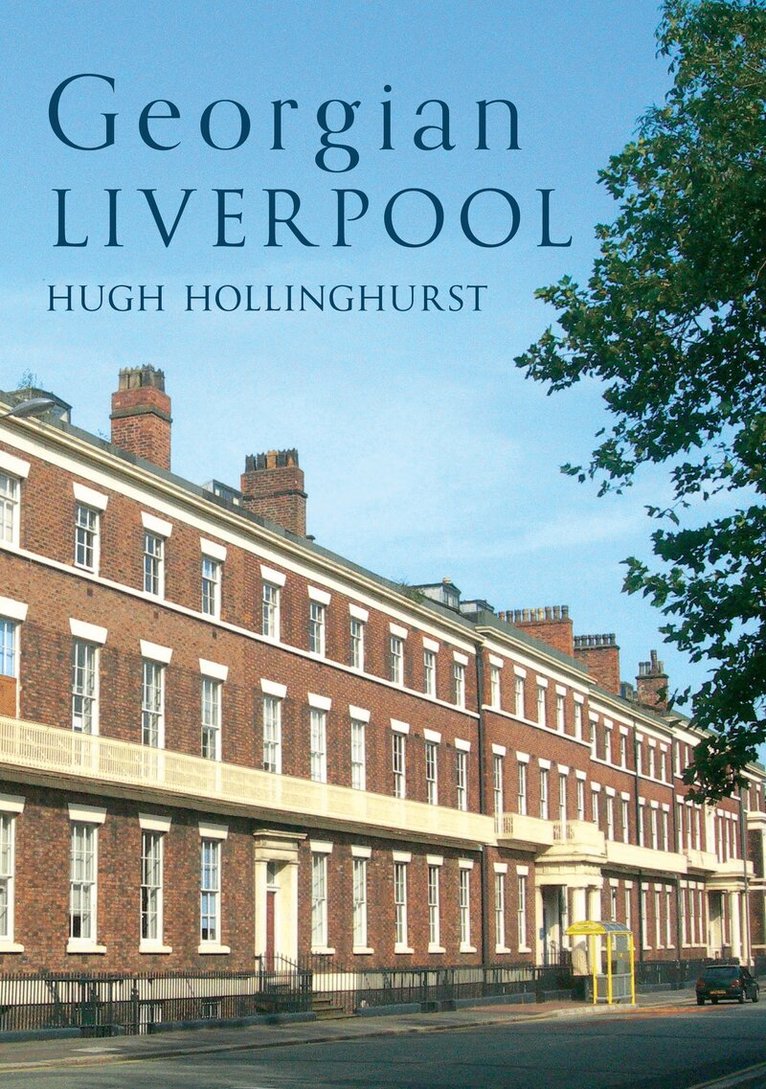
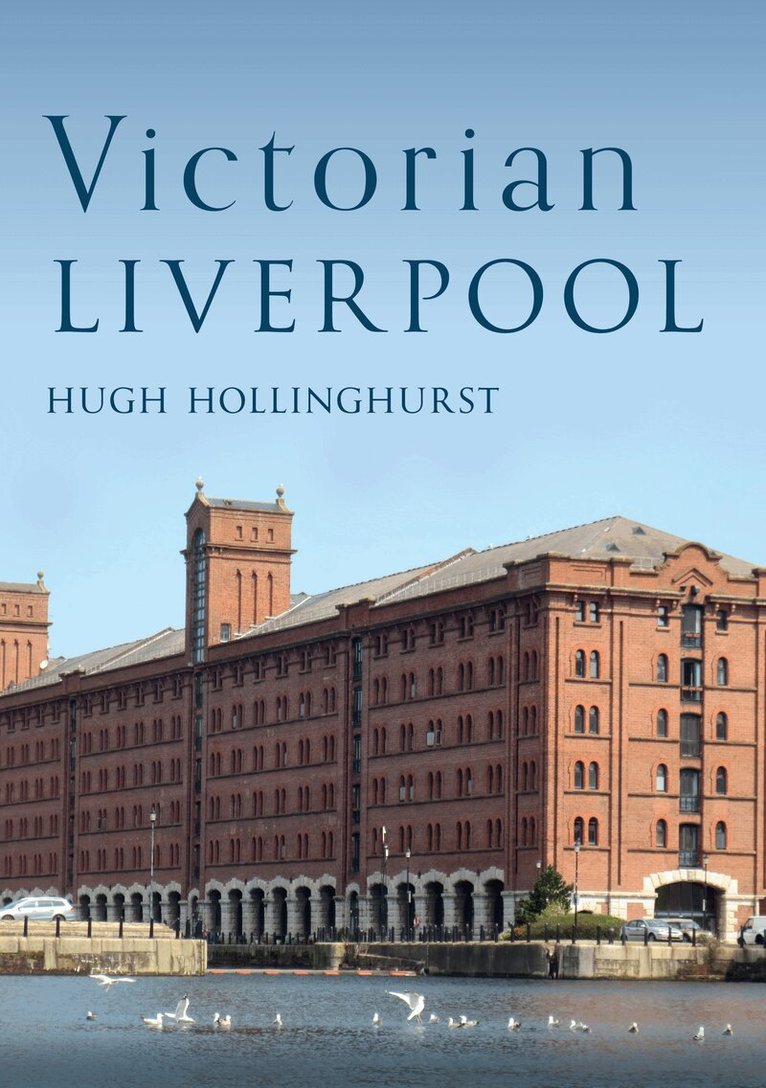
Liverpool grew rapidly in the Georgian period as it was a major port for Atlantic trade, rivalling any other city in the UK outside London in terms of prosperity and population. During the eighteenth and nineteenth centuries the city embarked on an ambitious building programme to demonstrate its new-found wealth and power. Although some of these buildings have been lost today, much of Georgian Liverpool remains. A vital part of the city’s heritage is the legacy of the Georgian town planners and the magnificent buildings they have left behind.In this book author Hugh Hollinghurst explores the Georgian buildings of Liverpool. Alongside the well-known landmarks and public buildings, there are docks, commercial and industrial buildings, churches and a wealth of squares, streets, terraces and individual houses that survive from that era. The author also covers Georgian buildings in Liverpool that are no longer standing, including other dock and mercantile buildings, lost public structures, leisure and entertainment venues and churches. Illustrated throughout, all those interested in the history of Liverpool will find this a fascinating exploration of the Georgian heritage of this city.
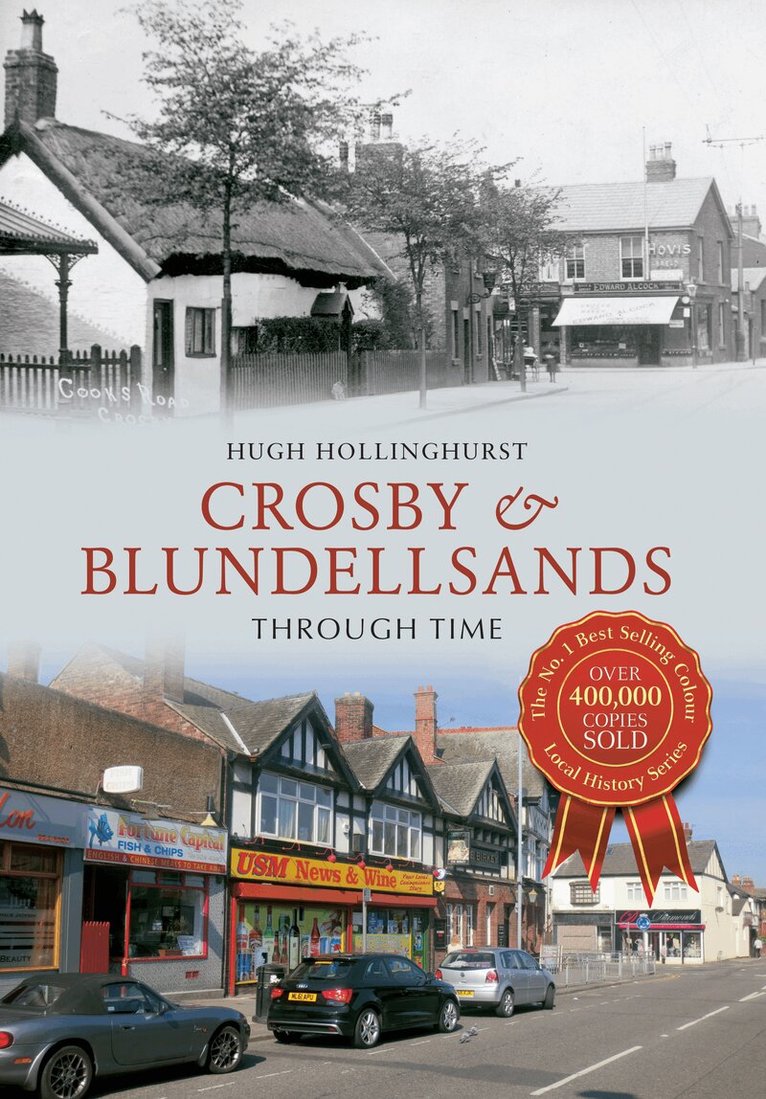
Christened by the Vikings 'the village by the cross', Crosby was a remote farming settlement until the advent of the railway. Little Crosby is still a village, but Great Crosby has been transformed into a leafy suburb of Liverpool. Recently, its centre has changed dramatically, but illuminating traces of its picturesque and historic past remain. Little Crosby retains its Catholic character and rustic look, with Crosby Hall, home of the Blundell family, an intrinsic part of the community. Blundellsands was founded by the Blundells in the late nineteenth century, designed on spacious lines for the affluent members of Liverpool society as a haven from the work place. They were attracted by the wonderful views over the shore from Liverpool to the Wirral, and the mountains of North Wales and the Irish Sea. It has successfully weathered the ravages of erosion and developers, and is now graced by the iron men of Antony Gormley's Another Place.
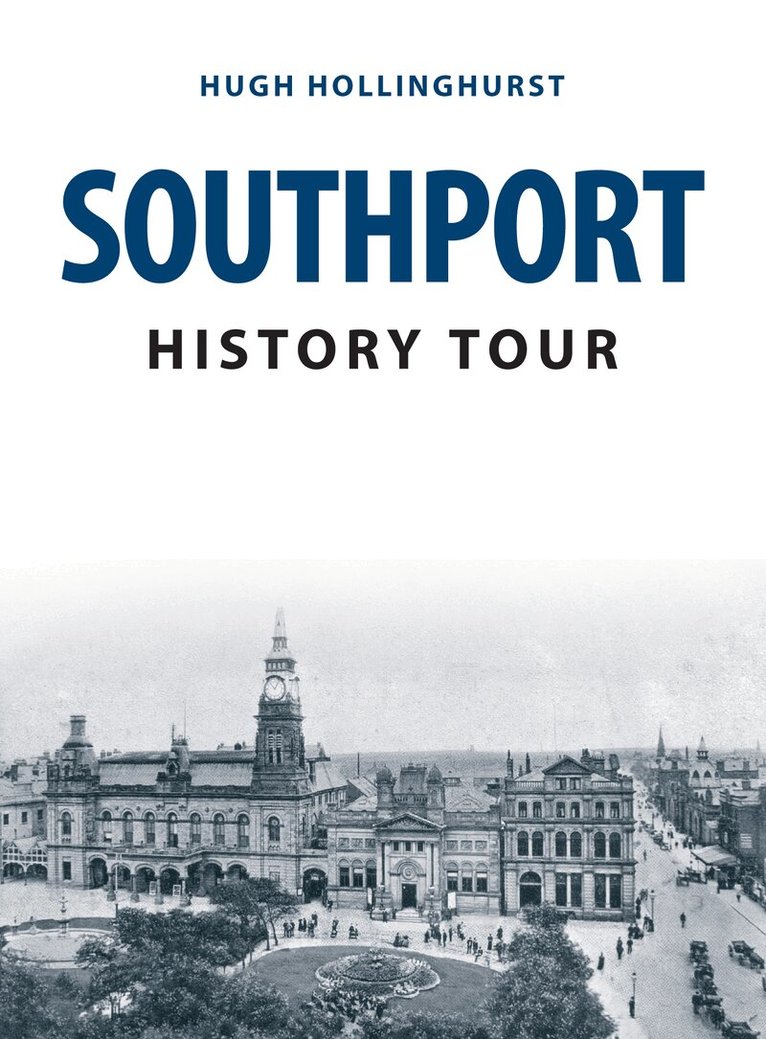
Southport History Tour is a unique insight into the fascinating history of this attractive seaside town on the Merseyside coast and shows just how much it has changed during the course of the nineteenth and twentieth centuries. Readers are invited to follow local author and historian Hugh Hollinghurst as he guides them through its streets and promenades, its parks and open spaces, pointing out the well-known and lesser-known landmarks along the way.
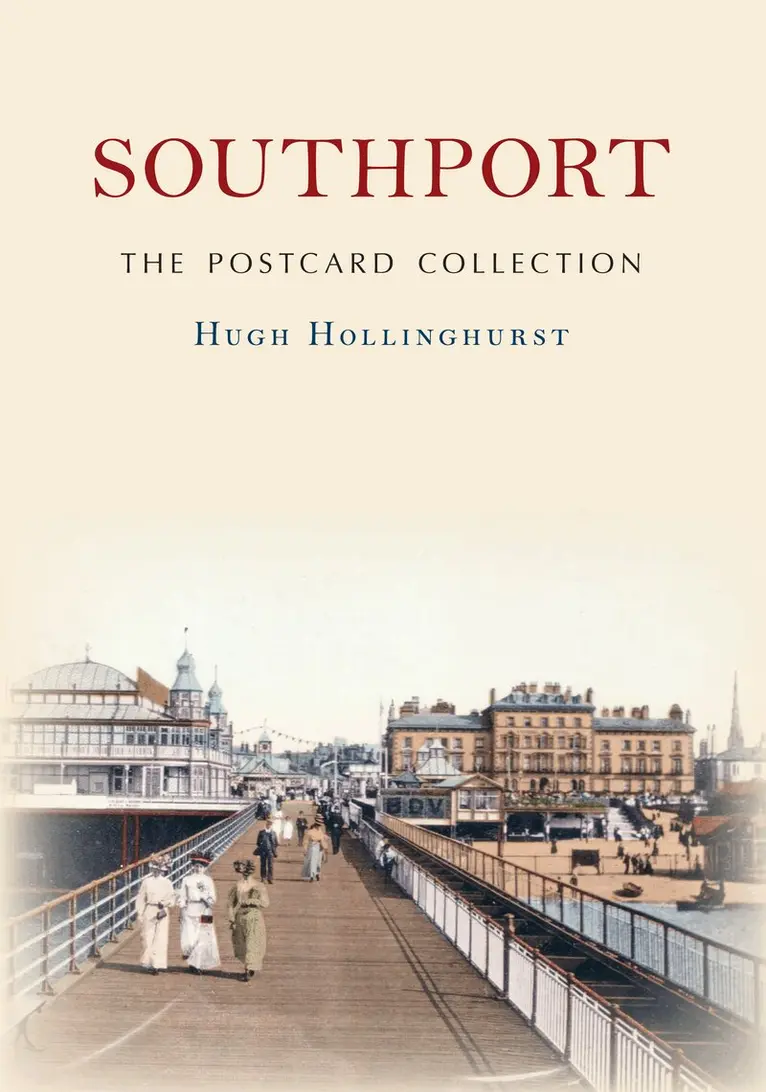
Southport: The Postcard Collection takes the reader back in time to the golden age of the postcard as it illustrates a resort that was one of the most fashionable in the country during the Edwardian era. A variety of cards is included, ranging from street and beach scenes to aerial views, humorous sketches and historical illustrations. This book will help to build up a picture of the life, leisure and pleasures of a vibrant seaside town of the period. Starting with the Promenade and Pier, the author explores the beach and its entertainments, then the parks and gardens, transpot in the town, and the suburbs.
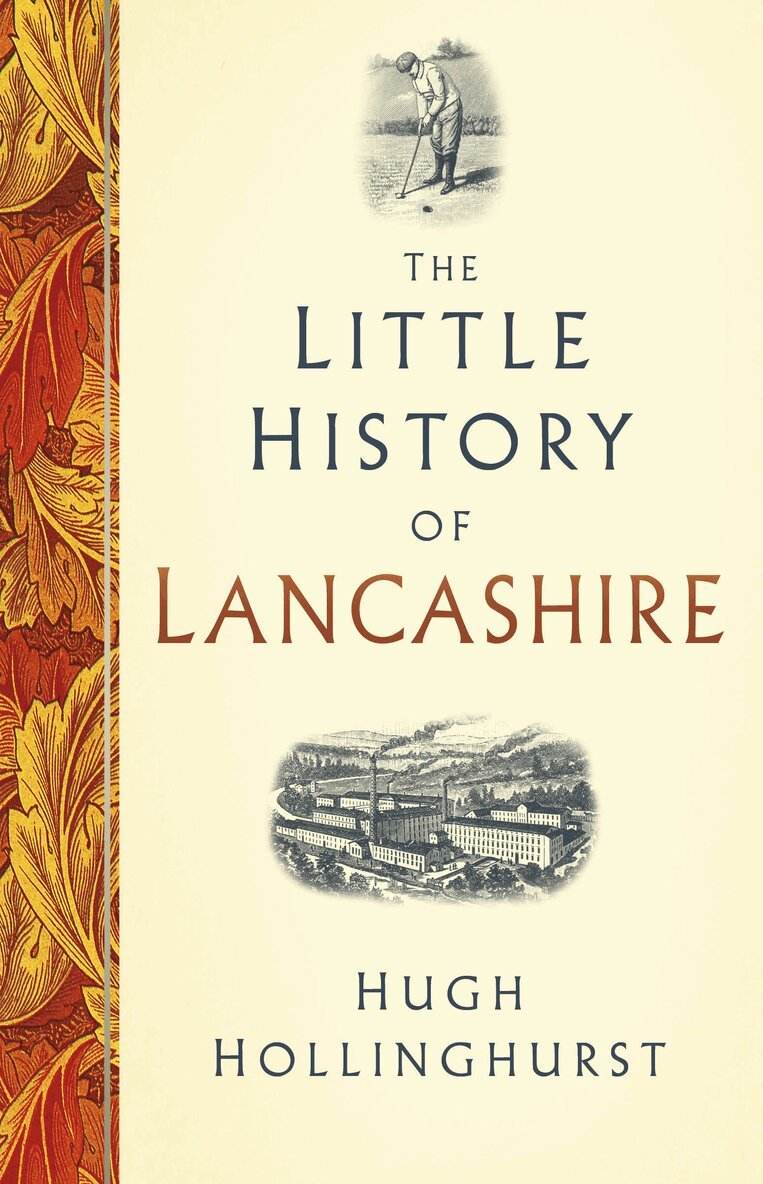
The Historic County of Lancashire once stretched from Coniston Water in the Lake District in the north to the River Mersey in the south. It was the scene of Georgian triumph and tragedy in the first Industrial Revolution, and philanthropy and civil rights struggles in the Victorian era, followed by decline, renewal and hope for the future.From the formation of the county’s terrain in the Ice Age and its earliest occupation by the Celts, through Roman occupation, the arrival of the Normans and the turbulence of civil war, Hugh Hollinghurst guides us through the ups and downs of Lancastrian history. Complete with illustrations and photographs, The Little History of Lancashire is the story of those who suffered – and those that benefited.
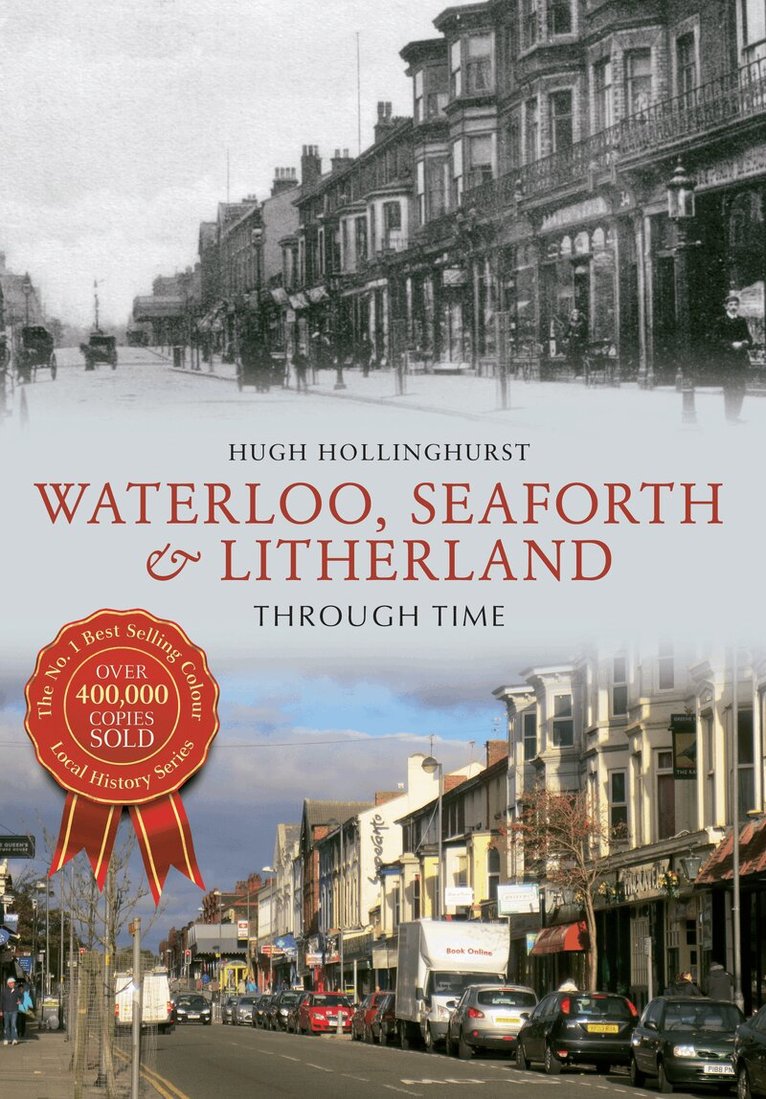
Owing its name to the famous battle, Waterloo is nearly two centuries old. Growing inland from an attractive seafront, it has retained its character and most of its buildings during that time. It has attracted the attention of photographers who have left an illuminating record of the past comparable with the still recognisable present. In contrast, Litherland was an agricultural community from the Domesday Book until industrialisation. William Gladstone's father built Seaforth House, which gave its name to the area. Others were encouraged to build magnificent residences enjoying views over sandy shores. The houses have disappeared and the Royal Seaforth Container Dock has changed the shoreline almost beyond recognition. This book recreates the old village life and chronicles the changing scenery.
Liverpool grew rapidly in the Georgian period as it was a major port for Atlantic trade, rivalling any other city in the UK outside London in terms of prosperity and population. During the eighteenth and nineteenth centuries the city embarked on an ambitious building programme to demonstrate its new-found wealth and power. Although some of these buildings have been lost today, much of Georgian Liverpool remains. A vital part of the city’s heritage is the legacy of the Georgian town planners and the magnificent buildings they have left behind.In this book author Hugh Hollinghurst explores the Georgian buildings of Liverpool. Alongside the well-known landmarks and public buildings, there are docks, commercial and industrial buildings, churches and a wealth of squares, streets, terraces and individual houses that survive from that era. The author also covers Georgian buildings in Liverpool that are no longer standing, including other dock and mercantile buildings, lost public structures, leisure and entertainment venues and churches. Illustrated throughout, all those interested in the history of Liverpool will find this a fascinating exploration of the Georgian heritage of this city.
Christened by the Vikings 'the village by the cross', Crosby was a remote farming settlement until the advent of the railway. Little Crosby is still a village, but Great Crosby has been transformed into a leafy suburb of Liverpool. Recently, its centre has changed dramatically, but illuminating traces of its picturesque and historic past remain. Little Crosby retains its Catholic character and rustic look, with Crosby Hall, home of the Blundell family, an intrinsic part of the community. Blundellsands was founded by the Blundells in the late nineteenth century, designed on spacious lines for the affluent members of Liverpool society as a haven from the work place. They were attracted by the wonderful views over the shore from Liverpool to the Wirral, and the mountains of North Wales and the Irish Sea. It has successfully weathered the ravages of erosion and developers, and is now graced by the iron men of Antony Gormley's Another Place.
Southport History Tour is a unique insight into the fascinating history of this attractive seaside town on the Merseyside coast and shows just how much it has changed during the course of the nineteenth and twentieth centuries. Readers are invited to follow local author and historian Hugh Hollinghurst as he guides them through its streets and promenades, its parks and open spaces, pointing out the well-known and lesser-known landmarks along the way.
Southport: The Postcard Collection takes the reader back in time to the golden age of the postcard as it illustrates a resort that was one of the most fashionable in the country during the Edwardian era. A variety of cards is included, ranging from street and beach scenes to aerial views, humorous sketches and historical illustrations. This book will help to build up a picture of the life, leisure and pleasures of a vibrant seaside town of the period. Starting with the Promenade and Pier, the author explores the beach and its entertainments, then the parks and gardens, transpot in the town, and the suburbs.
The Historic County of Lancashire once stretched from Coniston Water in the Lake District in the north to the River Mersey in the south. It was the scene of Georgian triumph and tragedy in the first Industrial Revolution, and philanthropy and civil rights struggles in the Victorian era, followed by decline, renewal and hope for the future.From the formation of the county’s terrain in the Ice Age and its earliest occupation by the Celts, through Roman occupation, the arrival of the Normans and the turbulence of civil war, Hugh Hollinghurst guides us through the ups and downs of Lancastrian history. Complete with illustrations and photographs, The Little History of Lancashire is the story of those who suffered – and those that benefited.
Owing its name to the famous battle, Waterloo is nearly two centuries old. Growing inland from an attractive seafront, it has retained its character and most of its buildings during that time. It has attracted the attention of photographers who have left an illuminating record of the past comparable with the still recognisable present. In contrast, Litherland was an agricultural community from the Domesday Book until industrialisation. William Gladstone's father built Seaforth House, which gave its name to the area. Others were encouraged to build magnificent residences enjoying views over sandy shores. The houses have disappeared and the Royal Seaforth Container Dock has changed the shoreline almost beyond recognition. This book recreates the old village life and chronicles the changing scenery.