Nigel Sadler - Böcker
Visar alla böcker från författaren Nigel Sadler. Handla med fri frakt och snabb leverans.
6 produkter
6 produkter
108 kr
Skickas inom 10-15 vardagar
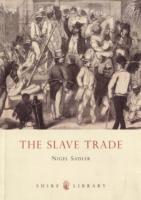
This book gives an overview of the trans-Atlantic slave trade from its sixteenth century beginnings until its final absolution in the nineteenth century. It covers the main countries involved and explains the inner workings of the trade and the developments that made it easier and more profitable as the centuries passed. On the human level, this book uses the stories of the enslaved, often in their own words, to try to convey the horrors endured by these victims. Finally, it details the fight against slavery both by politicians such as William Wilberforce and by the military might of the Royal Navy.
170 kr
Tillfälligt slut
The British West Indies cover a distinct geographical area. However, the countries within it have their own histories, sometimes overlapping, sometimes very different. British West Indies: The Postcard Collection brings together over 100 postcards showing the region's commonalities and differences. The British West Indies were an important economic source for the British Empire, supplying sugar, coffee, tobacco and cocoa. During the First and Second World Wars, many men joined up to fight for Britain, and many young citizens later emigrated to help the country recover and rebuild its economy. Today, many see the countries of the British West Indies only as wonderful holiday spots with sand, sea and sun. However, scratch the surface and one will discover a fascinating and chequered history.
173 kr
Tillfälligt slut
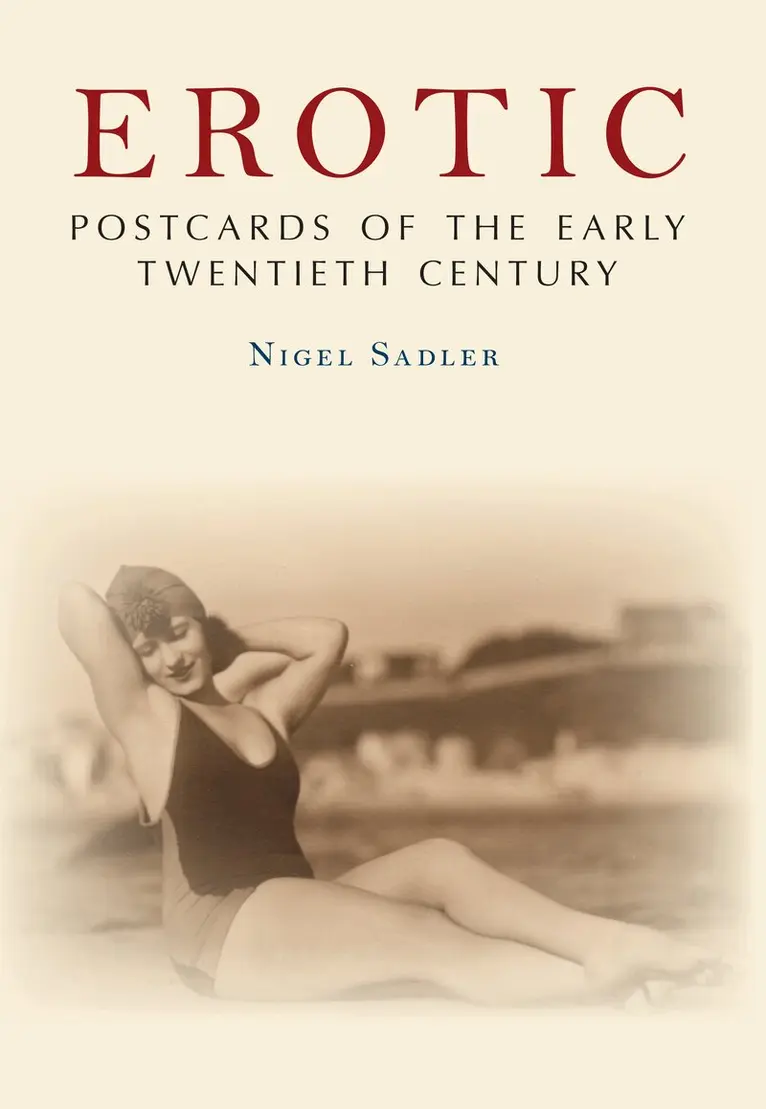
At the dawn of photography photographers had no limits. Using the traditional styles employed by past masters in their paintings of the naked human form, the postcards demonstrate that early twentieth-century photographers appreciated and respected the female form, offering more than just mere titillation.Through this book Nigel Sadler explores changes in social attitudes, fashions and technology through the medium of erotic postcards.As demand grew for these postcards the pretence that they were fine art was soon lost and hundreds of thousands of images became available showing women in varying degrees of undress. In Britain these images were illegal and the trade in them was hidden. These cards were often sold ‘under the counter’ in tobacconists, newsagents and book shops and there were court cases brought against shop owners under obscenity laws.This book looks at the different styles ranging from the partly clad to full nude and the different genre including risqué, ethnographic and the developing interest in naturism.
163 kr
Skickas inom 11-20 vardagar
Museums play an important part of twenty-first-century life for residents of the United Kingdom. Either as places of education or entertainment, most of us would consider a visit to a museum or art gallery as part of any holiday. However, for a sector that prides itself in telling stories of a wide variety of cultures and historical periods, it has done a pretty bad job of promoting and recording how the museums of the United Kingdom were founded and how they grew to be such an important part of regional and national identity.Museums: The Postcard Collection looks at the development of museums by utilising images created during the heyday of the postcard, 1890s–1930s. It illustrates how many of the well-known institutions were founded and grew, and records some museums that no longer exist.
160 kr
Tillfälligt slut
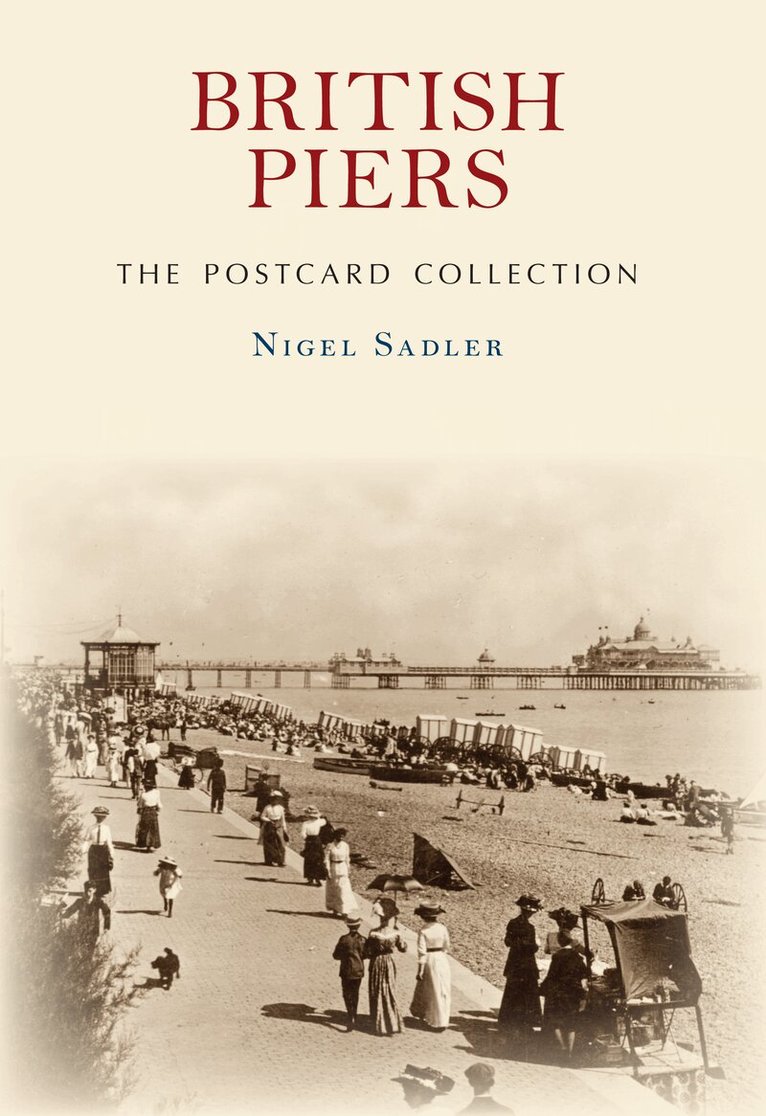
Few countries went through the level of interest and development of pleasure piers like the United Kingdom. Built during the Victorian age and early twentieth century, they hark back to a romanticised British coastal holiday – donkey rides on the beach, paddling in the sea and strolling along the pier partaking in the penny amusement arcades and the end of the pier show. Coastal towns often developed promenades along the sea front so that people could take in the sea air and would have easy access to the beach to gain the health benefits of salt water swimming. Some promenades were extended into the sea as pleasure piers. The National Pier Society record that ninety-nine such pleasure piers were built, but many dock sides and harbour walls also provided areas for tourists to promenade and adopted the title of ‘pier’.This book takes the reader through the evolution of the pleasure piers, from their heyday to the often sad decline and demolition, using early twentieth-century postcards capturing the piers in their prime and, in some cases, capturing their mishaps.
173 kr
Skickas
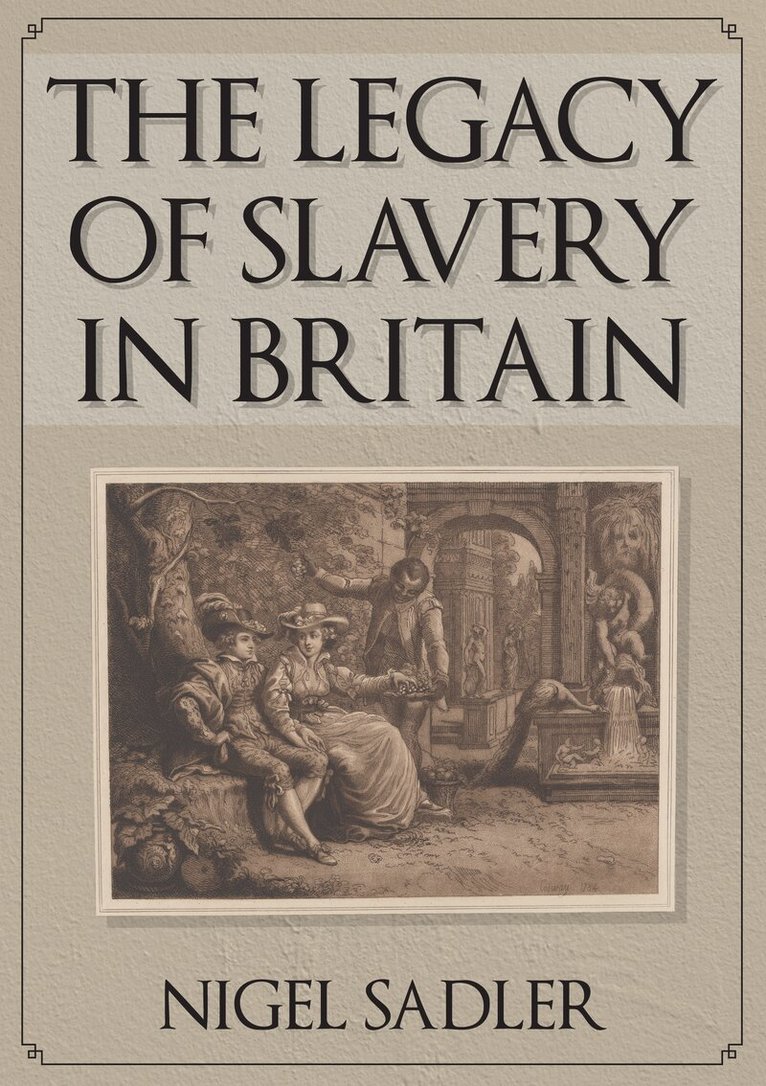
Slavery was illegal in Britain, but the transatlantic slave trade left a physical mark on the UK. There are monuments to philanthropists who made their wealth through slavery, there were houses built from the profits made from slavery, and enslaved labour was used to produce items such as sugar and cotton. Many city landscapes bear the names of those involved or who profited. This book will tell the story of the legacy of the transatlantic slave trade on Britain. Author Nigel Sadler challenges misconceptions of the built British landscape and shows how profits from slavery went into the construction of many iconic buildings. He also explores how freed enslaved Africans left their mark on Britain and how those who opposed slavery, and those in favour of maintaining slavery, are represented in statues throughout the country.