Theory to Practice: Educational Psychology for Teachers and Teaching - Böcker
Visar alla böcker i serien . Handla med fri frakt och snabb leverans.
12 produkter
12 produkter
583 kr
Skickas inom 7-10 vardagar
Helping teachers understand and apply theory and research is one of the most challenging tasks of teacher preparation and professional development. As they learn about motivation and engagement, teachers need conceptually rich, yet easy-to-use, frameworks. At the same time, teachers must understand that student engagement is not separate from development, instructional decision-making, classroom management, student relationships, and assessment. This volume on teaching teachers about motivation addresses these challenges. The authors share multiple approaches and frameworks to cut through the growing complexity and variety of motivational theories, and tie theory and research to real-world experiences that teachers are likely to encounter in their courses and classroom experiences. Additionally, each chapter is summarized with key “take away” practices.A shared perspective across all the chapters in this volume on teaching teachers about motivation is “walking the talk.” In every chapter, readers will be provided with rich examples of how research on and principles of classroom motivation can be re-conceptualized through a variety of college teaching strategies. Teachers and future teachers learning about motivation need to experience explicit modeling, practice, and constructive feedback in their college courses and professional development in order to incorporate those into their own practice. In addition, a core assumption throughout this volume is the importance of understanding the situated nature of motivation, and avoiding a “one-size-fits” all approach in the classroom. Teachers need to fully interrogate their instructional practices not only in terms of motivational principles, but also for their cultural relevance, equity, and developmental appropriateness.Just like P-12 students, college students bring their histories as learners and beliefs about motivation to their formal study of motivation. That is why college instructors teaching motivation must begin by helping students evaluate their personal beliefs and experiences. Relatedly, college instructors need to know their students and model differentiating their interactions to support each of them. The authors in this volume have, collectively, decades of experience teaching at the college level and conducting research in motivation, and provide readers with a variety of strategies to help teachers and future teachers explore how motivation is supported and undermined. In each chapter in this volume, readers will learn how college instructors can demonstrate what effective, motivationally supportive classrooms look, sound, and feel like.
1 032 kr
Skickas inom 7-10 vardagar
Helping teachers understand and apply theory and research is one of the most challenging tasks of teacher preparation and professional development. As they learn about motivation and engagement, teachers need conceptually rich, yet easy-to-use, frameworks. At the same time, teachers must understand that student engagement is not separate from development, instructional decision-making, classroom management, student relationships, and assessment. This volume on teaching teachers about motivation addresses these challenges. The authors share multiple approaches and frameworks to cut through the growing complexity and variety of motivational theories, and tie theory and research to real-world experiences that teachers are likely to encounter in their courses and classroom experiences. Additionally, each chapter is summarized with key “take away” practices.A shared perspective across all the chapters in this volume on teaching teachers about motivation is “walking the talk.” In every chapter, readers will be provided with rich examples of how research on and principles of classroom motivation can be re-conceptualized through a variety of college teaching strategies. Teachers and future teachers learning about motivation need to experience explicit modeling, practice, and constructive feedback in their college courses and professional development in order to incorporate those into their own practice. In addition, a core assumption throughout this volume is the importance of understanding the situated nature of motivation, and avoiding a “one-size-fits” all approach in the classroom. Teachers need to fully interrogate their instructional practices not only in terms of motivational principles, but also for their cultural relevance, equity, and developmental appropriateness.Just like P-12 students, college students bring their histories as learners and beliefs about motivation to their formal study of motivation. That is why college instructors teaching motivation must begin by helping students evaluate their personal beliefs and experiences. Relatedly, college instructors need to know their students and model differentiating their interactions to support each of them. The authors in this volume have, collectively, decades of experience teaching at the college level and conducting research in motivation, and provide readers with a variety of strategies to help teachers and future teachers explore how motivation is supported and undermined. In each chapter in this volume, readers will learn how college instructors can demonstrate what effective, motivationally supportive classrooms look, sound, and feel like.
583 kr
Skickas inom 7-10 vardagar
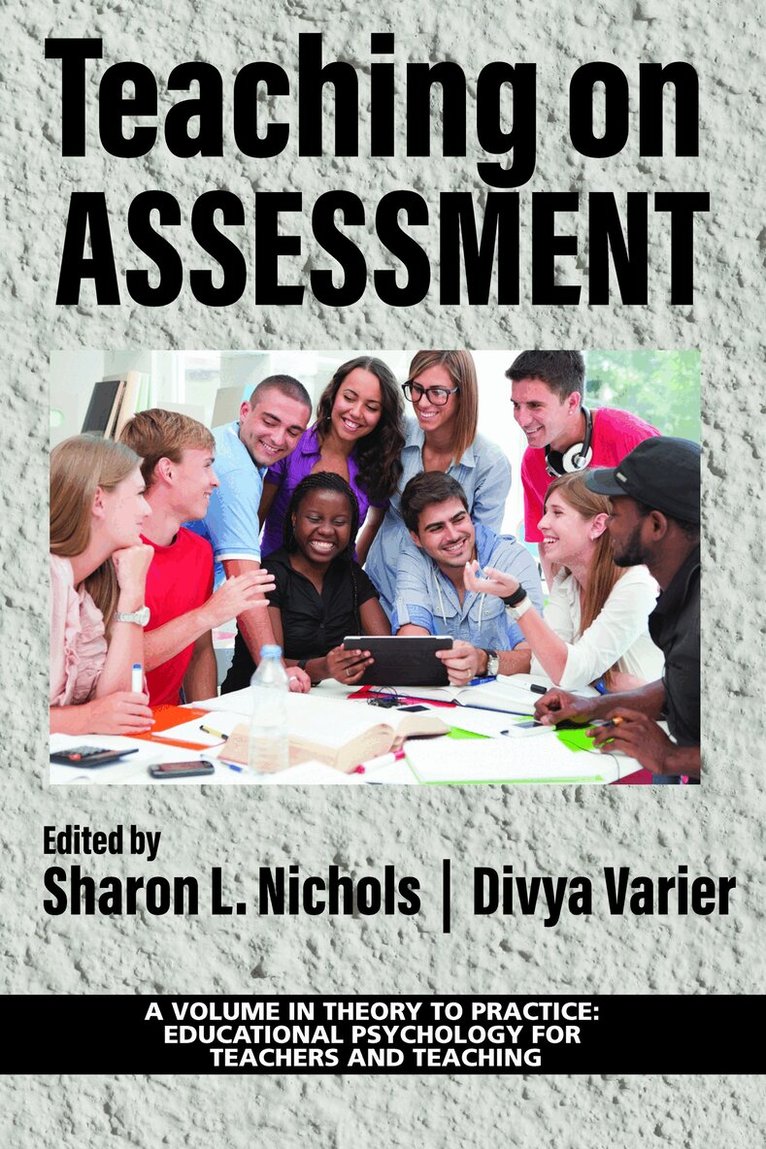
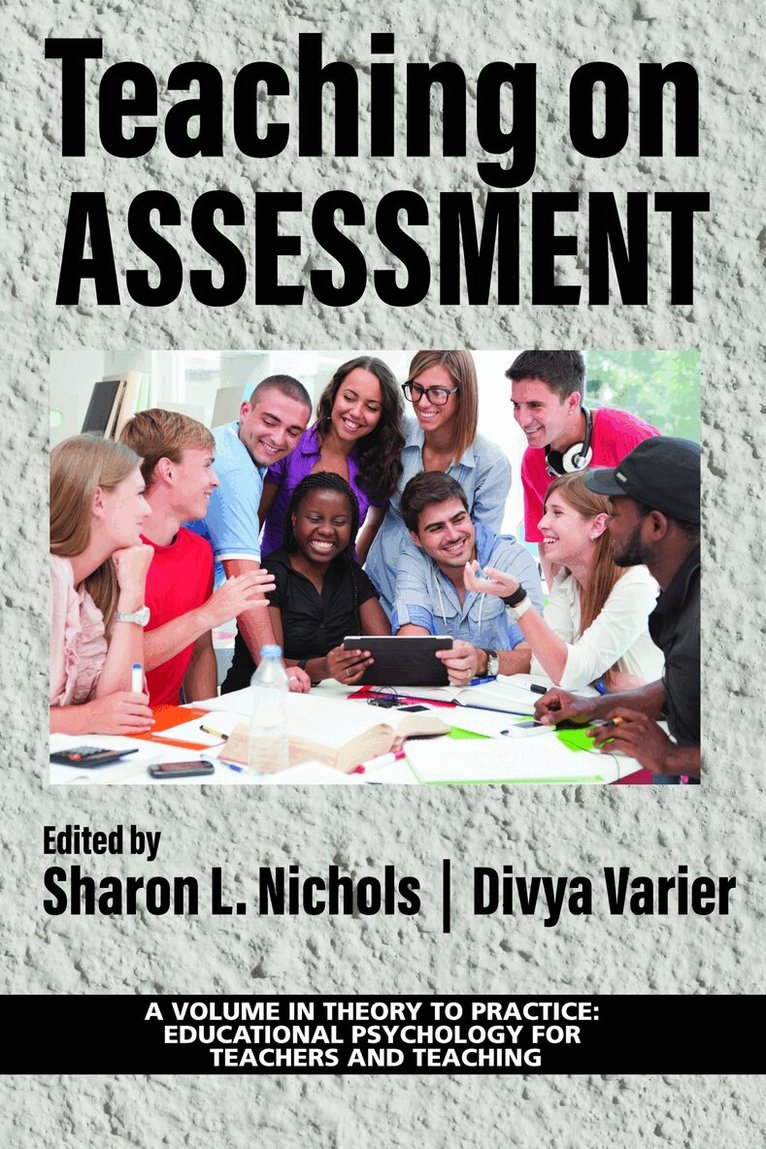
In an age where the quality of teacher education programs has been called into question, it is more important than ever that teachers have a fundamental understanding of the principles of human learning, motivation, and development. Theory to Practice: Educational Psychology for Teachers and Teaching is a series for those who teach educational psychology in teacher education programs. At a time when educational psychology is at risk of becoming marginalized, it is imperative that we, as educators, “walk our talk” in serving as models of what effective instruction looks like. Each volume in the series draws upon the latest research to help instructors model fundamental principles of learning, motivation, and development to best prepare their students for the diverse, multidimensional, uncertain, and socially-embedded environments in which these future educators will teach.The inaugural volume, Teaching on Assessment, is centered on the role of assessment in teaching and learning. Each chapter translates current research on critical topics in assessment for educational psychology instructors and teacher educators to consider in their teaching of future teachers. Written for practitioners, the aim is to present contemporary issues and ideas that would help teachers engage in meaningful assessment practice. This volume is important not only because of the dwindling presence of assessment-related instructional content in teacher preparation programs, but also because the policy changes in the last two decades have transformed the meaning and use of assessment in K-12 classrooms.
1 032 kr
Skickas inom 7-10 vardagar
In an age where the quality of teacher education programs has been called into question, it is more important than ever that teachers have a fundamental understanding of the principles of human learning, motivation, and development. Theory to Practice: Educational Psychology for Teachers and Teaching is a series for those who teach educational psychology in teacher education programs. At a time when educational psychology is at risk of becoming marginalized, it is imperative that we, as educators, “walk our talk” in serving as models of what effective instruction looks like. Each volume in the series draws upon the latest research to help instructors model fundamental principles of learning, motivation, and development to best prepare their students for the diverse, multidimensional, uncertain, and socially-embedded environments in which these future educators will teach.The inaugural volume, Teaching on Assessment, is centered on the role of assessment in teaching and learning. Each chapter translates current research on critical topics in assessment for educational psychology instructors and teacher educators to consider in their teaching of future teachers. Written for practitioners, the aim is to present contemporary issues and ideas that would help teachers engage in meaningful assessment practice. This volume is important not only because of the dwindling presence of assessment-related instructional content in teacher preparation programs, but also because the policy changes in the last two decades have transformed the meaning and use of assessment in K-12 classrooms.
583 kr
Skickas inom 7-10 vardagar
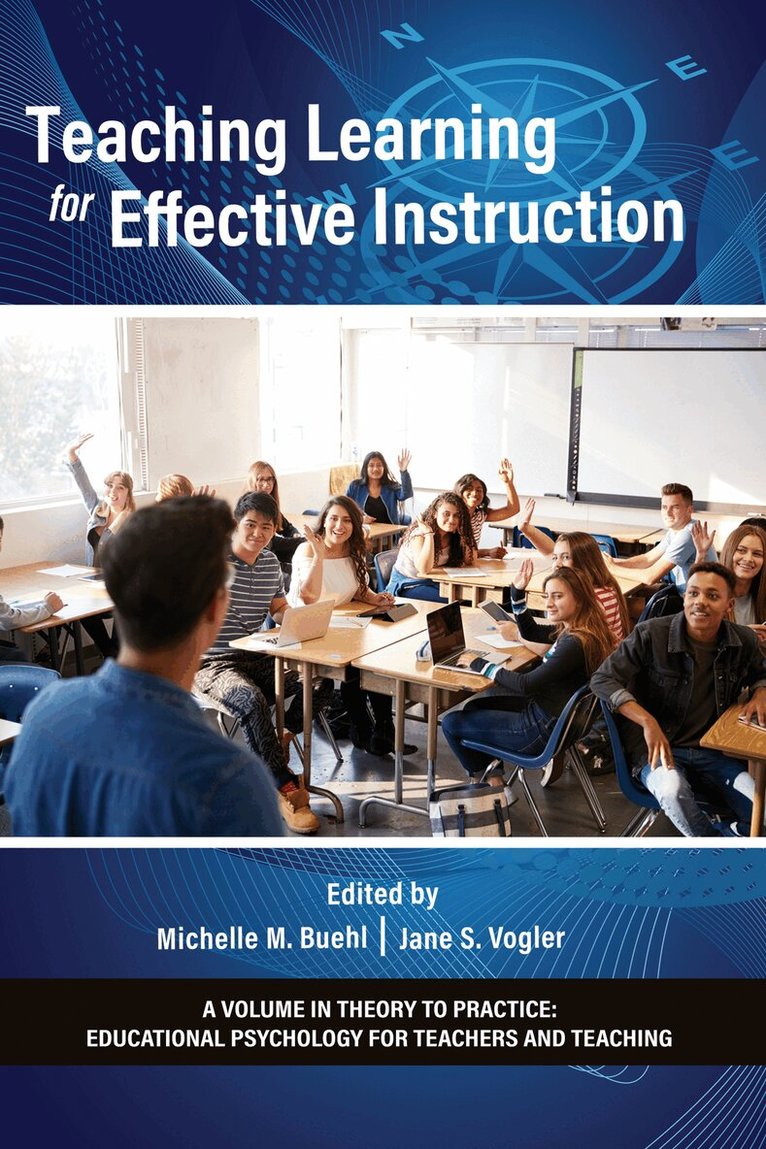
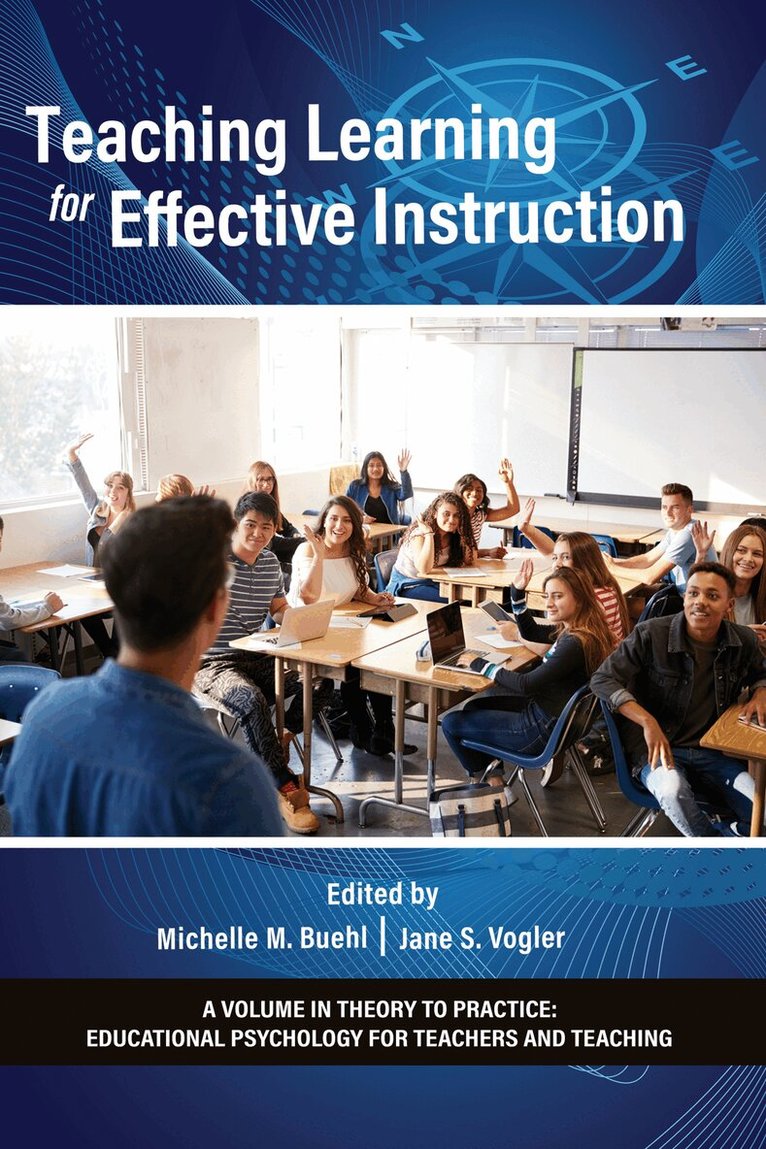
Given the complexity of learning, an increasingly diverse student population, and growing demands on today’s teachers, educational psychology has never been more relevant for informing instructional practice. Notably, an understanding of learning, both what it is and how it occurs, is essential for teachers to design and implement effective instruction that is responsive to the needs of their learners. As part of the six-part series Theory to Practice: Educational Psychology for Teachers and Teaching, this volume highlights what and how teacher educators should teach about learning so that developing teachers will be more effective in their instructional practice.Preservice teachers represent a group of unique learners; in that they are learning about learning in order to support others’ learning. Similarly, teacher educators represent a unique group of educators in that they are guiding others in not just content knowledge but also in how to teach content across a variety of domains. As a means to highlight the ideas and constructs most essential for preservice teachers to learn, this volume was crafted for teacher educators, whether teaching educational psychology content incorporated into domain-specific courses or in a dedicated educational psychology course. Each chapter offers insight into what teachers need to know about learning as well as practical applications for how to teach the content. Chapters draw from a variety of theoretical perspectives about learning and identify common misconceptions that educational psychology instructors and teacher educators need to address in their work with preservice teachers.
1 032 kr
Skickas inom 7-10 vardagar
Given the complexity of learning, an increasingly diverse student population, and growing demands on today’s teachers, educational psychology has never been more relevant for informing instructional practice. Notably, an understanding of learning, both what it is and how it occurs, is essential for teachers to design and implement effective instruction that is responsive to the needs of their learners. As part of the six-part series Theory to Practice: Educational Psychology for Teachers and Teaching, this volume highlights what and how teacher educators should teach about learning so that developing teachers will be more effective in their instructional practice.Preservice teachers represent a group of unique learners; in that they are learning about learning in order to support others’ learning. Similarly, teacher educators represent a unique group of educators in that they are guiding others in not just content knowledge but also in how to teach content across a variety of domains. As a means to highlight the ideas and constructs most essential for preservice teachers to learn, this volume was crafted for teacher educators, whether teaching educational psychology content incorporated into domain-specific courses or in a dedicated educational psychology course. Each chapter offers insight into what teachers need to know about learning as well as practical applications for how to teach the content. Chapters draw from a variety of theoretical perspectives about learning and identify common misconceptions that educational psychology instructors and teacher educators need to address in their work with preservice teachers.
583 kr
Skickas inom 7-10 vardagar
This book is the fourth volume in the six-part series Theory to Practice: Educational Psychology for Teachers and Teaching. The objective of most other volumes in this series is to help instructors apply and model fundamental principles of learning, assessment, motivation, and development in preparing their students for the diverse, multidimensional, uncertain, and socially-embedded classrooms in which these future educators will teach.This volume is a strong compliment to others in the series as it prepares readers to be better positioned to advocate for principles of psychology in their programs and departments, and to prepare preservice teachers to do likewise in the K-12 classrooms they will soon guide. Even more, this volume will help instructors in shaping pre-service teachers to be stronger advocates for their own students. This volume is organized around two themes: (1) Advocating for principles and practices of educational psychology, and (2) advocating for students. These themes go hand-in-hand. While advocating for educational psychology principles and evidence- based practices in their schools, teachers also are called upon to advocate for and empower historically marginalized groups of students. Topics in Part I include development of intercultural competency, implementation of professional learning communities, culturalizing the curriculum, journalistic learning, incorporation of inquiry learning, and universal design. Topics in Part II include supporting student self-advocacy, creating an allyship with LGBTQ+ students, advocating for victims of bullying, and supporting students with mental health needs.
1 032 kr
Skickas inom 7-10 vardagar
This book is the fourth volume in the six-part series Theory to Practice: Educational Psychology for Teachers and Teaching. The objective of most other volumes in this series is to help instructors apply and model fundamental principles of learning, assessment, motivation, and development in preparing their students for the diverse, multidimensional, uncertain, and socially-embedded classrooms in which these future educators will teach.This volume is a strong compliment to others in the series as it prepares readers to be better positioned to advocate for principles of psychology in their programs and departments, and to prepare preservice teachers to do likewise in the K-12 classrooms they will soon guide. Even more, this volume will help instructors in shaping pre-service teachers to be stronger advocates for their own students. This volume is organized around two themes: (1) Advocating for principles and practices of educational psychology, and (2) advocating for students. These themes go hand-in-hand. While advocating for educational psychology principles and evidence- based practices in their schools, teachers also are called upon to advocate for and empower historically marginalized groups of students. Topics in Part I include development of intercultural competency, implementation of professional learning communities, culturalizing the curriculum, journalistic learning, incorporation of inquiry learning, and universal design. Topics in Part II include supporting student self-advocacy, creating an allyship with LGBTQ+ students, advocating for victims of bullying, and supporting students with mental health needs.
519 kr
Skickas inom 7-10 vardagar
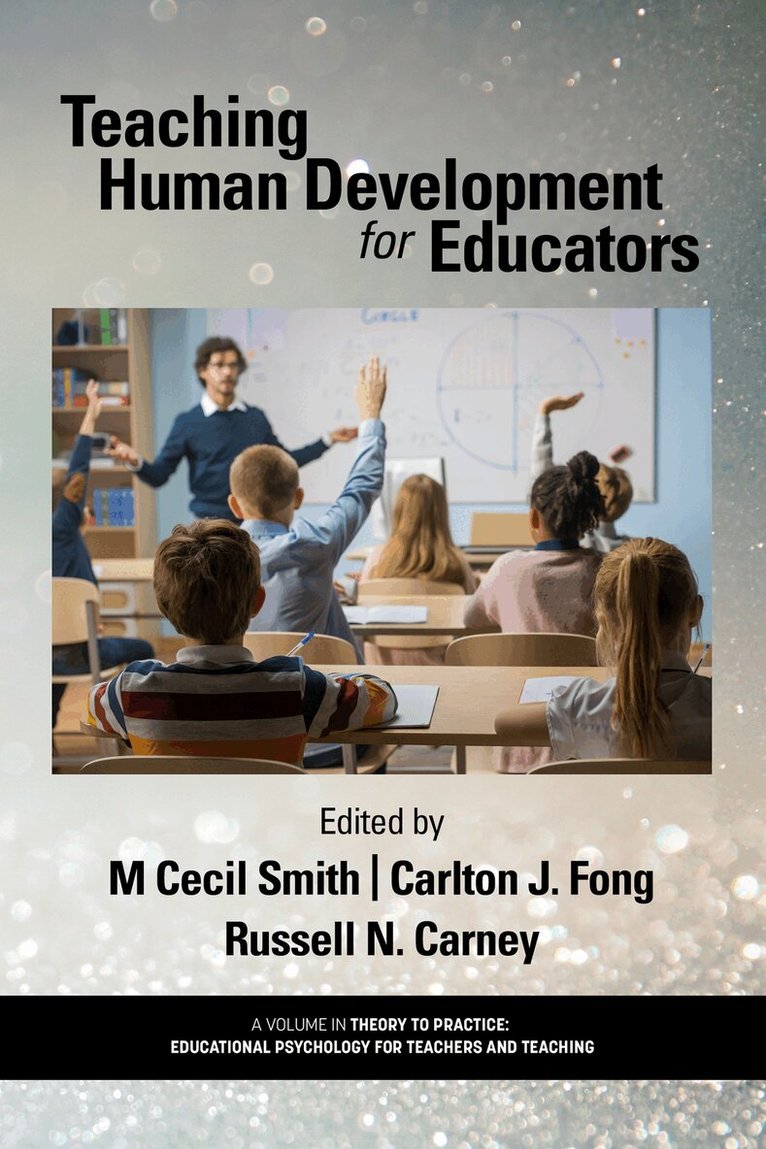
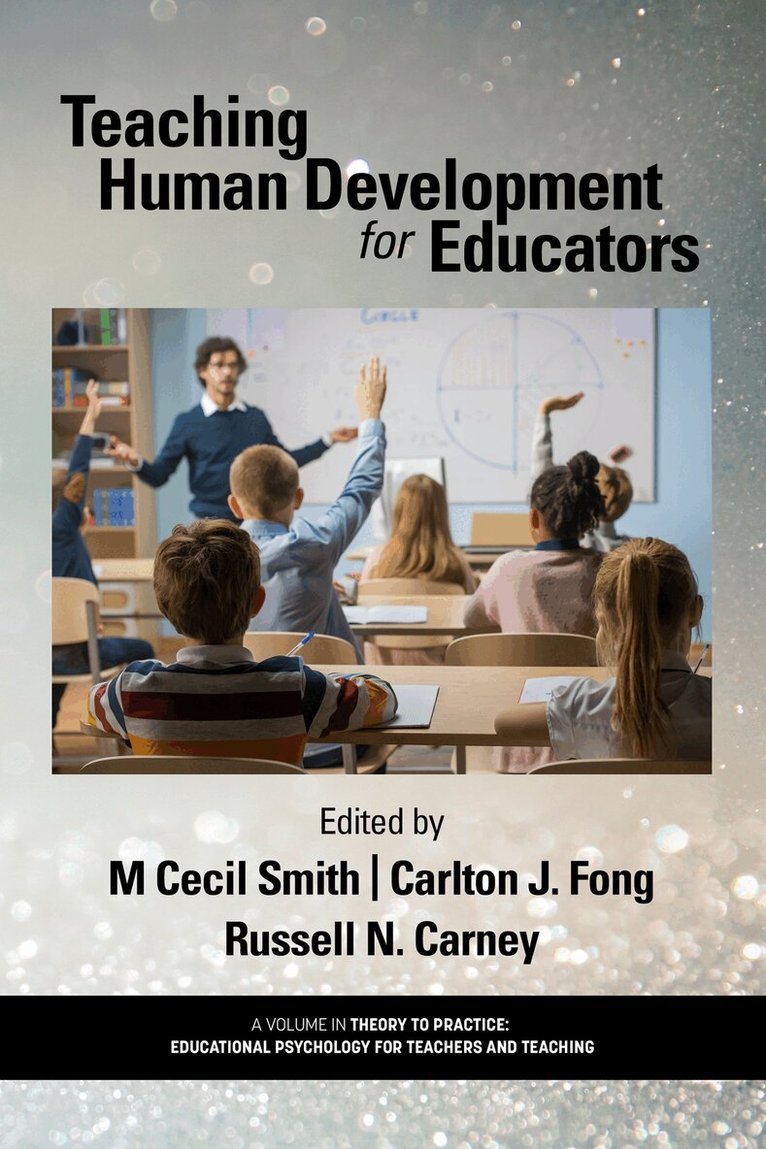
In an age where the quality of teacher education programs has never been more important, educators need a fundamental understanding of human growth, development, and change at different ages and stages across the life span. The present volume draws upon the latest research to help teacher preparation instructors select and convey essential content on human development. Such efforts serve to prepare education professionals to work with infants, children, adolescents, and adults across diverse educational settings.The chapters included in this volume summarize empirical research that supports the teaching of human development as it applies to PreK-12 and postsecondary settings, describe instructional practices used in college courses that are effective for teaching teachers-in-training about human development, and provide a systematic discussion of issues that influence the teaching of human development theories, research, and classroom applications.The contributing authors are accomplished educational and developmental psychologists that have years of experience in teacher preparation. Their respective chapters provide insights into the challenges that teachers-in-training confront in learning about human growth and development and how novice teachers can apply knowledge of human development in their professional practice.
958 kr
Skickas inom 7-10 vardagar
In an age where the quality of teacher education programs has never been more important, educators need a fundamental understanding of human growth, development, and change at different ages and stages across the life span. The present volume draws upon the latest research to help teacher preparation instructors select and convey essential content on human development. Such efforts serve to prepare education professionals to work with infants, children, adolescents, and adults across diverse educational settings.The chapters included in this volume summarize empirical research that supports the teaching of human development as it applies to PreK-12 and postsecondary settings, describe instructional practices used in college courses that are effective for teaching teachers-in-training about human development, and provide a systematic discussion of issues that influence the teaching of human development theories, research, and classroom applications.The contributing authors are accomplished educational and developmental psychologists that have years of experience in teacher preparation. Their respective chapters provide insights into the challenges that teachers-in-training confront in learning about human growth and development and how novice teachers can apply knowledge of human development in their professional practice.
647 kr
Skickas inom 7-10 vardagar
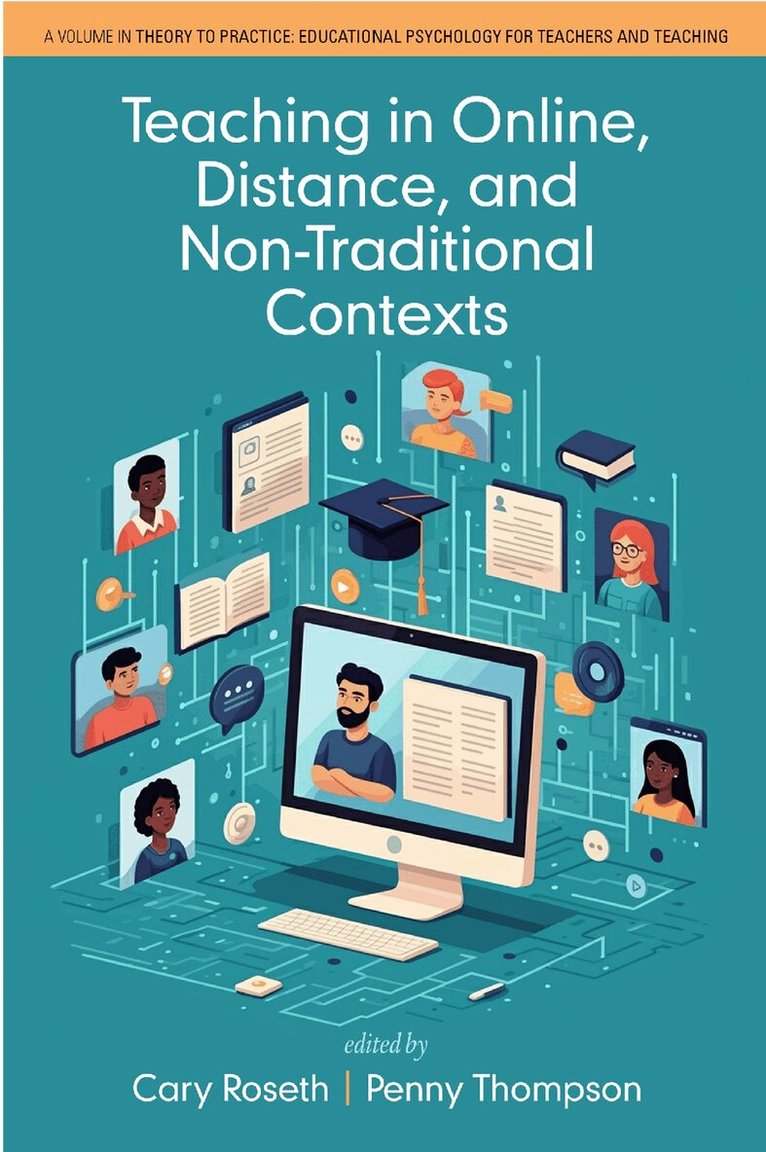
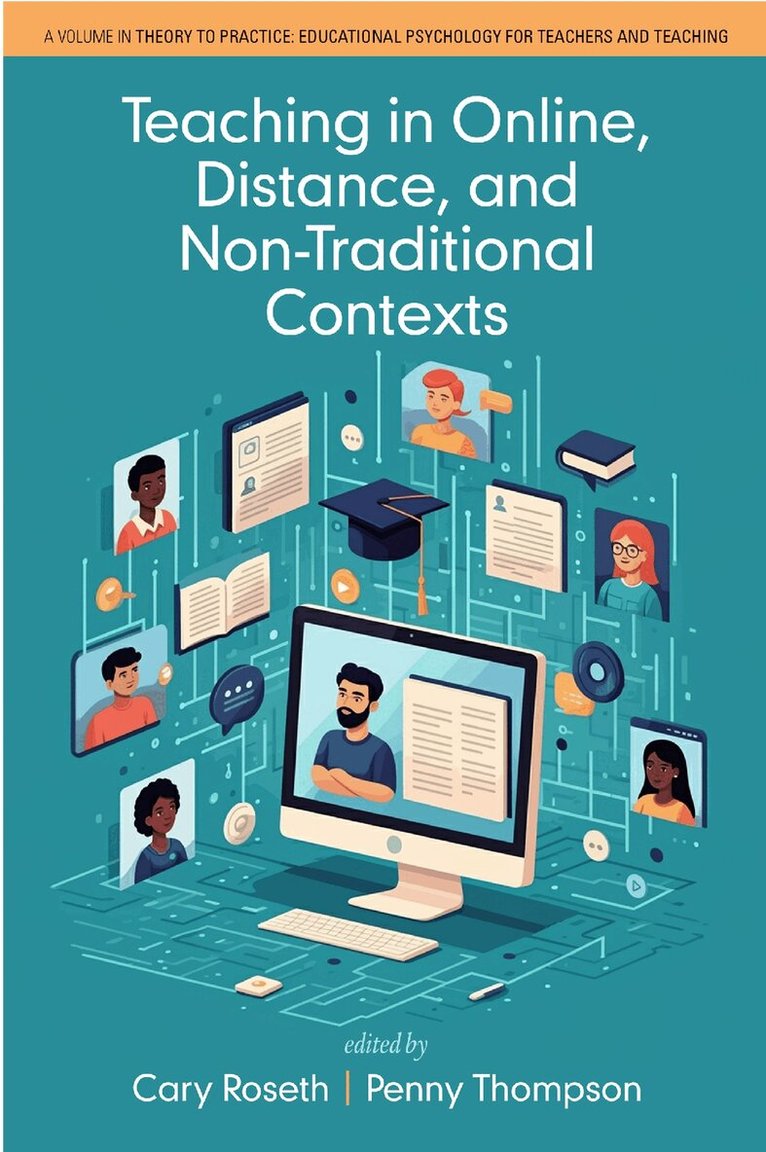
The field of educational psychology is experiencing profound transformations, driven by the rapid integration of technology into teaching and learning. Our latest volume, Teaching in Online, Distance, and Non-Traditional Contexts, explores this evolving landscape, emphasizing the rise of online, hybrid, and blended learning. With enrollment in online courses steadily increasing, especially since the COVID-19 pandemic, this book addresses the urgent need for effective online course design, informed by two decades of research on best practices. This volume is an essential resource for university faculty who teach educational psychology but could also be of interest to anyone who teaches online in higher education, particularly those in teacher preparation programs, providing comprehensive guidance on adapting to and excelling in digital learning environments. Building on the foundational principles of educational psychology, this book offers a deep dive into the specific challenges and opportunities presented by online education. Organized into five sections—Course Design, Instructor Development, Student Engagement, Cultural Responsiveness and Inclusion, and Assessment—it presents case studies and research-backed strategies to help educators create engaging, effective, and inclusive online courses. By emphasizing the importance of thoughtful planning, technological integration, and cultural inclusivity, this book equips educators with the tools they need to navigate the digital age while maintaining a student-centered and constructivist approach. Join us in redefining educational psychology for the 21st century and beyond.
1 096 kr
Skickas inom 7-10 vardagar
The field of educational psychology is experiencing profound transformations, driven by the rapid integration of technology into teaching and learning. Our latest volume, Teaching in Online, Distance, and Non-Traditional Contexts, explores this evolving landscape, emphasizing the rise of online, hybrid, and blended learning. With enrollment in online courses steadily increasing, especially since the COVID-19 pandemic, this book addresses the urgent need for effective online course design, informed by two decades of research on best practices. This volume is an essential resource for university faculty who teach educational psychology but could also be of interest to anyone who teaches online in higher education, particularly those in teacher preparation programs, providing comprehensive guidance on adapting to and excelling in digital learning environments. Building on the foundational principles of educational psychology, this book offers a deep dive into the specific challenges and opportunities presented by online education. Organized into five sections—Course Design, Instructor Development, Student Engagement, Cultural Responsiveness and Inclusion, and Assessment—it presents case studies and research-backed strategies to help educators create engaging, effective, and inclusive online courses. By emphasizing the importance of thoughtful planning, technological integration, and cultural inclusivity, this book equips educators with the tools they need to navigate the digital age while maintaining a student-centered and constructivist approach. Join us in redefining educational psychology for the 21st century and beyond.