University of Houston Series in Mexican American Studies – serie
Visar alla böcker i serien University of Houston Series in Mexican American Studies. Handla med fri frakt och snabb leverans.
7 produkter
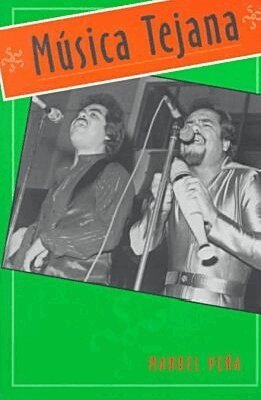
Musica Tejana
The Cultural Ecomomy of Artistic Transformation
Av Manuel Pena
Häftad, 1999
283 kr
Lägg i varukorg
Traces the history of musica tejana from the fandangos and bailes of the nineteenth century through the cancion ranchera and the politically informed.
Mexican American Odyssey
Felix Tijerina, Entrepreneur and Civic Leader, 1905-1965
Inbunden, 2001
481 kr
Lägg i varukorg
Ethnicity in the Sunbelt
Mexican Americans in Houston
Häftad, 2001
269 kr
Lägg i varukorg
A century after the first wave of Hispanic settlement in Houston, the city has come to be known as the ""Hispanic mecca of Texas."" Arnoldo De Leon's classic study of Hispanic Houston, now updated to cover recent developments and encompass a decade of additional scholarship, showcases the urban …
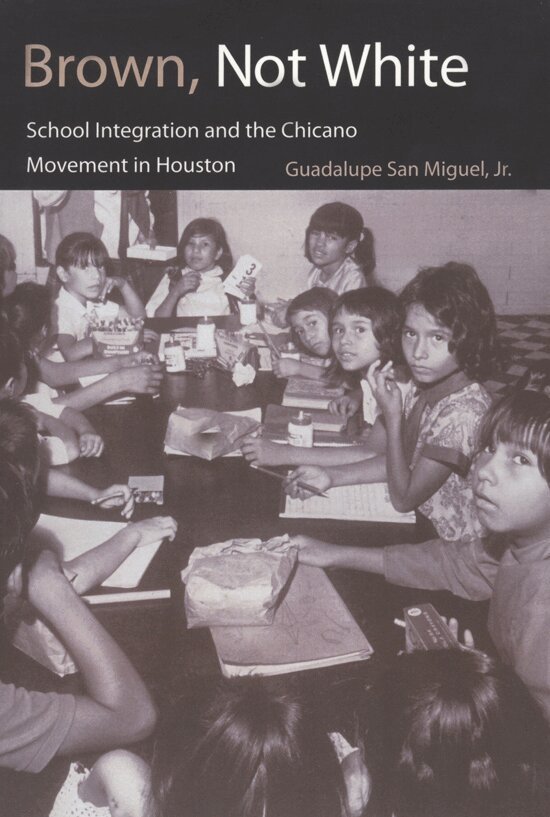
Brown, not White
School Integration and the Chicano Movement in Houston
Häftad, 2005
254 kr
Lägg i varukorg
Strikes, boycotts, rallies, negotiations, and litigation marked the efforts of Mexican-origin community members to achieve educational opportunities and oppose discrimination in Houston schools in the early 1970s. The Houston Independent School District sparked these responses because it …
Musica Tejana
The Cultural Ecomomy of Artistic Transformation
Av Manuel Pena
Inbunden, 1999
324 kr
Tillfälligt slut
Traces the history of musica tejana from the fandangos and bailes of the nineteenth century through the cancion ranchera and the politically informed.
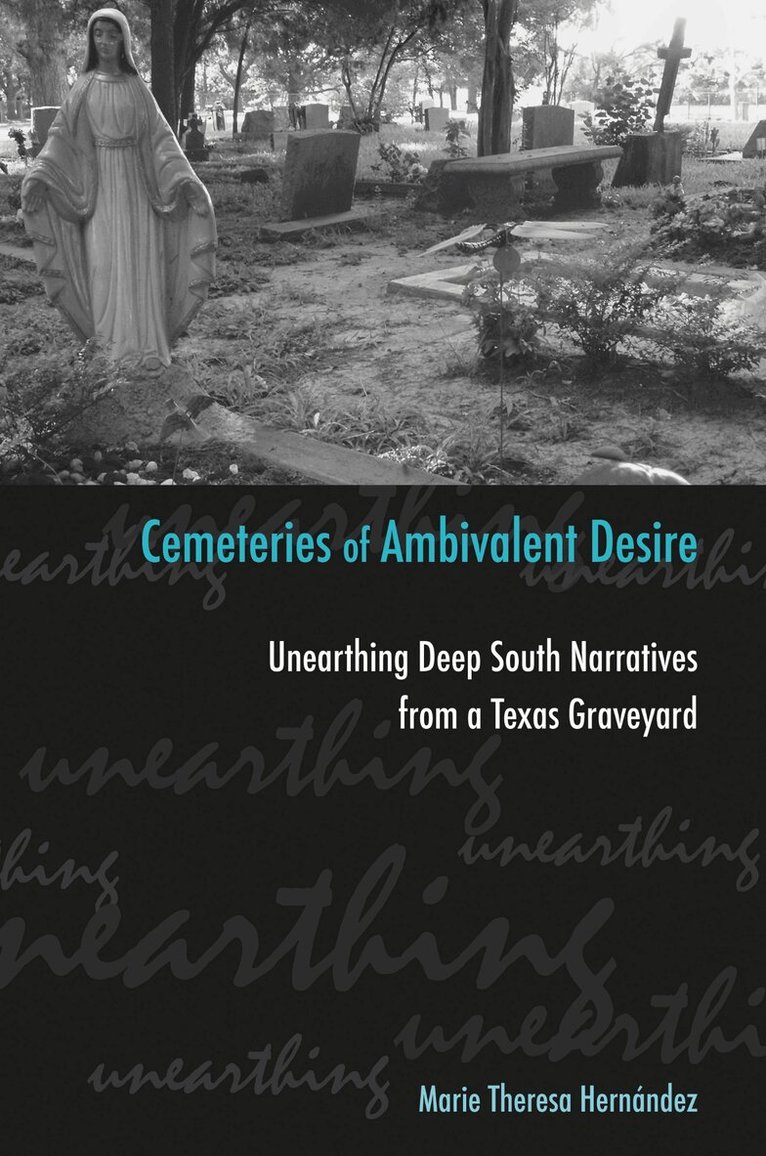
Cemeteries of Ambivalent Desire
Unearthing Deep South Narratives from a Texas Graveyard
Inbunden, 2008
526 kr
Tillfälligt slut
Growing up as the daughter of a funeral director in Fort Bend County, Texas, Marie Theresa Hernandez was a frequent visitor to the San Isidro Cemetery, a burial place for Latino workers at the Imperial Sugar Company, based in nearby Sugar Land. During these years she acquired from her father and …
Cemeteries of Ambivalent Desire
Unearthing Deep South Narratives from a Texas Graveyard
Häftad, 2008
281 kr
Tillfälligt slut
Growing up as the daughter of a funeral director in Fort Bend County, Texas, Marie Theresa Hernandez was a frequent visitor to the San Isidro Cemetery, a burial place for Latino workers at the Imperial Sugar Company, based in nearby Sugar Land. During these years she acquired from her father and …