Wallace Stegner Lecture - Böcker
Visar alla böcker i serien Wallace Stegner Lecture. Handla med fri frakt och snabb leverans.
13 produkter
13 produkter
53 kr
Skickas inom 11-20 vardagar
What is a landowner's responsibility to habitat preservation? In the past, owning land meant arranging it for one's own use, but this in turn generally resulted in destroyed or degraded habitat. In today's world, loss of biodiversity has become a public concern. Does the landowner now have an obligation to manage his land differently? Can habitat protection be superimposed on a private landowner? Joseph Sax explores these questions in his lecture on the interconnections of ownership, property, and sustainability. This lecture was given on March 11, 2010, at the 15th annual symposium sponsored by the Wallace Stegner Center for Land, Resources and the Environment at the S. J. Quinney College of Law, University of Utah.
Classic Lessons from a Little Fish in a Pork Barrel
Featuring the Notorious Story of the Endangered Snail Darter and the TVA's Final Dam
Häftad, Engelska, 2012
57 kr
Skickas inom 11-20 vardagar
The “snail darter story” has become an iconic episode in modern American history—a classic case regularly voted one of the top three Supreme Court environmental decisions but also enjoying dubious public notoriety as “The Most Extreme Environmental Case Ever.” Yet most of the snail darter story has never been told. Behind the fish marched a bedraggled coalition: farmers whose land was being condemned for resale to private developers, Cherokee Indians, fishermen, local conservationists, and Zygmunt Plater and his students. They carried the campaign through bureaucratic gauntlets in the federal agencies, a succession of skeptical courtrooms, two White House administrations, repeated struggles with lobbyists in House and Senate battles, and frustrations with the vagaries of the national press. Zygmunt Plater delivered this lecture about the snail darter on March 10, 2011, at the 16th annual symposium sponsored by the Wallace Stegner Center for Land, Resources and the Environment at the S. J. Quinney College of Law, The University of Utah. Zygmunt J. B. Plater is a professor of law at Boston College Law School, teaching and researching in the areas of environmental, property, land use, and administrative agency law. Over the past 30 years he has been involved with a number of issues of environmental protection and land-use regulation.
56 kr
Skickas inom 11-20 vardagar
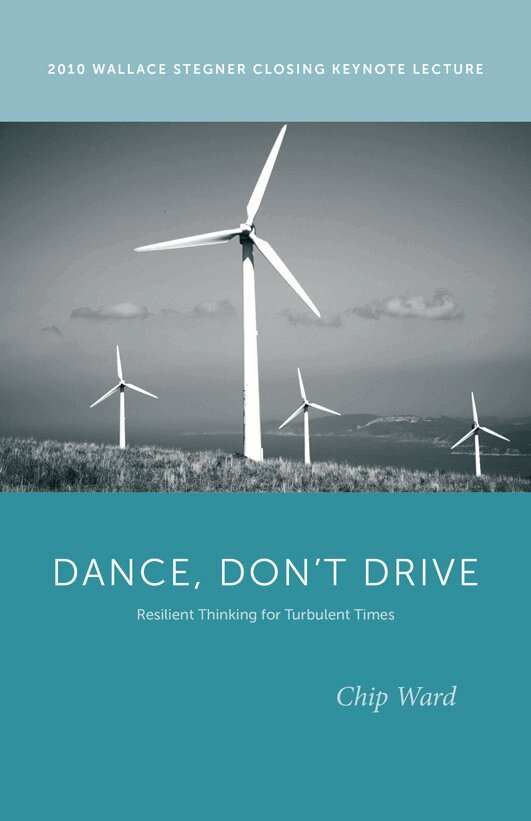
Warnings regarding our unsustainable lifestyles have become so commonplace that eyes glaze over at the mere mention of the topic. Chip Ward aims to change that. Seeking to convey the importance of living sustainably, he reframes the discourse to point out the consequences we face and the choices we are making. Ward says we must recognize that we are bounded by the limits of a finite natural realm, that “after years of driving economies, we must learn to dance with ecosystems.” The dancing lessons he offers here are eloquent, original, and compelling. Urging us to build resilient communities, he concludes: “When we practice that awkward dance of mutuality that is the very signature of a democratic culture—the dance where we share, learn, listen, reconcile, invite, reciprocate, step towards one another and embrace—we may be received with rough hands and a tenuous grasp. But if we have the courage to engage honestly and if we take our dancing lessons to heart, we may become not only resilient but grateful, humble, and reverent. Wisdom and grace, or business as usual? The choice is here and now.” Chip Ward is a political activist, writer, and former library administrator. He co-founded Families Against Incinerator Risk, HEAL Utah, and other grassroots groups to raise awareness about the links between environmental quality and public health. He is the author of two books and numerous essays
80 kr
Skickas inom 11-20 vardagar
Drawing on historical perspectives, personal excursions, and decades of professional research and work in the field, Paul Schullery illuminates many of the possible truths embedded within the natural and cultural reality that is Yellowstone National Park. By varying the scale of observation—from a single encounter between a cow elk and a grizzly bear to the sweeping forces of evolution—Schullery celebrates the park’s history and future potential as a laboratory of ideas. It is, as he states, a place with “layers of meaning waiting to be explored . . . many possible truths to be weighed.” He thus invites us all to participate in the “Yellowstone conversation.”According to Schullery, national parks allow for the study of relatively unmanipulated ecological processes, even amidst civilization’s increasing influence. They act as reservoirs for water, wildlife, and essential wildness. The uncertainties inherent in wild landscapes and in the unfolding idea of Yellowstone allow scholarly and popular dialogues to advance management practices and public understanding. Through this inquiry, Schullery establishes a framework for approaching conservation and the experience of America’sgreat wildlands.Paul Schullery delivered this lecture on March 26, 2014, at the 19th annual symposium sponsored by the Wallace Stegner Center for Land, Resources and the Environment at the S. J. Quinney College of Law at the University of Utah.
83 kr
Skickas inom 11-20 vardagar
Discussions on climate change generally focus on the necessity of reducing carbon emissions, while recognizing that such action will take a long time to materialize. MIT professor Lawrence Susskind contends that communities can take action to combat climate change now, through steps that have the co-benefit of moderating the effects of flooding, heat waves, and drought—events already occurring with increasing frequency. Measures such as strengthening basic utilities and infrastructure so they are less vulnerable to high winds and floodingwill provide short-term and long-term advantages.But such changes will happen only with widespread public engagement. Public education and public opinion surveys are not enough. Susskind and colleagues have been facilitating workshops with role-playing sessions where people consider how what they want and need can be meshed with the different wants and needs of others. Dialogue focuses not on worldwideclimate change but on localized weather catastrophes.Climate risk is thereby translated into public health risk and people emerge with ideas for change rather than a mere summary of problems and disagreements.Susskind’s discourse serves as a blueprint for ways that government agencies and citizens can work together toward building climate-resilient communities.Presented on March 30, 2016 at the 21st annual Wallace Stegner Center Symposium.Copublished with the Stegner Center for Land, Resources and the Environment; S.J. Quinney School of Law; and Special Collections Department, J. Willard Marriott Library, the University of Utah.
76 kr
Skickas inom 11-20 vardagar
In recent times several “creation myths” have gained currency about how the United States government came to own and manage—for broad, mostly protective purposes—nearly one-third of the nation's land. Controversies such as President Trump's shrinking the boundaries of Grand Staircase Escalante and Bears Ears National Monuments and the armed takeover of the Malheur National Wildlife Refuge in Oregon by a ragtag militia group protesting U.S. ownership have brought these myths to the forefront, suggesting that public lands are a kind of centrifugal force driving Americans apart. Over the nation's long history, however, the opposite has nearly always been the case. In this essay, John Leshy debunks the myths that have contributed to the often polarized character of contemporary discussions of the public lands. Recounting numerous episodes throughout American history, he demonstrates how public lands have generally served to unify the country, not divide it. Steps to safeguard these lands for all to enjoy have almost always enjoyed wide, deep, bipartisan support. Leshy argues that America's vast public lands are priceless assets, a huge success story, and a credit to the workings of our national government. But because these lands remain fully subject to the political process, each generation of Americans must effectively decide upon their future. This lecture was presented on March 14, 2018, at the 23rd annual symposium of the Wallace Stegner Center for Land, Resources and the Environment at the S.J. Quinney College of Law, University of Utah.
83 kr
Skickas inom 11-20 vardagar
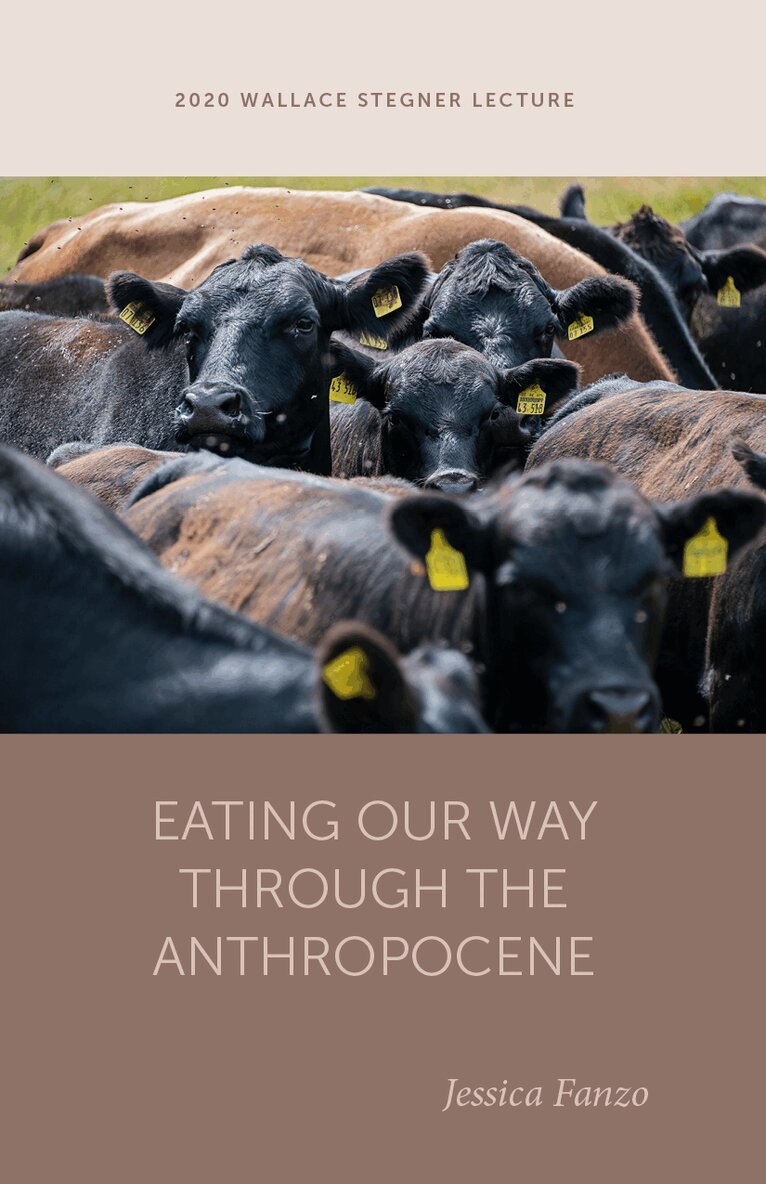
Originally delivered as the Stegner Lecture at the 2020 annual symposium of the Wallace Stegner Center for Land, Resources and the Environment, Jessica Fanzo here explores how, in the context of the broad global trends of population growth, climate crisis, and inequitable food availability, food systems need to be re-oriented to ensure they can produce enough food to nourish the world. This re-orientation includes moving toward on-farm sustainable food production practices, decreasing food loss and waste, addressing poverty by creating jobs and decent livelihoods, and providing safe, affordable, and healthy diets for everyone. At the same time, food systems must decrease the pressure on biodiversity loss, conserve land and water resources, minimize air and water pollution, and lower greenhouse gas emissions. This is a lot to ask of an entrenched system.Food policy is central to changing systems, and bold policies must be applied to accelerate and incentivize economic, societal, and technological transformations towards a more socially just and sustainable global food system. But policy decisions come with synergies, trade-offs, and sometimes unexpected consequences. In a world of uncertainty, we must seek global solutions to human and planetary health.
79 kr
Skickas inom 7-10 vardagar
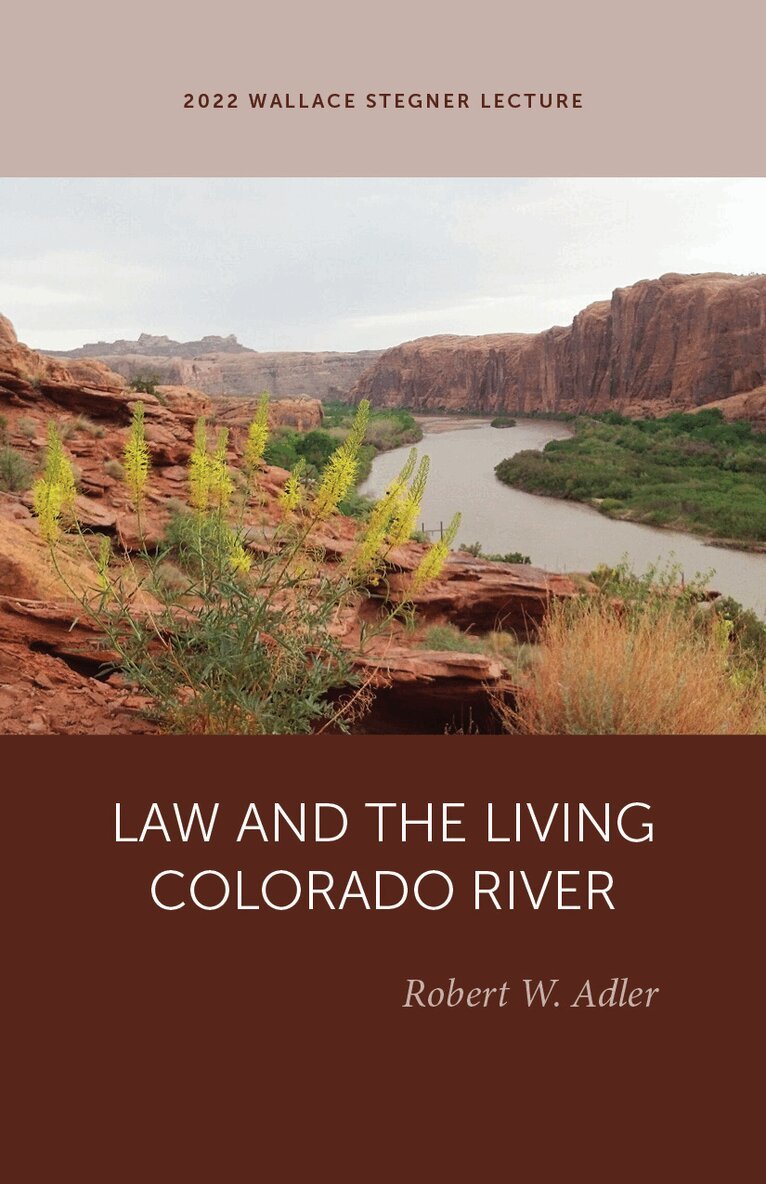
Law and the Living Colorado River asserts that the so-called Law of the River—the vast assemblage of interstate compacts, international treaties, federal and state statutes, regulations, contracts, and other legal documents governing use and management of the Colorado River—ignores the needs of the river as a nested system of aquatic and aquatic-dependent ecosystems. Although society now recognizes and appreciates the natural values of the Colorado River, the Law of the River remains fixed in service of human economies like irrigation and hydropower. Robert W. Adler contends that the law must respond to changing values that prioritize natural systems alongside human ones. He proposes acknowledging the legal rights of the river itself, following the recent movement to recognize rights of nature in other ecosystems around the world. Recognizing that U.S. law has significant barriers to that proposal, however, Adler borrows from aspects of international water law to propose as a shorter-term strategy amendments to the Colorado River Compact that would enhance protection of the river’s environmental needs and values.Adler delivered this lecture on March 17, 2022, at the 27th annual symposium of the Wallace Stegner Center for Land, Resources and the Environment, jointly sponsored by the Wallace Stegner Center and the Water & Tribes Initiative | Colorado River Basin.
Great Salt Lake
A Perspective from the Church of Jesus Christ of Latter-day Saints
Häftad, Engelska, 2024
86 kr
Skickas inom 7-10 vardagar
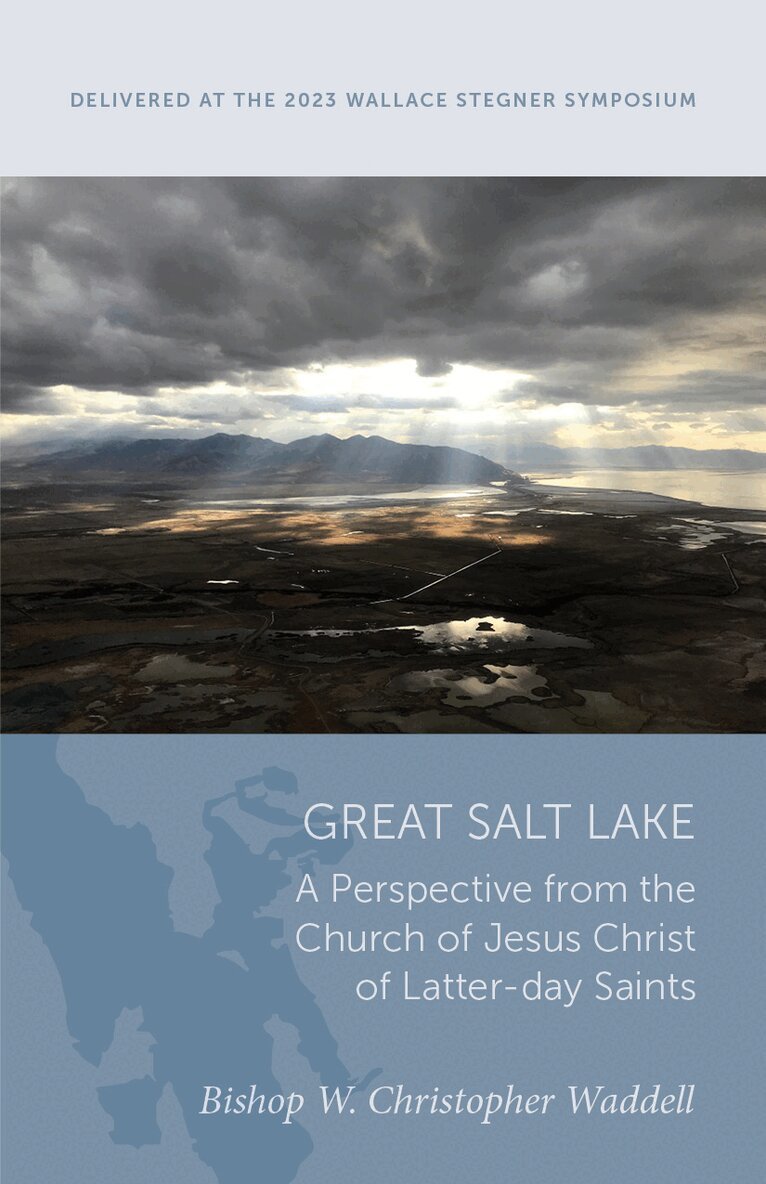
The Great Salt Lake is deeply tied to the identity and history of the Church of Jesus Christ of Latter-day Saints. As Latter-day Saints settled in the Great Basin, they relied on the Great Salt Lake for industry and recreation. Bishop W. Christopher Waddell explains that today, given the crisis faced by the lake, leaders of the LDS Church consider preserving the Great Salt Lake to be a sacred duty to care for God’s creations and a “critical issue for our state and citizens of Utah.” The LDS Church strives to positively impact the lake and continually improve its water-wise practices by working with local and community leaders, reducing water use at meetinghouses and facilities by utilizing sustainable landscaping principles and effective water management, and donating permanent water shares that will preserve water currently flowing into the lake in perpetuity.
86 kr
Skickas inom 7-10 vardagar
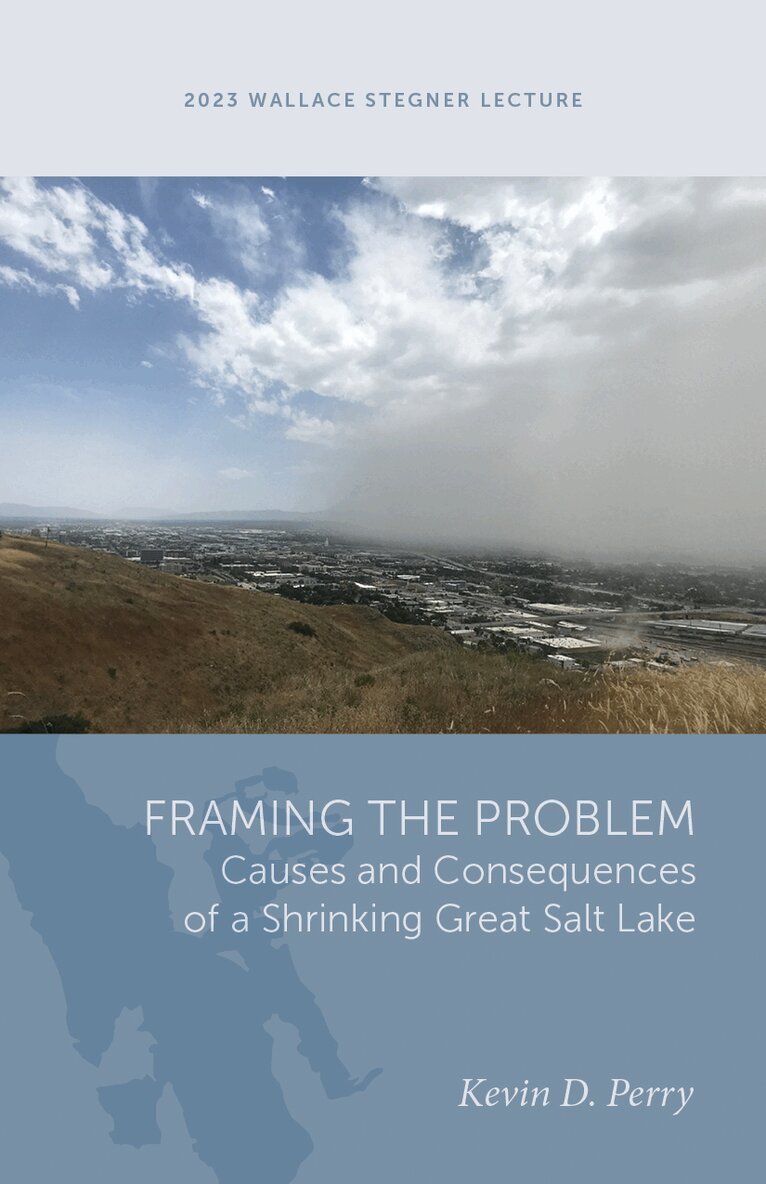
The Great Salt Lake ecosystem is on the verge of collapse due to unsustainably large water diversions, the ongoing megadrought, and climate change. Plummeting lake levels will result in a cascade of tremendous economic, ecological, and human health problems if no action is taken. One consequence of particular concern to the public is the potential for exposure to arsenic-laden dust emanating from the exposed portions of the Great Salt Lake lakebed. Framing the Problem explores how climate change has affected the lake, the consequences of low lake levels, and potential strategies for saving this ecological oasis.
80 kr
Skickas inom 11-20 vardagar
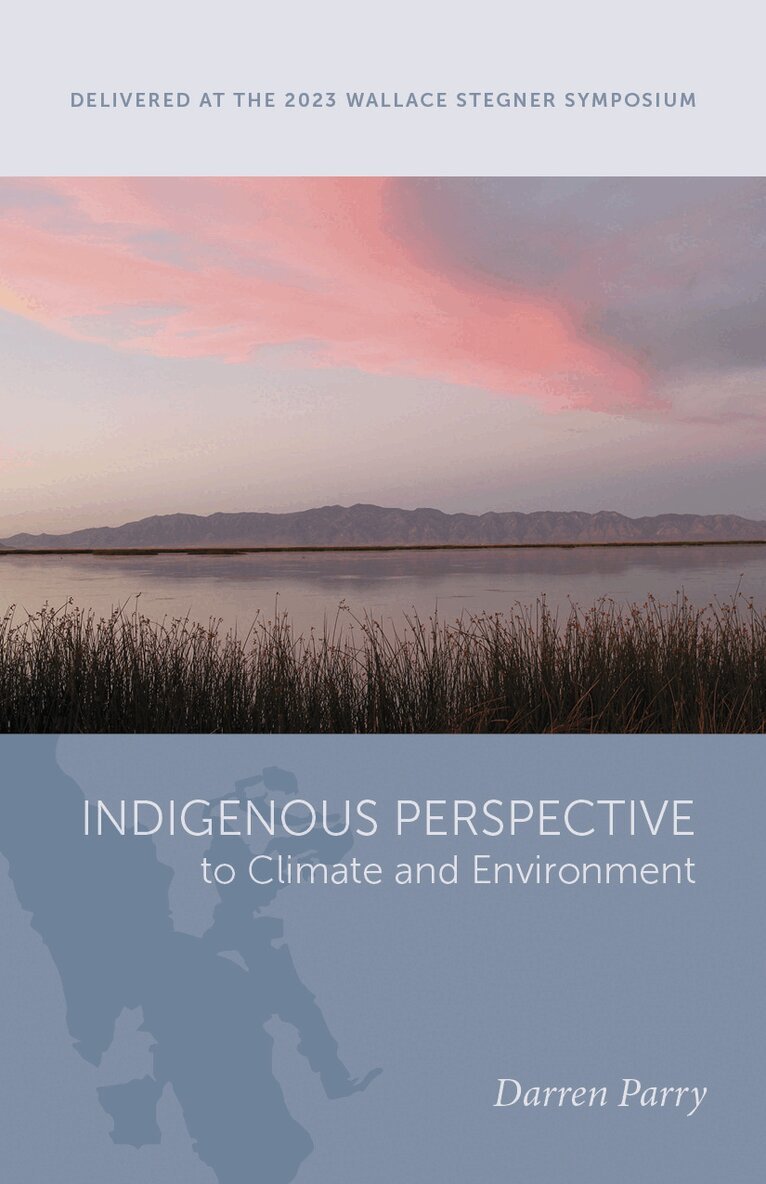
The lands and waters of the American West encountered by European colonizers were not “untouched” or “wild” as some have recorded, but rather the result of a broad range of Indigenous land and water management techniques. To assume that western-based scientific knowledge is superior to Indigenous wisdom can be a barrier to meaningful and lasting collaboration. We must work together if we are to heal the land that we have collectively sullied.
83 kr
Skickas inom 11-20 vardagar
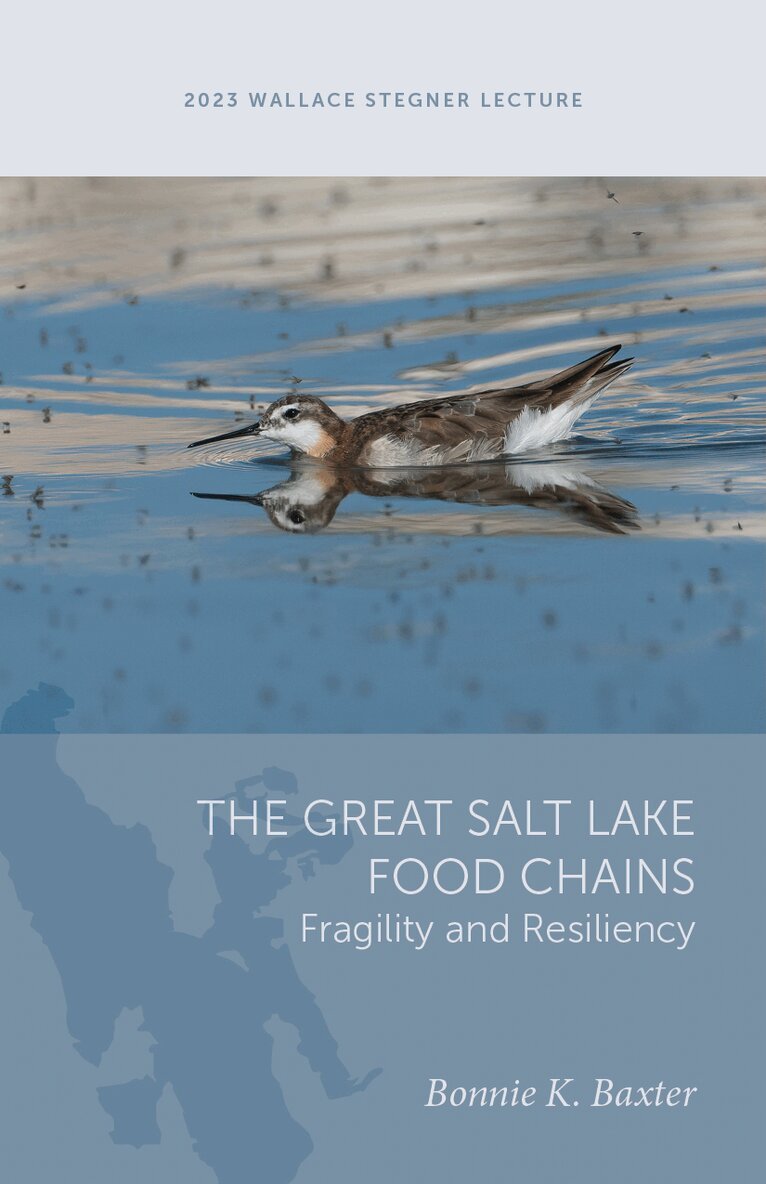
Bonnie K. Baxter explains the trophic structure of Great Salt Lake food chains and resulting impacts from recent years of a shrinking lake and corresponding increases in salinity. Moving from the foundational organisms to brine shrimp, flies, and ten million birds reliant on the lake, Baxter illuminates how salinity and desiccation can affect each level of a complex ecosystem. Presented in the context of current science, she explores the pressures of persistent water diversions and climate change and provides a cautionary tale of a lake on the brink of collapse. Baxter’s hopeful tone, sounding the lake ecosystem’s inherent resiliency, is a welcome voice in the climate conversation and a plea to help save a lake that can survive with a little help from its human neighbors.
79 kr
Skickas inom 7-10 vardagar
Lecture at the 2024 Wallace Stegner Symposium of the S. J. Quinney College of Law at the University of Utah, delivered to address the future of energy in the United States.