Women Writers: Texts and Contexts - Böcker
Visar alla böcker i serien Women Writers: Texts and Contexts. Handla med fri frakt och snabb leverans.
8 produkter
8 produkter
418 kr
Skickas inom 5-8 vardagar
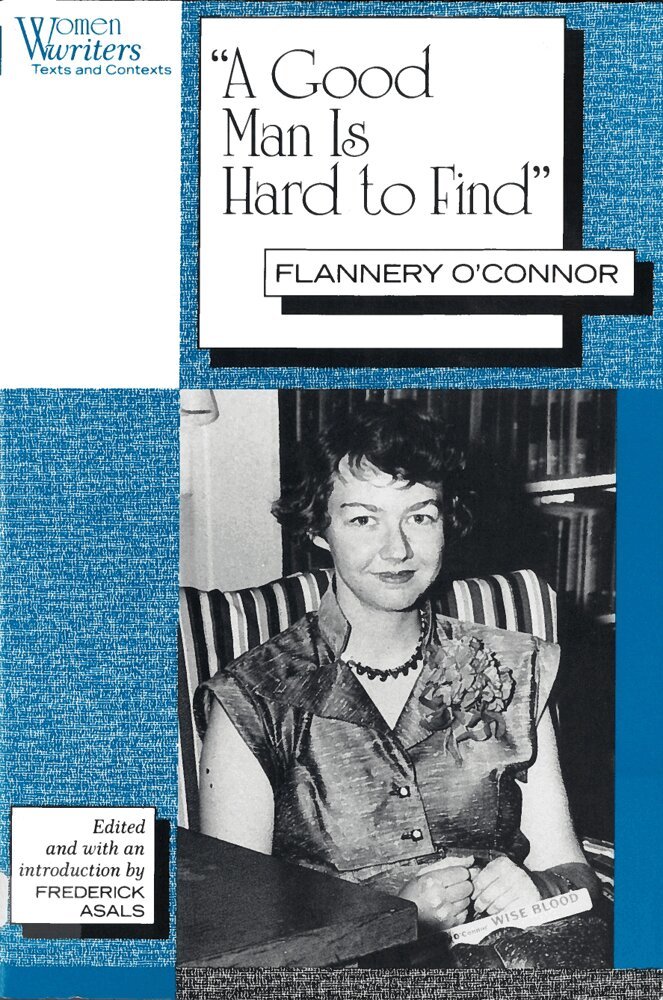
"A Good Man Is Hard to Find" is Flannery O'Connor's most famous and most discussed story. O'Connor herself singled it out by making it the title piece of her first collection and the story she most often chose for readings or talks to students. It is an unforgettable tale, both riveting and comic, of the confrontation of a family with violence and sudden death. More than anything else O'Connor ever wrote, this story mixes the comedy, violence, and religious concerns that characterize her fiction. This casebook for the story includes an introduction by the editor, a chronology of the author's life, the authoritative text of the story itself, comments and letters by O'Connor about the story, critical essays, and a bibliography. The critical essays span more than twenty years of commentary and suggest several approaches to the story--formalistic, thematic, deconstructionist-- all within the grasp of the undergraduate, while the introduction also points interested students toward still other resources. Useful for both beginning and advanced students, this casebook provides an in-depth introduction to one of America's most gifted modern writers.
444 kr
Skickas inom 5-8 vardagar
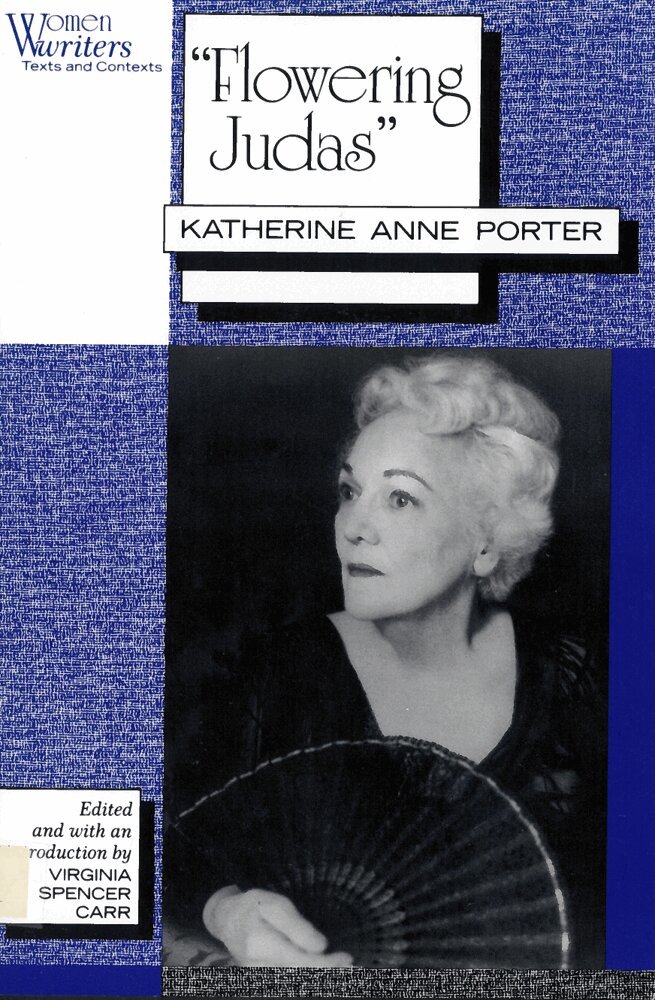
Katherine Anne Porter often spoke of her story "Flowering Judas" as the tale she liked best of all her stories because it came the nearest to what she meant it to be. It is the story of Laura, an idealistic woman, who travels to Mexico from Arizona at the age of twenty-two to assist the Obreg-n Revolution. This casebook on "Flowering Judas" addresses Porter's ambivalence surrounding her roles as woman and artist and also attests to the profound influence of Mexico upon her work. Readers of this early tale will not be surprised to learn that although Porter was a practicing feminist in her life and her work, she actually eschewed the feminist label.Virginia Spencer Carr brings her own sharply focused biographer's eye to the introduction, further illuminating the story and the superb critical essays that it provokes. The casebook includes the authoritative text of the story itself, Porter's own statement regarding the genesis of this highly acclaimed work, an important interview, a collection of significant essays on "Flowering Judas" and the historical, cultural, and personal milieu from which the tale evolved, a bibliography, and a chronology of Porter's life and work.
355 kr
Skickas inom 5-8 vardagar
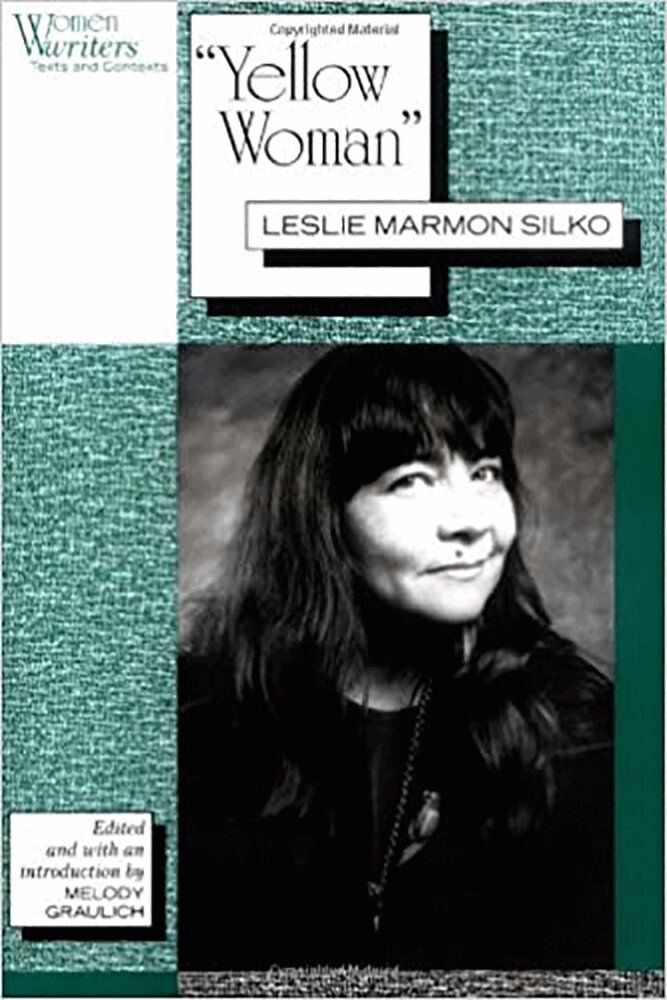
In the past twenty-five years many Native American writers have retold the traditional stories of powerful mythological women: Corn Woman, Changing Woman, Serpent Woman, and Thought Woman, who with her sisters created all life by thinking it into being. Within and in response to these evolving traditions, Leslie Marmon Silko takes from her own tradition, the Keres of Laguna, the Yellow Woman. Yellow Woman stories, always female-centered and always from the Yellow Woman's point of view, portray a figure who is adventurous, strong, and often alienated from her own people. She is the spirit of woman. Ambiguous and unsettling, Silko's "Yellow Woman" explores one woman's desires and changes--her need to open herself to a richer sensuality. Walking away from her everyday identity as daughter, wife and mother, she takes possession of transgressive feelings and desires by recognizing them in the stories she has heard, by blurring the boundaries between herself and the Yellow Woman of myth. Silko's decision to tell the story from the narrator's point of view is traditional, but her use of first person narration and the story's much raised ambiguity brilliantly reinforce her themes. Like traditional yellow women, the narrator is unnamed. By choosing not to reveal her name, she claims the role of Yellow Woman, and Yellow Woman's story is the one Silko clearly claims as her own. The essays in this collection compare Silko's many retellings of Yellow Woman stories from a variety of angles, looking at crucial themes like storytelling, cultural inheritances, memory, continuity, identity, interconnectedness, ritual, and tradition. This casebook includes an introduction by the editor, a chronology, an authoritative text of the story itself, critical essays, and a bibliography for further reading in both primary and secondary sources. Contributors include Kim Barnes, A. LaVonne Ruoff, Paula Gunn Allen, Patricia Clark Smith, Bernard A. Hirsch, Arnold Krupat, Linda Danielson, and Patricia Jones.
355 kr
Skickas inom 5-8 vardagar
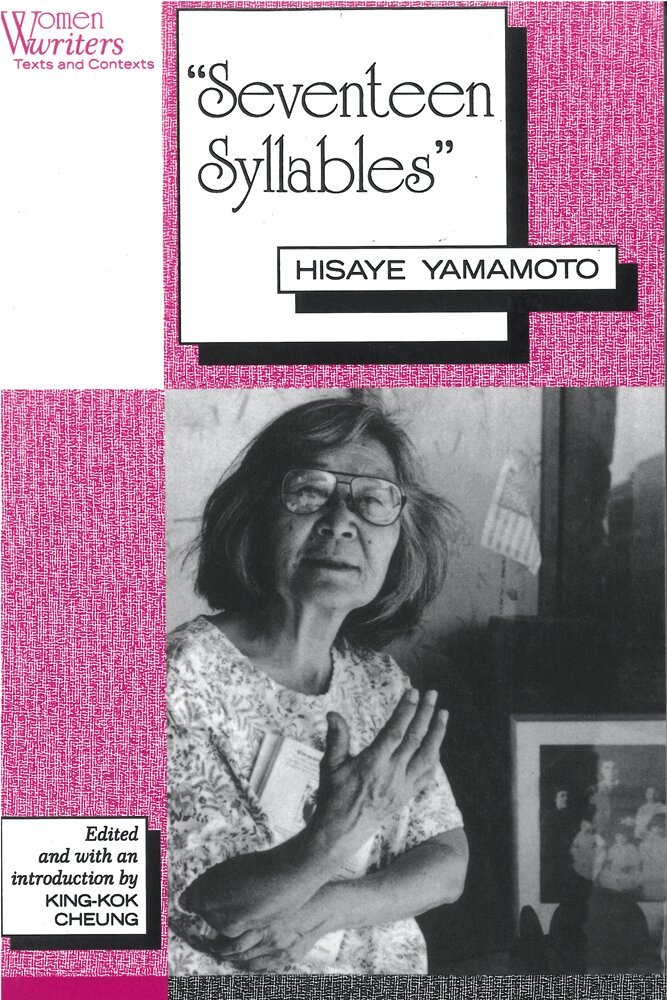
Hisaye Yamamoto's often reprinted tale of a naive American daughter and her Japanese mother captures the essence the cultural and generational conflicts so common among immigrants and their American-born children. On the surface, "Seventeen Syllables" is the story of Rosie and her preoccupation with adolescent life. Between the lines, however, lurks the tragedy of her mother, who is trapped in a marriage of desperation. Tome's deep absorption in writing haiku causes a rift with her husband, which escalates to a tragic event that changes Rosie's life forever.Yamamoto's disarming style matches the verbal economy of haiku, in which all meaning is contained within seventeen syllables. Her deft characterizations and her delineations of sexuality create a haunting story of a young girl's transformation from innocence to adulthood.This casebook includes an introduction and an essay by the editor, an interview with the author, a chronology, authoritative texts of "Seventeen Syllables" (1949) and "Yoneko's Earthquake" (1951), critical essays, and a bibliography. The contributors are Charles L. Crow, Donald C. Goellnicht, Elaine H. Kim, Dorothy Ritsuko McDonald, Zenobia Baxter Mistri, Katharine Newman, Robert M. Payne, Robert T. Rolf, and Stan Yogi.
444 kr
Skickas inom 5-8 vardagar
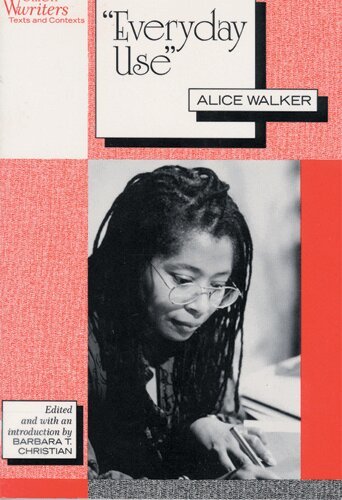
Alice Walker's early story, "Everyday Use," has remained a cornerstone of her work. Her use of quilting as a metaphor for the creative legacy that African Americans inherited from their maternal ancestors changed the way we define art, women's culture, and African American lives. By putting African American women's voices at the center of the narrative for the first time, "Everyday Use" anticipated the focus of an entire generation of black women writers. This casebook includes an introduction by the editor, a chronology of Walker's life, an authoritative text of "Everyday Use" and of "In Search of Our Mothers' Gardens," an interview with Walker, six critical essays, and a bibliography. The contributors are Charlotte Pierce-Baker, Houston A. Baker, Jr., Thadious M. Davis, Margot Anne Kelley, John O'Brien, Elaine Showalter, and Mary Helen Washington.
418 kr
Skickas inom 5-8 vardagar
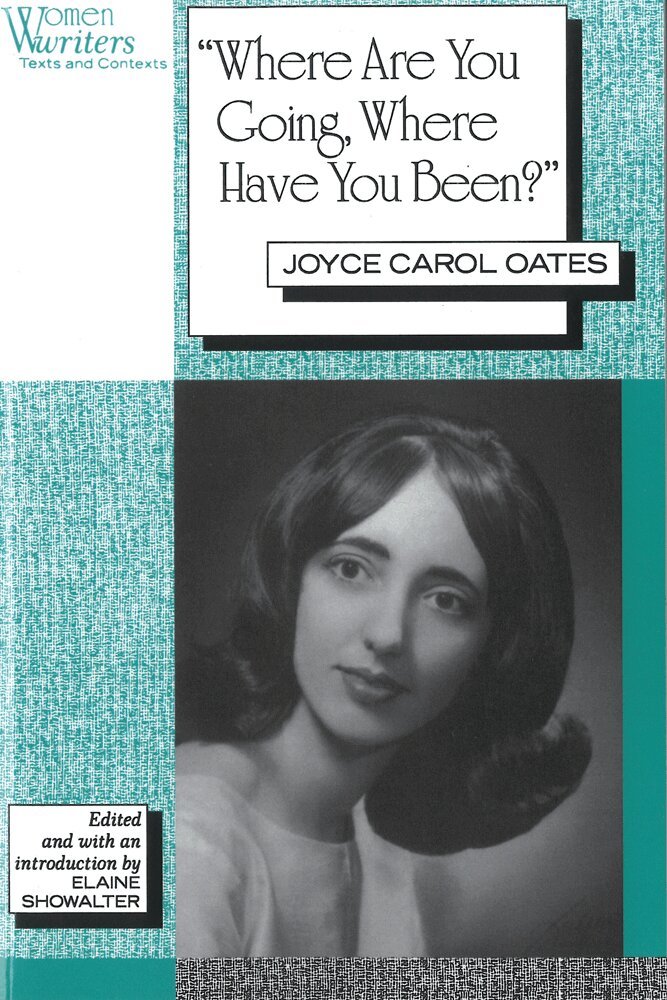
Joyce Carol Oates’s prize-winning story “Where Are You Going, Where Have You Been?” takes up troubling subjects that continue to occupy her in her fiction: the romantic longings and limited options of adolescent women; the tensions between mothers and daughters; the sexual victimization of women; and the American obsession with violence. Inspired by a magazine story about a serial killer, its remarkable portrait of the dreamy teenager Connie has made it a feminist classic. Connie’s life anticipates the emergence of American society from the social innocence of the fifties into the harsher contemporary realities of war, random violence, and crime. The story was the basis for the movie Smooth Talk, which became the subject of much feminist debate.This casebook includes an introduction by the editor, a chronology of Oates’s life, an authoritative text of “Where Are You Going, Where Have You Been,” an essay by Oates on Smooth Talk, the original Life article about the serial killer, ten critical essays (including two about the film), and a bibliography.The contributors are Brenda O. Daly, Christina Marsden Gillis, Don Moser, Tom Quirk, B. Ruby Rich, R.J.R. Rockwood, Larry Rubin, Gretchen Schulz, Marie Mitchell Oleson Urbanski, Joyce M. Wegs, Marilyn C. Wesley, and Joan D. Winslow.
386 kr
Skickas inom 5-8 vardagar
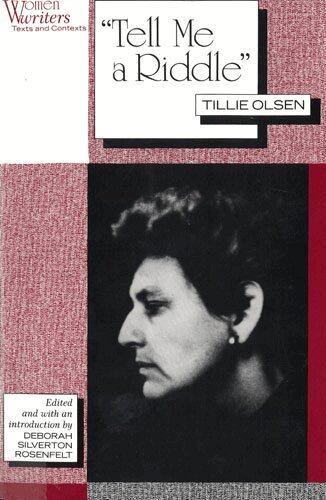
“Tell Me a Riddle” renders an unforgettable portrait of a working class couple when the gender determined differences in their experiences of poverty and familial life give rise to bitter conflict after almost four decades of marriage. As she dies from cancer, Eva, the protagonist, recollects a revolutionary past that both critiques and offers hope for the present. Deborah Rosenfelt’s introduction and the essays in this volume survey the critical reception of this highly acclaimed story, analyze its biographical and historical contexts, examine the text’s language, structure, spiritual and moral significance, and illuminate Olsen’s relationship to the American midwest, the American left, and the Jewish enlightenment tradition. This casebook includes an introduction by the editor, a chronology of Olsen’s life, an authoritative text of “Tell Me a Riddle,” relevant essays by Olsen, seven critical essays, and a bibliography.The contributors are: Joanne Trautmann Banks, Constance Coiner, Rachel Blau Duplessis, Mara Faulkner, Elaine Orr, Linda Ray Pratt, and Deborah Silverton Rosenfelt.
418 kr
Skickas inom 5-8 vardagar
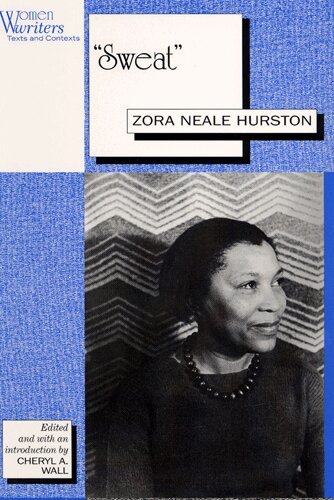
Now frequently anthologized, Zora Neale Hurston's short story "Sweat" was first published in Firell, a legendary literary magazine of the Harlem Renaissance, whose sole issue appeared in November 1926. Among contributions by Gwendolyn Bennett, Countee Cullen, Langston Hughes, and Wallace Thurman, "Sweat" stood out both for its artistic accomplishment and its exploration of rural Southern black life. In "Sweat" Hurston claimed the voice that animates her mature fiction, notably the 1937 novel Their Eyes Were Watching God; the themes of marital conflict and the development of spiritual consciousness were introduced as well. "Sweat" exemplifies Hurston's lifelong concern with women's relation to language and the literary possibilities of black vernacular.This casebook for the story includes an introduction by the editor, a chronology of the author's life, the authoritative text of "Sweat," and a second story, "The Gilded Six-Bits." Published in 1932, this second story was written after Hurston had spent years conducting fieldwork in the Southern United States. The volume also includes Hurston's groundbreaking 1934 essay, "Characteristics of Negro Expression," and excerpts from her autobiography, Dust Tracks on a Road. An article by folklorist Roger Abrahams provides additional cultural contexts for the story, as do selected blues and spirituals. Critical commentary comes from Alice Walker, who led the recovery of Hurston's work in the 1970s, Robert Hemenway, Henry Louis Gates, Gayl Jones, John Lowe, Kathryn Seidel, and Mary Helen Washington.