Women's Suffrage and the Struggle for Democracy - Böcker
Visar alla böcker i serien Women's Suffrage and the Struggle for Democracy. Handla med fri frakt och snabb leverans.
11 produkter
11 produkter
360 kr
Skickas inom 7-10 vardagar
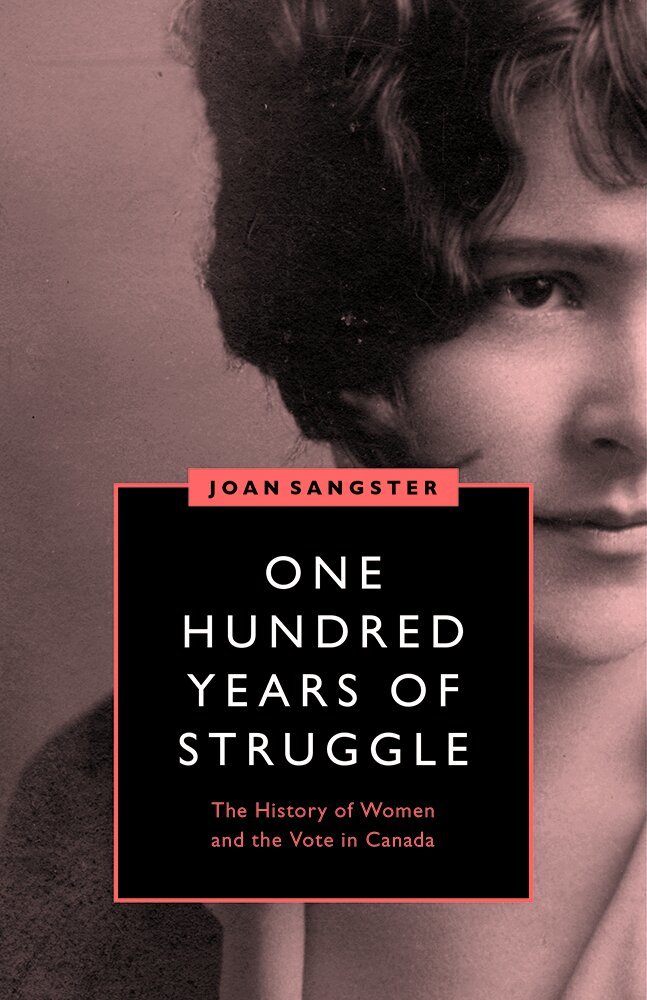
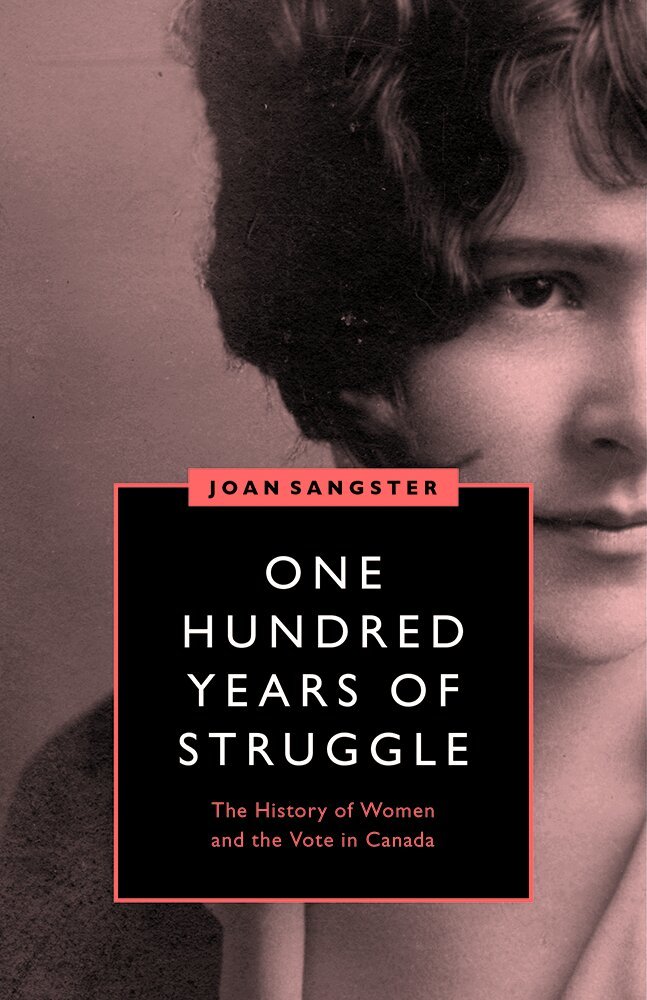
On the eve of celebrating the 100th anniversary of women's right to vote in Canada comes a book, the first in a series on women's suffrage and the struggle for democracy, by acclaimed historian Joan Sangster.The achievement of the vote in 1918 is often presented as a triumphant moment in the onward, upward advancement of Canadian women. In this beautifully illustrated book, acclaimed historian Joan Sangster looks beyond the shiny rhetoric of anniversary celebrations and Heritage Minutes to show that the struggle for equality included gains and losses, inclusions and exclusions, depending on a woman's race, class, and location in the nation.Beginning with Mary Shadd Cary's demands for equal rights for women and blacks in the 1850s and ending with Indigenous women's achievement of the vote in the 1960s, Sangster travels back in time to tell a new, more inclusive story for a new generation.The history of the vote, as Joan Sangster tells it, offers vital insights into our political life, exposing not only the fissures of inequality that cut deep into our country's past but also their weaknesses in the face of resistance, optimism, and protest – an inspiring legacy that still resonates to this day.
292 kr
Skickas inom 7-10 vardagar
On the eve of celebrating the 100th anniversary of women's right to vote in Canada comes a book, the first in a series on women's suffrage and the struggle for democracy, by acclaimed historian Joan Sangster.The achievement of the vote in 1918 is often presented as a triumphant moment in the onward, upward advancement of Canadian women. In this beautifully illustrated book, acclaimed historian Joan Sangster looks beyond the shiny rhetoric of anniversary celebrations and Heritage Minutes to show that the struggle for equality included gains and losses, inclusions and exclusions, depending on a woman's race, class, and location in the nation.Beginning with Mary Shadd Cary's demands for equal rights for women and blacks in the 1850s and ending with Indigenous women's achievement of the vote in the 1960s, Sangster travels back in time to tell a new, more inclusive story for a new generation.The history of the vote, as Joan Sangster tells it, offers vital insights into our political life, exposing not only the fissures of inequality that cut deep into our country's past but also their weaknesses in the face of resistance, optimism, and protest – an inspiring legacy that still resonates to this day.
336 kr
Skickas inom 7-10 vardagar
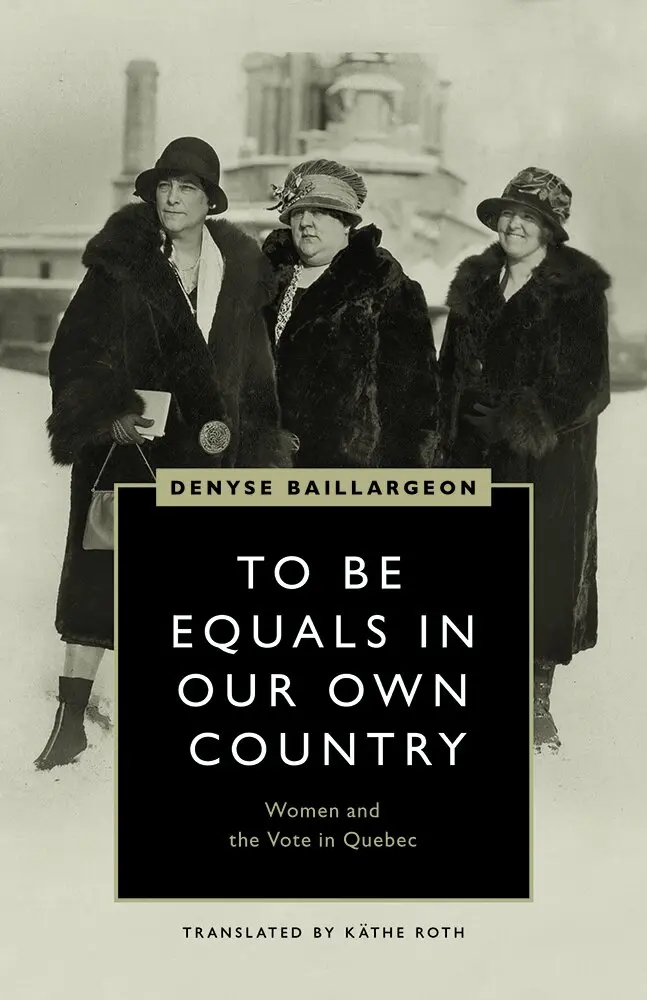
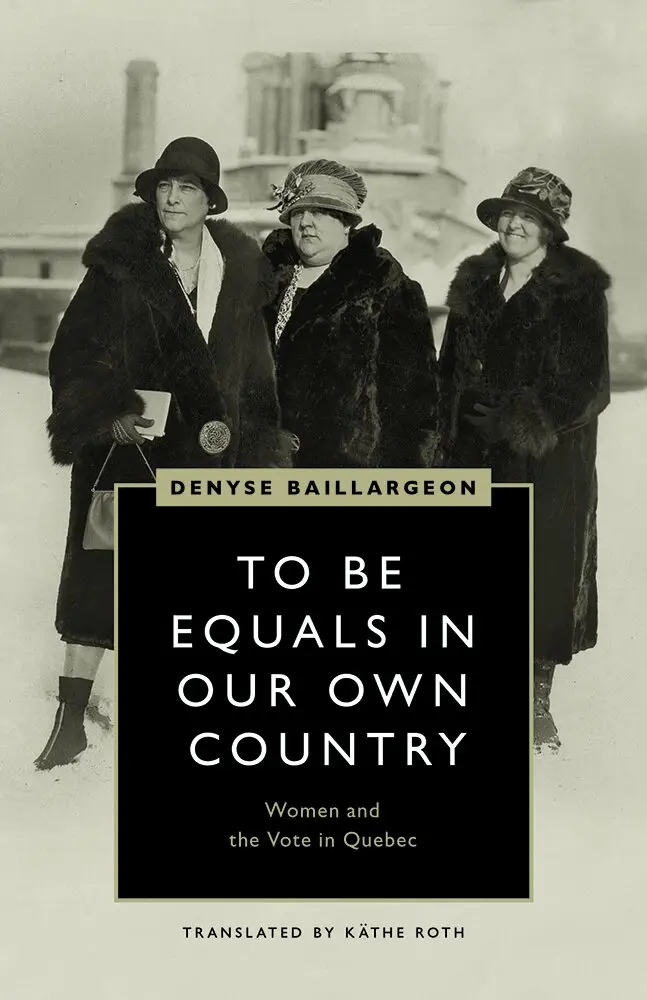
"When the history of suffrage is written, the role played by our politicians will cut a sad figure beside that of the women they insulted." Speaking in 1935, feminist Idola Saint-Jean captured the bitter nature of Quebec women's fight for enfranchisement, as religious authorities weighed what they stood to gain or lose and politicians showed open disdain during Legislative Assembly debates. Quebec women had to wait until 1940 or longer to cast a ballot. This passionate yet even-handed account is filled with vivid characters and pivotal events on the road to suffrage in the province. It examines Quebec women's participation in provincial and municipal politics since winning the vote and compares women's struggle to that in other countries.An astute exploration of suffrage, To Be Equals in Our Own Country treats enfranchisement – and the legal, social, and economic rights that stem from it – as a fundamental question of human rights.
257 kr
Skickas inom 7-10 vardagar
To Be Equals in Our Own Country chronicles the bitter struggle for women's suffrage in Quebec, the last province to grant Canadian women this fundamental human right.
306 kr
Skickas inom 7-10 vardagar
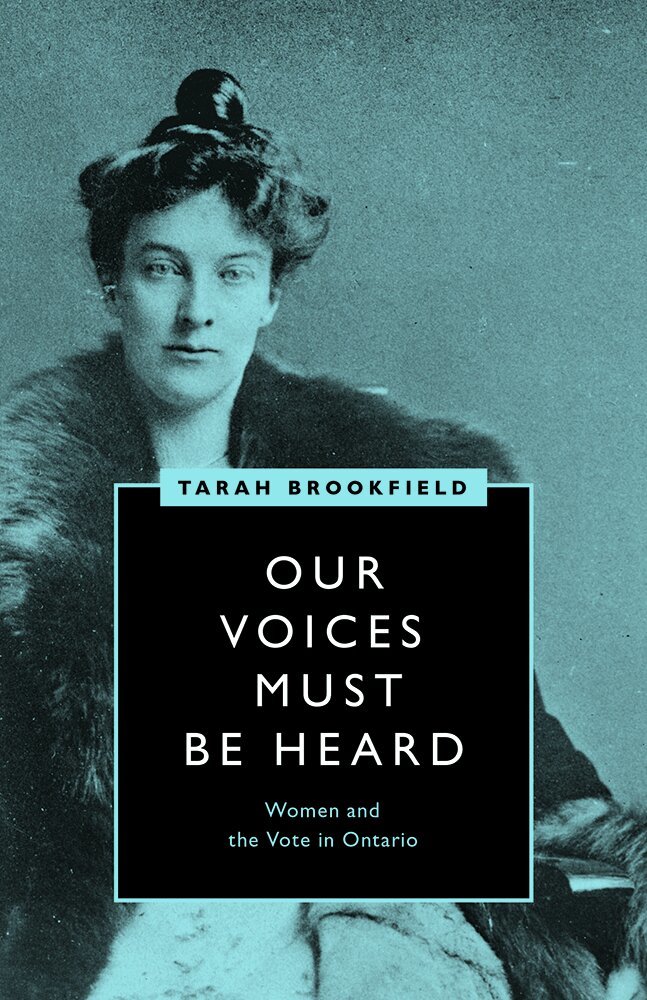
In 1844, seven widows dared to cast ballots in an election in Canada West, a display of feminist effrontery that was quickly punished: the government struck a law excluding women from the vote. It would be seven decades before women regained voting rights in Ontario. Our Voices Must Be Heard explores Ontario's suffrage history, examining its ideals and failings, its daring supporters and thunderous enemies, and its blind spots on matters of race and class. It looks at how and why suffragists from around the province joined an international movement they called "the great cause."This is the second volume in the seven-part Women's Suffrage and the Struggle for Democracy series.
265 kr
Skickas inom 7-10 vardagar
In 1844, seven widows dared to cast ballots in an election in Canada West, a display of feminist effrontery that was quickly punished: the government struck a law excluding women from the vote. It would be seven decades before women regained voting rights in Ontario. Our Voices Must Be Heard explores Ontario's suffrage history, examining its ideals and failings, its daring supporters and thunderous enemies, and its blind spots on matters of race and class. It looks at how and why suffragists from around the province joined an international movement they called "the great cause."This is the second volume in the seven-part Women's Suffrage and the Struggle for Democracy series.
Ours by Every Law of Right and Justice
Women and the Vote in the Prairie Provinces
Inbunden, Engelska, 2020
347 kr
Skickas inom 7-10 vardagar
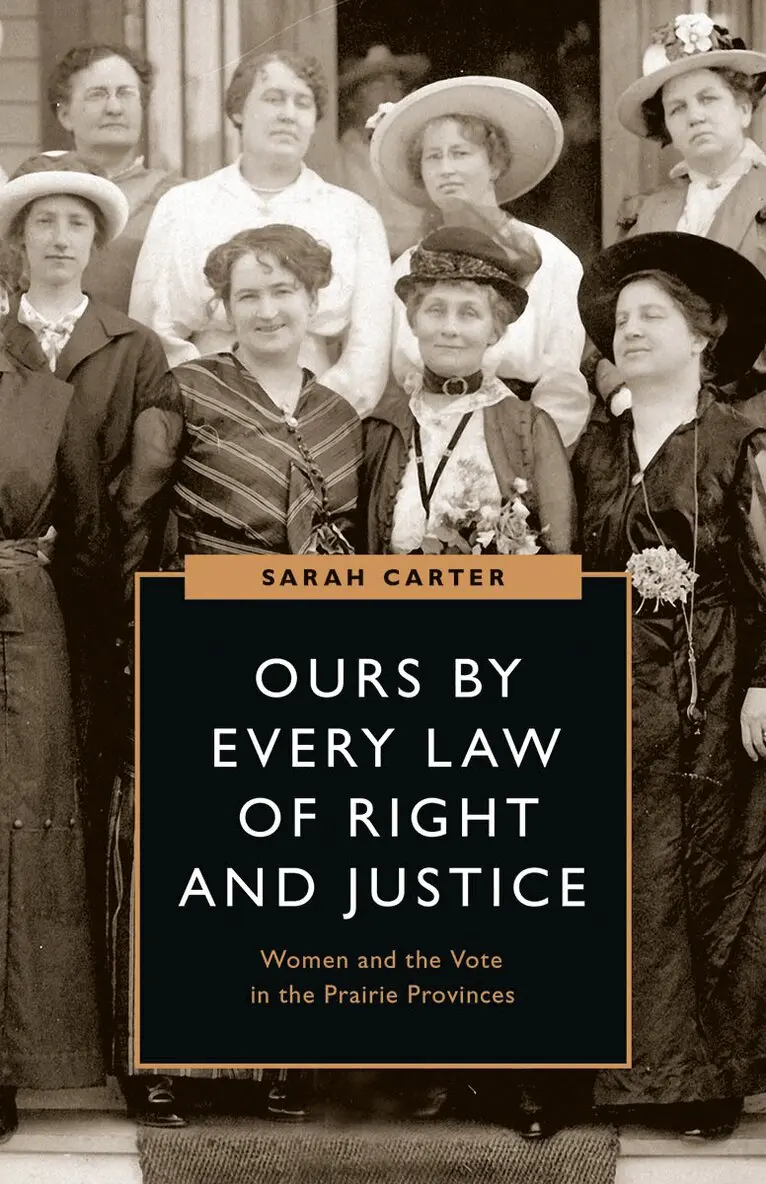
Many of Canada's most famous suffragists – from Nellie McClung and Cora Hind to Emily Murphy and Henrietta Muir Edwards – lived and campaigned in the Prairie provinces, the region that led the way in granting women the right to vote and hold office.In Ours by Every Law of Right and Justice, award-winning author Sarah Carter challenges the myth that grateful male legislators simply handed western settler women the vote in recognition that they were equal partners in the pioneering process. Suffragists worked long and hard to overcome obstacles, persuade doubters, and build allies. But their work also had a dark side. Even as settler suffragists pressured legislatures to grant their sisters the vote, they often approved of that same right being denied to "foreigners" and Indigenous men and women.By situating the suffragists' struggle in the colonial history of Prairie Canada, this powerful and passionate book shows that the right to vote meant different things to different people – political rights and emancipation for some, domination and democracy denied for others.
Ours by Every Law of Right and Justice
Women and the Vote in the Prairie Provinces
Häftad, Engelska, 2021
265 kr
Skickas inom 7-10 vardagar
Many of Canada's most famous suffragists – from Nellie McClung and Cora Hind to Emily Murphy and Henrietta Muir Edwards – lived and campaigned in the Prairie provinces, the region that led the way in granting women the right to vote and hold office.In Ours by Every Law of Right and Justice, award-winning author Sarah Carter challenges the myth that grateful male legislators simply handed western settler women the vote in recognition that they were equal partners in the pioneering process. Suffragists worked long and hard to overcome obstacles, persuade doubters, and build allies. But their work also had a dark side. Even as settler suffragists pressured legislatures to grant their sisters the vote, they often approved of that same right being denied to "foreigners" and Indigenous men and women.By situating the suffragists' struggle in the colonial history of Prairie Canada, this powerful and passionate book shows that the right to vote meant different things to different people – political rights and emancipation for some, domination and democracy denied for others.
350 kr
Skickas inom 7-10 vardagar
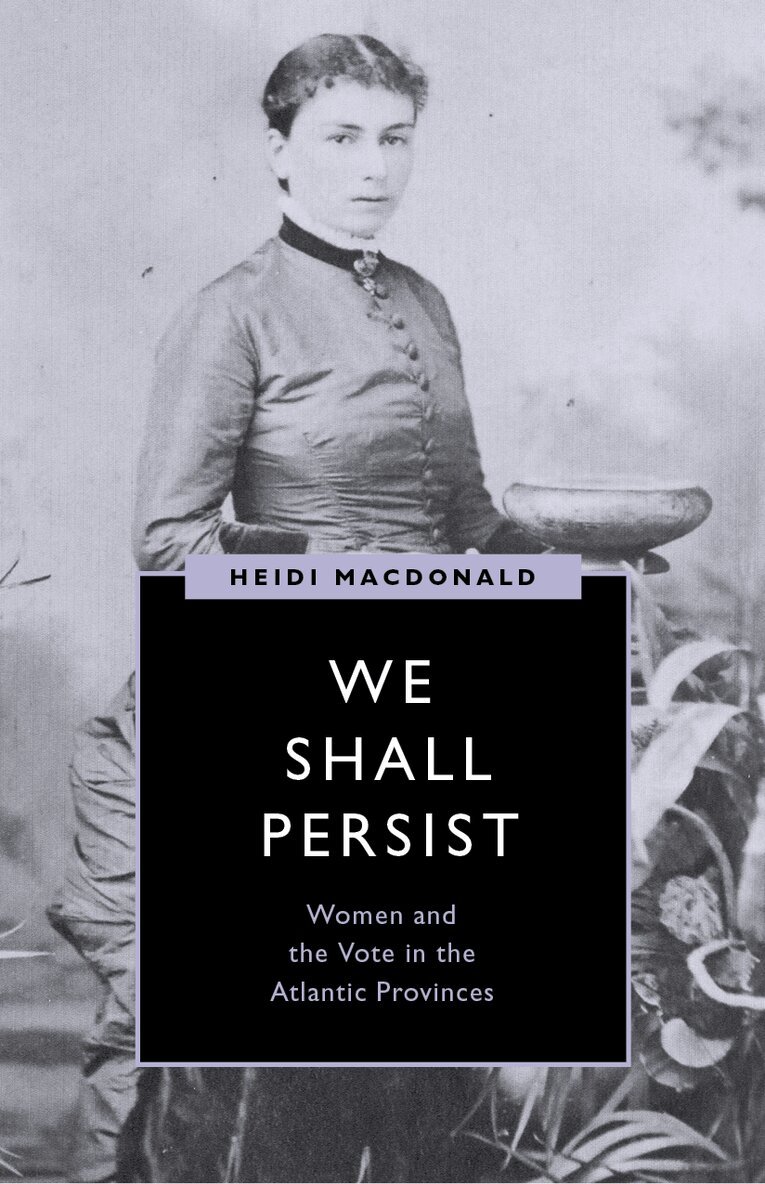
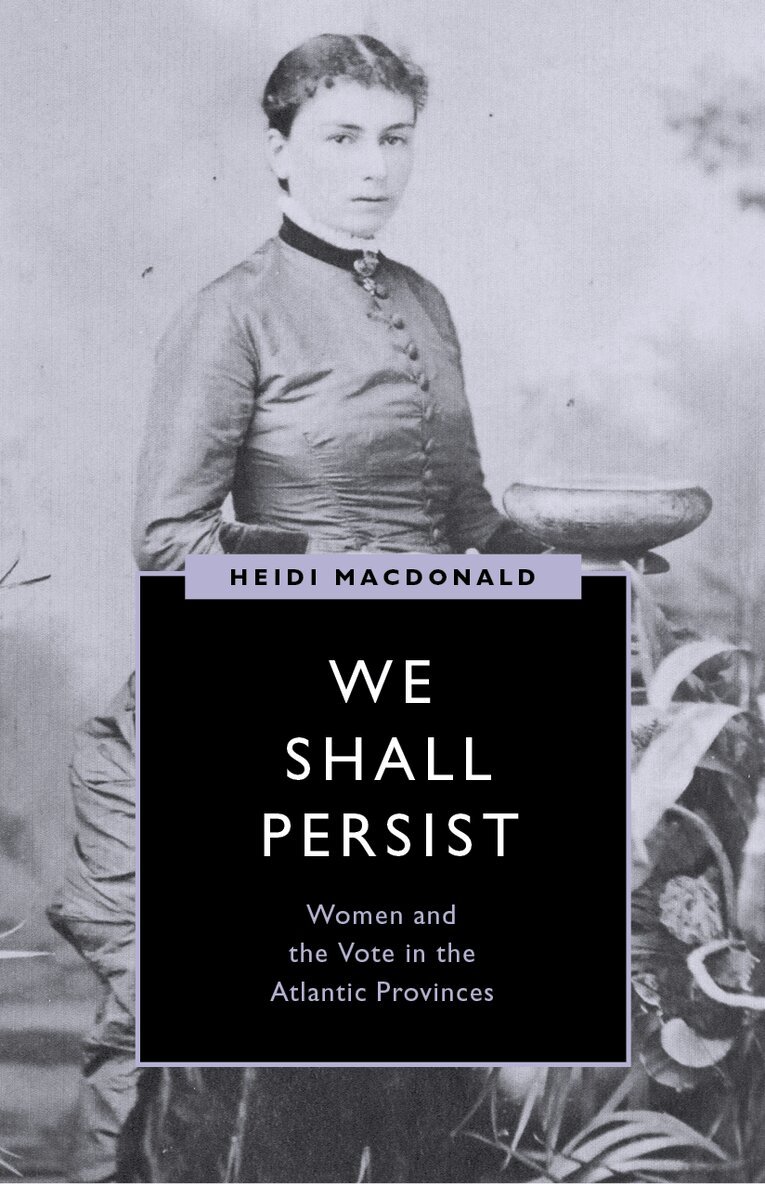
Women in Atlantic Canada won the right to vote and to run for office only after long, vigorous, and exhausting campaigns for the Great Cause. We Shall Persist explores the distinctive political contexts and common problems faced by advocates for women's suffrage and wider rights in the Maritime provinces and Newfoundland.Despite virulent opposition in public and at home, most nonindigenous women in the region won enfranchisement in the immediate post–First World War era. This victory curbed the most blatant political misogyny and prepared the way for other rights, such as improved social assistance and access to birth control. Yet progress was uneven and even the movement itself was marked by class and racial inequities.We Shall Persist captures both the long campaign and the years of disappointment. Suffrage victories across Atlantic Canada were steps in an unfinished march toward full gender, race, and class equality.
257 kr
Skickas inom 7-10 vardagar
Women in Atlantic Canada won the right to vote and to run for office only after long, vigorous, and exhausting campaigns for the Great Cause. We Shall Persist explores the distinctive political contexts and common problems faced by advocates for women's suffrage and wider rights in the Maritime provinces and Newfoundland.Despite virulent opposition in public and at home, most nonindigenous women in the region won enfranchisement in the immediate post–First World War era. This victory curbed the most blatant political misogyny and prepared the way for other rights, such as improved social assistance and access to birth control. Yet progress was uneven and even the movement itself was marked by class and racial inequities.We Shall Persist captures both the long campaign and the years of disappointment. Suffrage victories across Atlantic Canada were steps in an unfinished march toward full gender, race, and class equality.
265 kr
Skickas inom 7-10 vardagar
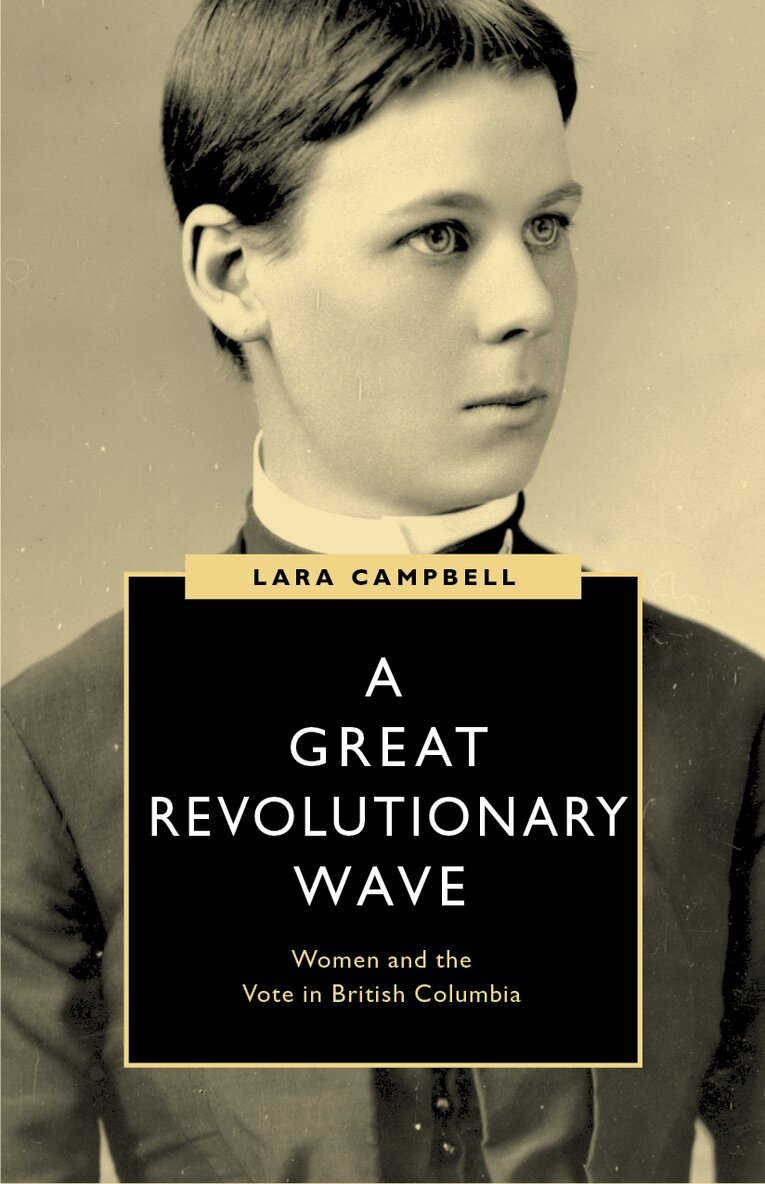
Suffrage in British Columbia – and elsewhere in Canada – is best understood as a continuum: although white settler women achieved the federal vote in 1917, it would take another thirty years before the provincial government would remove race-based restrictions on voting rights.British Columbia is often overlooked in the national story of women's suffrage. A Great Revolutionary Wave challenges that omission and the portrayal of suffragists as conservative, traditional, and polite. Lara Campbell follows the propaganda campaigns undertaken by suffrage organizations and traces the role of working-class women in the fight for political equality. She demonstrates the connections between British Columbian and British suffragists and examines how racial exclusion and Indigenous dispossession shaped arguments and tactics for enfranchisement. A Great Revolutionary Wave rethinks the complex legacy of suffrage by considering both the successes and limitations of women's historical fight for political equality. That legacy remains relevant today as Canadians continue to grapple with the meaning of justice, inclusion, and equality.