Yale Intellectual History of the West Series – serie
Visar alla böcker i serien Yale Intellectual History of the West Series. Handla med fri frakt och snabb leverans.
3 produkter
3 produkter
160 kr
Skickas inom 7-10 vardagar
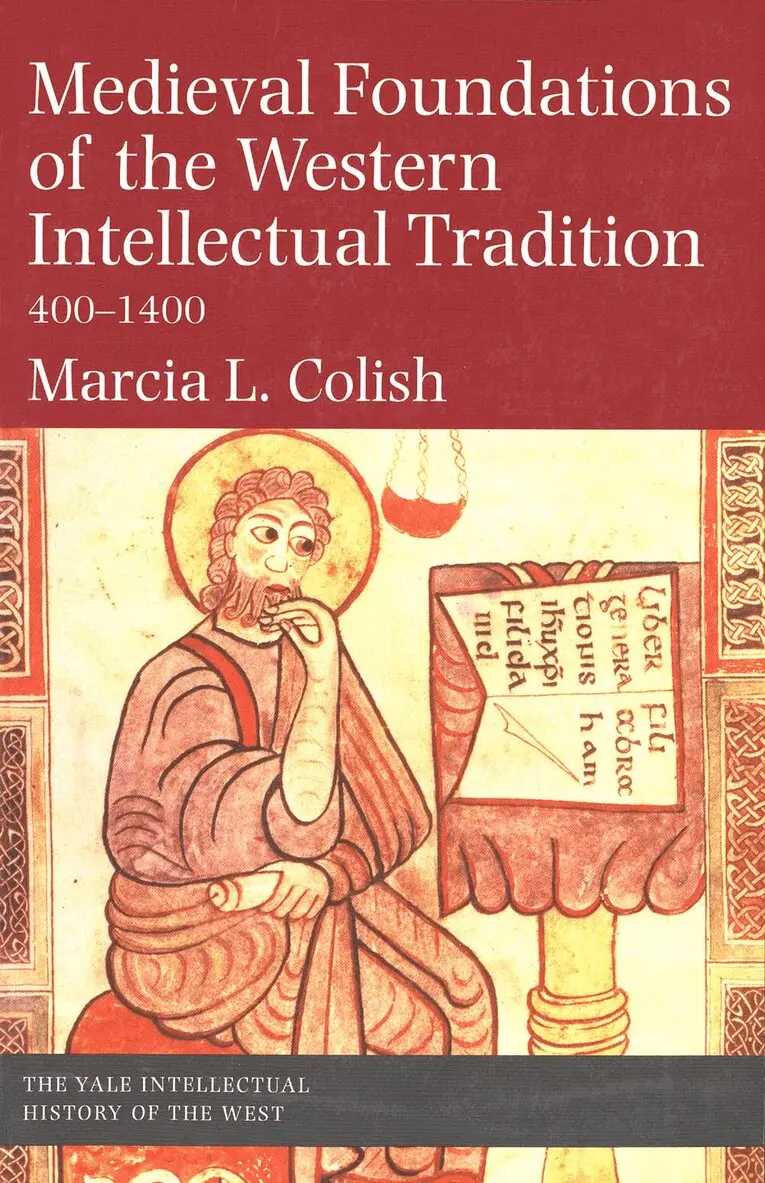
This magisterial book is an analysis of the course of Western intellectual history between A.D. 400 and 1400. The book is arranged in two parts: the first surveys the comparative modes of thought and varying success of Byzantine, Latin-Christian, and Muslim cultures, and the second takes the reader from the eleventh-century revival of learning to the high Middle Ages and beyond, the period in which the vibrancy of Western intellectual culture enabled it to stamp its imprint well beyond the frontiers of Christendom.Marcia Colish argues that the foundations of the Western intellectual tradition were laid in the Middle Ages and not, as is commonly held, in the Judeo-Christian or classical periods. She contends that Western medieval thinkers produced a set of tolerances, tastes, concerns, and sensibilities that made the Middle Ages unlike other chapters of the Western intellectual experience. She provides astute descriptions of the vernacular and oral culture of each country of Europe; explores the nature of medieval culture and its transmission; profiles seminal thinkers (Augustine, Anselm, Gregory the Great, Aquinas, Ockham); studies heresy from Manichaeism to Huss and Wycliffe; and investigates the influence of Arab and Jewish writing on scholasticism and the resurrection of Greek studies. Colish concludes with an assessment of the modes of medieval thought that ended with the period and those that remained as bases for later ages of European intellectual history.
329 kr
Skickas inom 7-10 vardagar
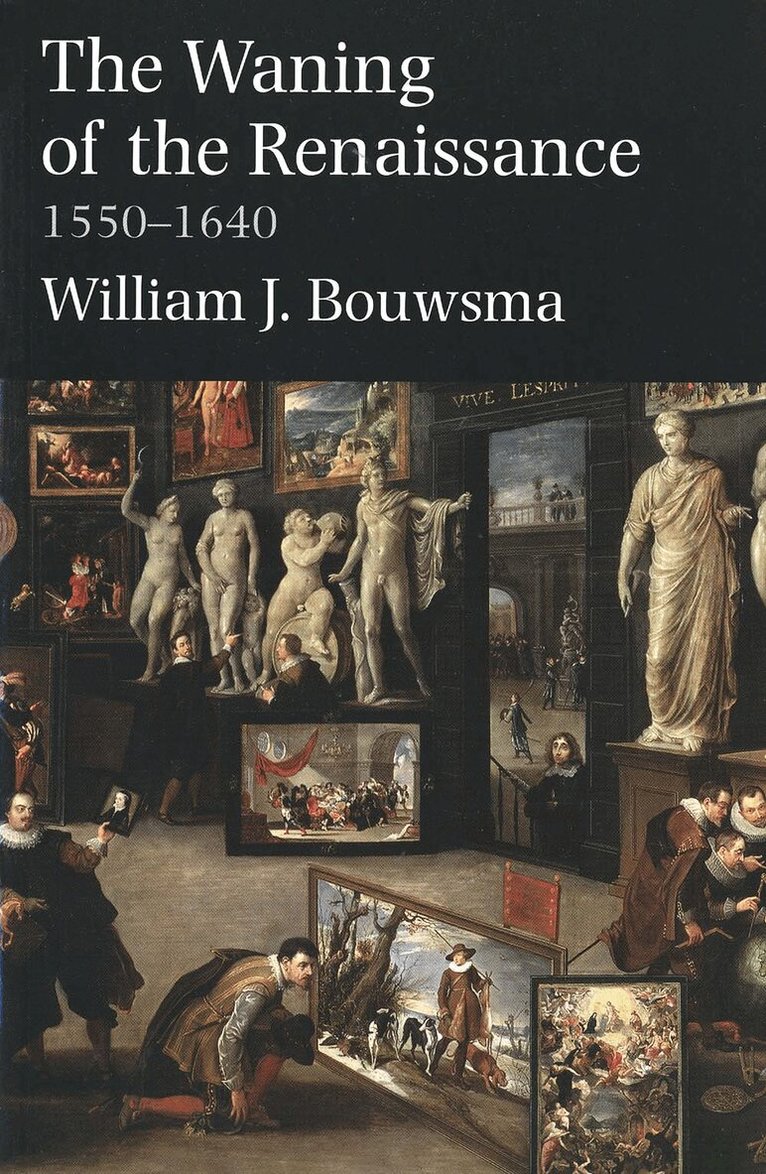
Historians have conventionally viewed intellectual and artistic achievement as a seamless progression in a single direction, with the Renaissance, as identified by Jacob Burckhardt, as the root and foundation of modern culture. But in this brilliant new analysis William Bouwsma rethinks the accepted view, arguing that while the Renaissance had a beginning and, unquestionably, a climax, it also had an ending.Examining the careers of some of the greatest figures of the age—Montaigne, Galileo, Jonson, Descartes, Hooker, Shakespeare, and Cervantes among many others—Bouwsma perceives in their work a growing sense of doubt and anxiety about the modern world. He considers first those features of modern European culture generally associated with the traditional Renaissance, features which reached their climax in the late sixteenth and early seventeenth centuries. But even as the movements of the Renaissance gathered strength, simultaneous impulses operated in a contrary direction. Bouwsma identifies a growing concern with personal identity, shifts in the interests of major thinkers, a decline in confidence about the future, and a heightening of anxiety.Exploring the fluctuating and sometimes contradictory atmosphere in which Renaissance artists and thinkers operated, Bouwsma shows how the very liberation from old boundaries and modes of expression that characterized the Renaissance became itself increasingly stifling and destructive. By drawing attention to the waning of the Renaissance culture of freedom and creativity, Bouwsma offers a wholly new and intriguing interpretation of the place of the European Renaissance in modern culture.
518 kr
Skickas inom 5-8 vardagar
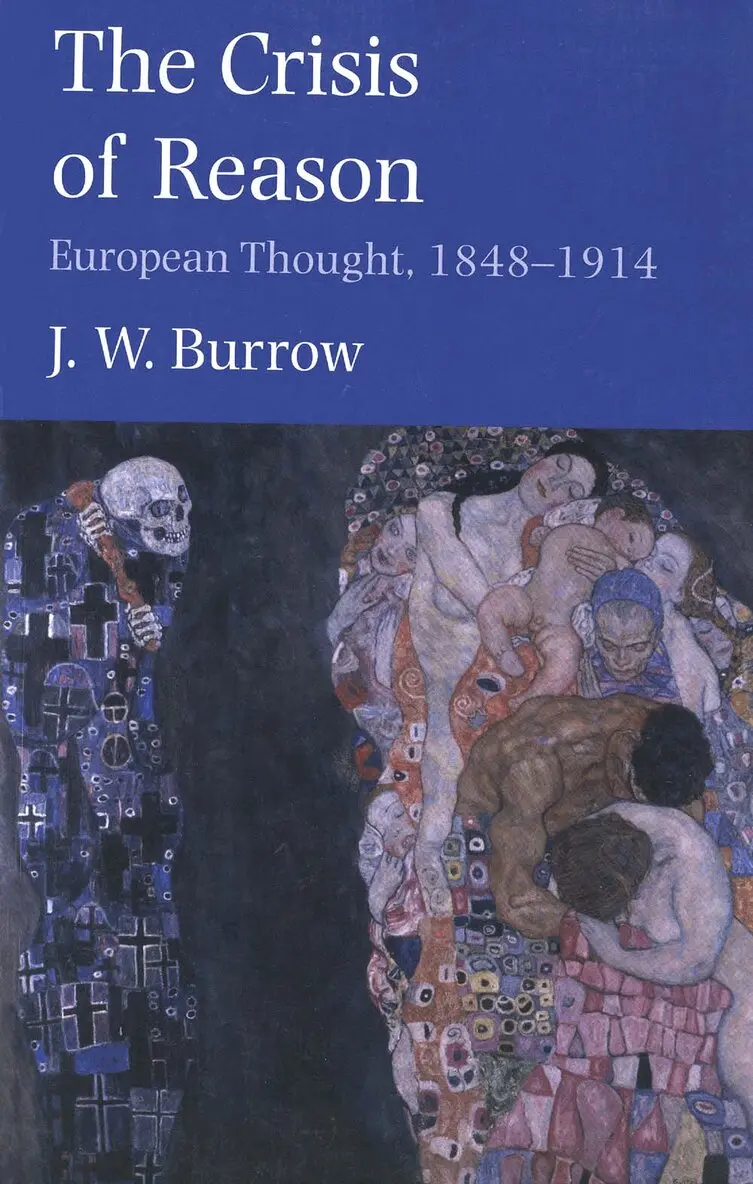
This elegantly written book explores the history of ideas in Europe from the revolutions of 1848 to the beginning of the First World War. Broader than a straight survey, deeper and richer than a textbook, this work seeks to place the reader in the position of an informed eavesdropper on the intellectual conversations of the past.J. W. Burrow first outlines the intellectual context of the mid-nineteenth century, using ideas taken from physics, social evolution, and social Darwinism, and anxieties about modernity and personal identity, to explore the impact of science and social thought on European intellectual life. The discussion encompasses powerful and fashionable concepts in evolution, art, myth, the occult, and the unconscious mind; the rise of the great cities of Berlin, Paris, and London; and the work of literary writers, philosophers, and composers. Most of the great intellectual figures of the age—and many of the lesser known—populate the book, among them Mill, Bakunin, Nietzsche, Bergson, Renan, Pater, Proust, Clough, Flaubert, Wagner, and Wilde. The author wears his erudition lightly, and this distinguished book will be both entertaining and accessible to scholars, students, and general readers alike.