2 994 kr
Beställningsvara. Skickas inom 3-6 vardagar. Fri frakt över 249 kr.
Fler format och utgåvor
Beskrivning
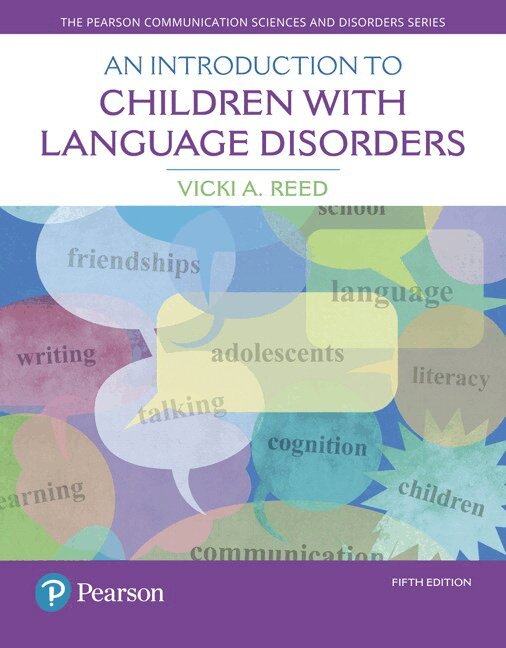
A comprehensive look at the various groups of children that professionals encounter in their work according to diagnostic categories, the unique issues that relate to those diagnostic categories, and approaches to effective assessment and intervention.
This book provides comprehensive coverage of children who do not acquire language normally, their characteristics, and how to help them successfully develop language skills. It begins with an overview of the aspects of normal language, looking at the bases of language and communication and at normal language development in children and adolescents. Here readers get a review of the concepts, as well as an introduction to the rest of the book.
The central focus of the book features nine chapters on the language difficulties of different groups of children, including groups defined by the age of the children in combination with an etiological condition, and groups defined by concomitant or etiological conditions associated with the children’s language difficulties. The final part of the text presents more detailed discussions of language intervention, including augmentative and alternative communication as it relates to children with language disorders and their interventions; language assessment; and the procedures used and factors considered in intervention with children with language disorders. Thoroughly updated to reflect the most current knowledge in the field, the new edition also includes current information about federal education laws and initiatives that affect services for children with language disorders.
Produktinformation
- Utgivningsdatum:2017-07-28
- Mått:100 x 100 x 100 mm
- Vikt:100 g
- Format:Häftad
- Språk:Engelska
- Antal sidor:576
- Upplaga:5
- Förlag:Pearson Education
- ISBN:9780133827095
Utforska kategorier
Mer om författaren
Dr. Vicki A. Reed, CCC-SLP, is a two-time Emeritus Professor–James Madison University and The University of Sydney. She holds is an ASHA Fellow, a Board Certified Specialist in Child Language (BCS-CL), and until recently a Certified Practising Member of Speech Pathology Australia. Prior to moving to the Shenandoah Valley, Virginia in 2004 and James Madison University, as Head of Department of Communication Sciences and Disorders, Dr. Reed had been Head of the School of Communication Sciences and Disorders in Australia at The University of Sydney for 17 years. In addition to her work in Australia and USA, she has provided consultancies in New Zealand, the USSR, and Thailand, among others. Until retiring in 2016, Dr. Reed had amassed 40+ years’ experience teaching and researching in the area of child and adolescent language development and disorders at the graduate and undergraduate levels, including mentorship of students' research. She has numerous publications and presentations in the area.
Innehållsförteckning
- Brief Table of Contents PART ONE: ASPECTS OF NORMAL LANGUAGE AND COMMUNICATIONChapter 1: LANGUAGE AND HUMAN COMMUNICATION: AN OVERVIEWChapter 2: NORMAL LANGUAGE DEVELOPMENT: A REVIEW PART TWO: CHILDREN WITH LANGUAGE DISORDERSChapter 3: TODDLERS AND PRESCHOOLERS WITH SPECIFIC LANGUAGE IMPAIRMENTChapter 4: LANGUAGE AND CHILDREN WITH LEARNING DISABILITIES--Geraldine WallachChapter 5: ADOLESCENTS WITH LANGUAGE IMPAIRMENT Chapter 6: LANGUAGE AND CHILDREN WITH INTELLECTUAL DISABILITIES--Stacey PavelkoChapter 7: LANGUAGE AND CHILDREN WITH AUTISM--Marsha Longerbeam and Jeff SigafoosChapter 8: LANGUAGE AND CHILDREN WITH AUDITORY IMPAIRMENTS--Mona R. GrifferChapter 9: LANGUAGE AND LINGUISTICALLY-CULTURALLY DIVERSE CHILDREN--Li-Rong and Lilly Cheng Chapter 10: CHILDREN WITH ACQUIRED LANGUAGE DISORDERS--Cynthia R. O’Donoghue and Sarah E. HegyiChapter 11: LANGUAGE AND OTHER SPECIAL POPULATIONS OF CHILDREN--Mona R. Griffer and Vijayachandra Ramachandra PART THREE: LANGUAGE INTERVENTIONChapter 12: LANGUAGE AND AUGMENTATIVE AND ALTERNATIVE COMMUNICATION (AAC) Chapter 13: ASSESSMENT Chapter 14: CONSIDERATIONS FOR LANGUAGE INTERVENTION Detailed Table of Contents PART ONE: ASPECTS OF NORMAL LANGUAGE AND COMMUNICATIONChapter 1: LANGUAGE AND HUMAN COMMUNICATION: AN OVERVIEW COMMUNICATIONLanguageSpeechExtralinguistic Aspects of CommunicationA Bit More about the Relationships among Speech, Language, and Communication COMPONENTS OF LANGUAGEPhonologySemantics SyntaxMorphologyPragmaticsCOMPREHENSION AND PRODUCTIONCOMMUNICATION MODESAuditory-Oral System: Hearing and SpeechVisual-Graphic System: Reading and WritingVisual-Gestural SystemsBIOLOGICAL, COGNITIVE AND SOCIAL BASES OF HUMAN COMMUNICATIONBiological Bases of CommunicationCognitive Bases for LanguageSocial Bases of Human CommunicationSUMMARY Chapter 2: NORMAL LANGUAGE DEVELOPMENT: A REVIEW THE PRELINGUISTIC PERIOD: THE FIRST 12 MONTHSPrelinguistic Communication DevelopmentPrelinguistic Vocal DevelopmentTHE FIRST WORD PERIODPhonologySemanticsPragmaticsTHE PERIOD OF TWO-WORD UTTERANCESSemantic–Syntactic DevelopmentTypes of Two-word UtterancesTHE PRESCHOOL AND EARLY SCHOOL YEARSPhonologySemanticsMorphologySyntaxPragmaticsTHE ADOLESCENT YEARSLANGUAGE, LITERACY, AND EDUCATIONEmergent Literacy and PreliteracySchool and LanguageSUMMARY PART TWO: CHILDREN WITH LANGUAGE DISORDERS Chapter 3: TODDLERS AND PRESCHOOLERS WITH SPECIFIC LANGUAGE IMPAIRMENT IDENTIFICATION OF CHILDREN WITH LANGUAGE IMPAIRMENTMental Age, Chronological Age, and Language AgeNormal Variation, Normal Distribution, and a Statistical ApproachSocial StandardClinical MarkersChallenging and Changing the Child’s Language PerformanceRisk Factors for Language ProblemsAN OVERVIEW OF SPECIFIC LANGUAGE IMPAIRMENTDelay versus DisorderSubgroups of Young Children with Specific Language ImpairmentsA Label for It and Reasons for ItPrevalencePredicting Spontaneous Recovery from Early Language DelayLANGUAGE CHARACTERISTICS OF CHILDREN WITH SPECIFIC LANGUAGE IMPAIRMENTSome Language PrecursorsPhonologySemanticsSyntax and MorphologyPragmatics and DiscourseSocialization and Psychosocial FactorsNarrativesIMPLICATIONS FOR INTERVENTIONAssessmentInterventionSUMMARY Chapter 4: LANGUAGE AND CHILDREN WITH LEARNING DISABILITIES--Geraldine Wallach THE RELATIONSHIP BETWEEN LANGUAGE IMPAIRMENT AND LEARNING DISABILITIESLanguage Disorders/Impairment TerminologyLearning Disabilities TerminologyRelated Terms and ConditionsPrevalence and Who’s WhoLANGUAGE AND ACADEMIC EXPECTATIONS: MATCHES and MISMATCHESOn Becoming LiterateLearning to ReadLanguage Characteristics: A Closer Look at Selected Patterns in Children with SLDLanguage Impairment: Students with SLD Tackling Literacy and Curriculum IMPLICATIONS FOR INTERVENTIONAssessmentInterventionEpilogueSUMMARY Chapter 5: ADOLESCENTS WITH LANGUAGE IMPAIRMENT AN UNDERRECOGNIZED GROUP WITH SIGNIFICANT PROBLEMSPersonal and Societal Costs of Adolescent Language ImpairmentReasons for Neglect and UnderrecognitionCHARACTERISTICS OF ADOLESCENTS WITH LANGUAGE IMPAIRMENT ASSESSMENTIdentificationLanguage AssessmentINTERVENTIONPrinciples in Determining Intervention ObjectivesFactors in Implementing Intervention ObjectivesService DeliverySUMMARY Chapter 6: LANGUAGE AND CHILDREN WITH INTELLECTUAL DISABILITIES--Stacey Pavelko AN OVERVIEW OF INTELLECTUAL DISABILITIESDefinitionCauses and Types of Intellectual DisabilitiesTHE DELAY-DIFFERENCE CONTROVERSYLANGUAGE CHARACTERISTICS OF CHILDREN WITH INTELLECTUAL DISABILITIESResearch IssuesPragmaticsComprehensionSemanticsSyntaxSpeech ProductionLANGUAGE CHARACTERISTICS OF CHILDREN WITH DOWN SYNDROMEComprehensionSemanticsSyntaxPragmaticsSpeech ProductionPhonological Awareness and LiteracyRate of Language LearningUse of ImitationExplanations for Specific Language Deficit in Children with Down SyndromeIMPLICATIONS FOR INTERVENTIONSocial and Legislative InfluencesFacilitating versus Compensatory InterventionDevelopmental versus Remedial LogicLanguage-Cognition RelationshipsPragmatics and Pragmatic RelevanceGoal Attack StrategyCaretaker InteractionMaterials SelectionComprehensionLexiconSyntaxIntelligibility and Speech ProductionSUMMARY Chapter 7: LANGUAGE AND CHILDREN WITH AUTISM--Marsha Longerbeam and Jeff Sigafoos AN OVERVIEW OF CHILDREN WITH AUTISM SPECTRUM DISORDERDiagnostic CriteriaPrevalenceAssociated ProblemsEtiologyCOMMUNICATION IN CHILDREN WITH AUTISMPreserved AbilitiesImpaired AbilitiesIMPLICATIONS FOR INTERVENTIONAssessment Service DeliverySpecial ConsiderationsIntervention ApproachesSUMMARY Chapter 8: LANGUAGE AND CHILDREN WITH AUDITORY IMPAIRMENTS--Mona R. Griffer OVERVIEW OF HEARING-IMPAIRED CHILDREN AND HEARING LOSSTypes and Differing Degrees of Hearing Loss and their EffectsAge of Onset of Hearing Loss and its EffectsStability of Hearing LossOther Contributing Factors and their EffectsParental Hearing StatusEarly IdentificationConcomitant DeficitsBackground NoiseORAL LANGUAGE, SPEECH, AND LITERACY CHARACTERISTICS: AN HISTORICAL OVERVIEW Syntax and MorphologySemanticsPragmaticsSpeech Production and IntelligibilityOTHER AUDITORY IMPAIRMENTSCentral Auditory Processing Disorders (CAPD)\Auditory Neuropathy/Auditory Dys-SynchronyINTERVENTION AND MANAGEMENT APPROACHESTechnology Aids and Sound Amplification SystemsEducational Approaches/Communication-Language InterventionSUMMARY Chapter 9: LANGUAGE AND LINGUISTICALLY-CULTURALLY DIVERSE CHILDREN--Li-Rong and Lilly Cheng CONCEPTS OF CULTURAL DIVERSITYCONCEPTS OF LINGUISTIC VARIATIONCONCEPTS OF SECOND LANGUAGE LEARNINGLANGUAGE CHARACTERISTICS OF LINGUISTICALLY-CULTURALLY DIVERSE CHILDRENHispanic-American ChildrenAfrican-American ChildrenAsian-American ChildrenNative American ChildrenA MATTER OF POVERTYPoverty in the U.S. and GloballyCulture of PovertyISSUES IN ASSESSMENTTesting BiasDifferential Diagnosis of Communicative BehaviorsIMPLICATIONS FOR INTERVENTIONIntervention for Language Differences and Language DisordersIntervention for Language DifferencesIntervention for Linguistically-Culturally Diverse Children with Other DisabilitiesSUMMARY Chapter 10: CHILDREN WITH ACQUIRED LANGUAGE DISORDERS--Cynthia R. O’Donoghue and Sarah E. Hegyi AN OVERVIEW OF ACQUIRED CHILDHOOD APHASIADefinition Types of Acquired Brain InjuryAssociated ProblemsLANGUAGE DEVELOPMENT AND LANGUAGE RECOVERYLANGUAGE CHARACTERISTICS OF CHILDREN WITH ACQUIRED APHASIAEarly Recovery and Language ImpairmentLater Recovery and Residual Language ImpairmentACADEMIC ACHIEVEMENTDIFFERENCES BETWEEN DEVELOPMENTAL AND ACQUIRED LANGUAGE DISORDERS IN CHILDRENIMPLICATIONS FOR ASSESSMENT AND INTERVENTIONAssessmentSocial and Legislative InfluencesAugmentative and Alternative CommunicationBehavior DisordersIntelligibilityDevelopmental versus Remedial LogicFacilitating versus Compensatory InterventionReturning to SchoolSUMMARY Chapter 11: LANGUAGE AND OTHER SPECIAL POPULATIONS OF CHILDREN--Mona R. Griffer and Vijayachandra Ramachandra LANGUAGE AND GIFTED CHILDRENAn Overview of GiftednessLanguage Characteristics of Gifted ChildrenLanguage in Disadvantaged or Disabled Gifted ChildrenImplications for InterventionLANGUAGE AND CHILDREN WITH VISUAL IMPAIRMENT An Overview of Visual ImpairmentLanguage Characteristics of Blind ChildrenImplications for InterventionLANGUAGE AND CHILDREN WITH NEUROMOTOR IMPAIRMENTChildren with Cerebral PalsyCommunication of Other Children with Neuromotor ImpairmentLANGUAGE AND CHILDREN WITH CLEFT PALATEAn Overview of Cleft PalateLanguage Characteristics of Children with Cleft PalateLANGUAGE IN CHILDREN WHO STUTTER An Overview of Language Problems in Children Who StutterImplications for InterventionSUMMARY PART THREE: LANGUAGE INTERVENTIONChapter 12: LANGUAGE AND AUGMENTATIVE AND ALTERNATIVE COMMUNICATION (AAC)--Susan Balandin and Kate L. Anderson WHAT IS AAC?An Overview and DefinitionsMultimodal Communication Multidisciplinary TeamsCHILDREN WHO BENEFIT FROM AAC SYSTEMSChildren with Challenging BehaviorChildren with Language ImpairmentsChildren with Autism Children with Intellectual DisabilitiesChildren with Acquired Language DisordersChildren with Physical DisabilitiesChildren who are Temporarily Unable to SpeakAAC ASSESSMENTAAC INTERVENTIONSystem for Augmenting Language (SALS)Sign and GestureFacilitated CommunicationLanguage and Speech DevelopmentLiteracy Acquisition SUMMARY Chapter 13: ASSESSMENT APPROACHES TO AND PURPOSES OF THE ASSESSMENT PROCESSDetermining if a Child Qualifies for ServicesDeciding if a Child has a Language ProblemIdentifying the Cause of the ProblemIdentifying Deficit AreasDescribing the Regularities in the Child's LanguageDeciding What to RecommendTOOLS AND PROCEDURESGathering Information from OthersWhat to AssessMethods of AssessmentINTELLIGENCE TESTINGSUMMARY Chapter 14: CONSIDERATIONS FOR LANGUAGE INTERVENTION CONSIDERATIONS IN INTERVENTIONNormal versus Not so Normal ProcessesDevelopmental and Nondevelopmental InterventionRules and RegularitiesControlling and/or Reducing Language ComplexityComprehension or ProductionFocus of Intervention and Picking Intervention Targets Usefulness of Intervention ContentReinforcement and GeneralizationChild CharacteristicsMetalinguisticsHIGHLIGHTING INTERVENTION TARGETSMultiple ExposuresDistributed versus Massed TrialsSuprasegmental and Rate VariationsInput Modality VariationsPROCEDURES AND TECHNIQUES TO FACILITATE LEARNING OF LANGUAGE TARGETSBefore the Child’s UtteranceAfter the Child’s UtteranceResponse DialoguesSo Which Ones Should We Use? APPROACHES TO INTERVENTIONDirect and Indirect InterventionGroup and Individual InterventionThree Language Teaching MethodsService Delivery ModelsPUTTING IT TOGETHERSUMMARY REFERENCESAUTHOR INDEX
Du kanske också är intresserad av
Gecco 12 Proceedings of the Fourteenth International Conference on Genetic and Evolutionary Computation V2
Gecco 12 Conference Committee
2 994 kr