Inbunden, Engelska, 2027
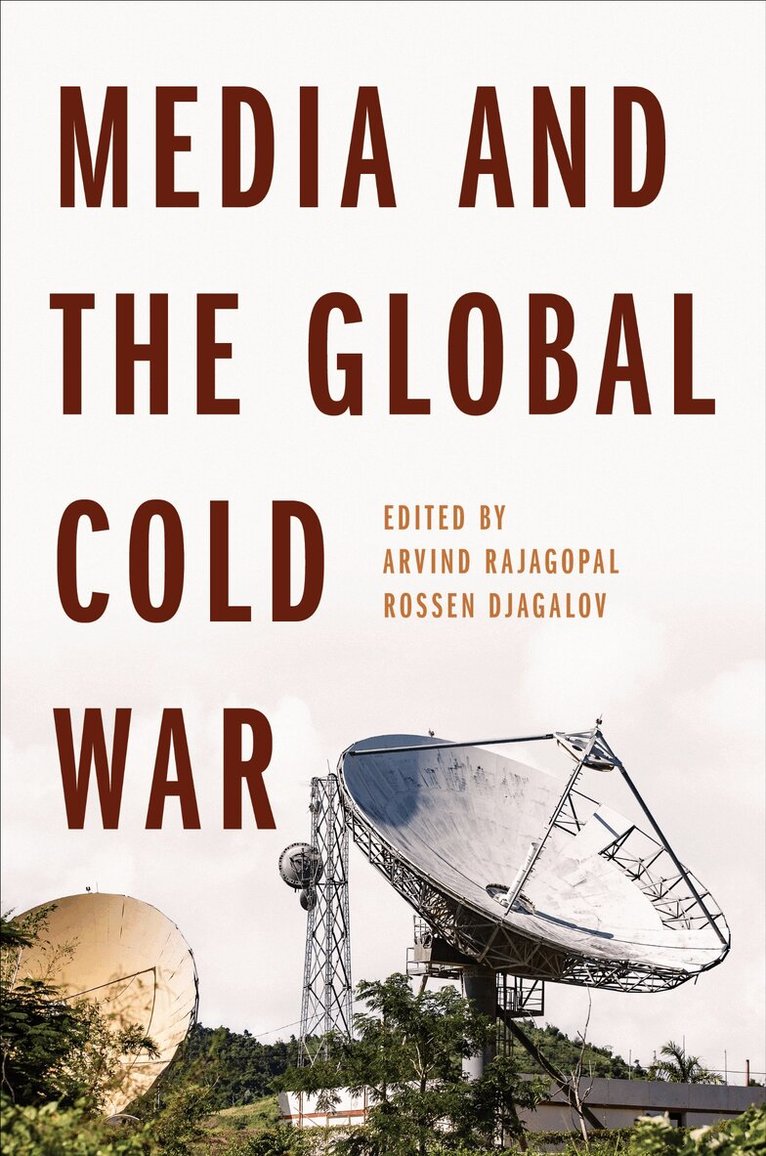
Media and the Global Cold War
Av Rossen Djagalov, Arvind Rajagopal
1445 kr
Kommande
Beskrivning
New perspectives on a cornerstone of soft power during the Cold War and beyond In the Cold War era, media became a central force in the shaping of political life, cultural exchange, and ideas of global order. A rivalry between political systems expanded into a worldwide struggle over who could shape information, control communication infrastructures, and define reality.Rossen Djagalov and Arvind Rajagopal present essays on the uses of Cold War media. Focusing on the Global South, the contributors illuminate how postcolonial nations and others defied superpower pressure to use media for nation-building and international cooperation. At the same time, communication infrastructures linked global regions in unequal ways that often reinforced the power of the United States. Throughout, the essays show how Cold War media practices like secrecy, propaganda, and cultural diplomacy cemented patterns that still influence global communication systems and international politics today.Cutting-edge and timely, Media and the Global Cold War reveals the workings of media beyond the superpower rivalry.
Produktinformation
- Utgivningsdatum: 2027-01-12
- Mått: 156 x 235 x undefined mm
- Format: Inbunden
- Språk: Engelska
- Serie: Geopolitics of Information
- Antal sidor: 352
- Förlag: University of Illinois Press
- ISBN: 9780252059933
Utforska kategorier
Betyg & recensioner
0 recensioner
Inga recensioner tillgängliga.