Häftad, Engelska, 2019
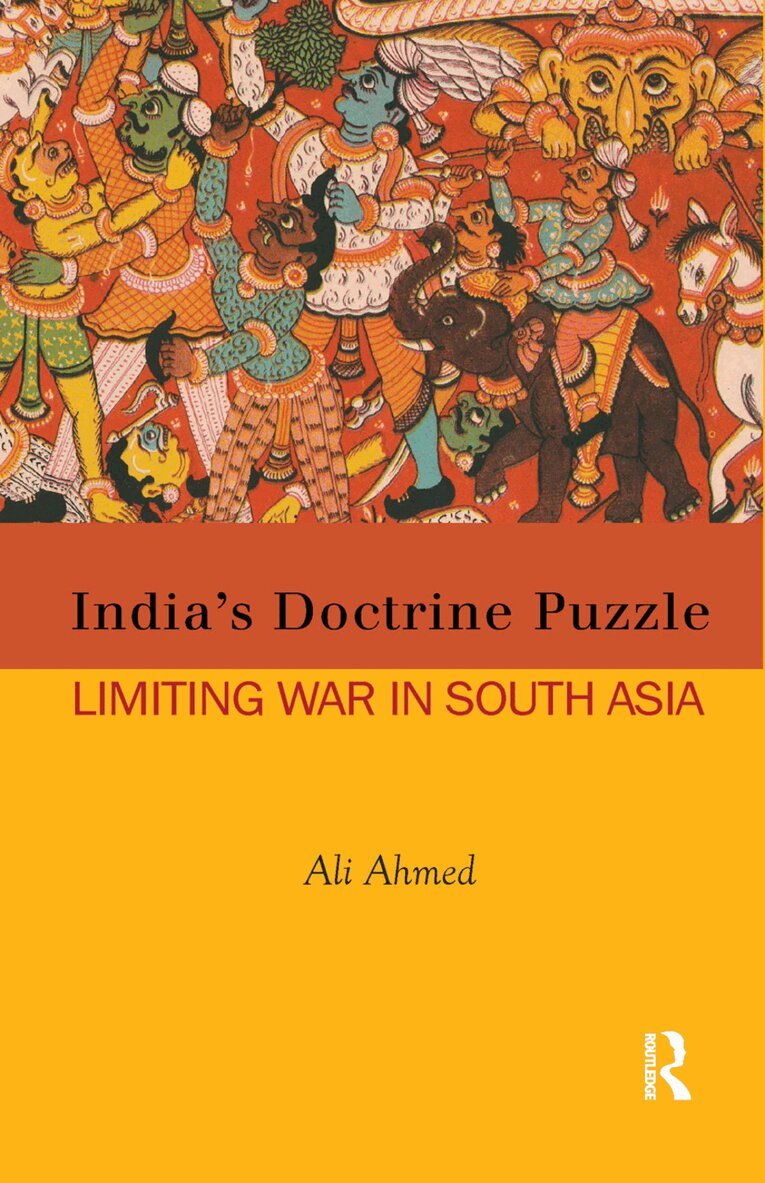
India's Doctrine Puzzle
Av Ali Ahmed
771 kr
Beställningsvara. Skickas inom 10-15 vardagar. Fri frakt över 249 kr.
Beskrivning
The balance of power in South Asia is tenuous. Neighbouring states with nuclear arsenal pose a serious threat in times of conflict and the danger of escalation into a nuclear holocaust in South are ever-present.This book locates the change in India‘s war doctrine at the turn of the century, following the Kargil War in 1999 between India and Pakista
Produktinformation
- Utgivningsdatum: 2019-04-25
- Mått: 138 x 216 x 14 mm
- Vikt: 480 g
- Format: Häftad
- Språk: Engelska
- Antal sidor: 260
- Förlag: Taylor & Francis Ltd
- ISBN: 9780367176785
Utforska kategorier
Betyg & recensioner
0 recensioner
Inga recensioner tillgängliga.